


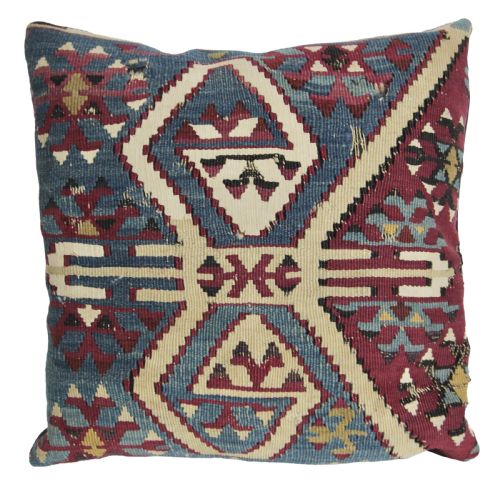
Tribal Pillow Cover
These antique tribal pillow cover textiles bring heavy nomadic woolwork into modern rooms.
Tribal Pillow Cover
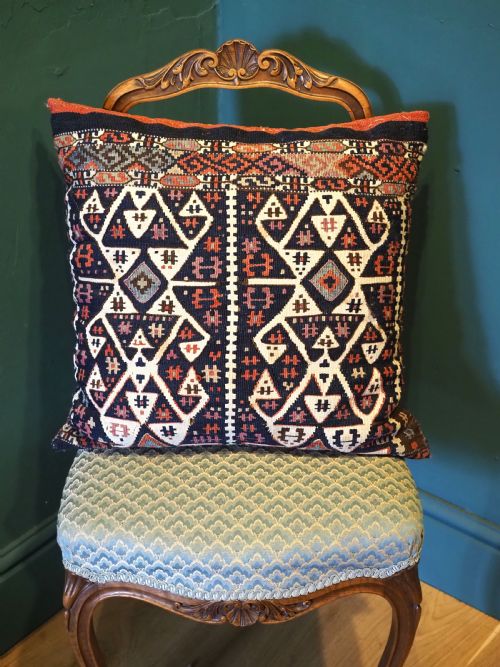
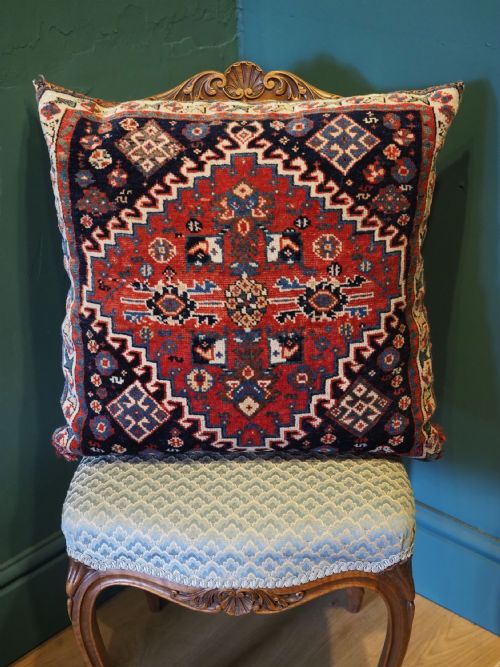
A tribal pillow cover repurposes antique nomadic weaving into functional cushion forms for domestic interiors. These pieces frequently originate from nineteenth and early twentieth century Central Asian, Persian and Anatolian groups.
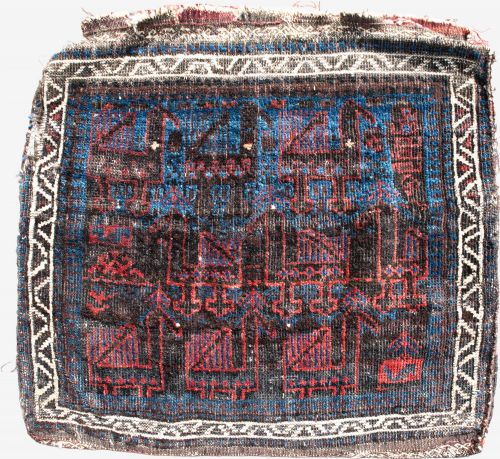
The most common formats on this page draw from traditional saddlebags, storage bags and flatwoven kilims. Artisans and workshops adapt these old bag faces and fragment textiles into scatter cushions and throw pillows.
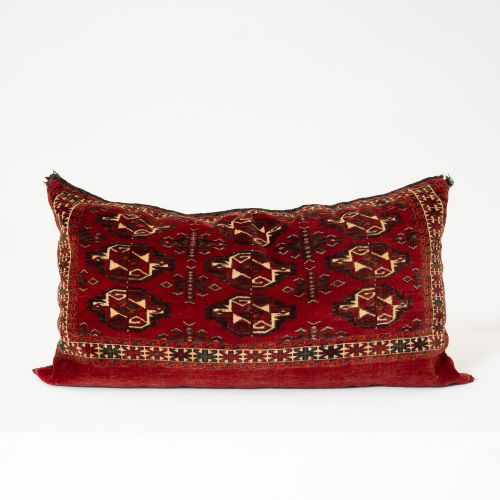
Geographic attribution spans specific regional identities such as Yomut Turkmen, Baluch, Qashqai and Shahsevan nomads. Each group contributes distinct tribal motifs and construction methods to the finished textile.
Materials and construction
Makers utilised hand-spun wool and cotton foundations to weave these sturdy textile surfaces. Natural dyes provide the underlying palette, yielding rich tones across the patterned wool pile and flatweave structures.
Nomadic weavers constructed these items on portable ground looms before later repurposing them into cushions. Many retain original flatweave designs, banded patterns or characteristic tribal gul medallions from their utilitarian origins.
Listings span a chronological range from eighteen-fifty through to nineteen-twenty, featuring wool, cotton, and natural dyes.
Judging the quality
The standard of a tribal pillow cover rests upon the integrity of the original weaving and the quality of the natural dyes. Finely spun wool and tight knotting or weaving indicate superior initial craftsmanship.
The proportion of the fragment and the preservation of distinct tribal patterns influence the visual impact. Pieces that retain complete design elements, such as specific gul motifs or balanced borders, hold stronger character.
Yomut Turkmen·Ersari Beshir·Tekke Turkmen·Qashqai·Shahsevan
The Tribal Pillow Cover Glossary
- Kilim
- A flatwoven textile produced without a pile, commonly utilised for rugs and decorative bags.
- Chuval
- A large Turkmen storage bag traditionally used inside a nomadic yurt.
- Torba
- A smaller storage bag made by Turkmen and other tribal groups for household organisation.
- Mafrash
- A rectangular bedding bag woven by nomadic tribes such as the Yomut Turkmen.
- Gul
- A repeating medallion pattern used across Turkmen and other Central Asian tribal weaving.
Tribal Pillow Cover: Frequently Asked Questions
What is a tribal pillow cover made from?
These cushions utilise hand-spun wool and cotton, often sourced from nineteenth century nomadic textiles. Natural dyes colour the fibres across these older flatweave and pile surfaces.
Craftsmen adapt traditional saddlebags and storage bag faces into cushion formats while retaining the original historical materials.
How do I date a tribal pillow cover?
Dating relies on stylistic indicators, dye analysis and structural examination of the wool and cotton foundations. Pieces span periods from the mid nineteenth century through to the early twentieth century.
Regional designs and specific tribal patterns help experts place the original weaving within defined historical decades.
Where did these tribal textiles originate?
The pieces originate from nomadic and tribal groups across Anatolia, Persia and Central Asia. Specific regional weaving traditions include Turkmen, Baluch, Qashqai and Shahsevan cultures.
Nomads produced these utilitarian items on portable looms for daily transport and storage within pastoral camps.
How should I care for an antique cushion?
Gentle treatment preserves the antique wool pile and natural dyes of these historical textiles. Regular light vacuuming without a rotating brush helps remove surface dust from the weave.
Professional textile cleaning is recommended for deeper maintenance to protect the integrity of the original hand-spun fibres.