


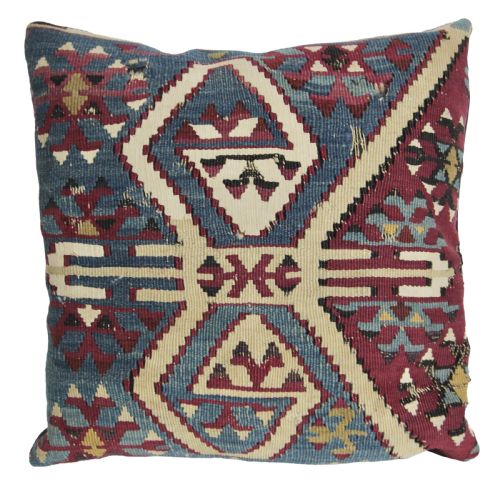

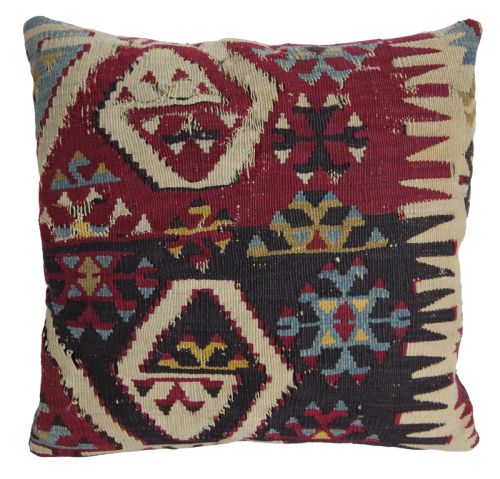


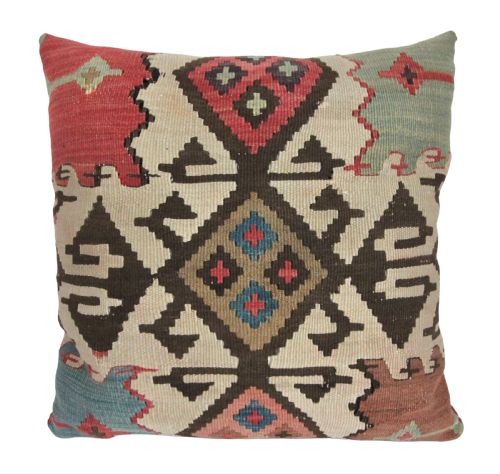
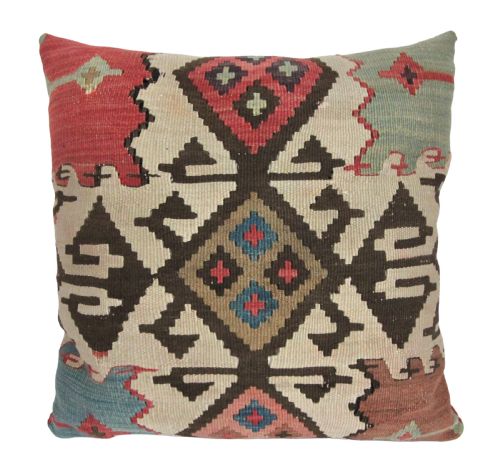


Tribal Kilim Scatter Cushion
These tribal kilim scatter cushion examples bring rich pattern and historical textile work into modern interiors.
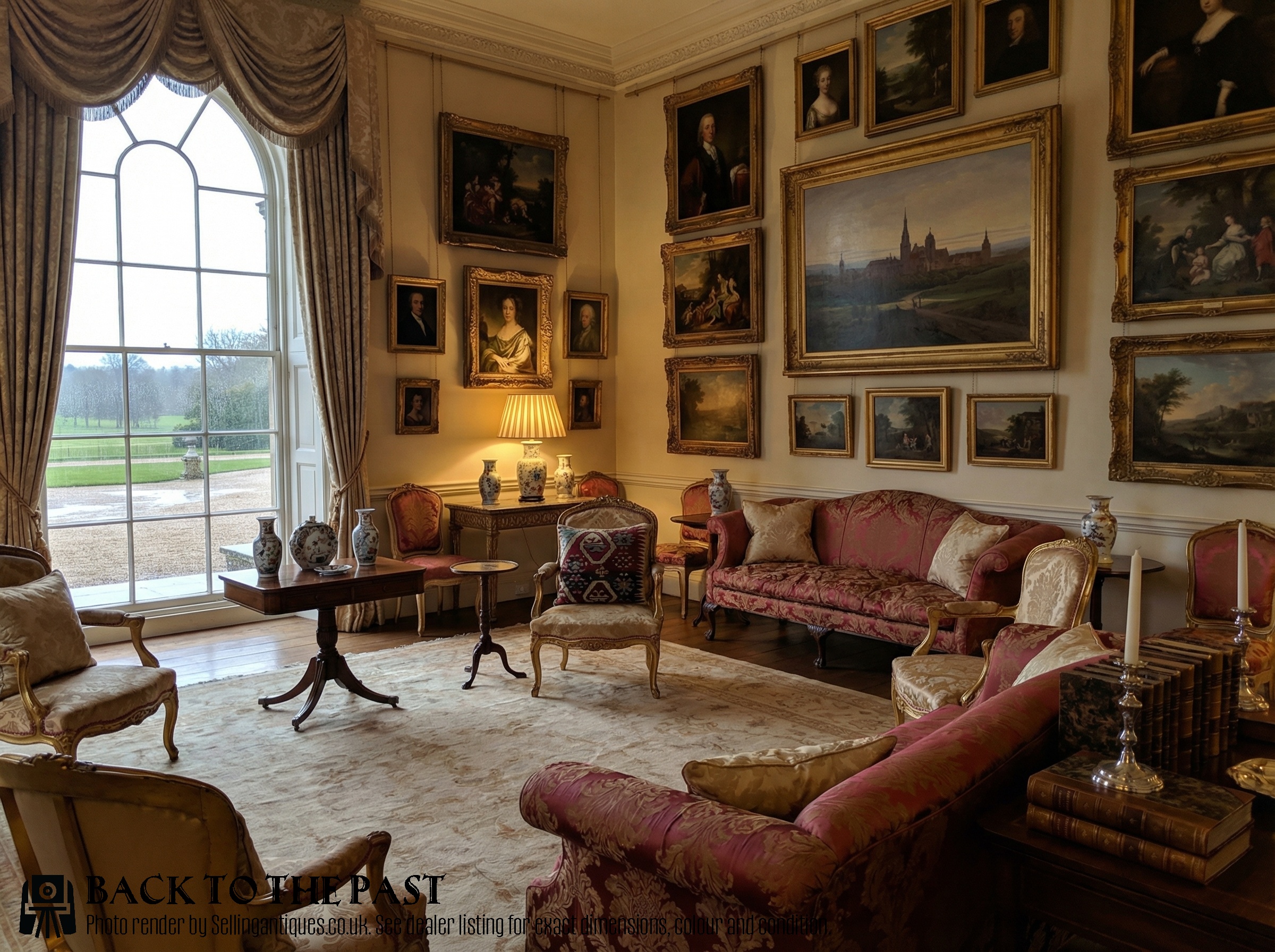
Tribal Kilim Scatter Cushion
A tribal kilim scatter cushion transforms flat woven flatweaves into soft furnishings for domestic use. Buyers encounter vintage carpet cushions alongside antique kilim cushion pieces dating from the mid nineteenth century onwards.
Originating from nineteenth century traditions up to the nineteen twenties, these textiles repurpose older flat woven rugs and utilitarian bag faces. Each cushion retains the distinctive geometric patterning of its original nomadic source.
How they were made
Makers utilised wool for the primary flat weave surface, employing slit tapestry weaving techniques to create sharp geometric motifs. Cotton often appears in the backing or structural elements of these constructed items.
Nomadic weavers produced the original panels by hand, utilising dyed wool yarns before repurposing the fragments into cushions. The resulting textiles combine robust construction with intricate flat woven patterns.
Materials recorded across the inventory consist entirely of wool and cotton.
What varies in quality
Quality rests upon the fineness of the original wool weave and the preservation of the flat woven motifs. Earlier nineteenth century examples often display tighter knotting and richer natural dyes than later twentieth century counterparts.
The integrity of the structural conversion from rug or bag face to cushion determines the overall success of the piece. Well executed transformations preserve the central design field without compromising the antique textile.
The Tribal Kilim Scatter Cushion Glossary
- Kilim
- A flat woven carpet or rug produced without a pile, forming the primary textile used in these cushions. This technique allows for sharp geometric patterns.
- Bag face
- The front panel of a utilitarian nomadic storage bag, often repurposed into a smaller scatter cushion. These panels frequently display the most intricate tribal designs.
- Flat weave
- A textile produced by interlocking warp and weft threads without creating a raised pile surface. This construction method keeps the fabric relatively thin and pliable.
- Anatolian
- Pertaining to the historic region of Anatolia, a primary source for traditional tribal flatweaves. Pieces from this area are noted for distinct regional motifs.
Tribal Kilim Scatter Cushion: Frequently Asked Questions
Are these cushions made from old carpets?
Many examples are constructed by repurposing authentic antique kilims and bag faces into soft furnishings.
This method preserves historical flat weaves for modern interior use while retaining their original character.
How do I date an antique kilim cushion?
Dating relies on assessing the wool quality, dye characteristics, and the estimated period of the source textile.
Pieces range from nineteenth century examples to vintage items from the nineteen twenties.
What is a bag face cushion?
A bag face cushion uses the decorated front panel of a nomadic storage sack rather than a larger carpet.
These panels often feature concentrated tribal motifs and smaller dimensions suited for scatter cushions.
Where were these textiles originally made?
The pieces originate from traditional nomadic and tribal weaving cultures, particularly within Anatolian regions.
Weavers produced these flatweaves using locally sourced wool and traditional geometric designs.