
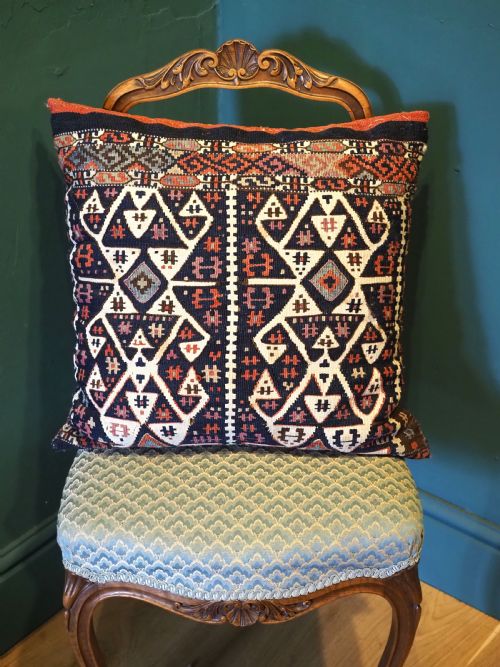


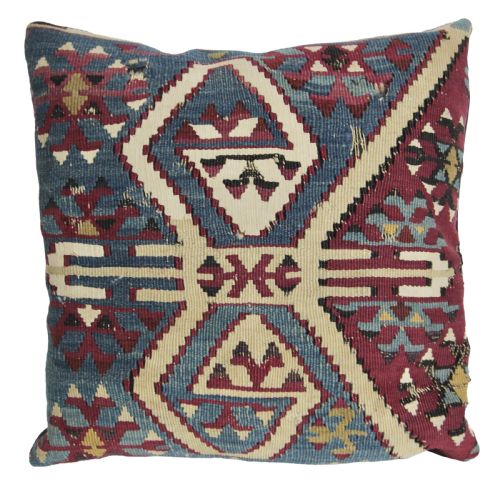
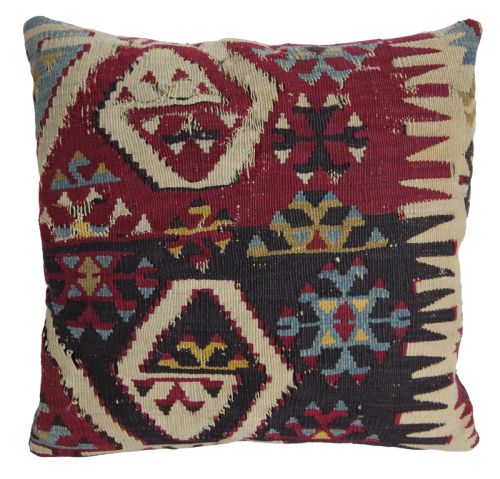


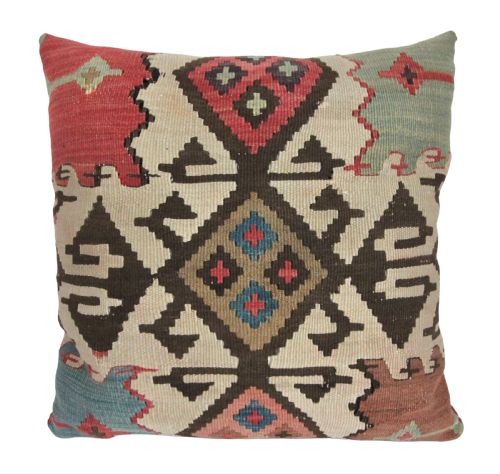
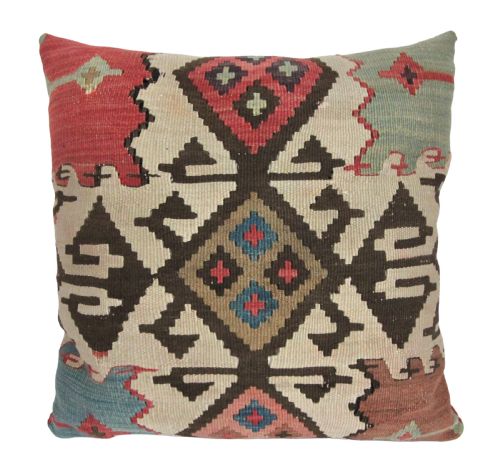


Anatolian Kilim Cushion Cover
An anatolian kilim cushion cover brings rich tribal texture and nomadic history directly into a modern interior.

Anatolian Kilim Cushion Cover
When you search for an anatolian kilim cushion cover, you encounter textiles originating from nineteenth-century Anatolian tribal traditions. These pieces repurpose antique flat-woven rugs and utilitarian bag faces into decorative home furnishings.
The versions most commonly met on this page span from the mid-nineteenth century up to nineteen-hundred. They showcase traditional nomadic designs shaped by generations of weavers working with hand-spun materials.
The forms range from square throw cushions to repurposed saddle bags and bag faces. Each item carries the distinct geometric motifs of Anatolian tribal artistry adapted for contemporary seating.
Materials and construction
These pieces rely on wool and cotton as their primary materials, utilising hand-spun fibres that reflect the domestic production methods of nineteenth-century weavers. The reliance on natural wool provides a dense, durable surface that withstands daily use.
The construction involves traditional hand-weaving techniques where weft threads are tightly packed to create flat-woven kilim textiles. Artisans originally fashioned these textiles as functional saddle bags or rugs before their conversion into cushion covers.
Many covers began their journeys as camel bags, carrying provisions across dusty Anatolian plains before finding retirement on a sofa.
Distinctions in quality
The distinction between standard examples and superior pieces rests upon the fineness of the hand-weaving and the clarity of the tribal motifs. Tighter weaves and more complex geometric layouts indicate greater skill on the part of the original weaver.
The integrity of the surviving wool and the subtlety of the natural dye palette also determine the standing of an individual piece. Items retaining robust structural integrity from the nineteenth century command deeper appreciation.
The Anatolian Kilim Cushion Cover Glossary
- Kilim
- A flat-woven carpet or rug produced by tightly interweaving warp and weft strands without a pile. This technique creates a lightweight textile defined by sharp geometric patterns.
- Anatolian
- Pertaining to the historical region of Asia Minor, now modern Turkey. This designation identifies the geographical origin of traditional weaving practices.
- Bag face
- The decorative front panel of a utilitarian nomadic container, such as a saddle bag. These panels were frequently salvaged to be made into cushions.
- Nomadic
- Characteristic of communities that move seasonally, influencing the portable and geometric nature of their textile designs. Tribal weavers incorporated symbols reflecting their surroundings.
Anatolian Kilim Cushion Cover: Frequently Asked Questions
What is an anatolian kilim cushion cover?
An anatolian kilim cushion cover is a decorative home textile fashioned from antique flat-woven carpets produced in nineteenth-century Turkey. These items transform utilitarian tribal weavings into functional accessories for seating.
They preserve traditional nomadic artistry through repurposed fragments of historical saddle bags and rugs. Each cover retains the authentic character of hand-spun wool and regional motifs.
How should I care for wool kilim cushions?
Care for these antique textiles requires gentle treatment to preserve the natural wool fibres and hand-woven structure. Vacuuming with a low suction attachment helps remove dust without disturbing the weave.
Professional specialist cleaning is recommended for heavier maintenance rather than water immersion. Keeping them away from direct sunlight prevents fading of the natural dyes.
How old are these cushion covers?
The pieces seen here date from the nineteenth century, with specific examples recorded from eighteen-fifty, eighteen-seventy, eighteen-ninety, and nineteen-hundred. This timeframe represents the traditional period of Anatolian tribal weaving before industrial dyes became widespread.
Older examples reflect the domestic working methods of nomadic communities. The age is determined through stylistic analysis of the geometric patterns and material testing of the wool.
Where were these textiles originally made?
These textiles originated in the rural and nomadic regions of Anatolia, encompassing parts of modern Turkey. Different tribes developed distinct geometric repertoires and colour palettes that identify their provenance.
Weavers working in domestic settings produced these flat-weaves for daily utility or transport. Over time, surviving fragments found new life as decorative cushion covers for Western interiors.