







Traditional Wool Kilim Pillow
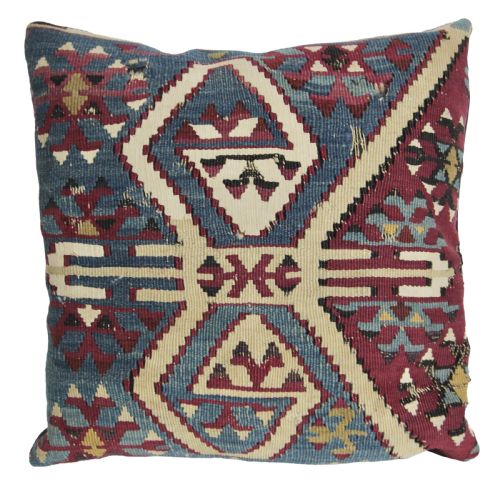
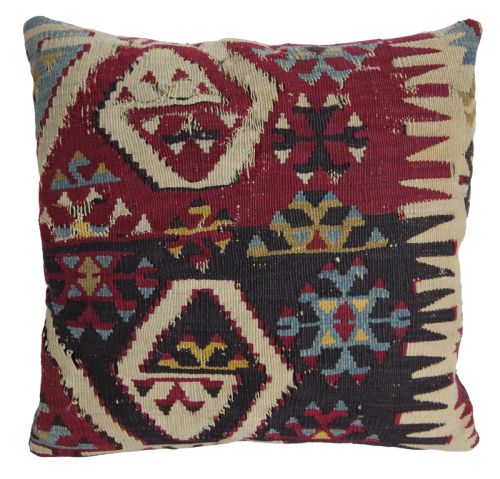
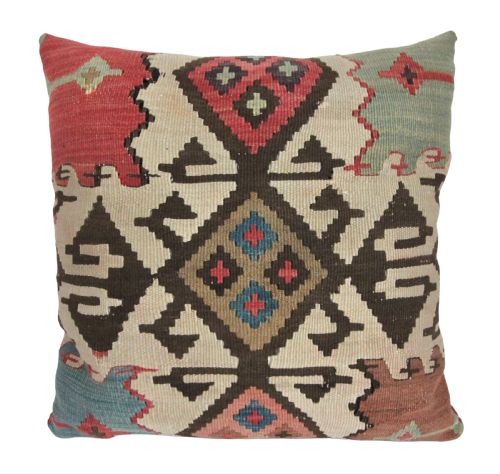
These traditional wool kilim pillow examples bring rich tribal texture and history into a room, offering durability and flatweave character.

Traditional Wool Kilim Pillow
A traditional wool kilim pillow uses flatweave fragments sourced from historic tribal textiles, transforming older rugs and bags into functional cushions. Buyers searching for a traditional wool kilim pillow encounter pieces fashioned from antique textiles dating across the late nineteenth and early twentieth centuries.
The forms on this page include antique kilim cushions, tribal bag face cushions, and pairs of saddle bags originating from regions such as Anatolia, Azerbaijan, and north west Persia. These textiles derive from tribal traditions where flatweave techniques created durable domestic and nomadic items.
Most items on this page date to periods between 1850 and 1920, representing various styles including Anatolian tribal, traditional Anatolian, and Persian tribal designs. Each cushion preserves portions of hand woven surfaces originally made for utility rather than display.
How they were made
The construction relies fundamentally on wool and cotton materials combined through hand weaving techniques. Artisans of the nineteenth and early twentieth centuries employed flatweave methods to produce sturdy textile surfaces without pile.
Makers fashioned bag faces and saddle bags using durable wool yarns, which later provided the dense textiles repurposed into throw cushions and soft furnishings. The integration of cotton often supports the internal structure while wool forms the patterned face.
Many a nomadic camel would be surprised to learn its grocery bags now live on smart sofas as scatter cushions.
What varies in quality
Quality rests in the integrity of the original hand woven textile and the precision of the flatweave pattern. Pieces originating from older nineteenth century periods often display tighter wool spinning and more complex tribal motifs.
The character of the weave depends on regional origins, with Anatolian and Persian examples showing distinct dye palettes and structural density. The preservation of the original bag face or kilim surface dictates the visual strength of the finished cushion.
The Traditional Wool Kilim Pillow Glossary
- Kilim
- A flatwoven textile or rug made without pile, produced by tightly interweaving warp and weft strands. This technique creates a smooth surface utilised in the construction of these cushions.
- Bag Face
- The decorative front panel of a nomadic storage bag, often salvaged and converted into a cushion. These panels preserve the primary motifs designed by tribal weavers.
- Flatweave
- A textile technique where no knots are tied, resulting in a thin, tapestry-like fabric. This method defines the construction of traditional kilims and related soft furnishings.
- Saddle Bag
- A paired utilitarian carrier used for transport on animals, featuring woven compartments. Surviving examples are frequently separated and repurposed into decorative cushions.
Traditional Wool Kilim Pillow: Frequently Asked Questions
What is a traditional wool kilim pillow?
A traditional wool kilim pillow is a cushion fashioned from flatwoven antique textiles, utilising historic wool rugs and bag faces. These items convert nomadic flatweave pieces into functional soft furnishings.
Such cushions incorporate fragments dating from the nineteenth and early twentieth centuries, preserving tribal weaving traditions from regions like Anatolia and Persia.
Where do these cushions originate?
The pieces originate primarily from Anatolian and Persian tribal workshops, reflecting distinct regional weaving styles. Makers in these areas produced flatwoven textiles for nomadic and domestic utility.
Specific origins noted in the listings include Azerbaijan and north west Persia, alongside broader Anatolian tribal traditions.
How do I care for wool kilim cushions?
These cushions require gentle maintenance appropriate for antique wool textiles. Dry cleaning or careful surface cleaning preserves the integrity of the hand woven flatweave.
Avoiding excessive direct sunlight protects the natural wool yarns and traditional dyes from fading over time.
How are periods identified?
Periods are determined by examining the weave structure, wool quality, and regional design characteristics. Surviving examples on this page span dates from 1850 through 1920.
Stylistic markers specific to Anatolian and Persian tribal weaving help distinguish the manufacturing era of the source textile.