

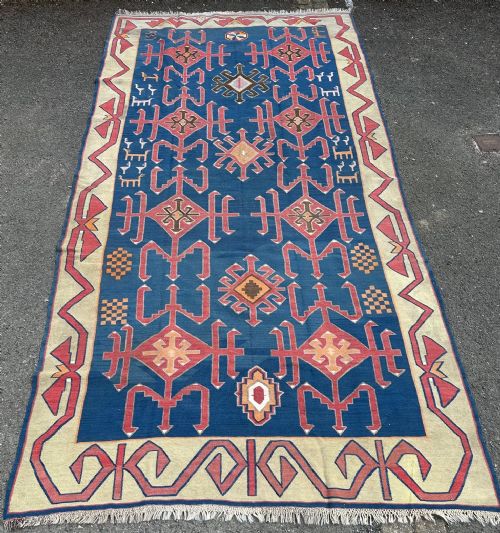


Tribal Flatweave Carpet
A tribal flatweave carpet brings striking geometric patterns and authentic nomadic character into a room.
Tribal Flatweave Carpet
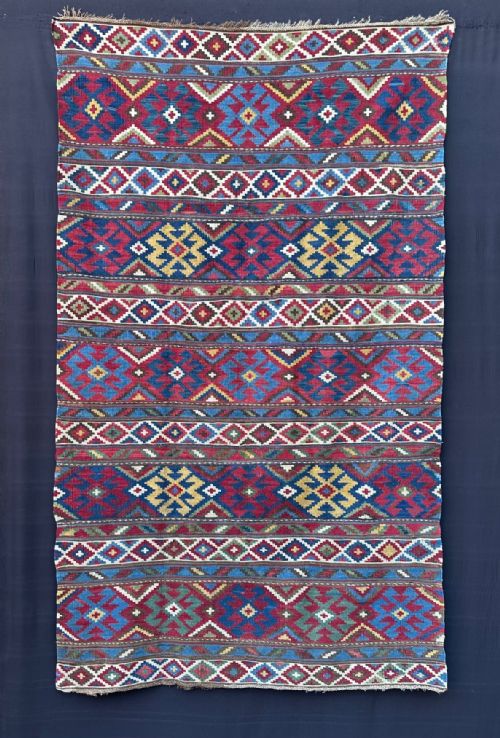
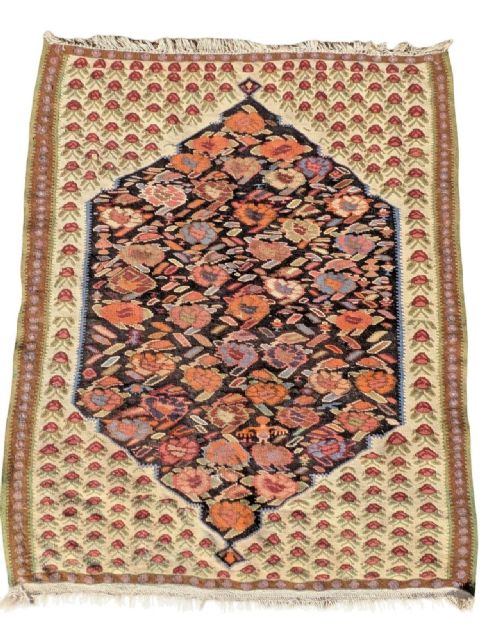
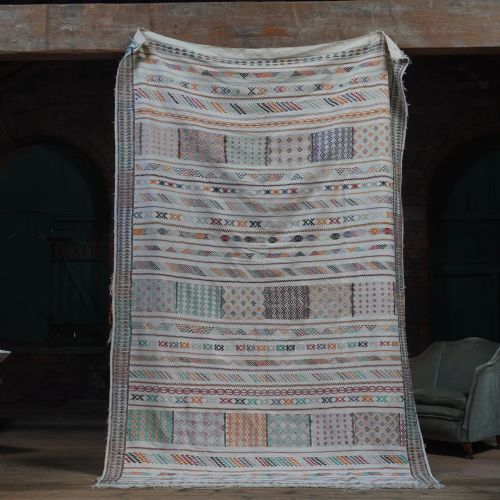
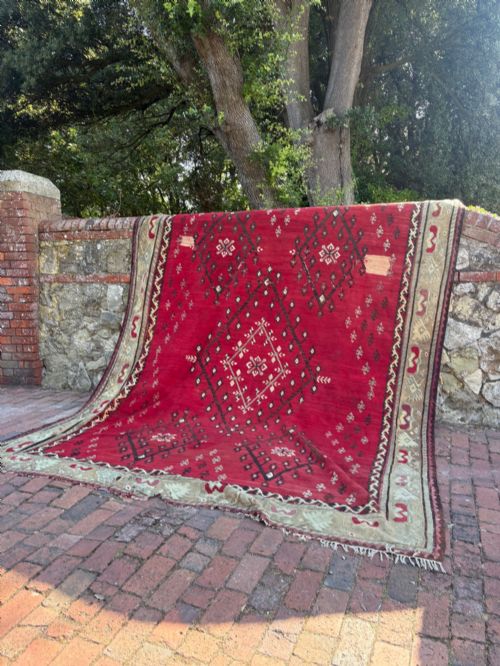
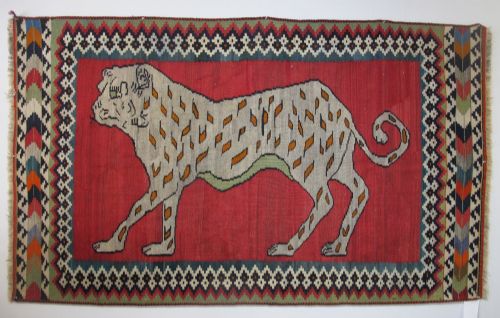
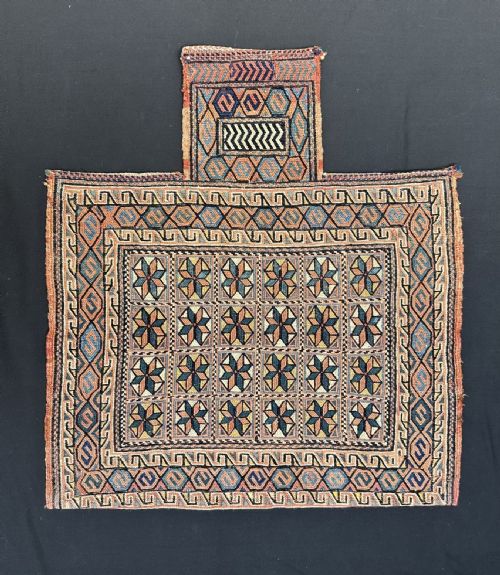
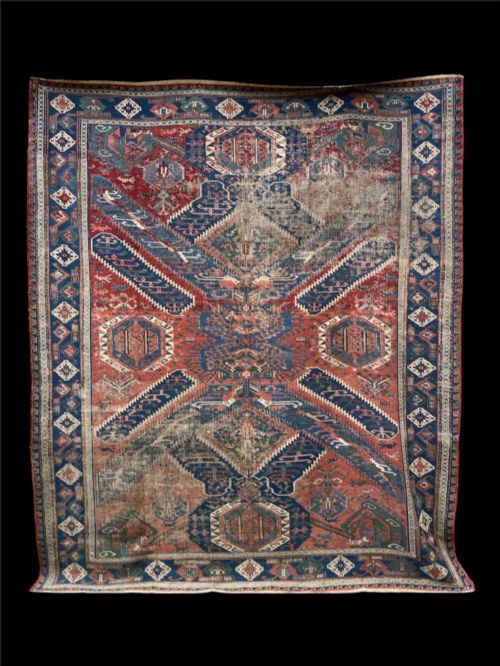
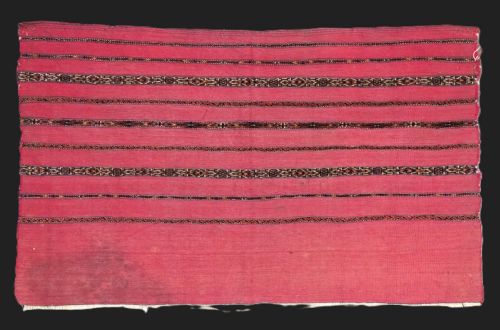
A tribal flatweave carpet is a woven textile lacking a piled surface, produced by nomadic and village weavers across regions such as the Caucasus, Persia, Central Asia, and the Balkans. When exploring this selection, buyers encounter formats ranging from compact rugs to elongated runner rugs and expansive area rugs.
The pieces currently featured span a chronology from the mid nineteenth century through to the early twentieth century. Common stylistic traditions represented include Caucasian tribal, Uzbek tribal, Persian tribal, and Balkan traditional designs.
Each regional group utilises distinct structural patterns and colour palettes, offering visual depth through flat-woven surfaces. These textiles served practical functions within nomadic settlements before finding a place in domestic interiors.
Materials and construction methods
Every piece recorded in the inventory is fashioned from wool, frequently specified as hand-spun wool, which provides a durable and tactile foundation for the flatweave structure. This organic fibre takes dye readily, resulting in the characteristic rich texture observed in older nomadic textiles.
The coloration relies upon natural dyes, producing earthy tones and vibrant hues that age gracefully over decades of exposure and wear. Weavers interlocked or slit-wove the weft threads through the warp to create crisp geometric motifs without the use of a pile.
Tribal Flatweave Carpet Retail Price Guide 2026
Typical asking prices for tribal flatweave carpet among the pieces listed under this phrase on Sellingantiques today, from the lower quarter to the upper quarter. They describe what is for sale here now, not the wider market.
Nomadic weavers often incorporated deliberate minor irregularities into their geometric patterns to ward off evil spirits.
Distinctions in quality
The upper tier of these flatweaves is distinguished by exceptional tightness of the weave and precision in the geometric execution of regional motifs. Master weavers achieved remarkably straight lines and complex banded or medallion layouts that require immense skill in tension control.
Material selection also dictates standing, with superior examples exhibiting lustrous hand-spun wool and deeply saturated natural dyes that retain their vibrancy. The sophistication of the regional design vocabulary, from Shirvan to Senneh, elevates certain pieces above standard village production.
The Tribal Flatweave Carpet Glossary
- Kilim
- A flat-woven carpet or rug produced without a pile, traditionally made by nomadic and village weavers across the Near East and Central Asia.
- Warp
- The vertical threads stretched tightly on the loom that form the structural foundation of the textile.
- Weft
- The horizontal threads passed through the warp to create the visible pattern and colour of the flatweave.
- Natural Dyes
- Colourants derived from plant, insect, and mineral sources rather than synthetic chemicals, characteristic of older textiles.
- Runner
- A long and narrow format of carpet designed for hallways, corridors, or alongside furniture.
Tribal Flatweave Carpet: Frequently Asked Questions
What is a tribal flatweave carpet?
A tribal flatweave carpet is an unpiled textile created by nomadic or village weavers, characterised by flat surfaces and geometric designs.
These pieces were traditionally woven on portable looms using wool and natural dyes for daily use in tents and dwellings.
How do I care for a flatweave rug?
Care involves gentle vacuuming without a rotating brush and professional cleaning when necessary to protect the natural wool fibres.
Keeping the textile out of direct, continuous sunlight preserves the integrity of the natural dyes over time.
Where were these carpets made?
The pieces originate from various weaving centres including the Caucasus, Persia, Central Asia, and the Balkans.
Each region developed distinct weaving techniques, dye palettes, and geometric vocabularies that identify their geographical source.
Are these textiles old?
The selection includes antique pieces dating from the nineteenth and early twentieth centuries.
Age is determined by stylistic analysis, structural characteristics, and the specific types of wool and natural dyes employed by the weaver.