


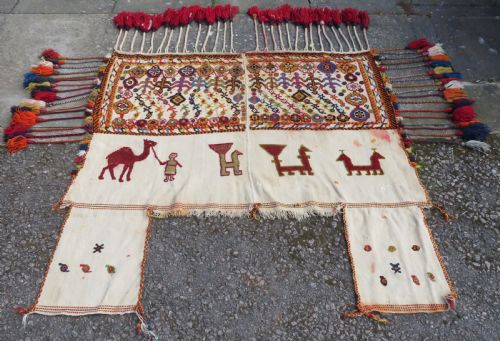

Tribal Equestrian Textile
These tribal equestrian textile pieces are practical coverings and ceremonial blankets created by nomadic groups, offering rich patterns and tactile depth for interiors.
Tribal Equestrian Textile
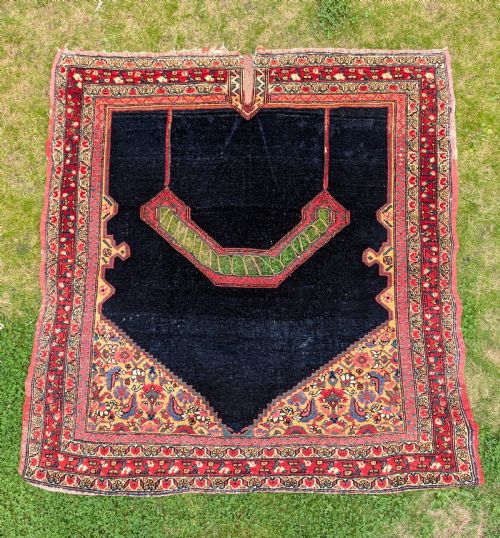
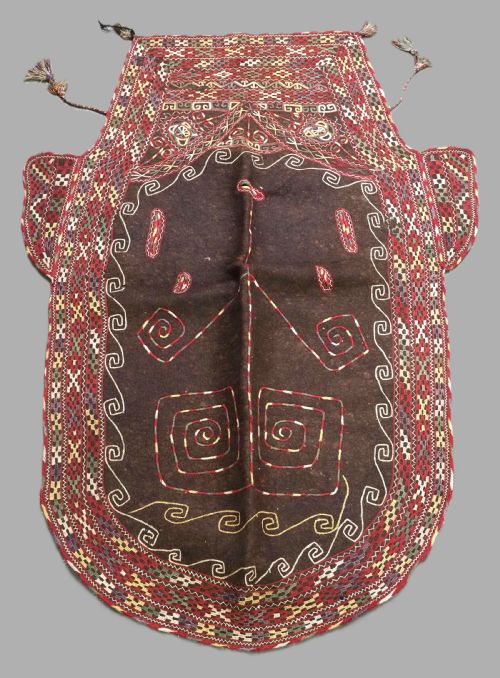
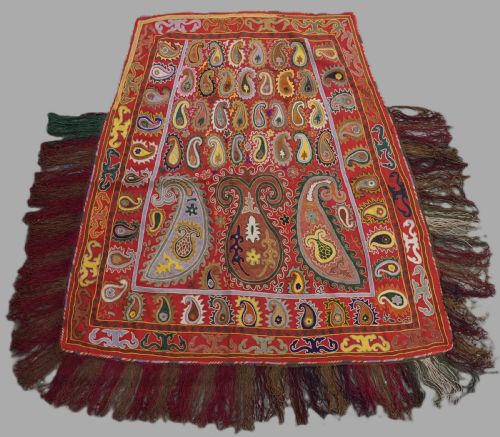
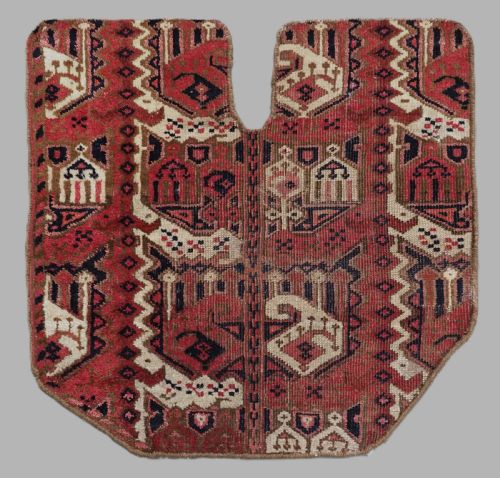
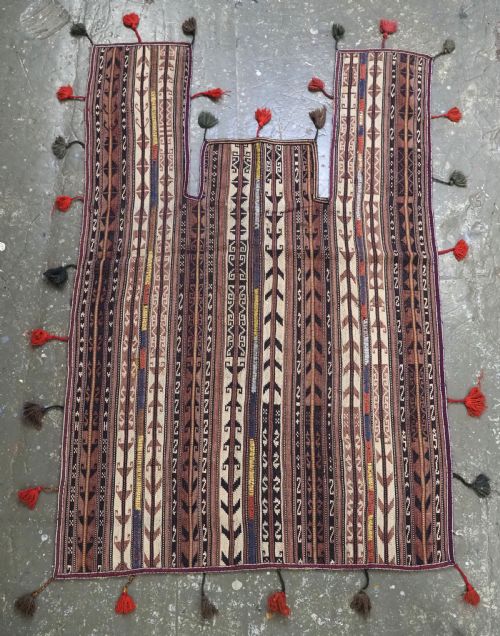
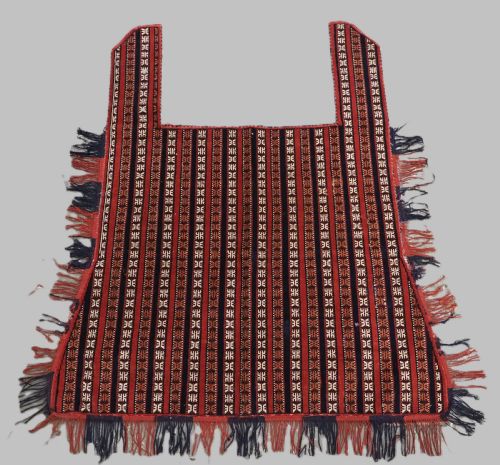
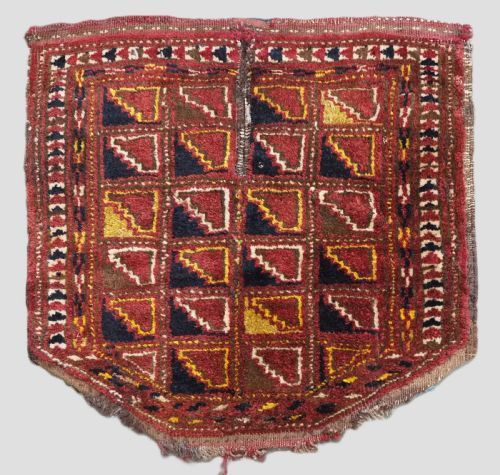
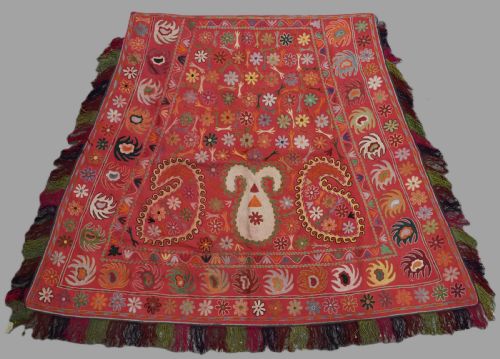
A tribal equestrian textile is typically a saddle cover, horse blanket, or rug produced for working animals or ceremonial occasions by nomadic and village groups. Examples on this page span the late nineteenth century to the early twentieth century, originating from regions such as Central Asia, Persia, and Tibet.
The most common forms encountered here are saddle covers and ceremonial horse blankets fashioned by weavers from specific groups including the Yomut, Ersari, and Lakai. These items served both functional roles in daily transport and significant decorative purposes during tribal rituals.
Makers utilised traditional motifs passed down through generations, resulting in distinctive regional designs that identify the origin of each piece. Collectors find works ranging from simple functional saddle rugs to elaborate embroidered felt blankets.
Judging quality and execution
Quality rests upon the fineness of the weave, the intricacy of the needlework, and the preservation of the natural dyes. Pieces with tight knotting and precise geometric or curvilinear layouts demonstrate superior craftsmanship by the weaver.
The condition of the wool, felt, and cotton threads dictates the integrity of the textile. Strong structural attachment between the base fabric and decorative elements indicates a higher standard of original construction.
Materials across the listings include wool, cotton, silk, leather, and felted wool, combined with natural dyes.
The Tribal Equestrian Textile Glossary
- Saddle cover
- A textile placed over a horse saddle for protection or decoration. These items often feature specific regional patterns.
- Ceremonial felt
- Wool processed into a thick, non-woven fabric used for ritual horse blankets. This material provides a dense base for subsequent embroidery.
- Natural dyes
- Colourants derived from plants, insects, and minerals used to pigment textile fibres. They yield varied, subtle tones that age gracefully.
- Embroidery
- Decorative needlework applied to a finished woven or felt ground. Artisans use silk and cotton threads to build complex patterns.
Tribal Equestrian Textile: Frequently Asked Questions
What is a tribal equestrian textile?
These items are horse blankets, saddle covers, and rugs made by nomadic weavers for practical transport or ceremonial events.
They display the distinct artistic traditions of groups across Central Asia, Persia, and Tibet during the nineteenth and early twentieth centuries.
How were these horse blankets used?
Nomads placed these textiles on horses for daily riding, transport, and significant communal ceremonies.
Elaborate embroidered versions functioned primarily as display pieces during festivals and tribal gatherings rather than everyday riding gear.
How do I date these textiles?
Dating relies on material analysis, dye characteristics, and stylistic comparisons with documented examples from the nineteenth and early twentieth centuries.
Changes in thread composition and weave structure help distinguish works from the eighteen-eighties through to the nineteen-twenties.
How should I display a horse cover?
These textiles adapt well to wall mounting or placement on flat surfaces where the weave and embroidery remain visible.
Proper support prevents strain on the historical wool, cotton, and felt structures over long periods.