


Vintage Horse Cover Textile
These vintage horse cover textile pieces are striking tribal furnishings that bring rich nomadic history and texture directly into a room.
Vintage Horse Cover Textile
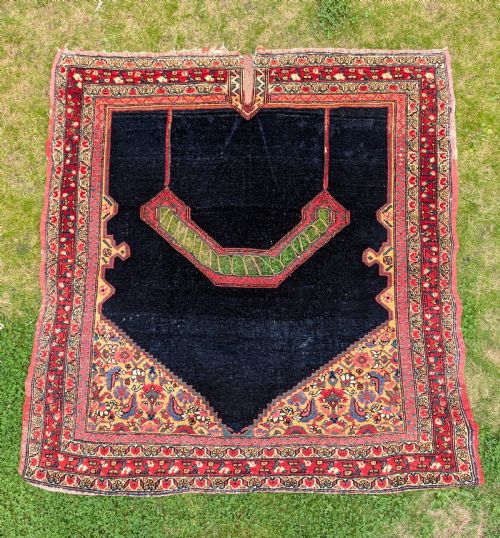
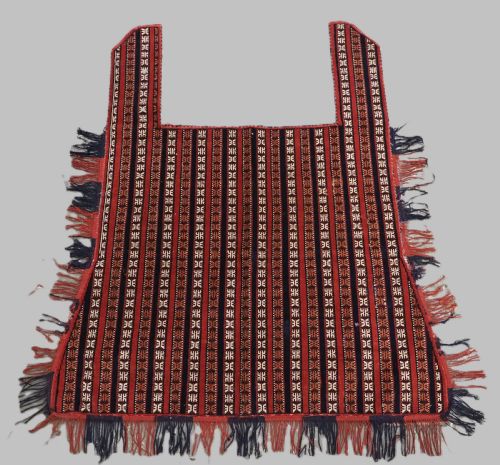
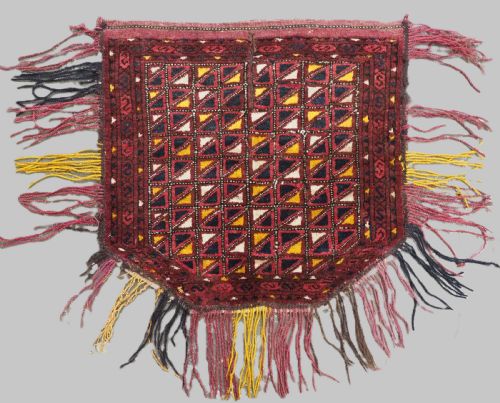
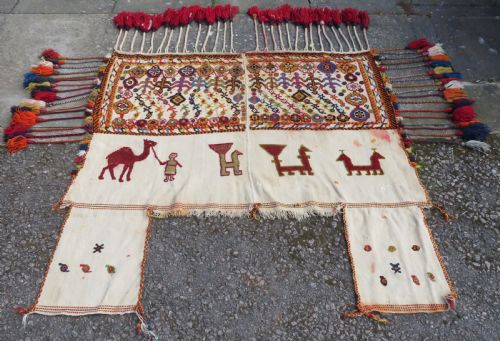
A vintage horse cover textile represents a functional object of Central Asian, Persian, or Tibetan nomadic life repurposed for interior display. When you search for this phrase, you encounter ceremonial saddle blankets, rugs, and horse covers originating from tribal groups such as the Yomut Turkmen, Lakai, Ersari, and Qashqai.
These items primarily date from the late nineteenth century through the early decades of the twentieth century. They served practical equestrian roles or ceremonial functions during community gatherings and weddings before finding preservation in collections.
Materials and construction
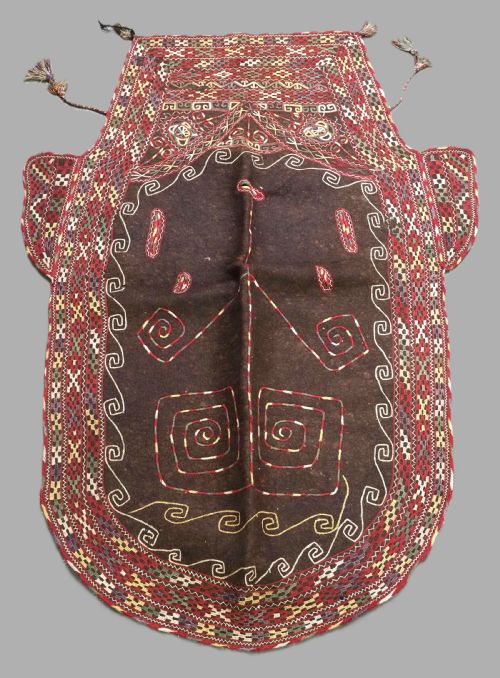
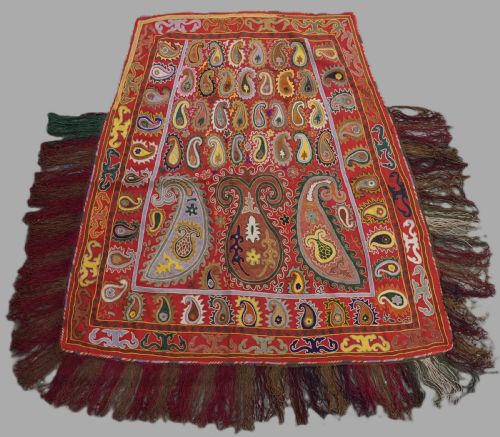
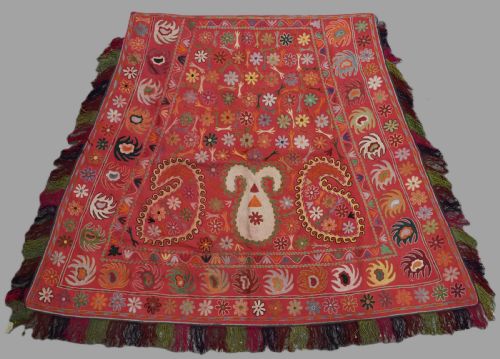
The construction relies heavily on wool, felted wool, and cotton, often enhanced with silk thread embroidery. Artisans utilised durable natural fibres capable of withstanding harsh pastoral conditions.
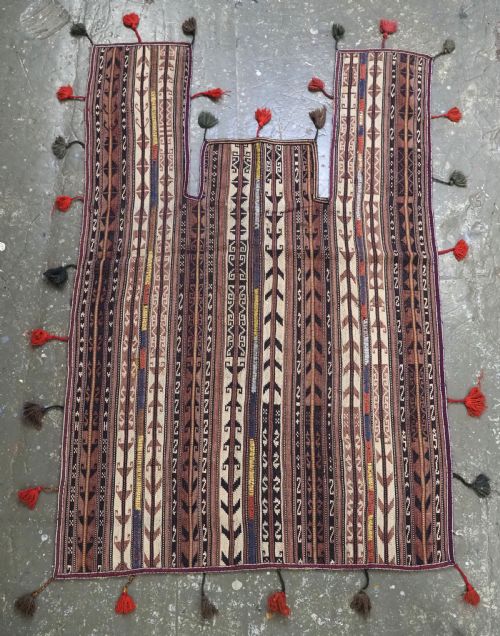
Needlework techniques display intricate surface decoration, while surviving examples occasionally retain original elements like woollen tassels and leather reinforcements.
Several horse blankets proudly retain their original tassels, ensuring the old nomads' mounts still look properly dressed for a wedding.
Assessing quality in nomadic textiles
Quality rests upon the density of the weave, the complexity of the tribal iconography, and the vibrancy of the natural dyes used in the wool or cotton. Finer pieces demonstrate superior precision in their needlework and firmer structural integrity.
The retention of original subsidiary elements, such as tassels and borders, distinguishes well-preserved specimens from those that have undergone extensive losses.
The Vintage Horse Cover Textile Glossary
- Ceremonial felt
- Felted wool created specifically for significant cultural rituals rather than daily equestrian utility. This material provides a dense ground for decorative stitching.
- Saddle cover
- A textile designed to fit over an animal saddle, often featuring heavy pile or flatweave construction. Many examples function equally well as small floor rugs or wall hangings.
- Tribal embroidery
- Needlework executed by nomadic groups using wool, cotton, or silk thread. These geometric and figurative patterns identify the specific regional group of origin.
- Tassels
- Ornamental tufts of yarn attached to the edges of blankets or rugs. Original tassels indicate a high degree of preservation.
- Nomadic weaving
- Textile production carried out by pastoral peoples using portable looms. The resulting designs reflect ancestral tribal motifs passed down through generations.
Vintage Horse Cover Textile: Frequently Asked Questions
How do I hang a vintage horse cover textile on the wall?
Mounting requires a method that distributes the weight evenly across the upper edge without puncturing the fabric. Utilising a fabric sleeve stitched to the reverse or a padded wooden batten protects the structural integrity of the wool and cotton.
Avoid using direct clips or nails that concentrate tension on a single spot. Proper distribution prevents stretching and maintains the flat alignment of the textile.
Were these blankets used on working horses?
Many surviving examples served distinct ceremonial roles during tribal celebrations, weddings, and processions rather than everyday riding tasks. The presence of fine silk embroidery and delicate felt indicates specialised use.
Practical equestrian gear experienced heavier wear, whereas ceremonial items received careful preservation within the community.
How do I clean a vintage wool horse cover?
Routine maintenance involves gentle surface vacuuming through a mesh screen to remove loose dust. Professional textile conservation cleaning remains the safest approach for addressing deep dirt or staining.
Water washing without specialist knowledge can cause dye bleeding and shrinkage in antique wool and silk threads.
How do I identify which tribe made a textile?
Attribution relies upon analysing the specific colour palette, structural weave, and characteristic geometric or figurative motifs. Groups like the Lakai, Yomut Turkmen, and Qashqai employed distinct visual vocabularies.
Comparing border designs and embroidery styles against documented tribal examples helps determine the likely regional origin.