
Red Tribal Textile
A red tribal textile brings the robust practical artistry of nomadic life into modern spaces through woven bags, covers, and wall hangings.
Red Tribal Textile
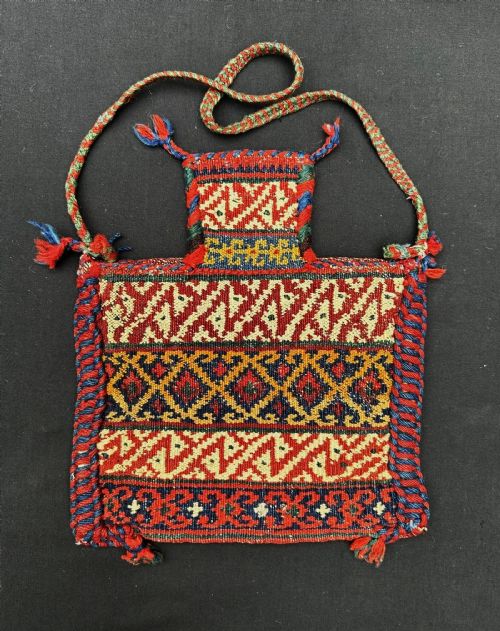
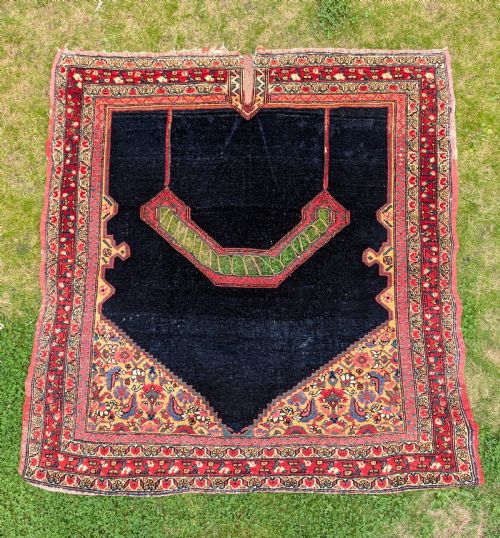
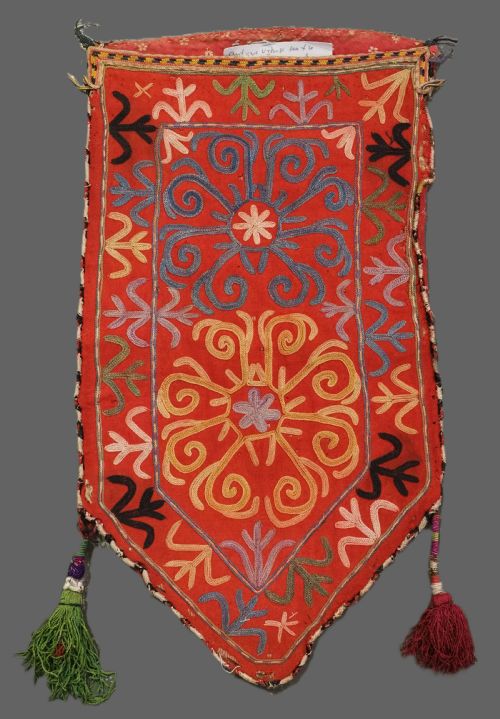
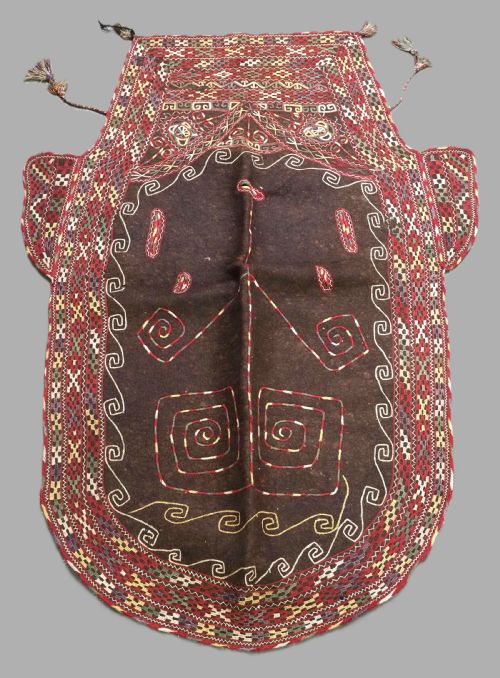
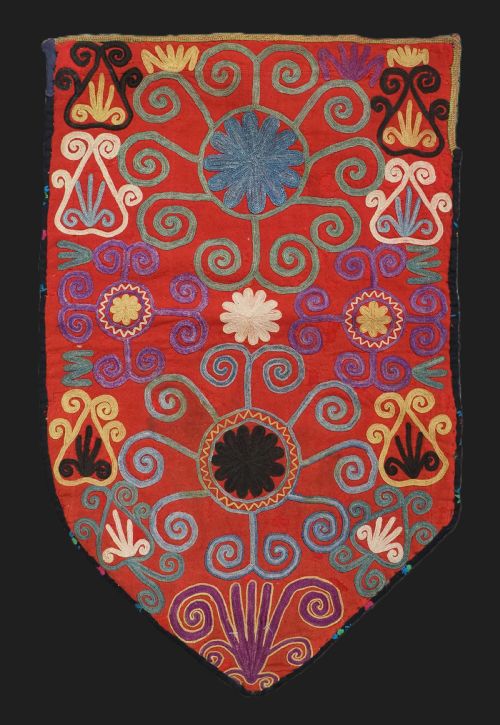
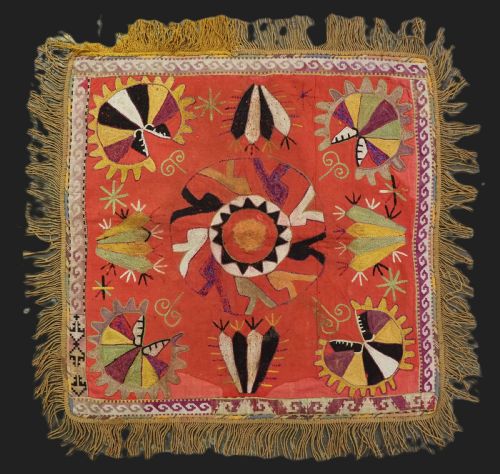
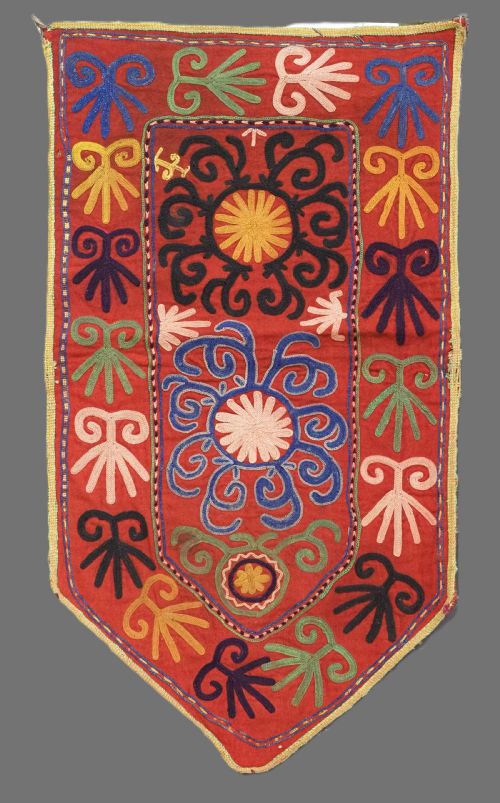
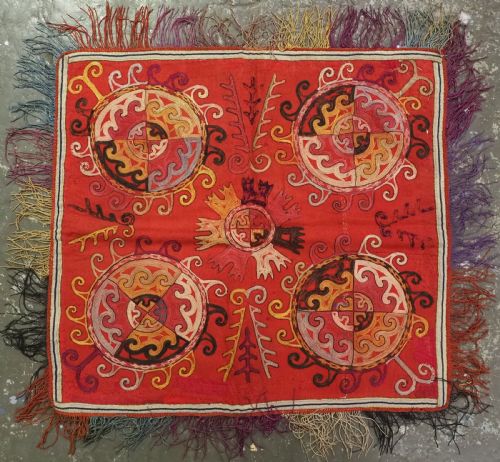
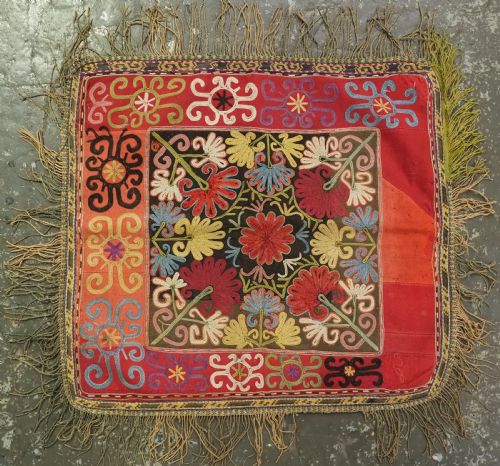
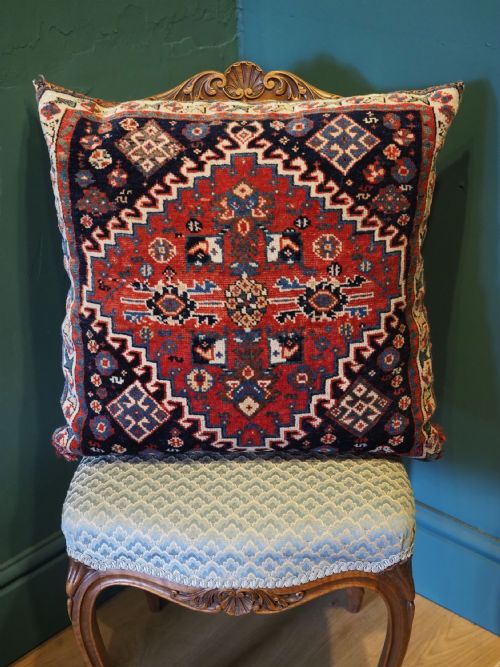
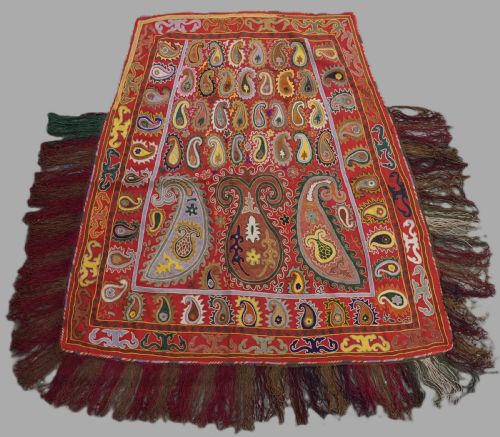
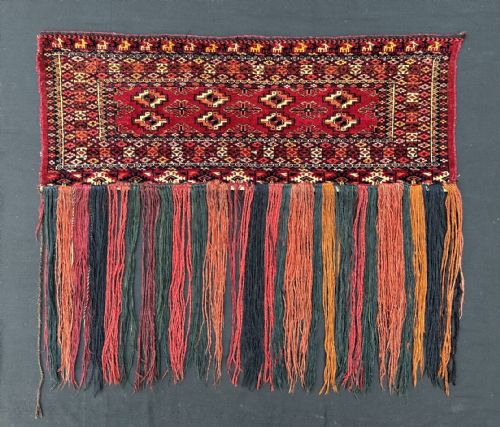
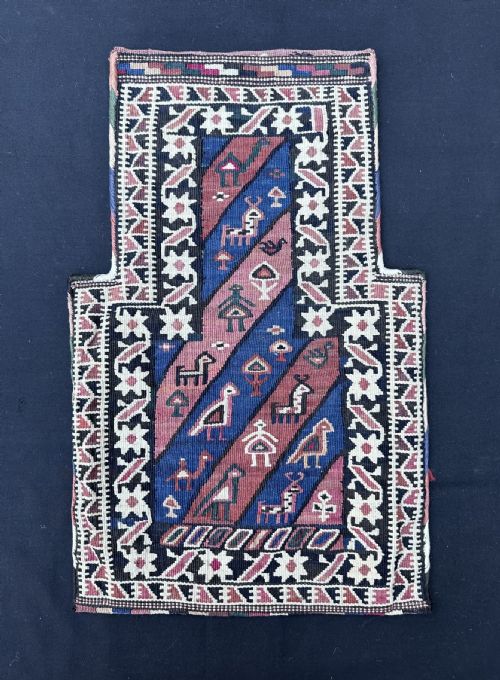
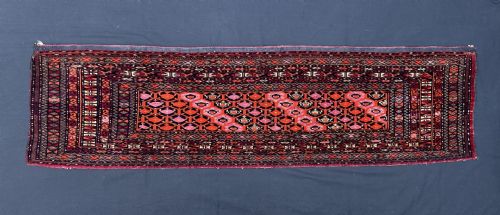
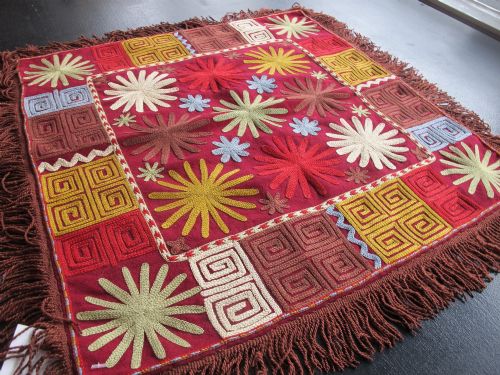
The selection on this page centres on authentic nomadic expressions, featuring works attributed to groups like the Uzbek Lakai, Yomut Turkmen, and Qashqa'i confederacies. These pieces range from finely embroidered felt wall hangings to woven saddle-bag faces intended for transport and camp use.
Makers produced these objects using traditional geometric and symbolic motifs relevant to their specific tribal heritage. Surviving examples reflect the material culture of pastoral communities operating across distinct regional landscapes.
How they were made
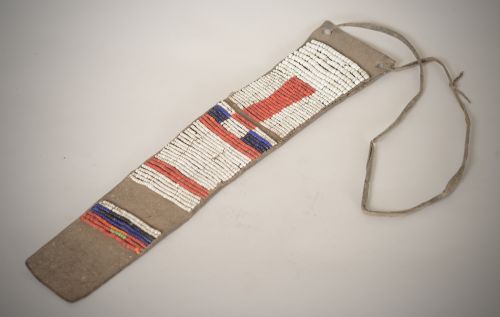
Nomadic artisans constructed these textiles primarily using hand-spun wool, cotton, and occasionally silk thread, relying on natural dyes to achieve deep red and secondary hues. Artisans integrated structural elements such as leather and glass beads into specific decorative pieces.
Techniques varied between pile weaving for robust rugs and intricate surface embroidery on wool or felt grounds. Specialised formats like double-faced embroideries and ceremonial felt horse blankets required meticulous hand-stitching by tribal makers.
Listings span periods from the mid-nineteenth century through the early twentieth century, highlighting nomadic output from Persia and Central Asia.
What varies in quality
Quality in a red tribal textile rests upon the density of the weave or the precision of the needlework, alongside the depth and integrity of the original natural dyes. Superior examples exhibit tightly packed foundations, resilient materials, and confident execution of traditional tribal motifs.
The preservation of original structural components, such as tassels, backing fabrics, and selvedges, distinguishes more complete survivals from heavily altered pieces. The harmony of the palette and the clarity of design layout further separate standard utility items from exceptional tribal works.
The Red Tribal Textile Glossary
- Asmalyk
- A ceremonial pentagonal camel trapping traditionally produced by Turkmen tribes, often displayed during wedding processions. These pieces were mounted on the flanks of the bride's camel.
- Ilgich
- A Central Asian embroidery type created primarily by Lakai women as dowry items or wall hangings. They feature dynamic applique and chain stitch work on felt or fabric grounds.
- Jollar
- A Turkmen bag face or storage sack designed for tent use, featuring characteristic tribal gul motifs. These functional pieces held household goods within the nomadic dwelling.
- Uut Kap
- A small storage bag used inside nomadic tents, frequently associated with the Lakai tribe of Uzbekistan. They are often double-faced and heavily embroidered.
- Natural Dyes
- Organic colourants derived from plants, insects, and minerals used to dye wool and silk before synthetic alternatives became widespread. These materials yield rich, complex tones that age with distinct patination.
Red Tribal Textile: Frequently Asked Questions
How were these tribal textiles used originally?
Nomadic communities utilised these woven and embroidered pieces for daily practical functions within their camps and during migration. Items served as saddle bags, animal decorations, storage sacks, and ceremonial horse blankets for weddings.
Over time, these utilitarian objects became repositories of tribal identity and artistic expression, passing down through generations before entering the collector market.
How do I care for an antique textile at home?
Display these textiles away from direct sunlight to protect natural wool fibres and organic dyes from fading. Gentle vacuuming through a mesh screen helps remove dust without damaging fragile embroidery or pile.
Avoid hanging heavy pieces by single points to prevent distortion of the foundational weave. Professional textile conservators should handle any necessary cleaning or structural stabilization.
How can I tell different tribal groups apart?
Tribal attribution relies on distinctive structural formats, specific colour palettes, and recurring geometric motifs unique to each region. Turkmen groups often utilise repeating octagonal gul patterns, while Lakai embroideries display energetic curvilinear applique.
Consulting reference literature on specific nomadic confederacies helps connect regional weaving habits with individual surviving pieces.