
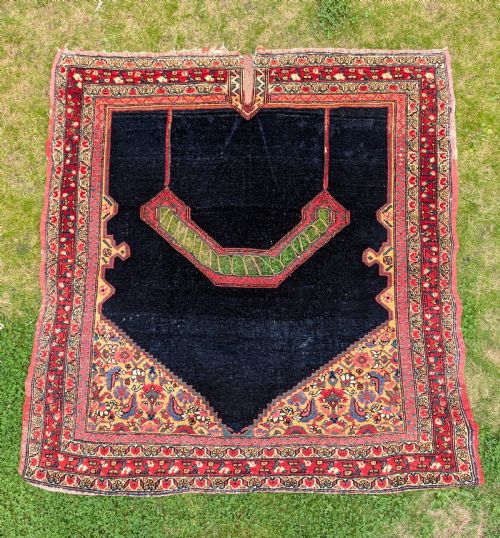
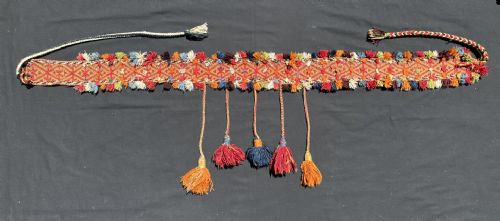
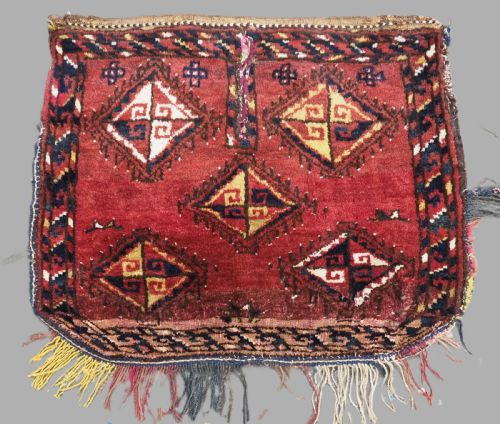
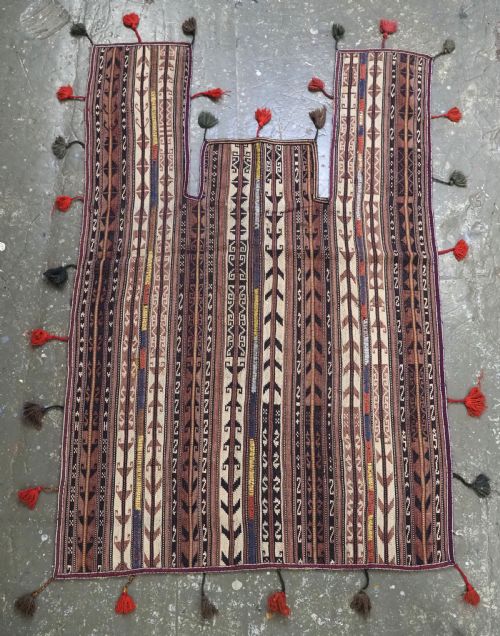



Woven Wool Horse Trappings
These woven wool horse trappings are historic tribal textiles created for working animals, pack beasts and ceremonial displays across Persia and Central Asia.
Woven Wool Horse Trappings
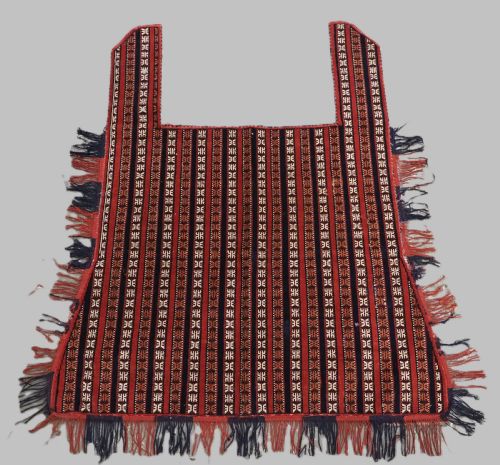
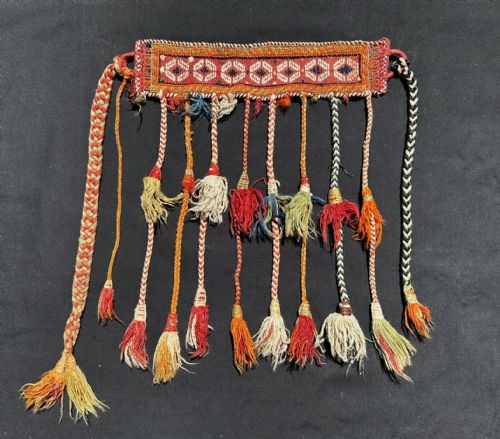
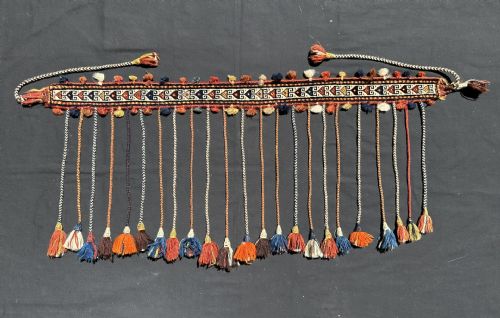
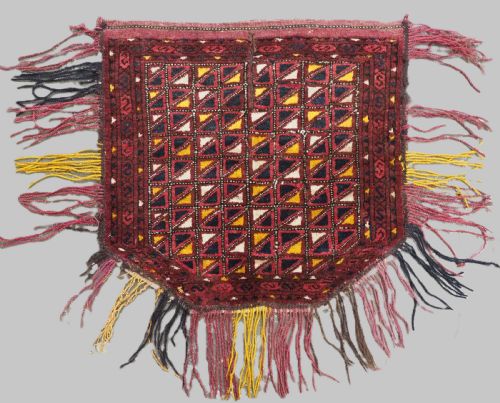
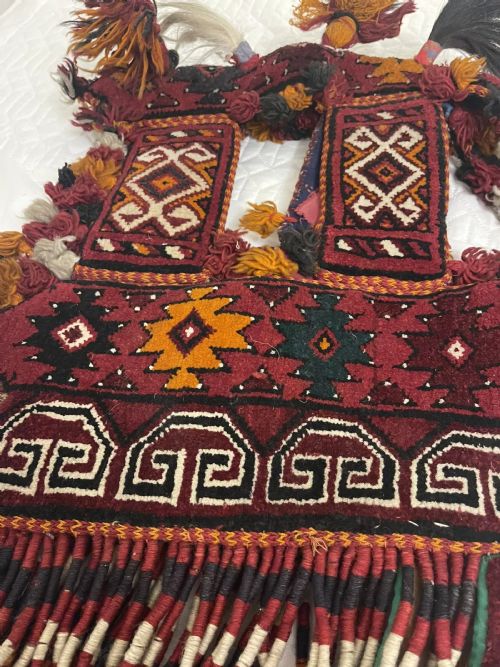
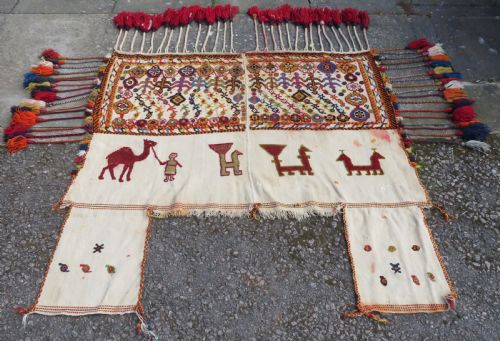
Woven wool horse trappings comprise functional and ceremonial items such as saddle covers, horse blankets, rugs and headdress garments produced by nomadic groups. These pieces stem from the nineteenth century and the early decades of the twentieth century, originating from regions including Persia, Uzbekistan and Afghanistan.
The objects take forms designed specifically for riding and animal adornment, including saddle rugs, neck dress garments and animal decorations. Tribal groups such as the Qashqai, Yomut Turkmen and Ersari produced these items for practical use and cultural rituals, often applying intricate geometric patterns.
Buyers encountering this selection will find examples ranging from South-West Persian nomadic weavings to ceremonial pieces from Central Asia. Each textile reflects the distinct regional aesthetics and tribal traditions of its makers.
How they were made
The construction of these trappings relies principally upon wool and cotton foundations, worked into durable pile or flatweave structures capable of enduring daily equestrian use. Natural dyes provide the palette, yielding deep tones that age gracefully through exposure and time.
Weavers employed traditional tribal knotting and weaving techniques passed down through generations, incorporating original elements like tassels on specific saddle covers. The resulting textiles balance structural resilience with elaborate visual motifs specific to each region.
Listings feature items from the nineteenth century up to nineteen twenty, employing wool, cotton and natural dyes across Persian and Central Asian styles.
What varies in quality
Quality in these tribal trappings rests upon the precision of the weave, the vibrancy and stability of the natural dyes, and the preservation of original edges and tassels. Finer pieces demonstrate tighter knot density and more deliberate execution of complex tribal motifs.
The survival of original structural components, such as tassels and bindings, distinguishes preserved ceremonial garments from heavily altered working examples. The sophistication of the design layout further separates standard utilitarian items from master-woven tribal pieces.
The Woven Wool Horse Trappings Glossary
- Saddle cover
- A textile piece designed to fit over a riding saddle for protection or ceremonial display. These items often feature dense pile weaving and regional motifs.
- Tribal textile
- A piece woven by nomadic or village communities adhering to traditional regional designs. These textiles utilise local materials and natural dyes.
- Pile rug
- A carpet or cover featuring a raised surface formed by knotted vertical yarns. This structure provides durability and warmth for equestrian use.
- Flatweave
- A woven textile produced without a raised pile, relying on the interlacings of warp and weft threads. Such techniques create lighter covers and decorative trappings.
- Natural dye
- Colouring matter derived from plant, animal or mineral sources rather than synthetic compounds. These substances produce the rich, nuanced hues found in older tribal pieces.
Woven Wool Horse Trappings: Frequently Asked Questions
What are woven wool horse trappings?
These pieces are historic textiles made by nomadic and tribal groups for equestrian use, pack animals and ceremonial displays. They include items like saddle covers, blankets and headdress garments.
Originating primarily from Persia and Central Asia during the nineteenth and early twentieth centuries, they combine practical utility with traditional tribal artistry.
How were horse trappings used?
Tribes utilised these textiles on working animals for riding, transport and pack duties where durability was essential. They also served an important role in ceremonies, weddings and festive processions.
Special pieces adorned animals during significant cultural events, reflecting the status and heritage of the nomadic groups.
How do I care for a textile?
Protect these historic wool items by keeping them away from direct sunlight, which can fade natural dyes over time. Gentle, regular vacuuming with a mesh screen protects fragile fibres.
Avoid hanging heavy pieces by single points to prevent distortion of the weave and structure.
How can I tell different tribal styles apart?
Distinguishing styles depends on observing the specific geometric patterns, colour palettes and structural techniques characteristic of different regions. Qashqai pieces from South-West Persia differ noticeably in motif from Yomut or Ersari Turkmen examples.
Examining the materials, such as cotton foundations and natural dyes, helps identify the likely geographic origin.