
Tribal Embroidery Wall Hanging
A tribal embroidery wall hanging brings distinct Central Asian textile art into a room through intricate needlework and traditional motifs.
Tribal Embroidery Wall Hanging
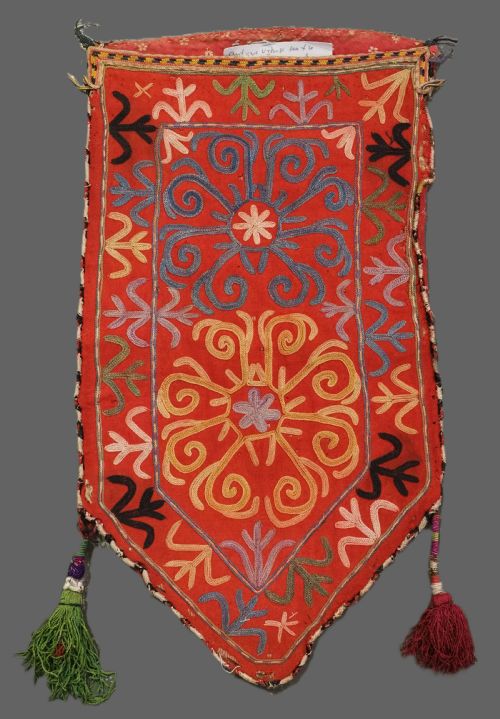
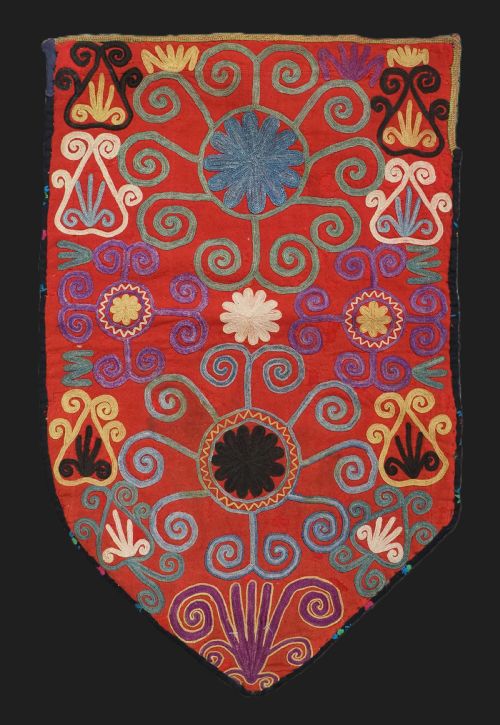
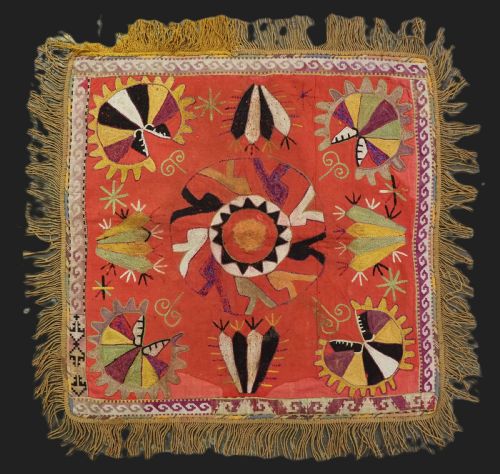
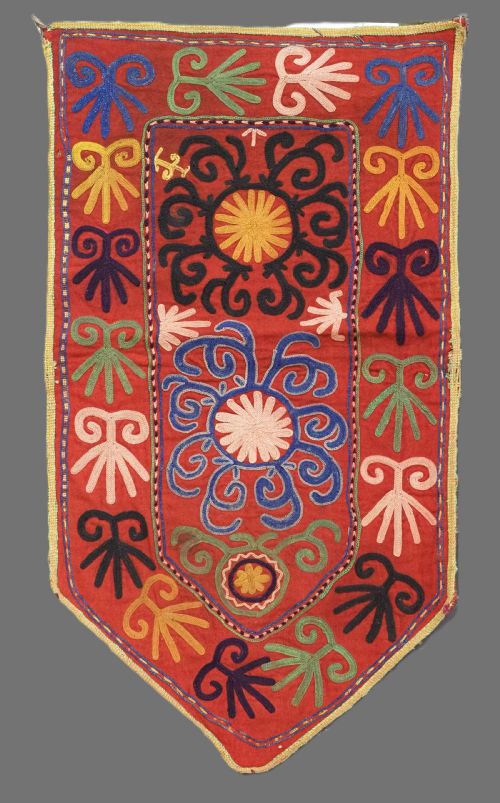
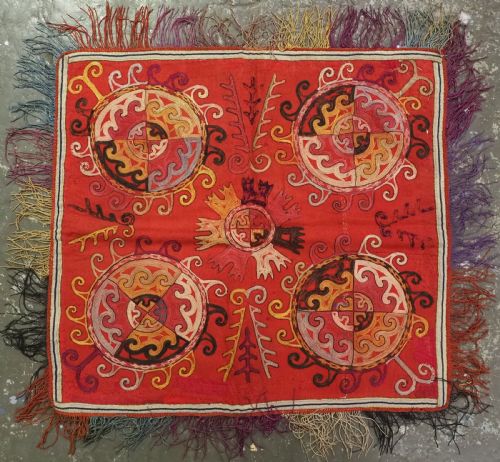
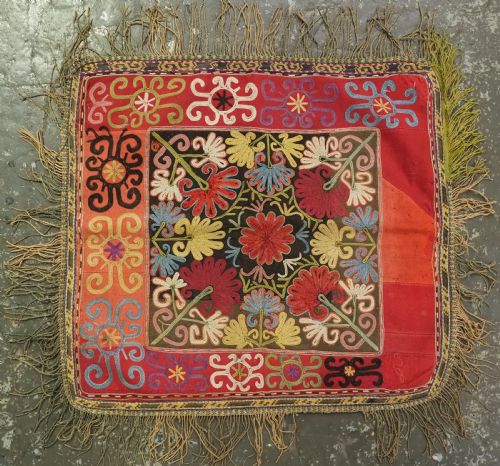
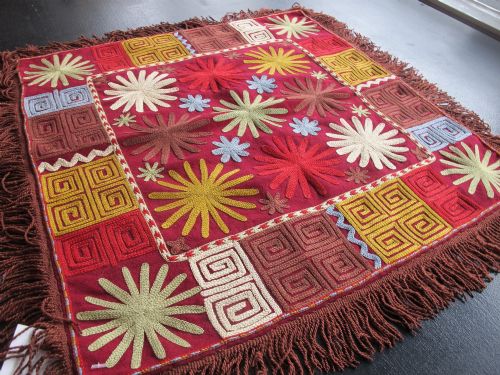
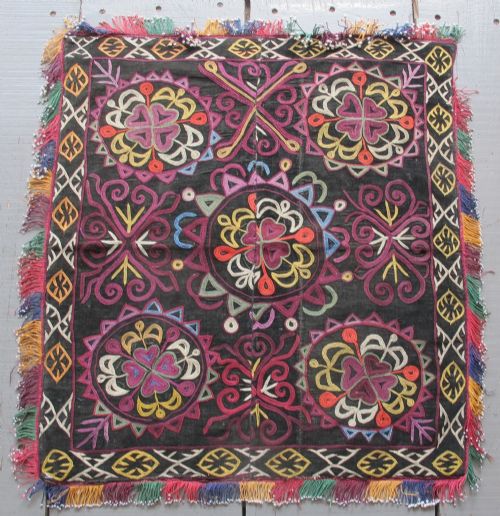
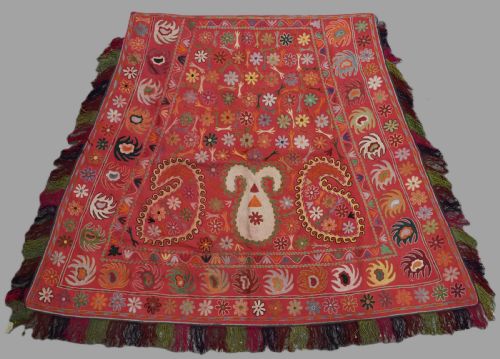
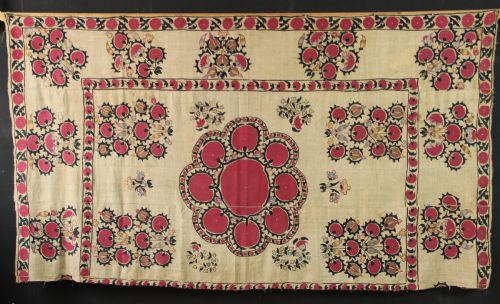
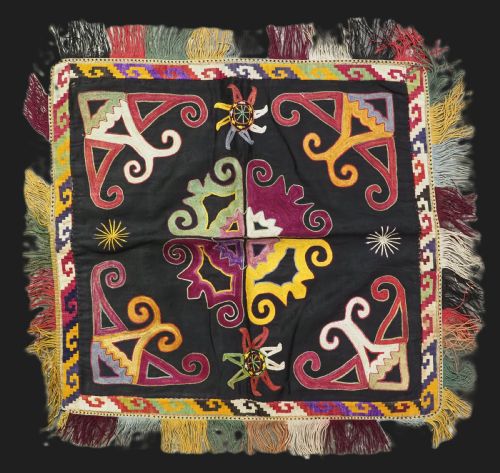
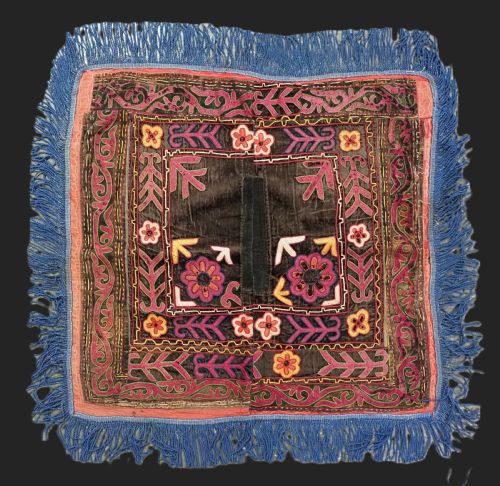
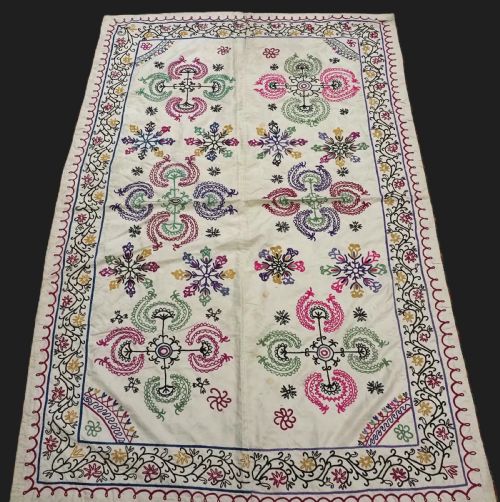
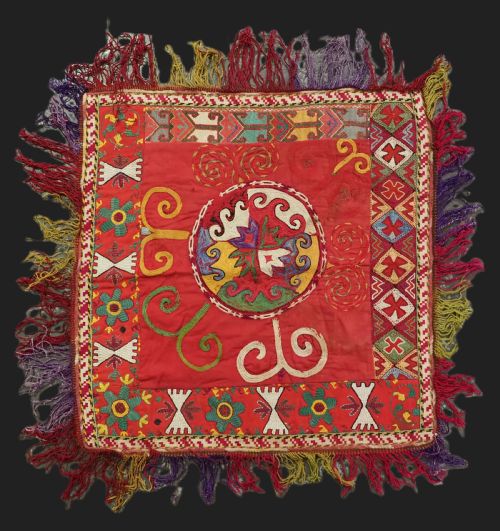
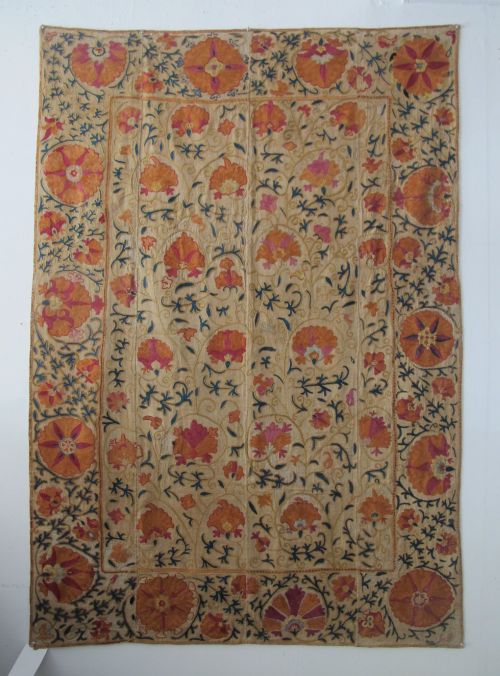
A tribal embroidery wall hanging encompasses diverse regional textiles from Central Asia created across the nineteenth and twentieth centuries. Buyers encounter specific traditional forms including Lakai ilgich wall hangings, dowry embroideries, Suzani panels, and Kyrgyz yurt wall hangings.
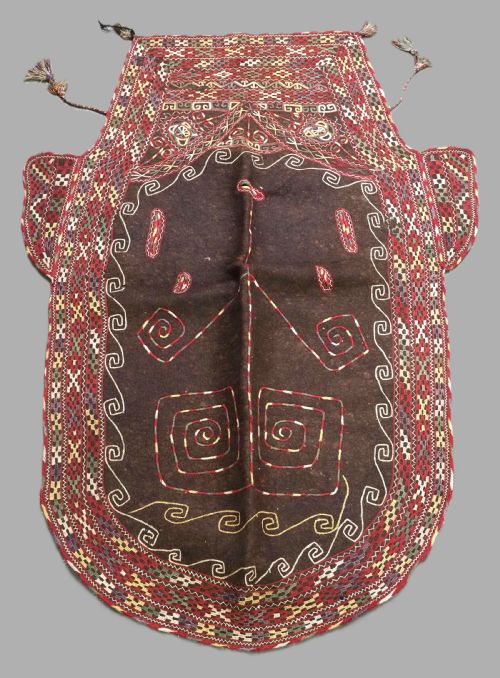
Many items originate from nomadic and semi-nomadic groups in Uzbekistan, including works attributed to Lakai tribes and Yomut or Ersari Turkmen makers. These objects frequently served functional or ceremonial purposes within domestic settings before preservation as decorative textile panels.
Materials and construction
Artisans constructed these textiles using foundational grounds of cotton, wool, felted wool, and silk. Stitchers applied vibrant silk thread embroidery directly onto these supportive surfaces, occasionally incorporating glass beads and wool highlights.
Techniques range from dense surface embroidery and applied fringe to intricate felting and decorative needlework. Ground cloths often feature contrasting background colours such as Mogul red wool or black cotton to accentuate the stitched patterns.
Materials recorded on this page include hand-spun cotton, woven silk, felted wool, and applied glass beads.
Assessing quality
Quality relies heavily on the density and precision of the needlework, the complexity of the design layout, and the preservation of the original materials. Finer examples display meticulous silk thread application and tightly integrated composition across the textile panel.
The choice of ground fabric and the richness of the dye palette further differentiate the pieces. Intact borders, harmonious colour combinations, and clear cultural motifs elevate certain dowry embroideries and ceremonial covers above standard domestic items.
The Tribal Embroidery Wall Hanging Glossary
- Suzani
- A traditional embroidered tribal textile originating from Central Asia, usually featuring large-scale floral and medallion designs stitched with silk thread.
- Ilgich
- A specific type of Central Asian hanging embroidery, frequently produced by Lakai tribes as dowry items for domestic display.
- Uut Kap
- A small bag or hanging panel traditionally used in nomadic yurt interiors for storage or decoration.
- Torba
- A small ceremonial trapping or bag produced by Turkmen groups, often featuring elaborate geometric and embroidered faces.
- Chyrpy
- A ladies ceremonial coat heavily embroidered in silk, originating from Turkmen traditions.
Tribal Embroidery Wall Hanging: Frequently Asked Questions
What is a tribal embroidery wall hanging?
These items are traditional Central Asian textiles created by nomadic and village makers using silk thread on cotton, wool, or felt grounds. They include regional dowry pieces, ceremonial covers, and decorative panels designed for interior spaces.
Historically, many examples functioned as yurt decorations, horse covers, or dowry items before entering the collector market as wall art.
How do I hang a textile safely?
Mounting a fragile antique textile requires weight distribution across the entire top edge rather than pinning at isolated points. Conservation framing or a supportive cotton sleeve stitched to the reverse allows the piece to hang flat without straining the historic fibres.
Keep textiles away from direct sunlight and high humidity to protect the natural silk and wool threads from fading and degradation.
How are Lakai embroideries distinguished?
Lakai works typically display energetic, asymmetrical geometric patterns and hooked motifs stitched densely in bright silk threads. They frequently appear on smaller formats such as ilgich wall hangings or saddle covers rather than large formal Suzanis.
The dynamic use of colour and distinct felt or wool grounds set these pieces apart from other Central Asian textile traditions.
What is a Suzani panel?
Suzanis are large embroidered textiles from Uzbekistan historically worked by women as part of a bride's dowry. They typically feature motifs inspired by garden plants, vines, and sun medallions executed in fine silk thread.
Smaller variants known as nim suzanis offer similar decorative qualities in more compact dimensions suitable for diverse wall spaces.