



Tribal Embroidered Wall Art
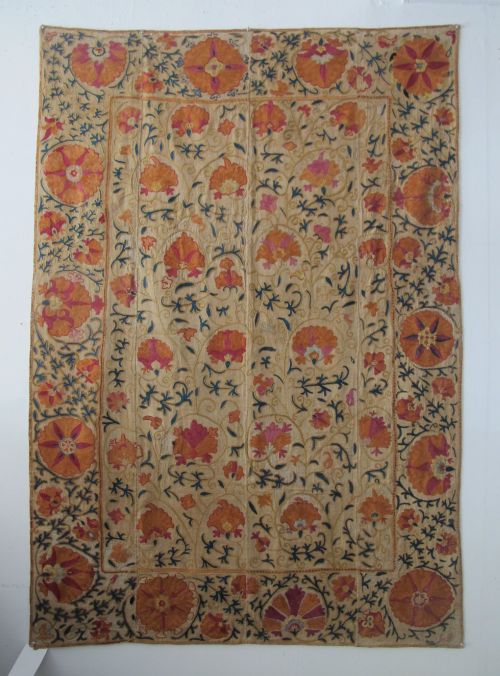
Tribal embroidered wall art brings handmade Central Asian and Indian textile traditions into modern spaces through historic dowry pieces and ceremonial hangings.
Tribal Embroidered Wall Art
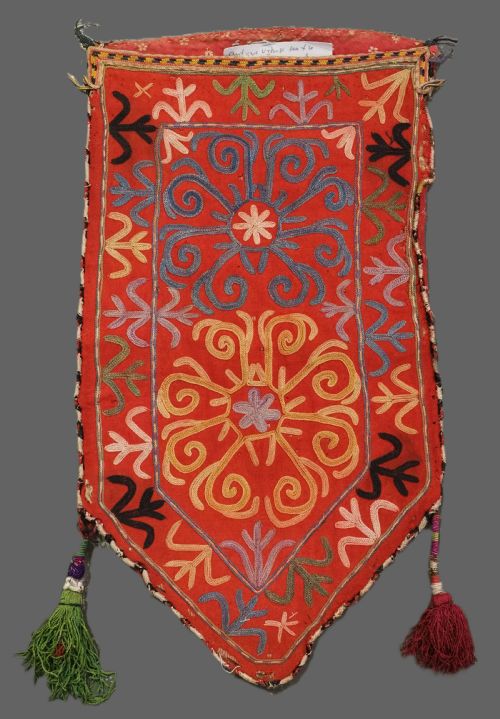
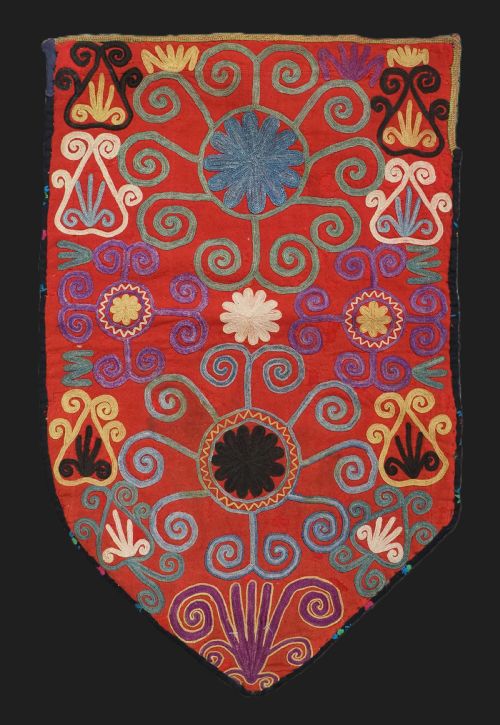
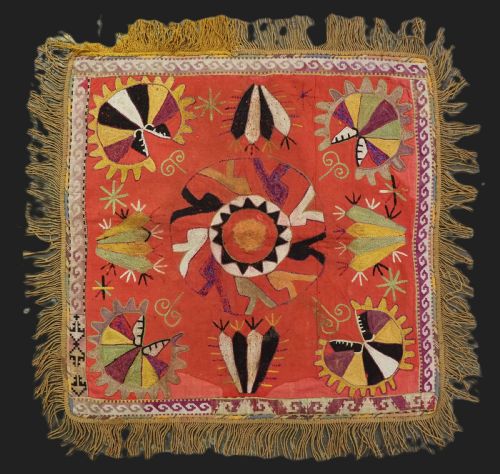
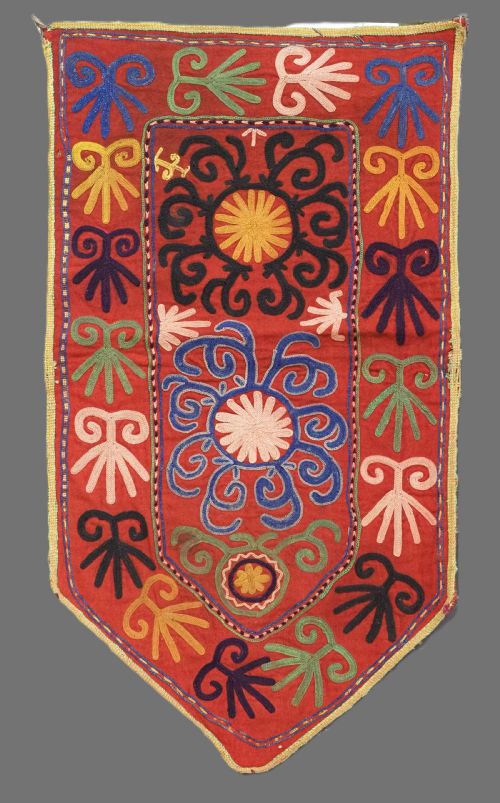
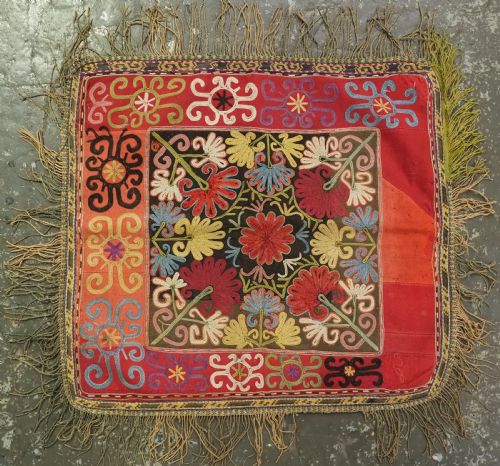
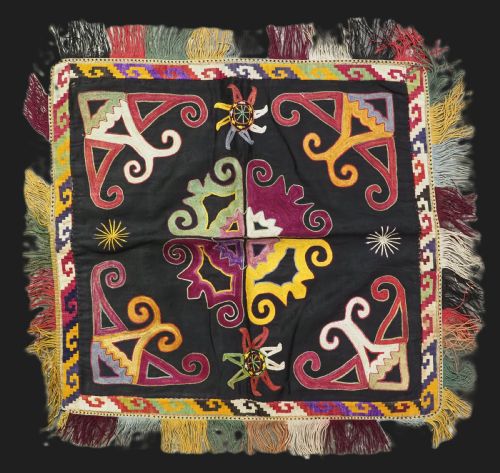
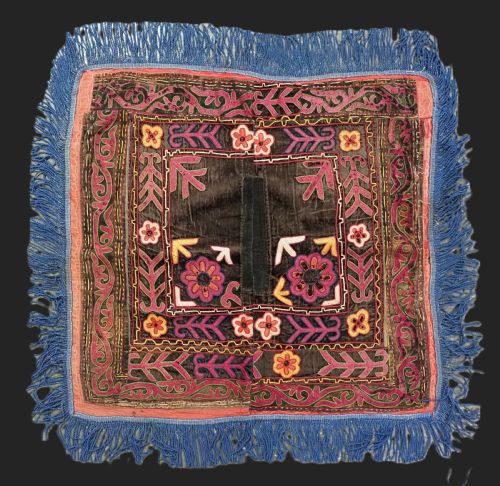
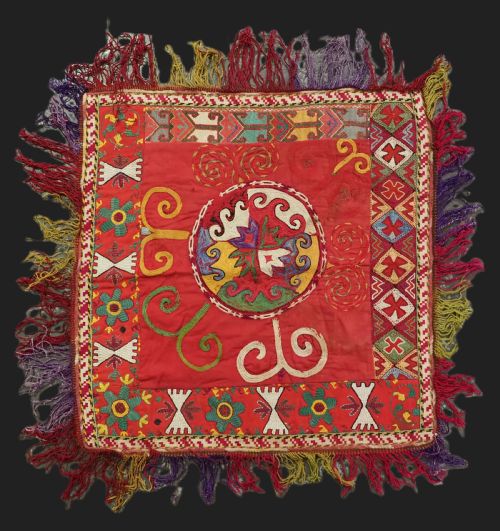
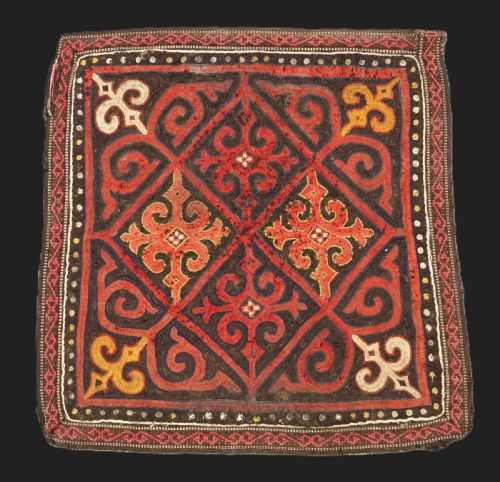
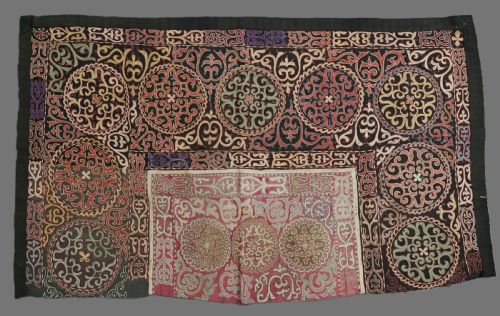
Geographic attribution runs deep through these forms, linking specific designs to distinct tribal traditions. Uzbek Lakai examples dominate the inventory, accompanied by Turkmen torba faces and Kyrgyz felt panels. Each object carries the traditional motifs of its originating culture, rendered in diverse regional layouts.
Materials and construction methods
Makers built these textiles upon solid foundation grounds composed of cotton, wool, felt, velvet, or wood. Textile artists then applied elaborate surface designs using silk thread and wool fringe. The material combinations balance structural durability with decorative surface texture.
Stitchwork dominates the construction, utilising fine silk embroidery to cover foundation fabrics partially or entirely. Artisans executed dense needlework to produce geometric and pictorial patterns, ranging from localized highlights to full work coverage. Certain panels combine embroidered felt with woven textiles to achieve rigidity and depth.
Current listings feature nineteenth and early twentieth-century pieces from Central Asian and Indian traditions, utilising cotton, silk, wool, and felt.
Distinctions in quality
Quality separates along the density and precision of the needlework itself. Pieces featuring full work embroidery and intricate silk thread placement require significantly greater time and skill than those with simpler, spaced motifs. The fineness of the stitch directly influences the visual impact and textural richness of the surface.
Design execution and material preservation also dictate the standing of individual examples. Superior items maintain vibrant historic palettes on robust grounds of cotton, silk, or wool without excessive degradation. The sophistication of the tribal patterns and the clarity of regional ornamentation distinguish masterworks from standard domestic output.
The Tribal Embroidered Wall Art Glossary
- Suzani
- A large, embroidered tribal wall hanging originating from Central Asia, traditionally worked in silk on a cotton or linen ground for dowries. These panels display bold floral and geometric motifs across domestic interiors.
- Ilgich
- A specific form of Central Asian tribal embroidery utilised for hanging on walls, frequently created as part of a bride's dowry. They showcase distinct regional needlework styles associated with groups like the Lakai.
- Tush kyiz
- A large, elaborately embroidered yurt wall hanging traditionally made by Kyrgyz women to celebrate a marriage. These works incorporate symbolic flora and fauna significant to nomadic life.
- Palak
- A fully embroidered variety of suzani characterised by dense, all-over pattern work covering the entire foundation ground. This layout demands extensive labour and represents the height of Uzbek needlework.
Tribal Embroidered Wall Art: Frequently Asked Questions
What is tribal embroidered wall art?
Tribal embroidered wall art comprises historic textiles made by nomadic and village communities in Central Asia and India during the nineteenth and early twentieth centuries. These items include dowry embroideries, yurt decorations, and ceremonial panels.
Maker groups such as the Lakai, Turkmen, and Kyrgyz produced these works using cotton, wool, and silk. They served domestic, ritual, and ceremonial functions before finding new life as decorative wall hangings.
How were these textiles used originally?
Makers created these embroideries primarily for domestic milestones, nomadic shelters, and ceremonial life within Central Asian communities. Many functioned as dowry pieces, bed decorations, or horse and saddle covers.
Items like uut kapa and tush kyiz decorated the interiors of felt yurts and homes. They marked important family transitions and displayed the skill and social standing of the maker.
How do I hang antique textiles safely?
Hanging antique textiles safely requires distributing the weight evenly across the entire upper edge to prevent stress on the historic foundation fabric. Professional mounting techniques often employ a hidden cotton sleeve stitched to a supportive backing board.
Keep these pieces away from direct sunlight and high humidity to protect fragile silk threads and natural dyes. Periodic inspection ensures the hanging hardware remains secure and the textile shows no strain.