
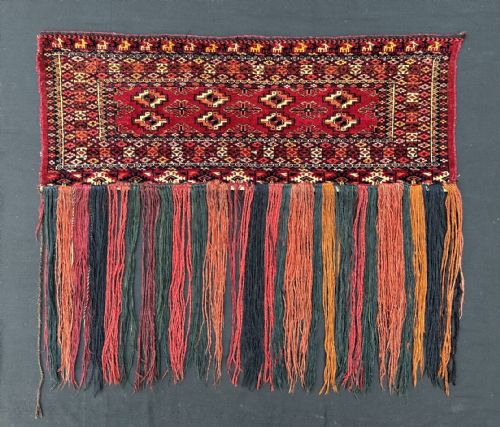
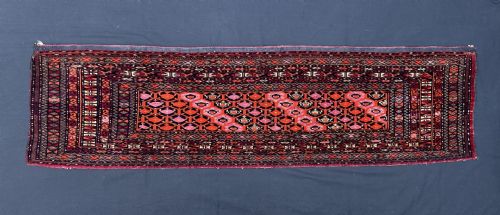

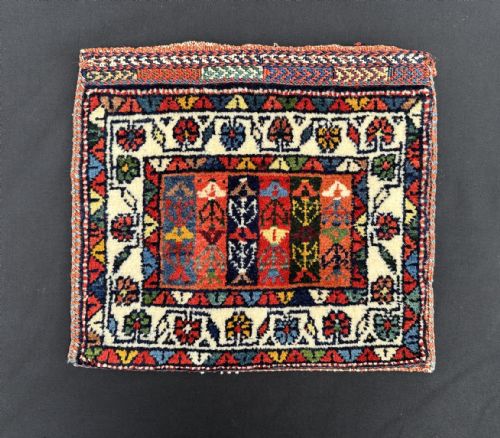
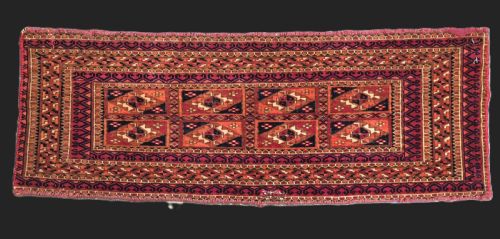
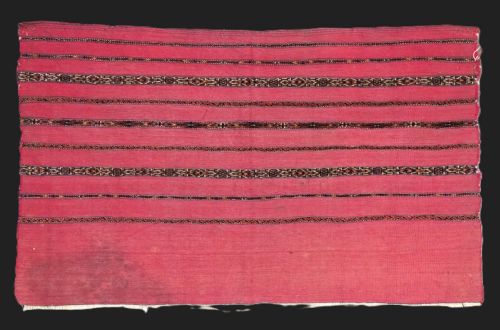


Tribal Carpet Bag Face
A tribal carpet bag face is a fragment of nomadic textile art, prized by collectors for its geometric design and deep historical resonance.
Tribal Carpet Bag Face
When you search for a tribal carpet bag face, you are looking at the front panels of utilitarian household storage sacks made by nomadic and semi-nomadic groups. These items served as functional furnishings in tents and yurts, woven to hold bedding, clothing, or household goods before being separated from their original backs over time.
The pieces available on this page originate predominantly from Central Asian Turkmen tribes such as the Tekke, Yomut, Ersari, and Saryk, alongside Persian groups like the Afshar, Shahsevan, and Luri. Dating mostly from the nineteenth century, these textiles display distinct tribal patterns that identify the specific weaving community behind them.
The forms encompass torba faces, chuval faces, mafrash faces, and kap panels, each designed for a specific type of storage container. Surviving examples demonstrate the rich weaving traditions of regions stretching from Turkmenistan to western Persia.
How They Were Made
The makers utilised hand-spun wool for the pile and foundation, often incorporating cotton and linen for structural strength and structural contrast. These natural materials provided the durable canvas necessary for items subjected to daily nomadic life.
Colour derives from natural and vegetable dyes, producing rich, saturated tones that have matured over time. The weaving technique frequently involves a fine knotting density that allows for intricate geometric drawing and precise execution of tribal motifs.
Nomadic weavers packed these bags with blankets and pots, entirely unaware they would one day grace modern walls as prized abstract art.
What Varies In Quality
Quality rests upon the density of the weave and the precision of the drawing. Finer knot counts allow complex medallion structures and secondary ornaments to appear with exceptional clarity.
Another measure of distinction is the depth and vitality of the natural dye palette. Examples exhibiting harmonious colour saturation and well-preserved pile structure occupy the upper tier of these survivals.
The Tribal Carpet Bag Face Glossary
- Torba
- A small, horizontal Turkmen storage bag used for domestic goods. These pieces were hung on the interior lattice walls of a yurt.
- Chuval
- A large tent bag used primarily for bedding and bulky storage. Their faces represent some of the most elaborate weaving produced by nomadic groups.
- Gul
- A primary medallion motif repeated across carpet designs. Each tribal group utilised specific gul forms to signal identity and heritage.
- Mafrash
- A rectangular storage box or chest panel produced in flat-weave or pile techniques. They are commonly associated with Shahsavan and related weavers.
- Soumac
- A wrapping technique used in flat-woven rugs and bags that creates a durable structure resembling embroidery on the reverse. It adds substantial texture to the textile surface.
Tribal Carpet Bag Face: Frequently Asked Questions
What is a tribal carpet bag face?
A tribal carpet bag face is the decorative front portion of a nomadic storage container. These textiles were preserved when the utilitarian rear panels wore away or were cut down for trade.
The survivals represent centuries of regional weaving traditions, capturing the distinct aesthetic language of specific tribal confederations across Central Asia and Persia.
How were these bags used originally?
Nomadic families utilised these sacks inside tents and portable dwellings for storing grain, clothing, and bedding. They served both practical storage functions and decorative roles within the domestic interior.
Items like torbas and chuvals hung against tent walls or stacked on wooden frames, showcasing the weaving skill of the household.
How do I identify different tribal designs?
Tribal attribution relies on the specific structural motifs, proportions, and recurring medallion shapes known as guls. Tekke and Yomut weavers employ distinct geometric vocabularies that differ markedly from Afshar or Shahsavan patterns.
Examining the border arrangements and secondary filler ornaments helps clarify the geographic and cultural origin of the piece.
How should I display a bag face at home?
Many collectors mount these textile fragments on neutral fabric backings for wall display. This method distributes the weight evenly and protects the structural integrity of the wool foundation.
Keeping the textile away from direct sunlight preserves the natural and vegetable dyes used by the original makers.