


Afshar Nomad Weaving
Afshar nomad weaving brings authentic tribal artistry into your home through enduring hand-knotted and flatwoven pieces.
Afshar Nomad Weaving
Originating predominantly from the late nineteenth and early twentieth centuries, these Persian tribal pieces display traditional motifs executed in authentic formats. Every textile serves as a tangible link to the nomadic traditions of South-West Persia.
How they were made
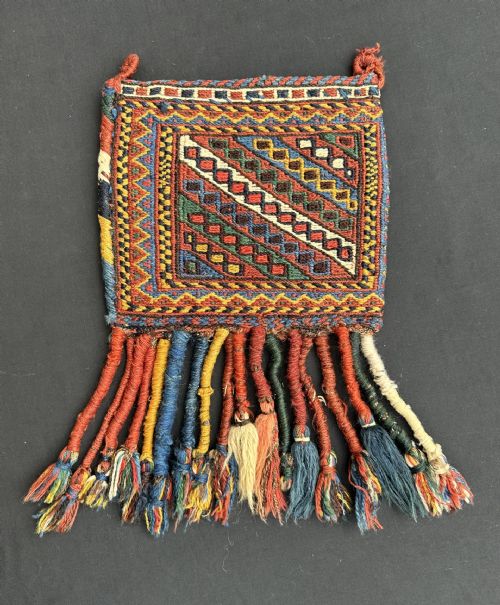
These textiles rely on natural wool for their structure and pile, combined with cotton foundations in specific pieces to ensure durability. Weavers utilised traditional techniques including soumak work to create textured, flatwoven surfaces alongside standard knotted pile construction.
The creation process demanded precise hand-weaving skills passed through generations within the tribes. Artisans deployed local materials to produce sturdy functional items, resulting in robust storage pouches and durable floor coverings.
Some salt bags still carry the faint, lingering memory of their original mineral cargo within the dense weave.
What varies in quality
Quality in these tribal pieces rests upon the tightness of the weave and the clarity of the design structure. Finer examples display meticulous execution in complex patterns such as dragon and phoenix motifs.
The integrity of the wool and the precision of the flatweave or knotted construction distinguish superior specimens. Variations in the execution of regional designs reflect the individual skill of the nomadic maker.
The Afshar Nomad Weaving Glossary
- Soumak work
- A flatweaving technique where pattern threads wrap over and under warp threads to create a durable, textured fabric. This method produces a distinct braided appearance on the surface.
- Sofreh
- A spreading cloth traditionally used for serving meals or preparing bread within nomadic households. These flatweaves often feature geometric field designs.
- Salt bag
- A specialised utilitarian pouch woven by nomadic groups for storing and transporting salt. They typically feature narrow necks and secure hanging loops.
- Half-saddlebag face
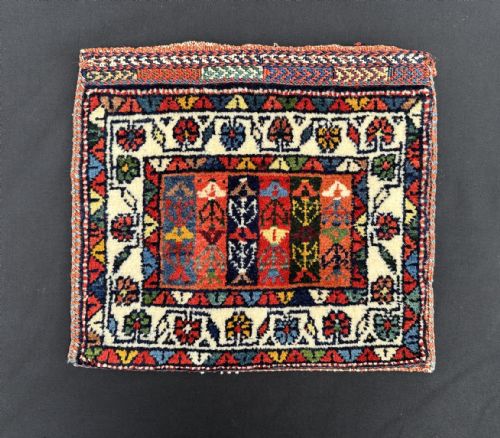
- The decorative front panel of a paired animal bag once utilised for transport on horseback or camelback. These survivors retain their intricate face designs while losing their plain backing.
Afshar Nomad Weaving: Frequently Asked Questions
What is an afshar nomad weaving?
It is a handmade textile created by pastoral tribes in the Kerman province of southern Persia. These pieces include bags, storage pouches, and rugs.
They represent traditional tribal artistry using local wool and cotton materials.
How were these bags used?
Nomadic groups utilised these woven items for practical daily storage during travels across Persia. Items held salt, tobacco, pipes, or personal vanity articles.
Bread sofrehs served as functional cloths for meal preparation and sharing within the camp.
How do I date these textiles?
Dating relies on stylistic analysis, material examination, and structural characteristics typical of nineteenth and early twentieth-century Persian tribal production. Pieces span decades from the mid-nineteenth century onward.
Archival records and comparative examples help narrow the period of origin.
Where did these weavers live?
The makers resided in the Kerman province of South Persia, including specific districts such as Aqta and Bardsir. These regions supported active nomadic and settled tribal populations.
Their geographic location influenced the specific motifs and weaving techniques employed.