


Tribal Bag Face Pillow
A tribal bag face pillow brings authentic nomadic weavework into a modern room, offering dense wool textures and geometric patterns formed centuries ago.
Tribal Bag Face Pillow
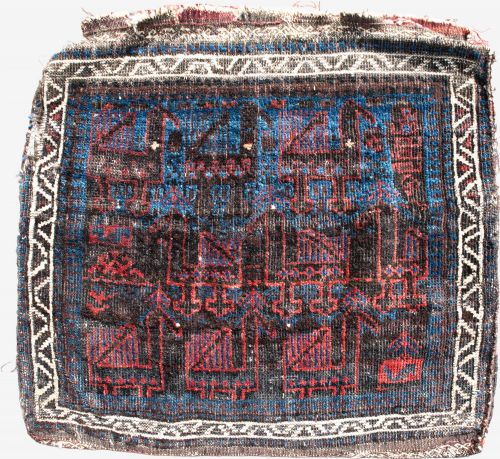
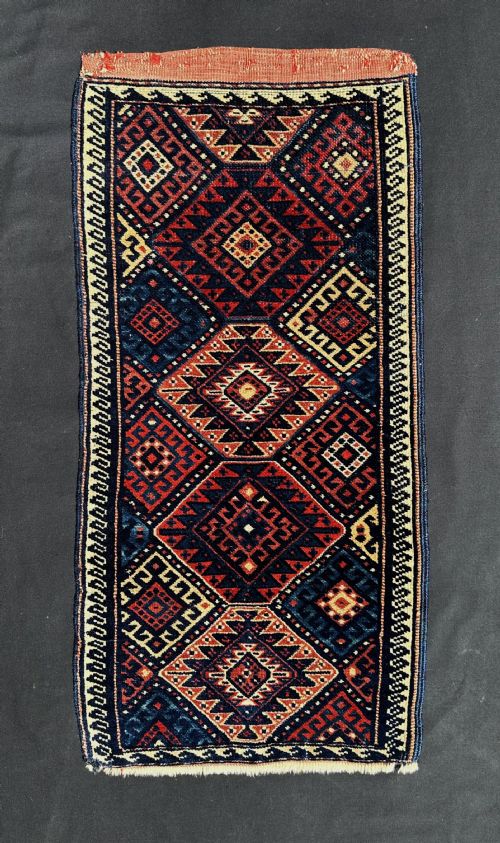
A tribal bag face pillow originates from nomadic storage bags, torbas, and mafrashes repurposed into cushion covers. When you search for tribal bag face pillow, you encounter pieces transformed from utilitarian carrier faces into decorative home objects.
The selections span Persian, Turkmen, and Baluch traditions, with Baluch and Yomut Turkmen examples appearing frequently. These objects combine historical utility with practical furnishing, retaining the original front weaving while adding supportive backing.
Assessing Quality
Quality rests in the precision of the tribal guls and the depth of the natural dye palette. Finer pieces demonstrate superior knot density and tightly spun wool that maintains resilience over generations.
The distinction between standard items and exceptional examples lies in the crispness of the geometric motifs and the integrity of the remaining wool pile. Well-preserved borders and saturated colours elevate the visual impact of the textile.
Nomadic weavers occasionally included tiny intentional flaws in their patterns to ward off the evil eye.
The Tribal Bag Face Pillow Glossary
- Balisht
- A Baluch term for a pillow or small sleeping bag. These items were traditionally used inside nomadic tents for daily resting.
- Torba
- A wider storage bag used for domestic organisation within the tent. The face of this bag is often what collectors repurpose into cushions.
- Gul
- A medallion pattern or floral-like stamp repeated across Turkmen and Baluch weaving. Each tribal group utilised distinct gul variations for identification.
- Mafrash
- A rectangular storage chest or bedding bag created by nomadic groups. Their flatweave and pile faces translate directly into decorative pillow covers.
- Flatweave
- A textile constructed without a pile by interlocking warp and weft threads. This technique forms durable, smooth surfaces seen on many bag faces.
Tribal Bag Face Pillow: Frequently Asked Questions
What is a tribal bag face pillow?
It is the front panel of an antique nomadic storage container converted into a cushion. These textiles originated as functional sacks for transport.
Nomads utilised them for storing grain, bedding, and personal belongings inside tents. Today, they serve as decorative cushions for seating and display.
How do I care for wool cushions?
Gentle vacuuming with a low suction setting removes surface dust without damaging the fibres. Keep them away from direct sunlight to preserve natural dye colours.
Professional textile cleaning is recommended for heavier maintenance. Avoid washing them in water to protect the historic wool and structure.
Are these items antique?
The inventory consists of pieces dating from the nineteenth and early twentieth centuries. These textiles were produced by nomadic and village weavers before commercial dyes became widespread.
Age is determined through material analysis, dye testing, and structural characteristics. Each piece carries decades of authentic history and domestic use.