


Caucasian Bag Face Cushion
A caucasian bag face cushion brings nomadic textile art into a modern room, offering geometric patterns and rich natural dyes.
Caucasian Bag Face Cushion
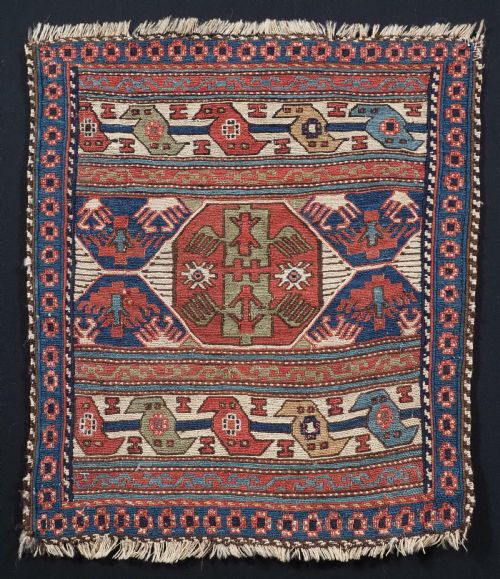
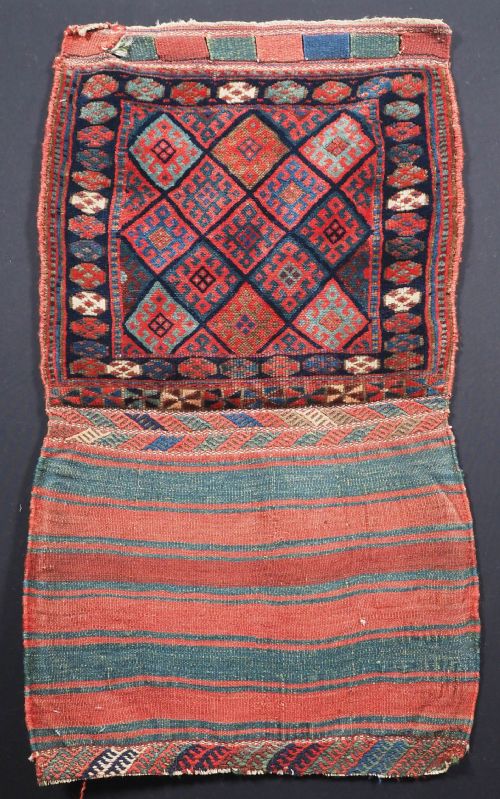
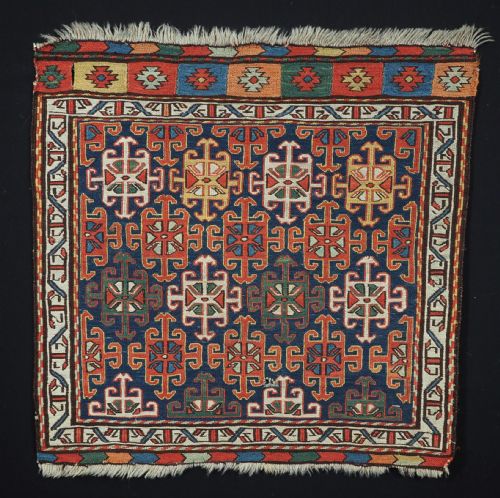
A caucasian bag face cushion repurposes nomadic storage pieces, specifically saddlebags and half-saddlebags, into decorative home furnishings. These items originate from tribal regions including Azerbaijan and the Moghan region, spanning production dates from the eighteen-sixties through the nineteen-twenties.
The objects displayed on this page encompass textile art, tribal textiles, and cushions and pillows. Buyers encounter woven fragments and complete bag faces created by groups such as the Shahsavan, Heriz, and Jaf Kurds, reflecting distinct regional tribal traditions.
Design elements include specific motifs such as birds and dragons, alongside structured tribal and nomadic patterns. These pieces function as cushions while retaining their original status as historical woven artefacts from the Caucasus.
How they were made
Makers utilised hand-spun wool combined with cotton foundations to construct these durable utilitarian objects. Artisans employed specialised flatweave methods, notably soumak technique, alongside plain weave structures to build dense, resilient surfaces.
Colour derives from vegetable and natural dyes applied to hand-spun wool fibres. This traditional dyeing process creates depth and variation across the geometric fields of each bag face.
Some bag faces still hide ancient tribal signatures within their dragon motifs.
What varies in quality
Quality rests in the precision of the soumak technique and the complexity of the woven motifs, such as recognisable bird and dragon designs. Tighter knotting and finer hand-spun wool indicate superior workshop skill among tribal weavers.
The vibrancy and retention of vegetable and natural dyes determine the visual strength of the piece. Well-preserved examples display rich colour saturation across the wool surface without losing the integrity of the regional design.
The Caucasian Bag Face Cushion Glossary
- Soumak
- A flatweaving technique that wraps supplementary weft threads over the warp to create a textured, durable surface. This method appears frequently on Shahsavan bag faces.
- Bag face
- The decorative front panel of a nomadic storage sack, preserved and converted into a cushion. These panels display the primary tribal motifs and design work.
- Natural dyes
- Colourants derived from plants and minerals used before the introduction of synthetic alternatives. They impart the characteristic varied tones seen in antique tribal textiles.
- Saddlebag
- A paired storage container carried by pack animals, often separated over time into individual bag faces. They formed an essential part of nomadic daily life.
- Nomadic
- Pertaining to pastoral tribes who moved seasonally across the Caucasus and surrounding regions. Their woven art reflects portable cultural traditions.
Caucasian Bag Face Cushion: Frequently Asked Questions
Are these cushions made from old bags?
These items utilise authentic antique bag faces and half-saddlebags woven by tribal groups in the nineteenth and early twentieth centuries. Artisans and collectors repurpose these durable textile fragments into cushions.
The backing materials are added later to transform the flat-woven storage panels into functional home furnishings while preserving the original face.
How do I identify a Shahsavan piece?
Shahsavan weaving is characterised by precise soumak technique and distinct motifs including stylised birds and dragons. The structures often originate from regions such as Moghan in Azerbaijan.
Examining the reverse and the tightness of the weave helps distinguish Shahsavan work from other tribal groups like the Jaf or Heriz.
What is soumak technique?
Soumak is a specific flatweave construction where coloured weft threads wrap over the warp wires in a continuous wrapping motion. This creates a ribbed, durable surface texture.
It differs from standard pile carpet weaving by producing a firm, non-pile fabric that protects the structural integrity of nomadic storage bags.
How do I care for an antique cushion?
These wool textiles require gentle maintenance, including light vacuuming without a rotating brush and professional cleaning when necessary. Keeping them out of direct sunlight prevents the natural dyes from fading.
Allowing the hand-spun wool to breathe preserves the fibres and maintains the historical integrity of the textile art.