




Traditional Woven Floor Rug
A traditional woven floor rug grounds a room with centuries of regional design, offering durable wool, cotton and silk textiles for daily walking.
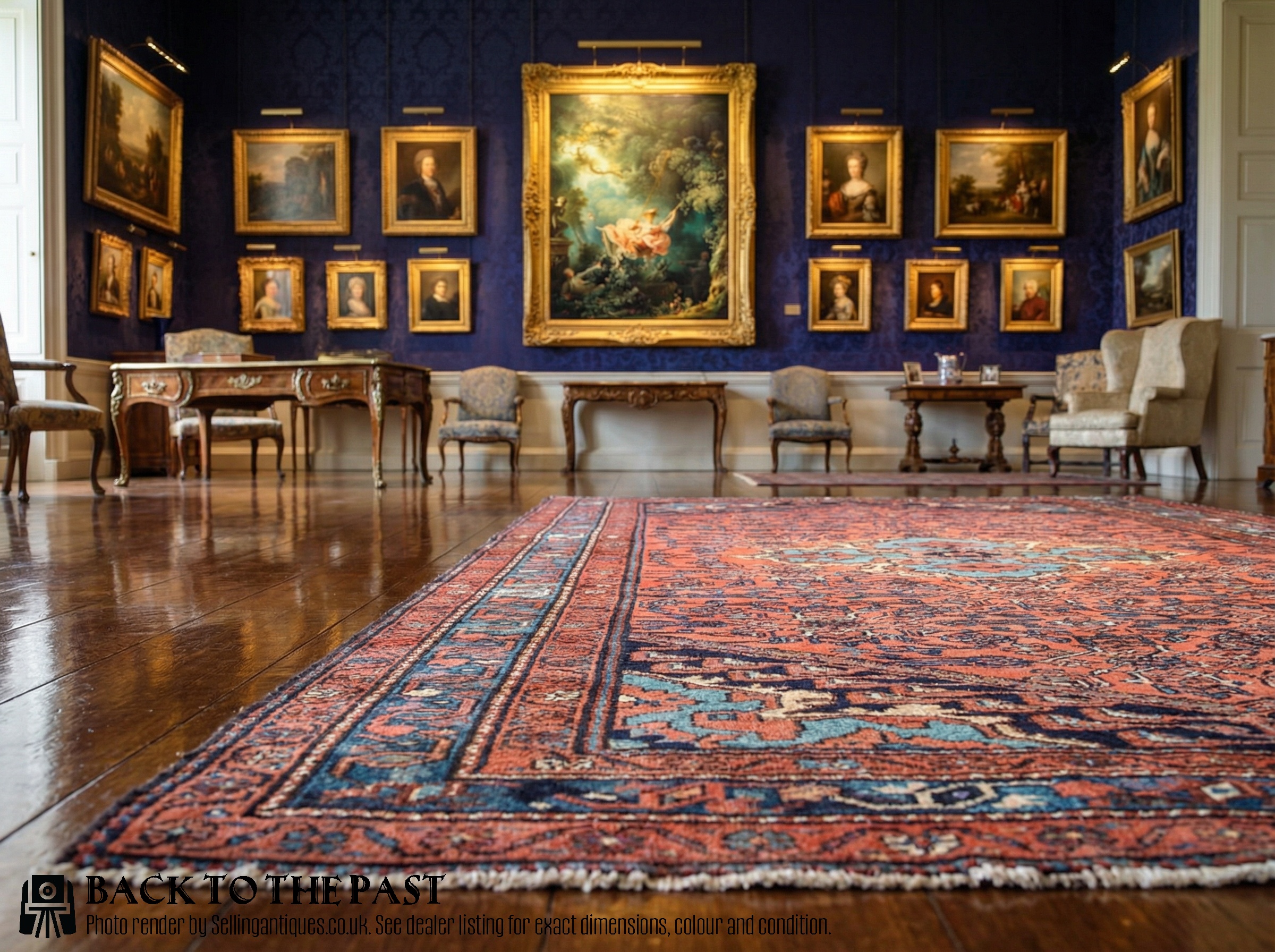
Traditional Woven Floor Rug
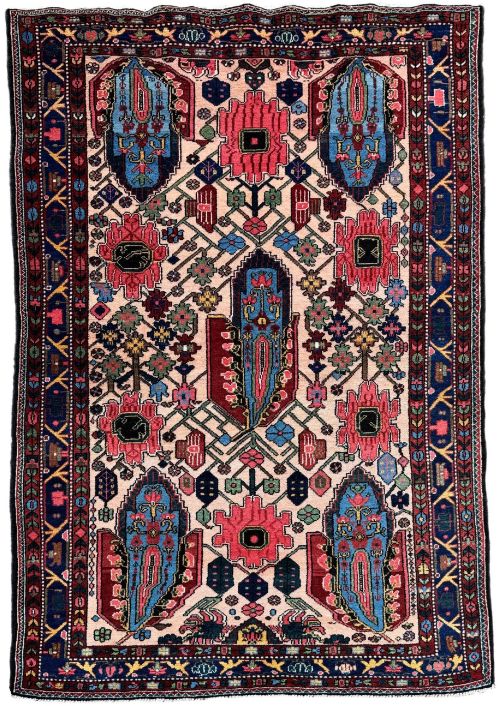
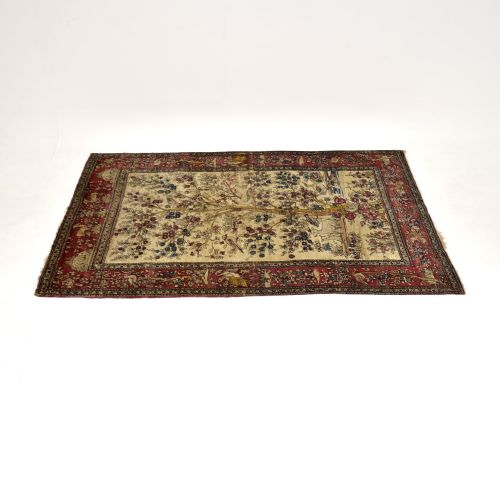
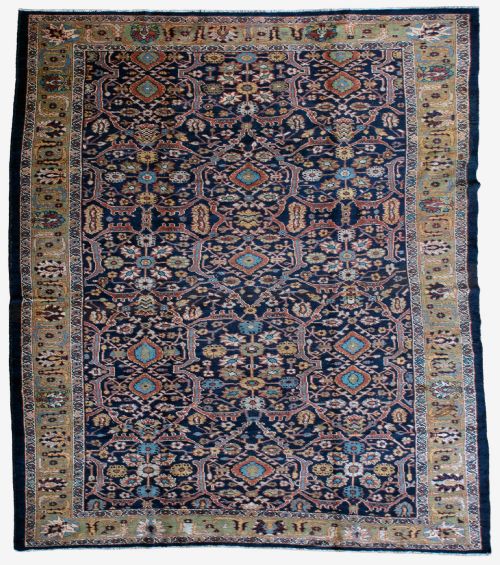
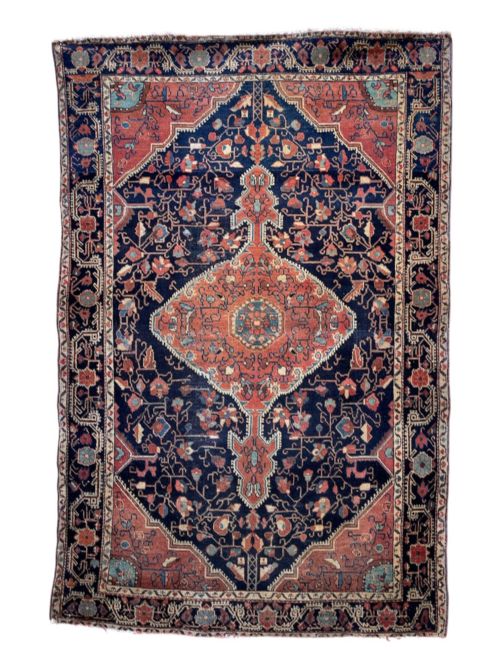
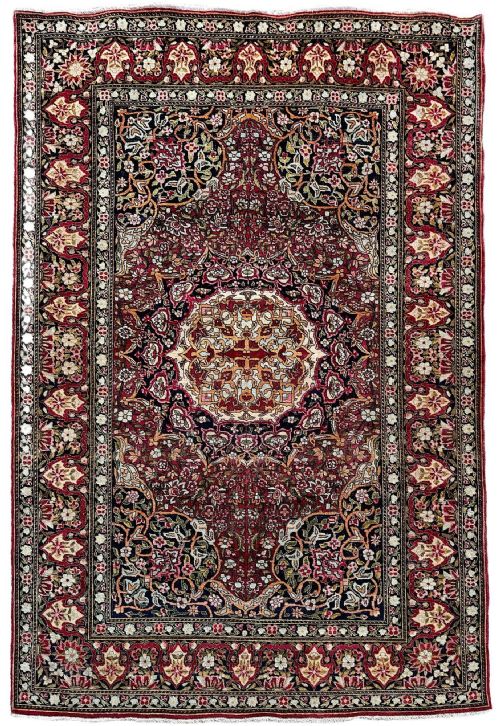
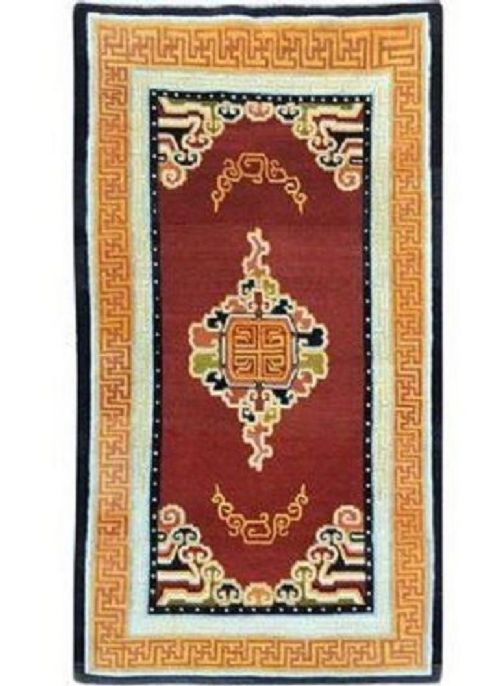
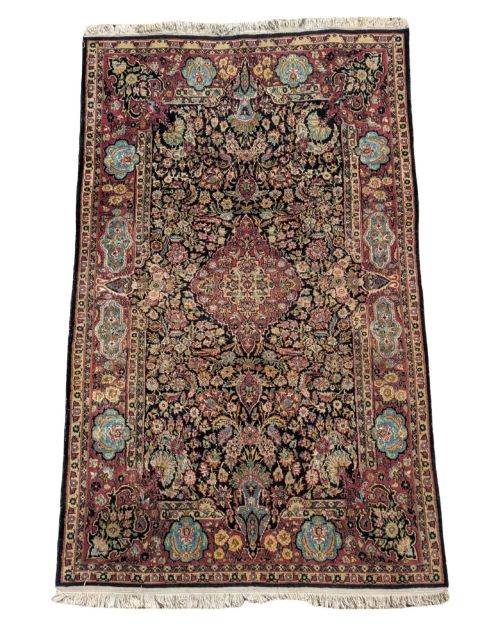
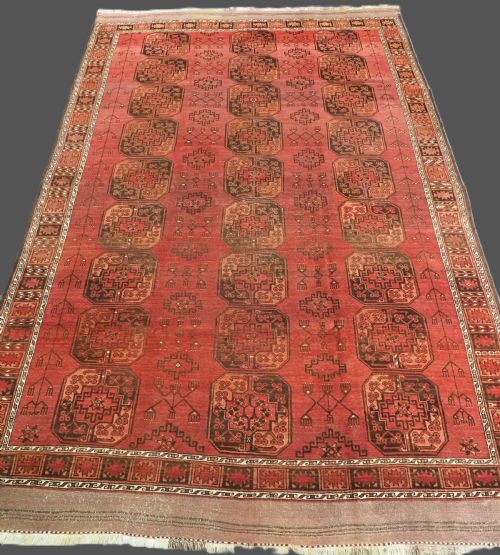
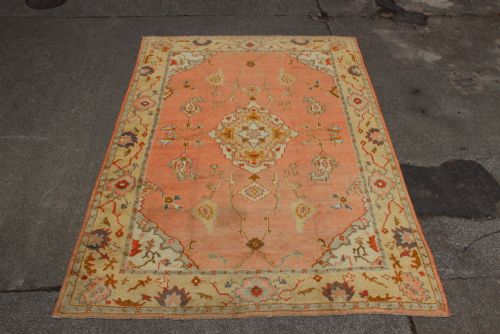
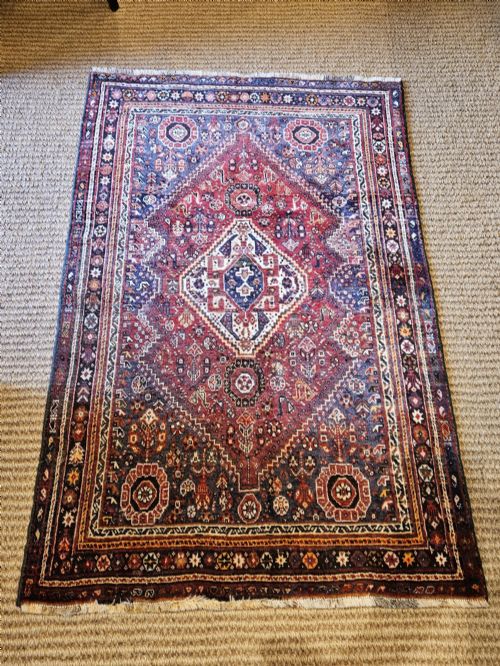
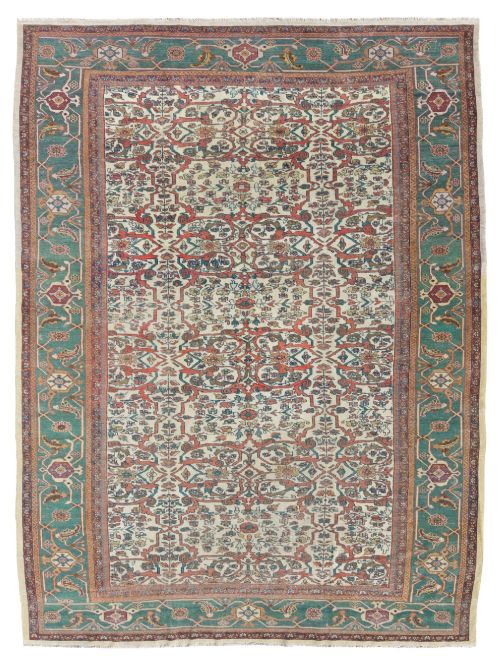
A traditional woven floor rug spans dense room-sized carpets and narrow hallway runners designed for heavy foot traffic. Buyers searching for a traditional woven floor rug will encounter room carpets, area rugs and runners originating from Persian, Caucasian, Ottoman and tribal workshops.
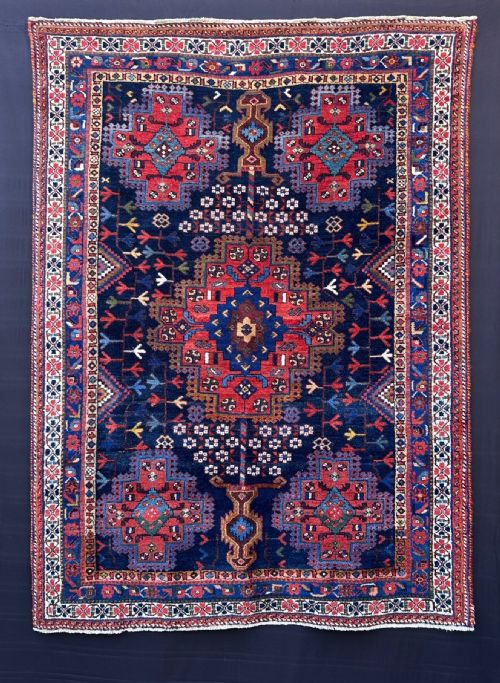
The selection ranges from room-sized Persian Heriz, Mahal, Tabriz and Sultanabad carpets to smaller tribal pieces from Kurdish, Afshar, Bakhtiar and Kazak weavers. These floor coverings span the nineteenth century and the early decades of the twentieth century, displaying distinct regional patterns.
Formats include large carpets suited for principal rooms alongside compact area rugs and elongated runners for corridors. Each piece reflects the specific weaving traditions of its origin, from village workshops to nomadic tribal confederacies.
How They Were Made
These floor coverings are constructed primarily from hand-spun wool, often combined with cotton foundations and occasional silk highlights. Weavers tied dense knots onto warp and weft threads, creating resilient surfaces designed to withstand decades of domestic use.
Natural materials dictated the structural integrity, with wool providing warmth and wear resistance while cotton supplied stable structural grids for intricate geometric and floral motifs.
Certain nomadic wedding rugs carried specific tribal symbols intended to bring safe passage and domestic harmony to newlyweds.
What Varies in Quality
Quality rests in the density of the knotting, the crispness of the drawing and the saturation of the natural dyes. Finer examples display precise execution of intricate motifs, while simpler village and tribal pieces show bolder, more direct interpretations of traditional patterns.
Condition and structural uniformity distinguish exceptional survivals, particularly where pile retention remains strong across large expanses of wool and cotton.
The Traditional Woven Floor Rug Glossary
- Pile
- The vertical or diagonal loops of yarn that form the usable surface of the rug. This upper layer provides the soft texture and absorbs the friction of daily foot traffic.
- Warp
- The stationary longitudinal threads stretched tightly on the loom before weaving begins. These parallel strands form the foundational skeleton of the textile.
- Weft
- The horizontal threads passed alternately over and under the warp threads to bind the knots in place. Packing the weft tightly secures the structural grid of the carpet.
- Runner
- A long, narrow carpet format specifically proportioned for hallways, corridors and staircases. These elongated rugs guide movement through domestic architectural spaces.
- Medallion
- A symmetrical central ornament placed in the middle of the field. This focal motif anchors the geometric or floral composition of the design.
Traditional Woven Floor Rug: Frequently Asked Questions
How do I clean an old wool rug?
Vacuum gently without a rotating brush bar to remove surface grit without pulling the pile. Professional specialist cleaning remains essential for addressing deeper dirt in antique wool and cotton textiles.
Avoid soaking or using harsh domestic detergents, which can destabilise natural dyes and weaken the structural foundation fibres.
Can I place these rugs in hallways?
Longer runner formats are specifically designed for corridors, staircases and high-traffic transitional spaces. Durable wool construction handles regular footsteps while protecting underlying flooring.
Using an appropriate underlay prevents slipping and reduces friction between the textile backing and the floorboards.
How do I identify tribal designs?
Tribal rugs typically feature geometric motifs, bold medallions and repeating hooked polygons rather than elaborate curvilinear court designs. These patterns reflect the nomadic heritage and regional weaving vocabulary of specific groups.
Palettes often incorporate rich reds, deep blues and earthy tones derived from local plant and mineral dye sources.
What is a room-sized carpet?
Room-sized carpets provide expansive floor coverage intended to anchor central furniture arrangements in principal living spaces. These larger formats require substantial weaving time and collaborative workshop labour.
Their dimensions accommodate dining tables, seating groups and central architectural layouts.