
Traditional Wooden Wardrobe
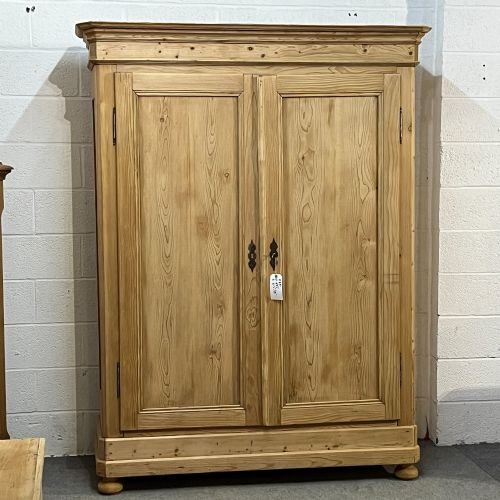
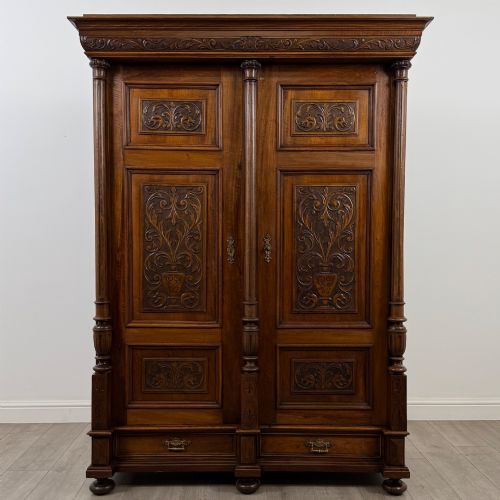
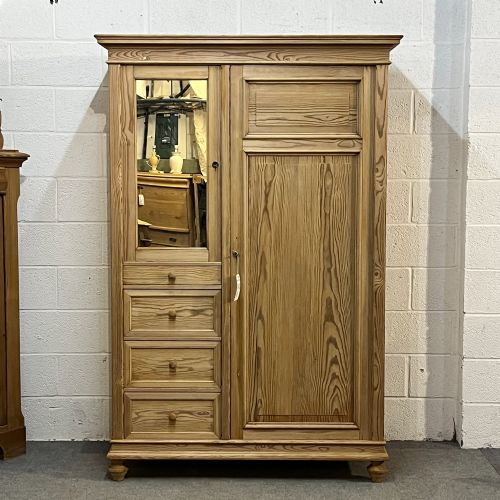
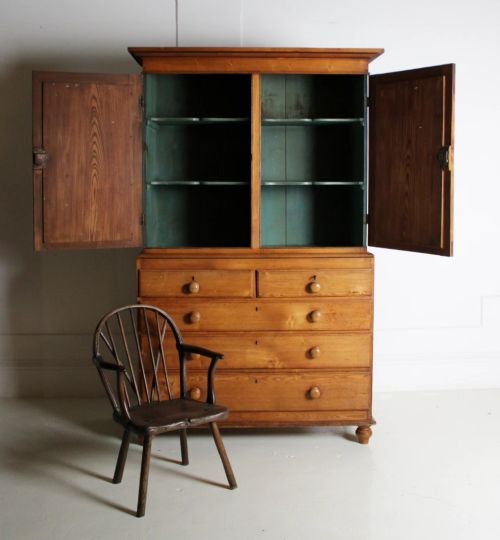
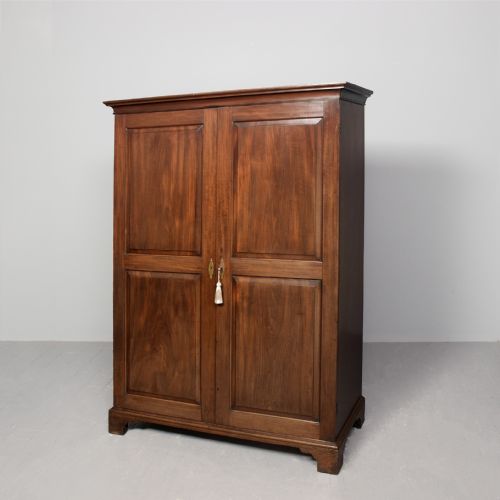
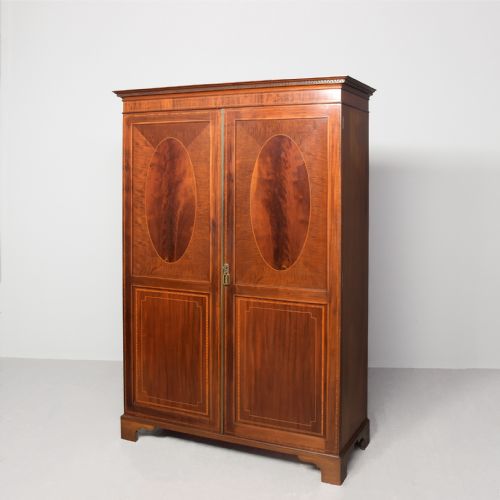
A traditional wooden wardrobe offers deep timber storage, ranging from formal Georgian mahogany linen presses to robust Victorian and French pine armoires.
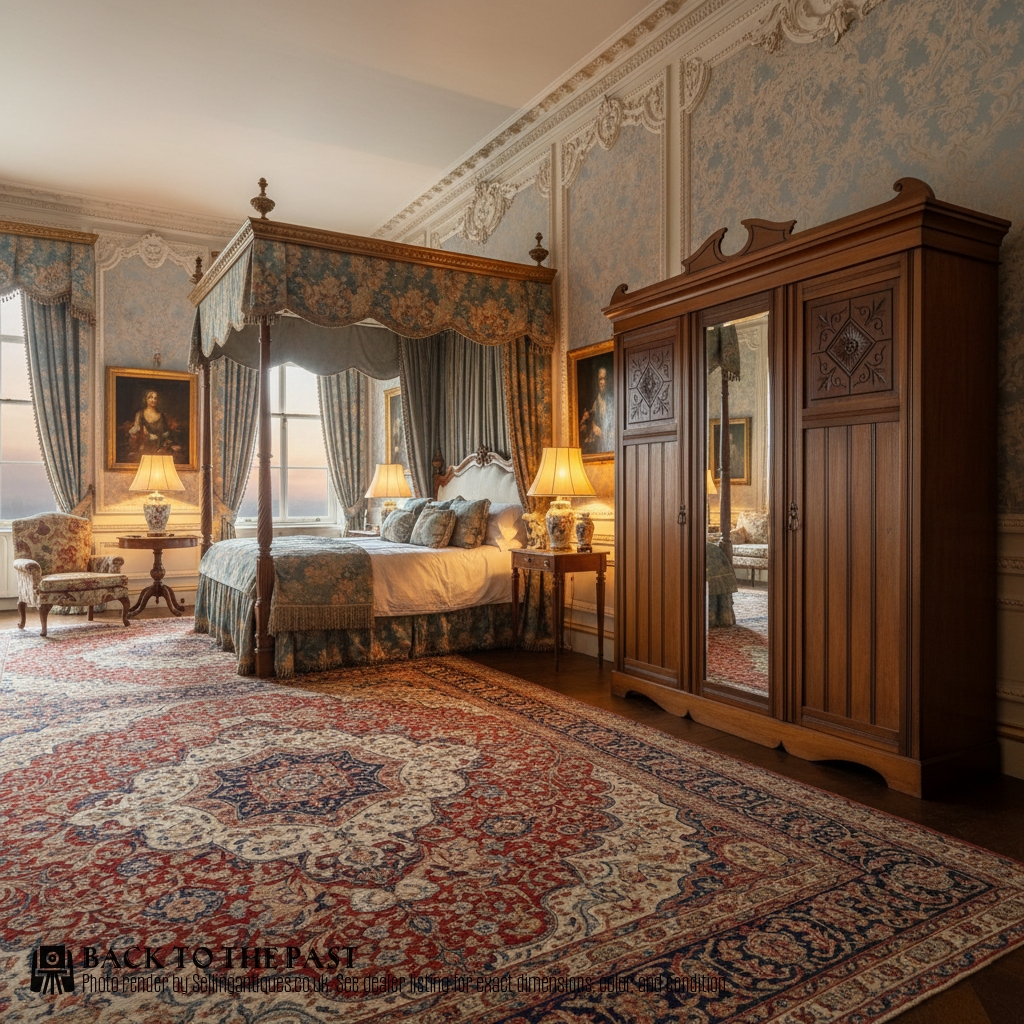
Traditional Wooden Wardrobe
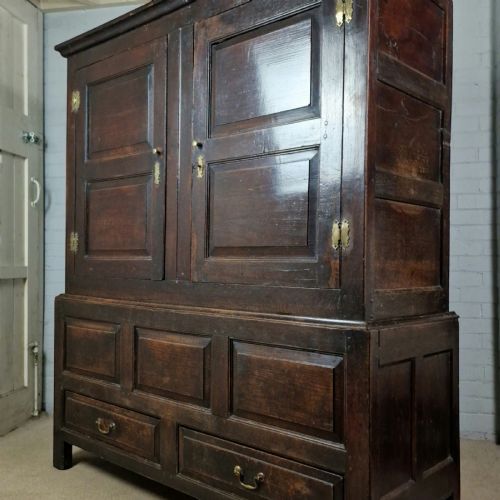
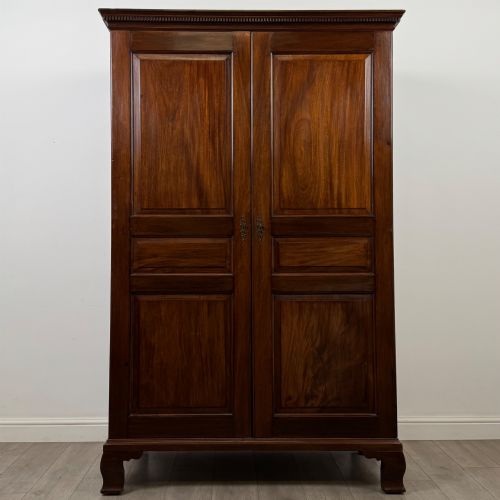
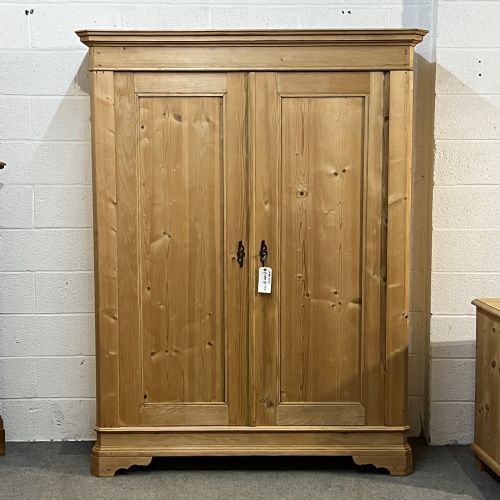
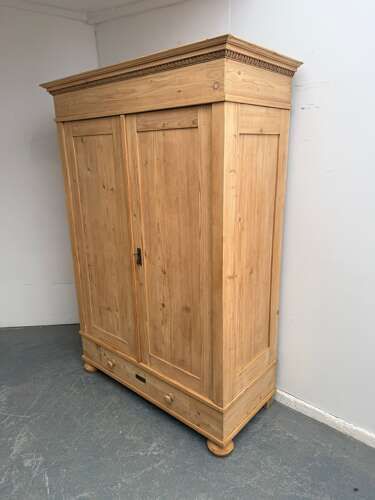
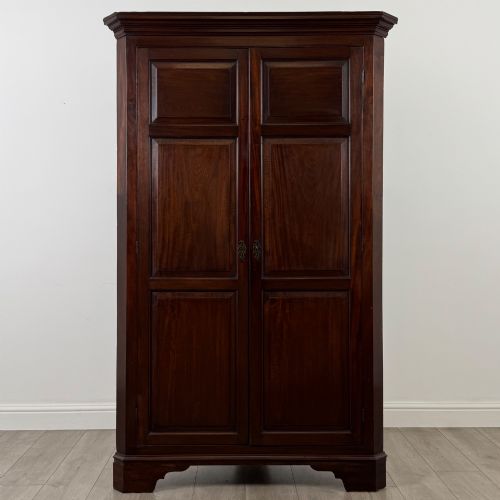
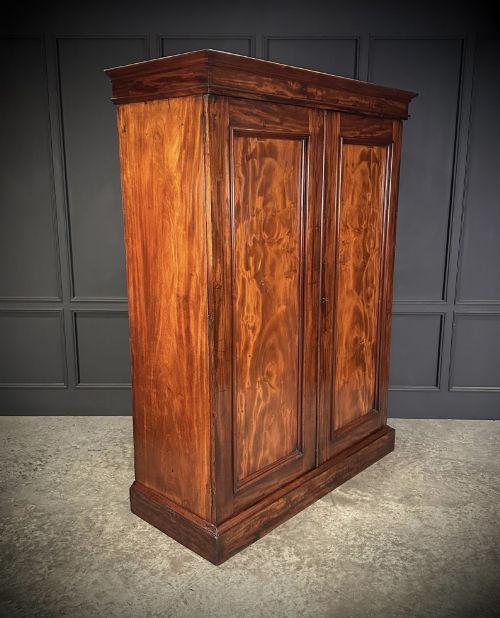
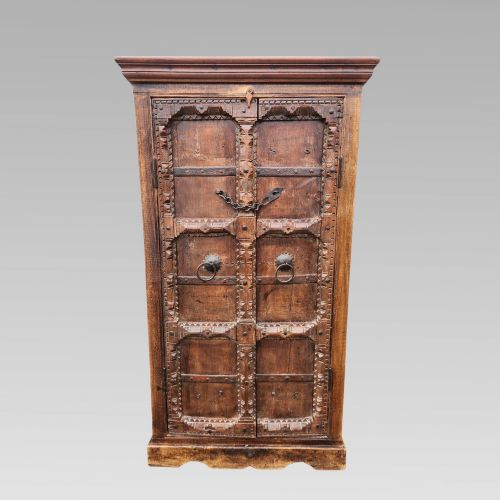
When you search for a traditional wooden wardrobe, you find large storage furniture built to hold clothes and linen before fitted closets became common. These pieces range from substantial Georgian and William IV mahogany presses with panelled doors to heavy Victorian and French pine armoires designed for bedrooms and halls.
You are most likely to meet mahogany and pine examples on this page, spanning the eighteenth, nineteenth, and early twentieth centuries. Many of these larger items feature knockdown construction, meaning the sides and cornices dismantle for transport into older properties with narrow stairwells.
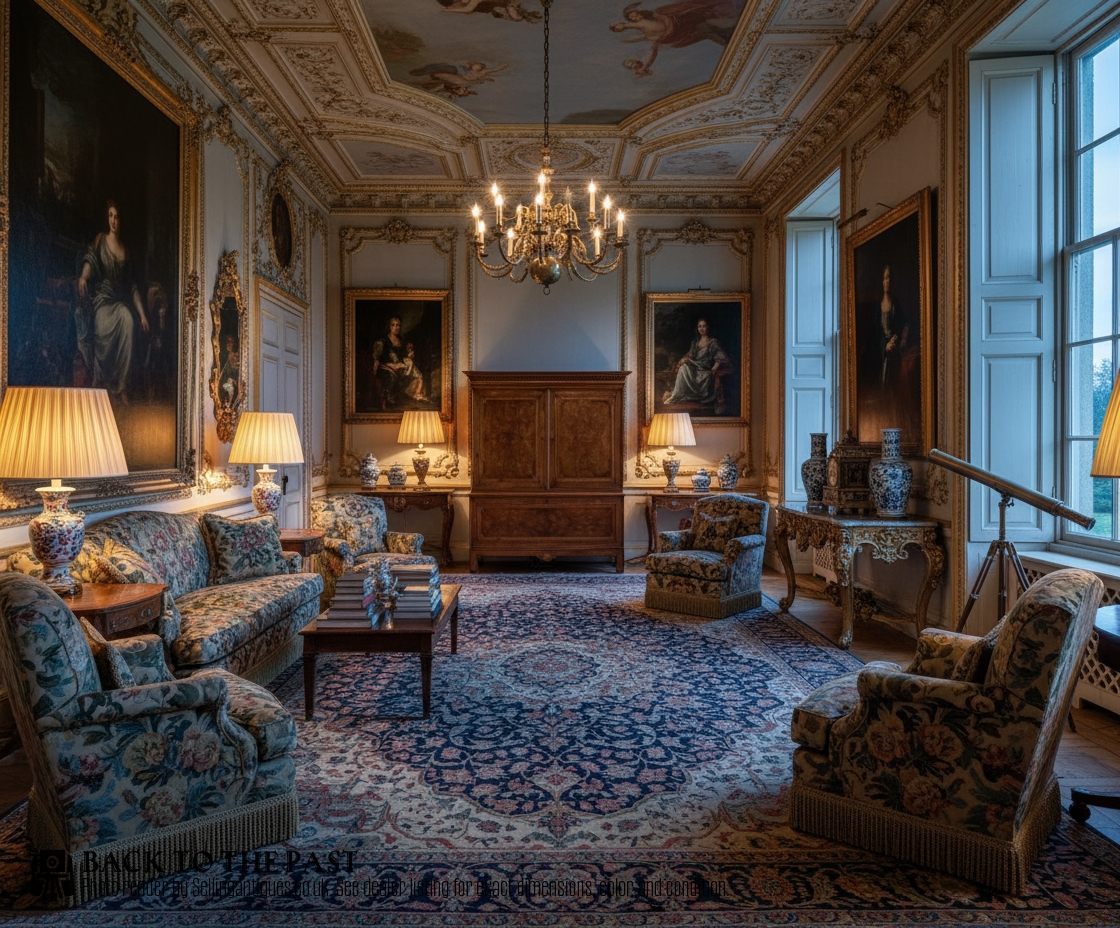
How they were made
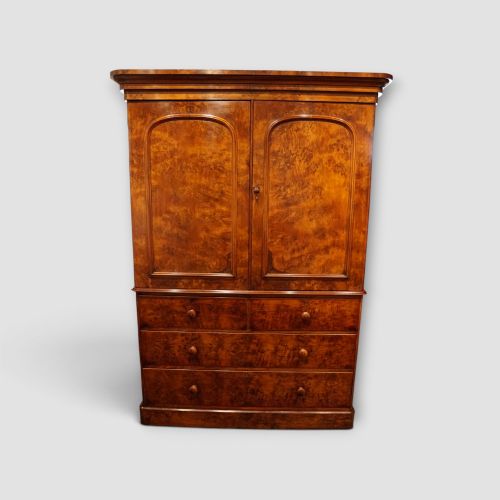
Cabinetmakers built traditional wooden wardrobes using solid hardwoods like mahogany and oak alongside domestic and imported pine. Finer pieces often display flame mahogany veneer applied over stable secondary timbers to create striking grain patterns on the principal doors.
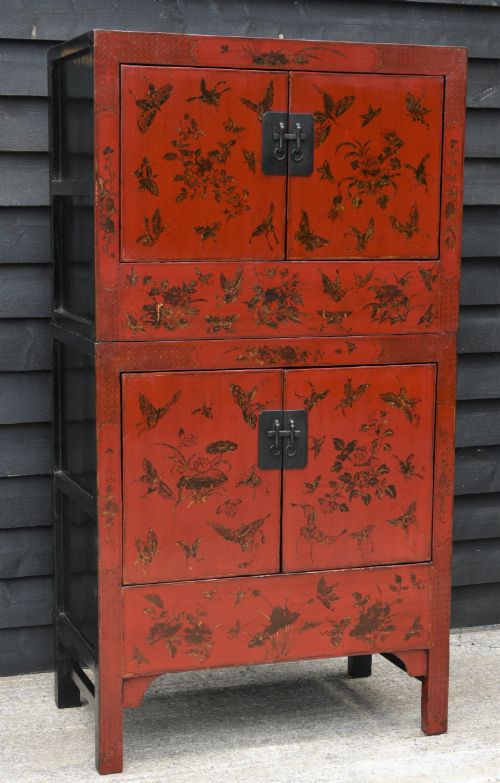
Iron and brass hardware, from heavy hinges to decorative drop handles and locking escutcheons, secures the doors and internal sliding trays or hanging spaces. Painted finishes and wax coatings protect the timber surfaces, while folk art decoration and red lacquer appear on specific regional and continental forms.
Traditional Wooden Wardrobe Retail Price Guide 2026
Typical asking prices for traditional wooden wardrobe among the pieces listed under this phrase on Sellingantiques today, from the lower quarter to the upper quarter. They describe what is for sale here now, not the wider market.
Listings feature woods including mahogany, pine, oak, walnut, ash, and teak, alongside painted finishes and brass hardware.
What varies in quality
The architectural ambition of the cornice and the selection of the timber dictate the standing of a wardrobe. Pieces with breakfront facades, flame mahogany veneer, and well-figured grain sit at the top of the range, showing the hand of a confident cabinetmaker.
Proportion and integrity also define the better examples, where original panelled doors, working brass locks, and internal linen slides remain intact. Utility pine cupboards intended for paint or wax offer practical storage with simpler construction, while formal Georgian and Victorian presses display sophisticated joinery and internal compartmentalisation.
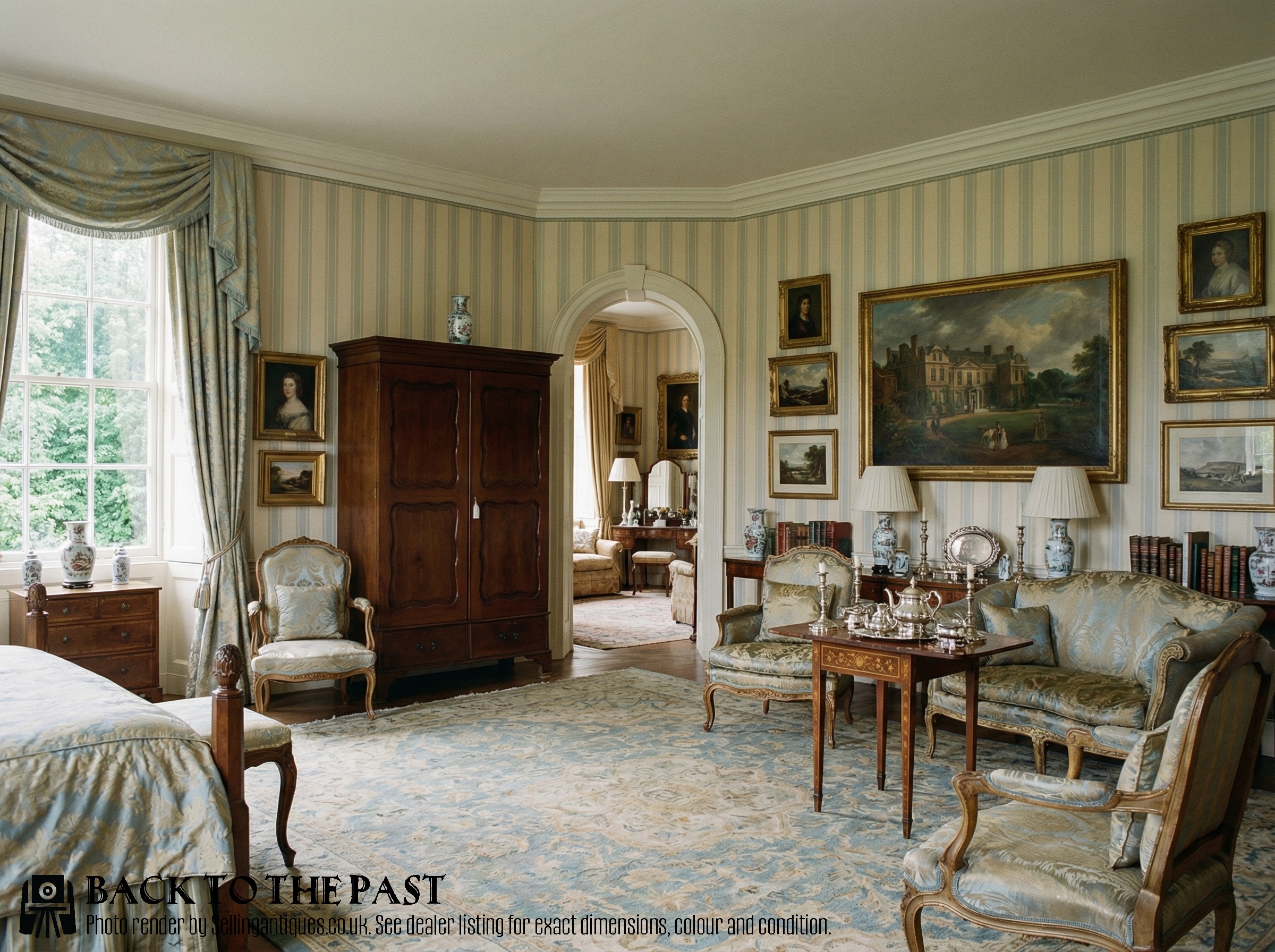
The Traditional Wooden Wardrobe Glossary
- Linen press
- A tall cupboard featuring sliding trays or drawers in the upper section for folded textiles, standing above deeper lower drawers. These pieces date predominantly from the Georgian and Victorian eras.
- Compactum
- A multi-functional wardrobe combining hanging space, shelves, and multiple drawers within a single carcass. This form became particularly popular during the late nineteenth and early twentieth centuries.
- Knockdown wardrobe
- A large piece of furniture designed to be fully disassembled into flat panels and uprights using wooden pegs or internal bolts. This allowed bulky timber wardrobes to be moved between rooms.
- Breakfront
- A cabinet facade where the central section projects forward beyond the flanking wings. This architectural arrangement adds depth and visual weight to large mahogany wardrobes.
- Flame mahogany veneer
- A thin slice of timber cut from the fork of a mahogany tree where the branch meets the trunk. Cabinetmakers applied this to door panels to produce a distinctive, flickering flame pattern.
Traditional Wooden Wardrobe: Frequently Asked Questions
How do I fit a tall wooden wardrobe into a modern bedroom?
Many traditional wardrobes, particularly nineteenth-century pine armoires, utilise knockdown construction designed to dismantle completely into manageable flat sections. This historic engineering allows you to transport and reassemble large timber furniture in rooms with standard ceiling heights.
Measure your ceiling clearance and floor space carefully before selecting a breakfront or triple wardrobe. Allow a small margin of error for crown mouldings that often project beyond the main body of the cupboard.
What is the difference between a wardrobe and a linen press?
A traditional wardrobe provides vertical hanging space behind full-length doors for coats and dresses. A linen press incorporates internal sliding wooden trays or shelves in the upper cabinet, historically used for storing folded linen flat.
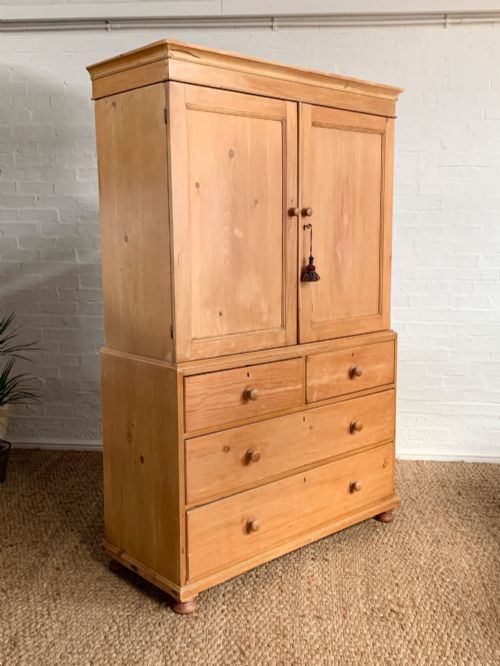
Many linen presses also feature a chest of drawers integrated into the lower half of the carcass. This dual arrangement offers both folded and hanging storage options within a single piece of antique furniture.
How should I care for a waxed pine or polished mahogany wardrobe?
Maintain polished mahogany surfaces by dusting regularly with a soft, dry cloth and applying traditional beeswax sparingly to nourish the timber. Avoid placing antique wooden furniture near direct heat sources or in strong sunlight, which can dry out the wood and fade veneer.
Waxed pine surfaces respond well to occasional re-waxing to maintain their protective finish and water resistance. Clean painted or lacquered cabinets gently with a damp cloth without harsh chemical solvents.
How can I tell the period of a wooden wardrobe?
Examine the timber, construction methods, and hardware to determine the era of manufacture. Georgian pieces frequently showcase solid mahogany with hand-cut dovetails in the internal drawers, while Victorian examples often introduce burr walnut, flame veneer, and heavy breakfront proportions.
Pine items span the nineteenth and early twentieth centuries, often showing regional characteristics from English country workshops, French provincial makers, or Hungarian painters.