


Traditional Wooden Carver
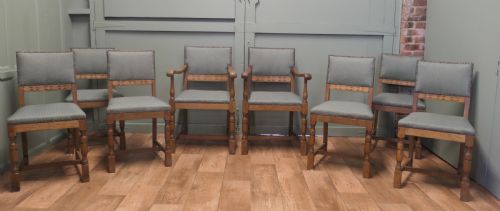
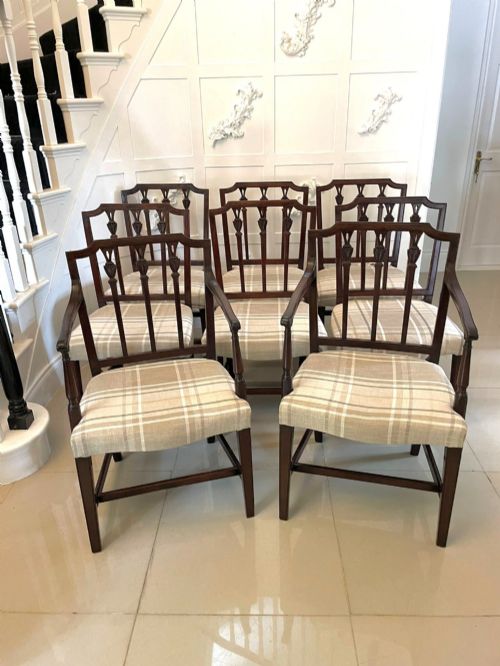
These traditional wooden carver armchairs bring warmth and heritage into a room, offering sturdy seating built to last generations.
What They Are
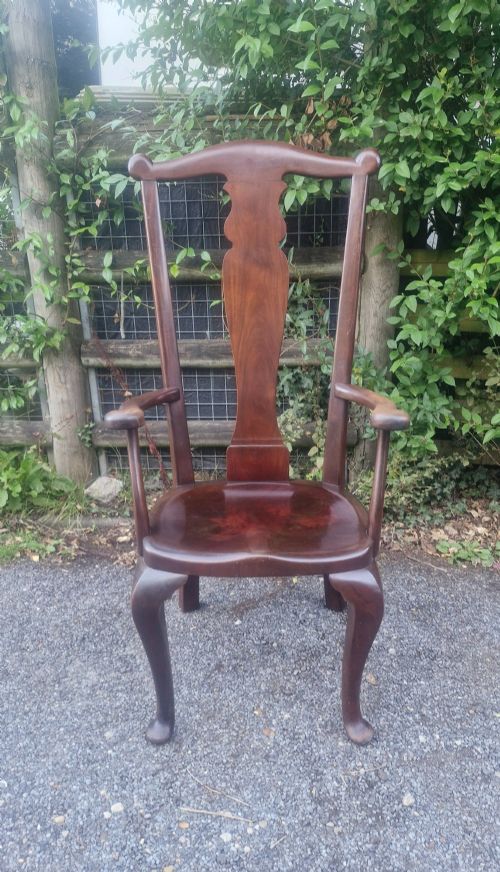
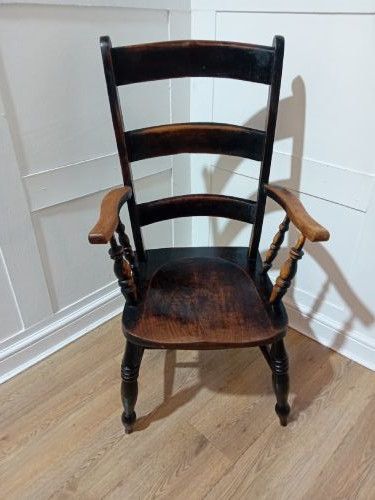
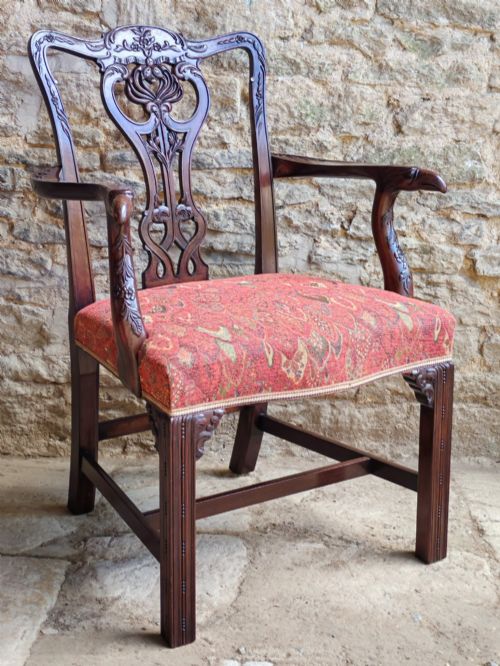
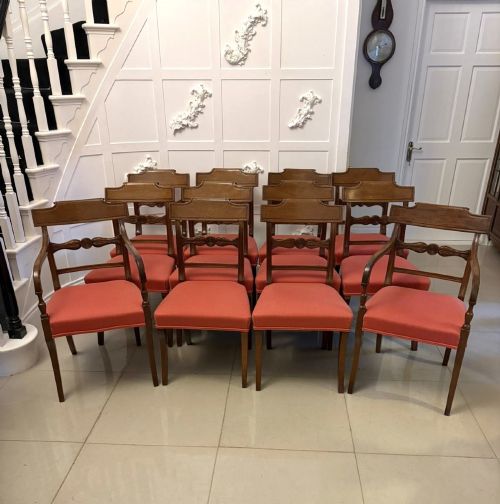
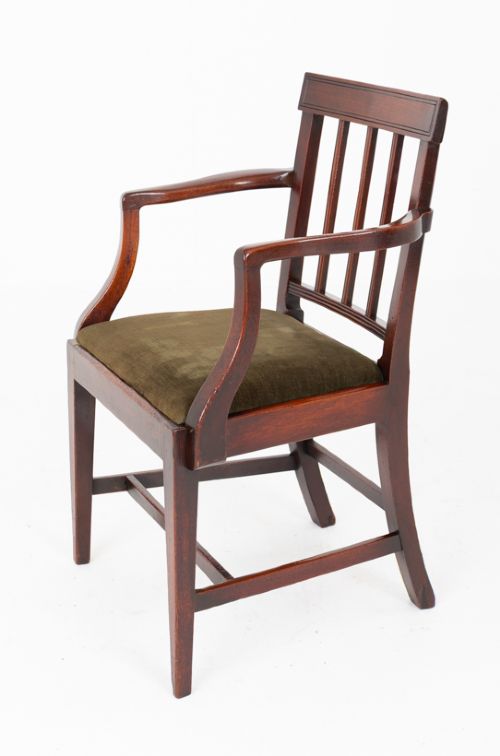
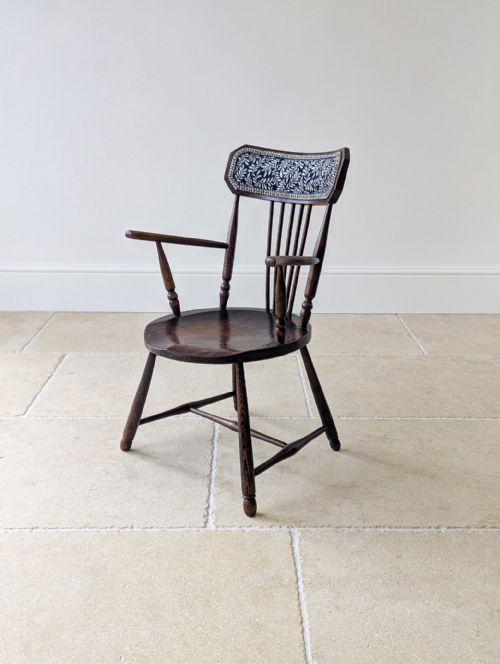
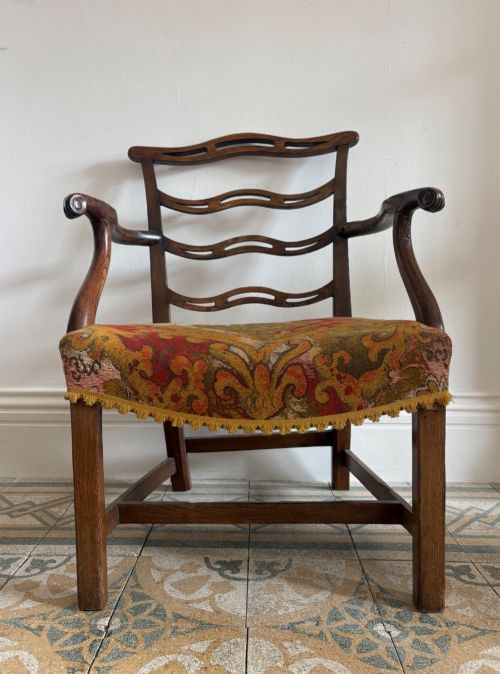
A traditional wooden carver is a sturdy armchair designed for the head of a table or fireside seating, featuring supportive armrests integrated into the frame. Buyers seeking this phrase encounter robust country seating originating from the Georgian period through to the late nineteenth century.
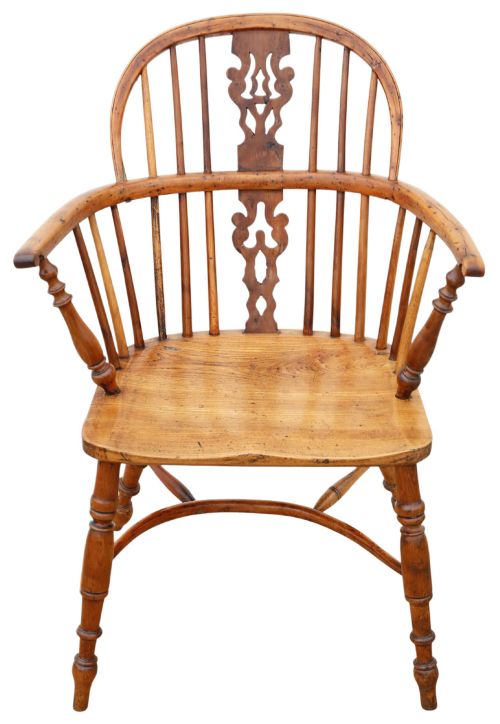
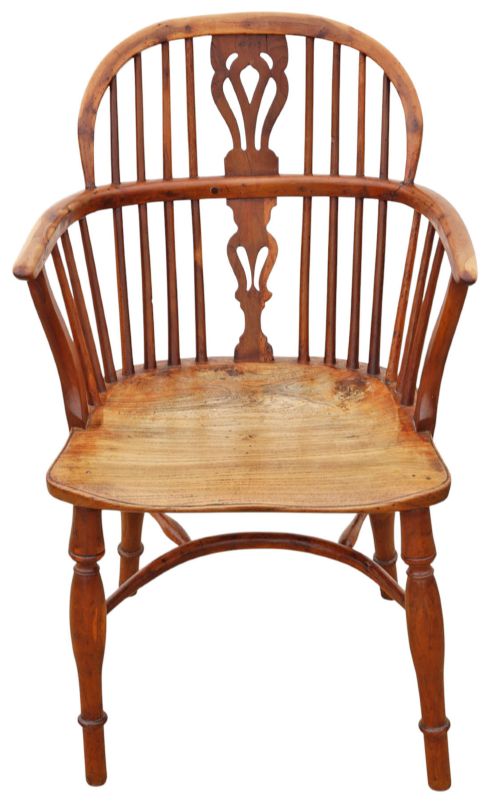
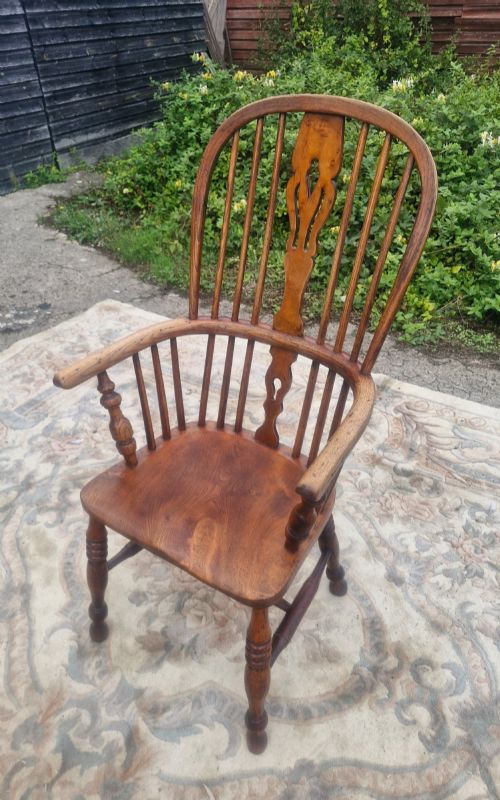
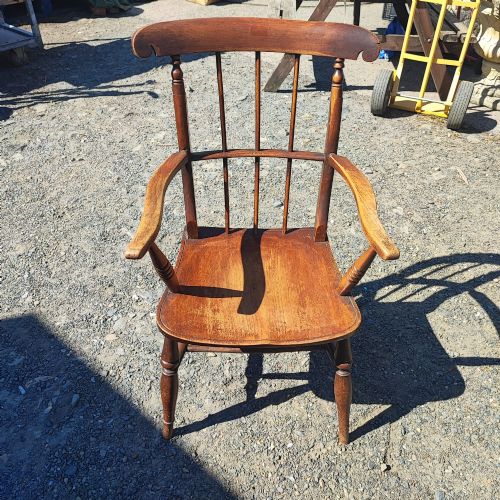
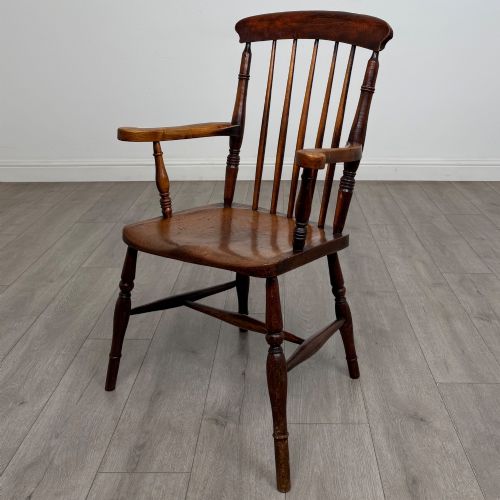
The pieces appearing here include Windsor armchairs with wheelback designs, Thames Valley Oxford chairs, and ladder-back armchairs. These regional English forms reflect domestic utility and traditional woodworking skills handed down through generations.
How They Were Made
Craftsmen built these traditional wooden carver armchairs using solid native timbers such as elm, ash, beech, yew, and mahogany. These woods were chosen for their strength, grain pattern, and local availability.
Joinery techniques relied heavily on traditional turning, steam-bending, and wedged tenon joints to secure spindles and seats. Surfaces often retain original finishes, showing the natural patina developed over decades of use.
Retail Price Guide 2026
Typical UK retail prices for traditional wooden carver, calculated from the Sellingantiques database of over a million retail prices indexed since 2003. This retail price guide relies exclusively on Sellingantiques data; no external sources or auction records are used, so the figures do not describe the wider market.
What Varies in Quality
Quality in a traditional wooden carver rests upon the selection of timber and the harmony of its proportions. Finer examples display carefully chosen burr or figured wood, particularly in sculpted seats and steam-bent arm bows.
The integrity of the construction and the subtlety of the spindle turnings distinguish superior regional workshop output from simpler utilitarian seating. Original surface patination without excessive restoration also marks out a better piece.
The Traditional Wooden Carver Glossary
- Windsor armchair
- A chair built with a solid wooden saddle seat into which the legs and back spindles are directly fitted. These seats often feature distinct bow backs and central splats.
- Wheelback
- A design motif carved into the central back splat resembling the spokes of a cartwheel. This decorative feature became popular in nineteenth-century country chairs.
- Ladder-back
- A chair back constructed from horizontal wooden slats set between two upright posts. This traditional form offers comfortable back support through simple geometry.
- Yew wood
- A dense, richly grained timber prized for its warm colouring and resilience. It was frequently utilised for high-status Windsor chairs.
- Spindle
- A slender, turned wooden rod used to form the structural backrest or undercarriage bracing of a chair. Turnings can vary from plain cylinders to elaborate profiles.
Frequently Asked Questions
How do I care for antique wood?
Keep antique wooden seating away from direct heat sources and dramatic humidity changes to prevent the timber from splitting.
Apply a traditional beeswax polish occasionally to nourish the surface and maintain the natural lustre of the aged finish.
Are these chairs comfortable for daily use?
Many traditional country armchairs feature sculpted wooden seats designed to contour to the body for natural support.
While they lack upholstered cushioning, their ergonomic proportions make them well-suited for sitting at a desk or table.
How do I identify a Windsor chair?
A Windsor chair is characterised by its thick wooden seat slab that directly anchors the legs and the back assembly.
Instead of a standard frame construction, the components rely on socketed joints where turned spindles form the backrest.