

Traditional Wooden Carver Chair
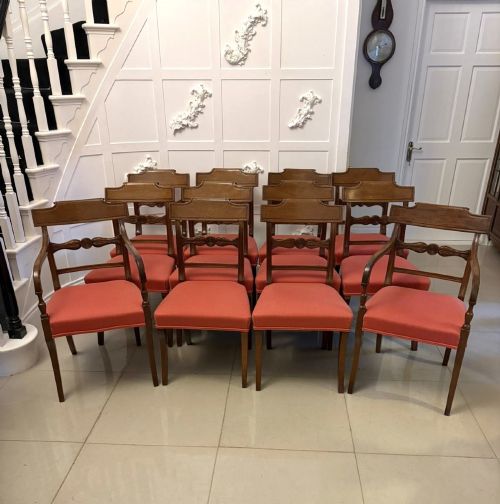
A traditional wooden carver chair brings enduring structural craftsmanship and historic timber character to any dining table or study.
Traditional Wooden Carver Chair
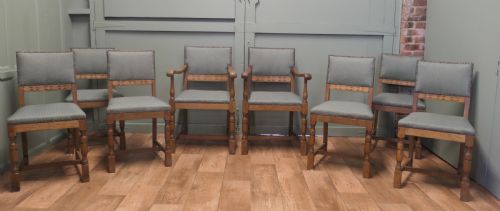
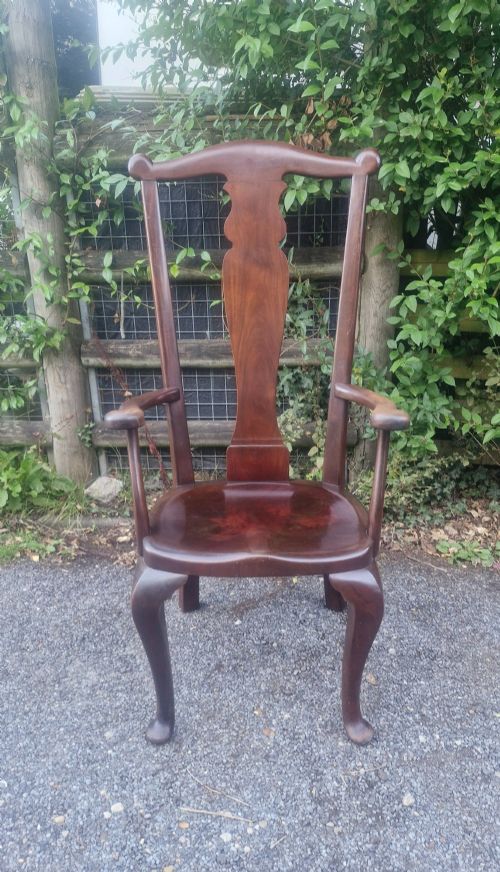
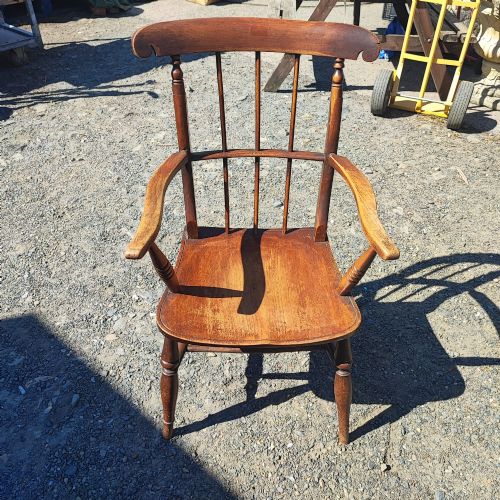
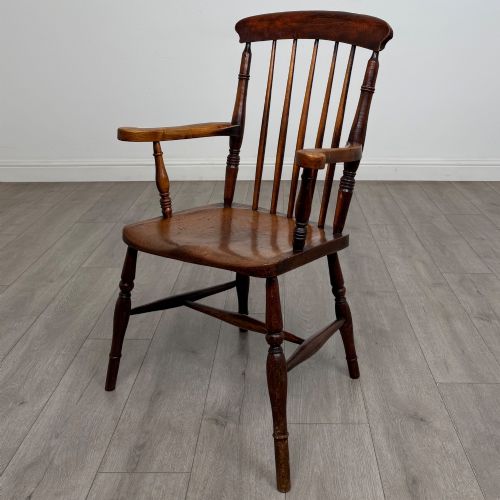
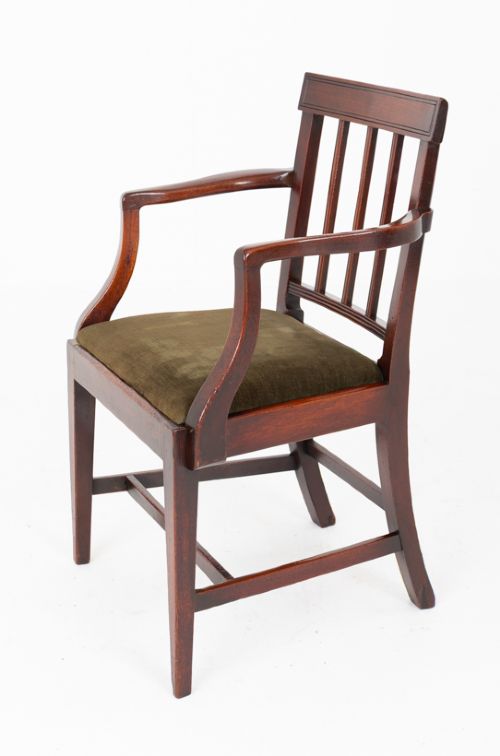
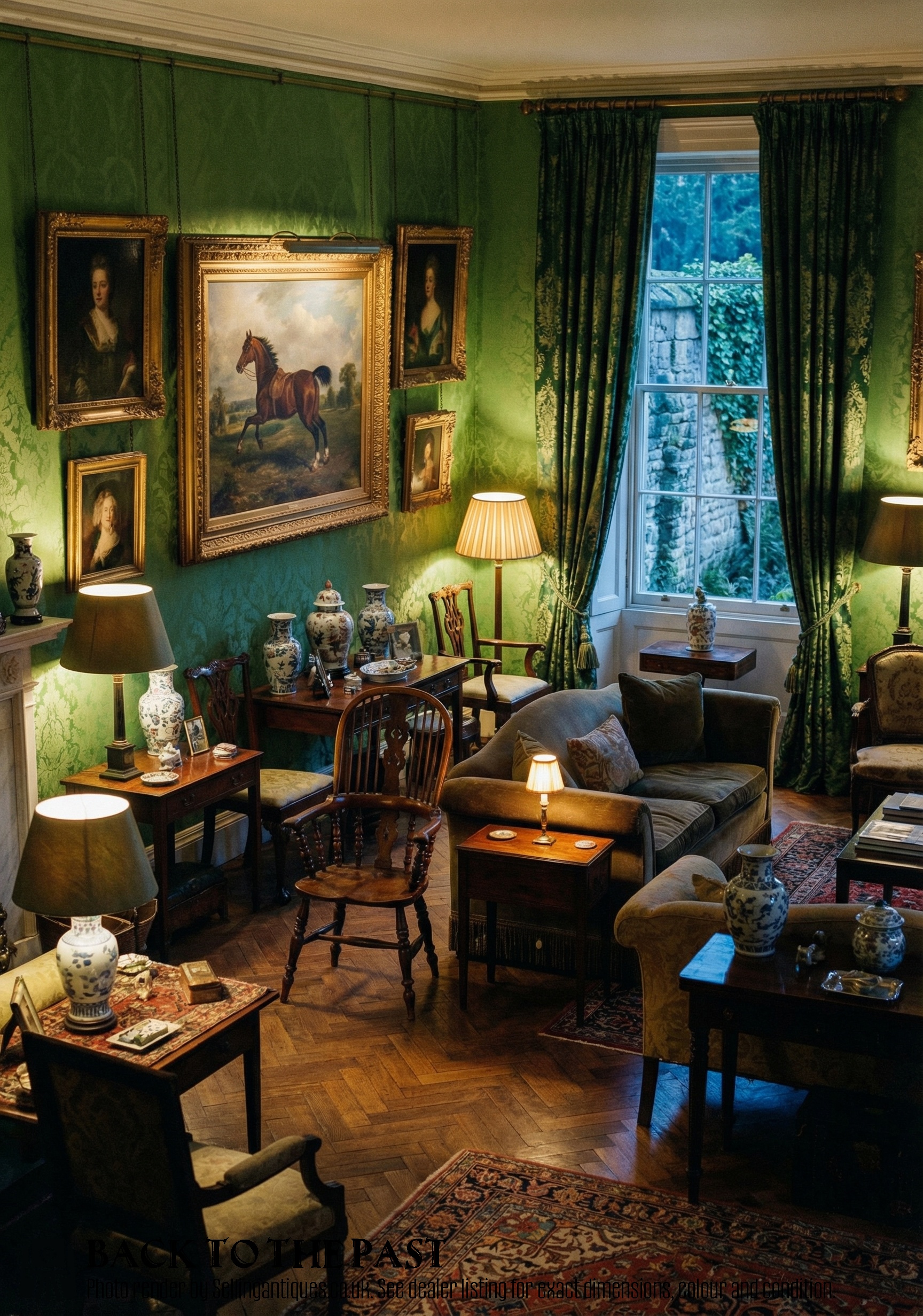
A traditional wooden carver chair is an armchair designed to stand at the head of a dining table or serve as a substantial desk seat. These pieces emerge primarily from the Georgian, Victorian, and Edwardian periods, carrying the hallmarks of distinct eras in British furniture making.
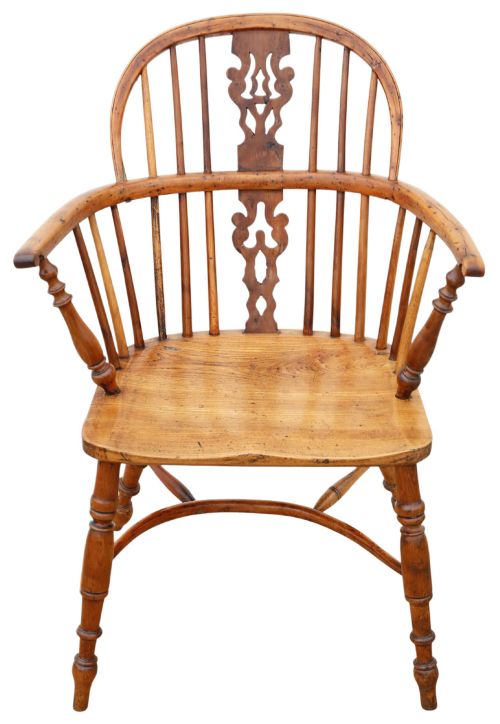
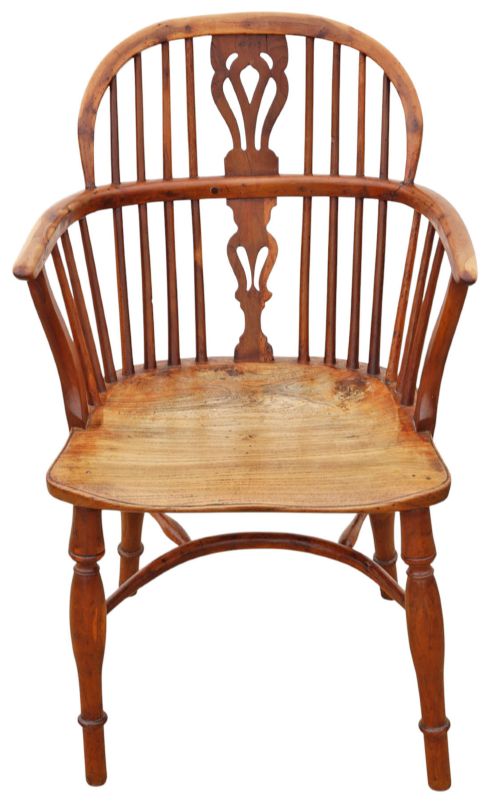
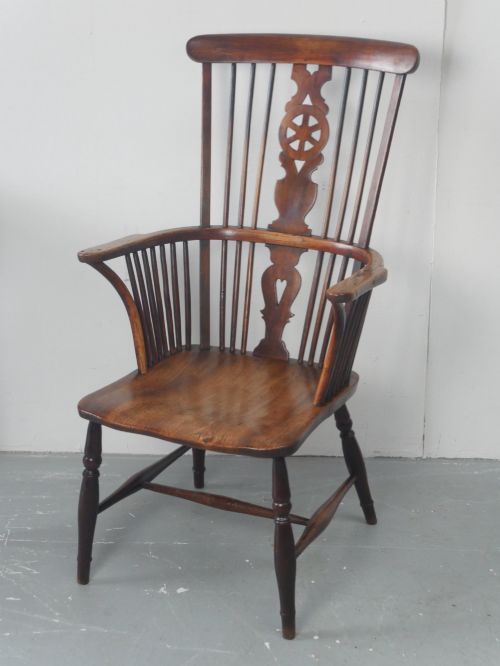
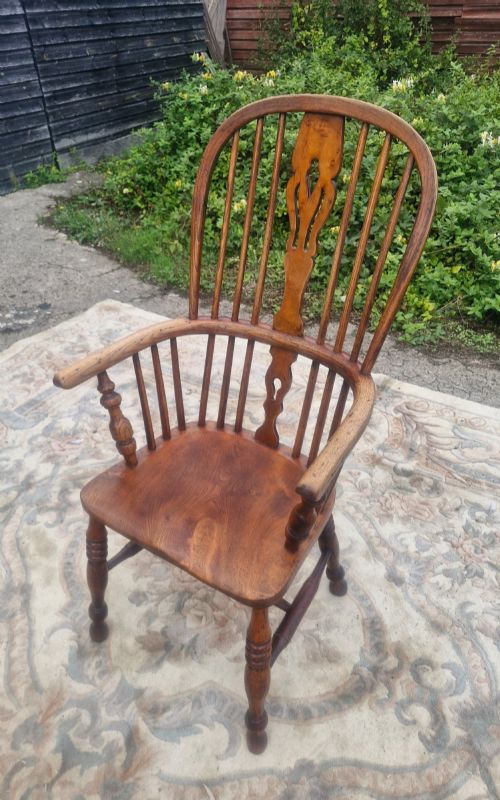
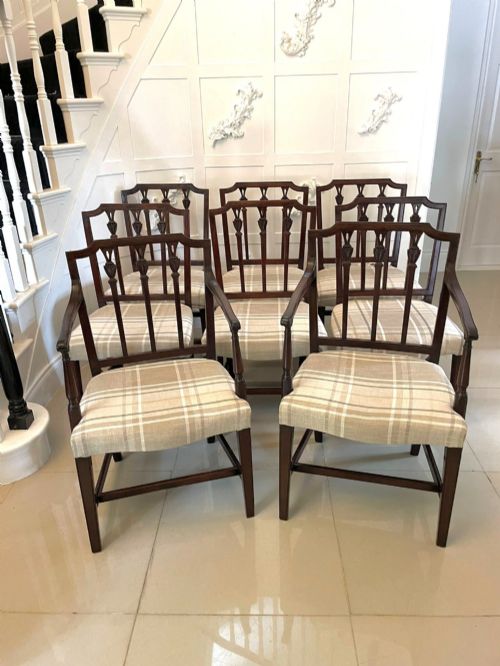
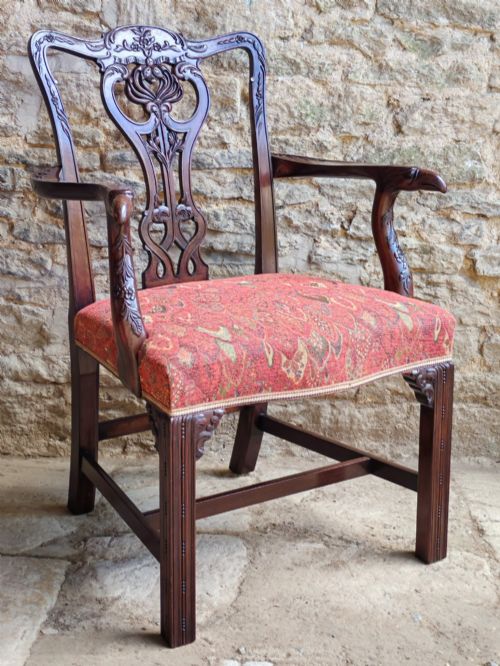
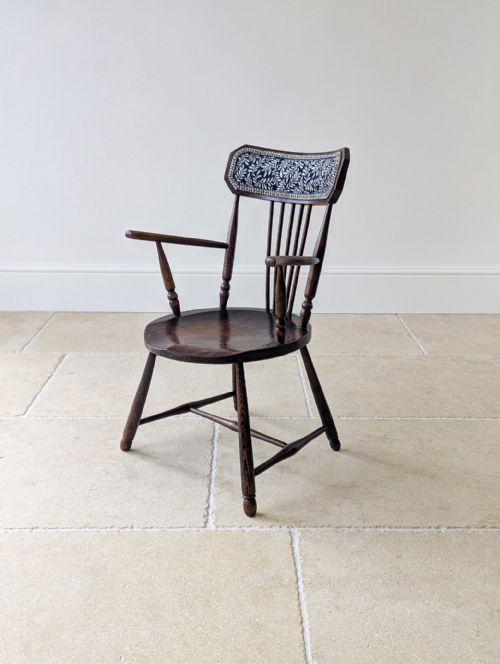
Buyers encounter two distinct lineages within this search phrase. The first comprises formal mahogany dining carvers designed in Georgian, Regency, and Hepplewhite styles. The second encompasses vernacular country chairs, most notably Windsor armchairs fashioned from native timbers.
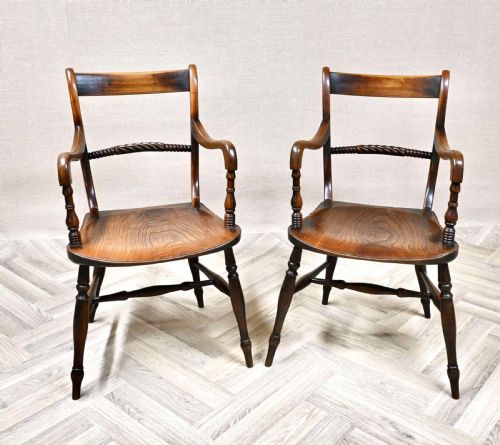
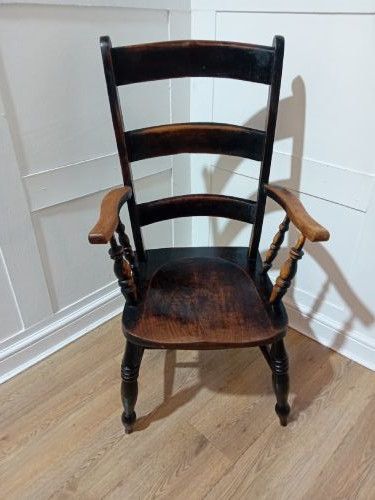
Regional variations appear frequently, from Thames Valley Oxford chairs to provincial ladderbacks and wheelbacks. Elm, ash, and yew feature prominently in these country models, offering robust seating built for daily domestic use.
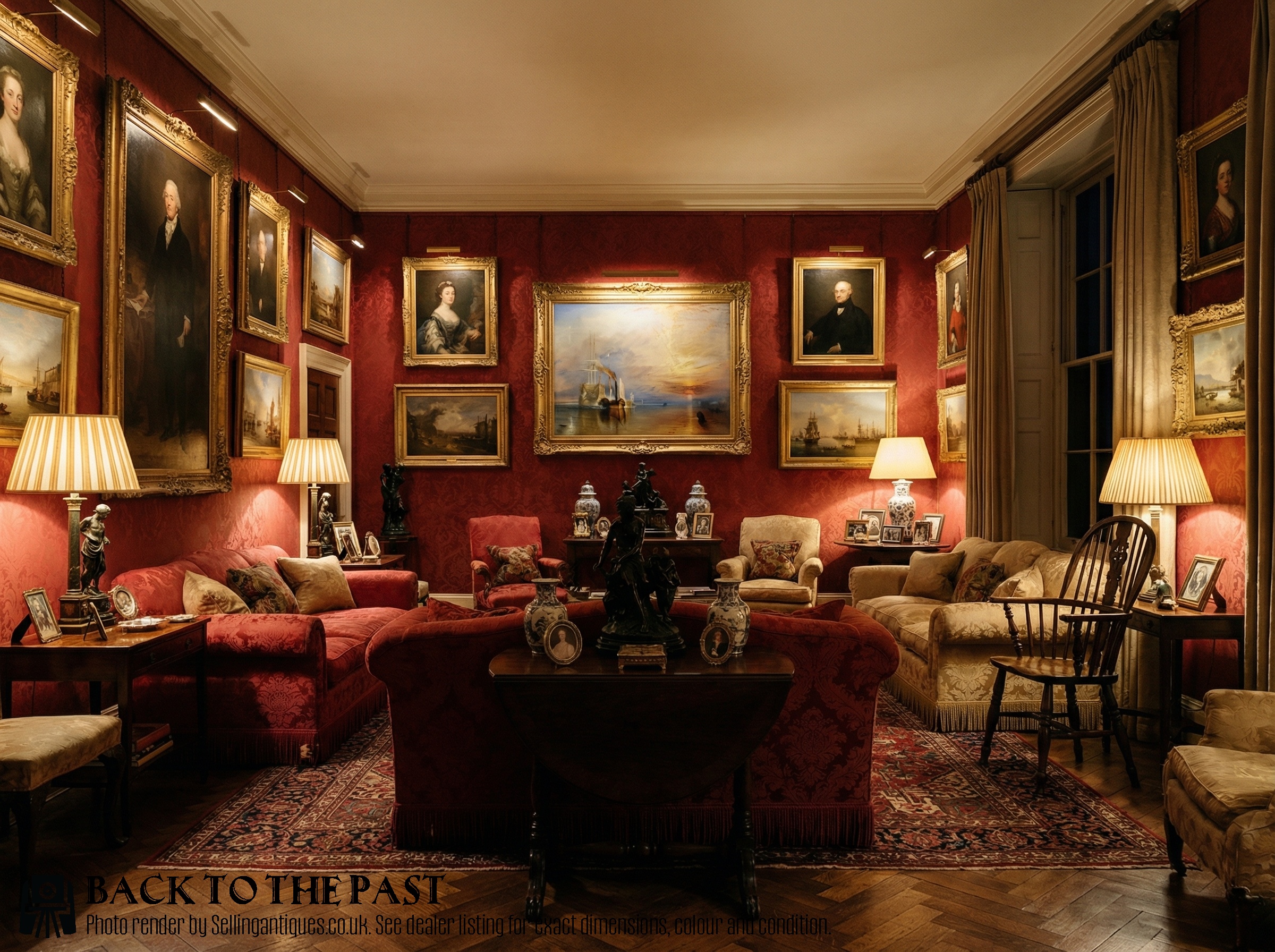
Materials and construction
Cabinet makers and bodgers relied upon contrasting native timbers to build enduring strength into these frames. Elm frequently formed the solid saddle seats of country armchairs, while ash and yew provided resilient spindles and bentwood hoops.
Formal dining carvers utilised dense imported hardwoods like mahogany, shaped into shield backs, ropebacks, and open arms with mortise and tenon joinery. Country Windsor carvers employed traditional steam-bending techniques to form the characteristic bow backs.
Surfaces were finished with natural oils, waxes, or shellac polishes that developed deep patinas over centuries of handling. Seats were left bare or fitted with drop-in pads upholstered in tapestry, leather, or woven rush.
Traditional Wooden Carver Chair Retail Price Guide 2026
Typical asking prices for traditional wooden carver chair among the pieces listed under this phrase on Sellingantiques today, from the lower quarter to the upper quarter. They describe what is for sale here now, not the wider market.
The inventory spans the Georgian, Victorian, and Edwardian periods, incorporating both provincial vernacular designs and refined urban cabinet work.
Determinants of quality
The integrity of the original timber and the retention of surface finish dictate the standing of a piece. Examples retaining genuine patination and undisturbed patinas command greater appreciation than those stripped and heavily refinished.
Structural harmony separates standard vernacular work from master craftsmanship. Well-proportioned arm supports, balanced spindle turnings, and tight, honest joints indicate superior workshop origin.
The complexity of the carved or turned elements, such as intricate ropetwist arms or crisply detailed Chippendale splats, distinguishes everyday utility furniture from exceptional cabinet work.
Howard and Sons·Philip Clissett·Maple and Co
The Traditional Wooden Carver Chair Glossary
- Carver chair
- An armchair designed to match a set of dining chairs, traditionally placed at the head of the table. These seats feature supportive armrests integrated into the upper frame.
- Windsor chair
- A wooden chair constructed with a solid elm seat into which the legs, back spindles and bow are separately inserted. They embody English country vernacular design.
- Stick back
- A chair back formed of simple vertical wooden spindles tenoned directly into the seat and top rail. This construction provides sturdy support with minimal framing.
- Wheelback
- A Windsor chair variant featuring a pierced wooden splat carved in the shape of a cartwheel. It remains a notable style of the late Georgian and Victorian eras.
- Ladderback
- A chair featuring horizontal wooden slats across the backrest between upright posts. This traditional form dates back centuries in country workshops.
Traditional Wooden Carver Chair: Frequently Asked Questions
What is a carver chair?
A carver chair is an armchair traditionally manufactured to match a set of dining chairs. It sits at the head of the table and offers lower, supportive armrests.
These pieces function as both practical seating and decorative focal points in dining rooms or studies.
How do I date a wooden armchair?
Dating relies on examining the timber species, joinery techniques, and stylistic markers such as shield backs or stick backs. Georgian and Victorian examples exhibit distinct tooling marks and wood ageing.
Comparing construction methods with documented period pieces helps establish an accurate timeframe of origin.
Are Windsor chairs comfortable?
Windsor chairs feature sculpted solid elm seats shaped to fit the body over long periods of sitting. Their raked legs and steam-bent hoops provide natural flex and sturdy support.
Adding a loose fabric cushion allows for softer seating while preserving the historic timber surface.
Can I use antique carvers daily?
Solid hardwood construction makes these traditional armchairs exceptionally durable for everyday domestic use. Checking joint stability ensures the frame handles regular weight safely.
Routine polishing with natural wax protects the historic wood finish from daily wear and tear.