
Traditional Wing Back Chair
A traditional wing back chair offers deep comfort and draught protection, making it a timeless focal point for any study or drawing room.
Traditional Wing Back Chair
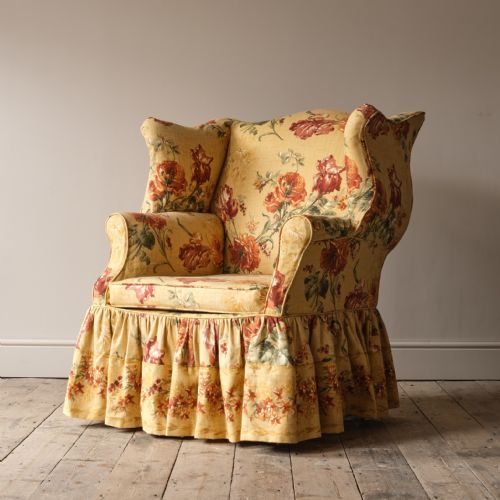
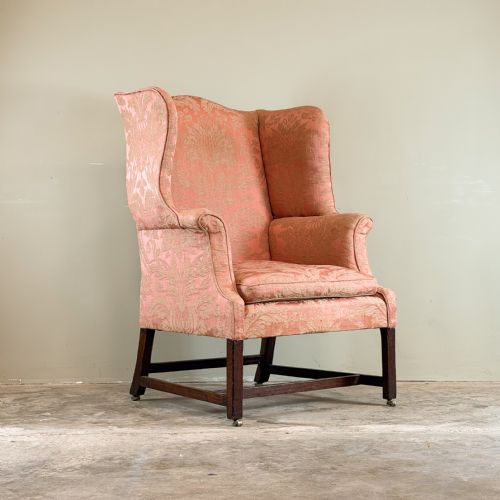
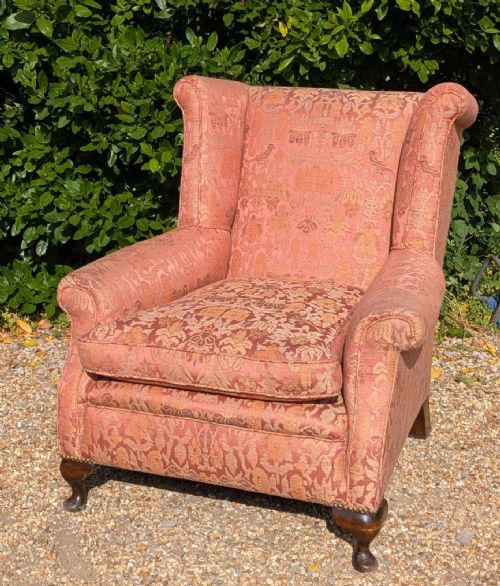
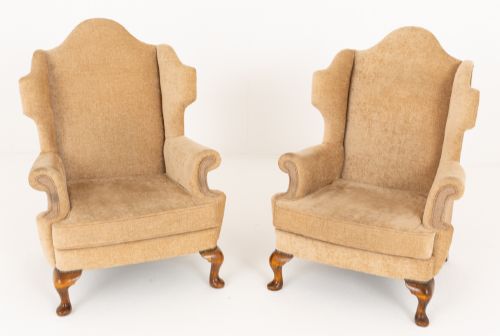
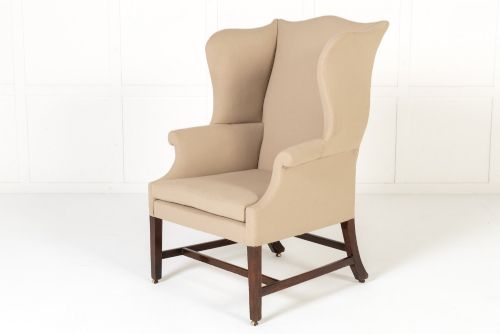
A traditional wing back chair is a high-backed seating form designed to shield the occupant from draughts while keeping the warmth of a hearth close. When searching for a traditional wing back chair, buyers encounter pieces spanning the eighteenth century through to the 1930s, encompassing Georgian originals, Victorian iterations, and later Edwardian and revival pieces.
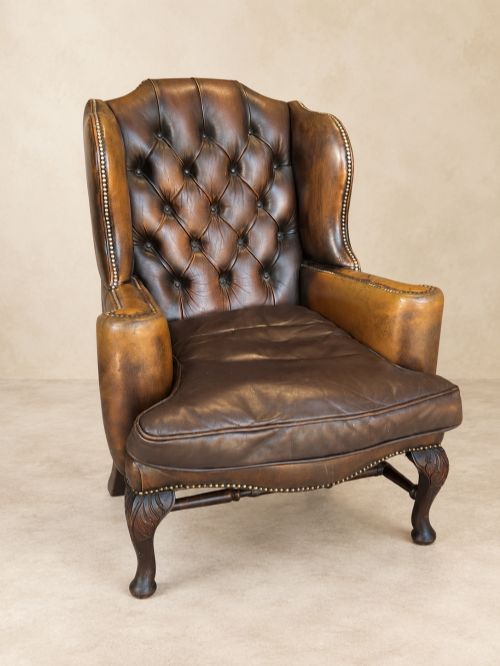
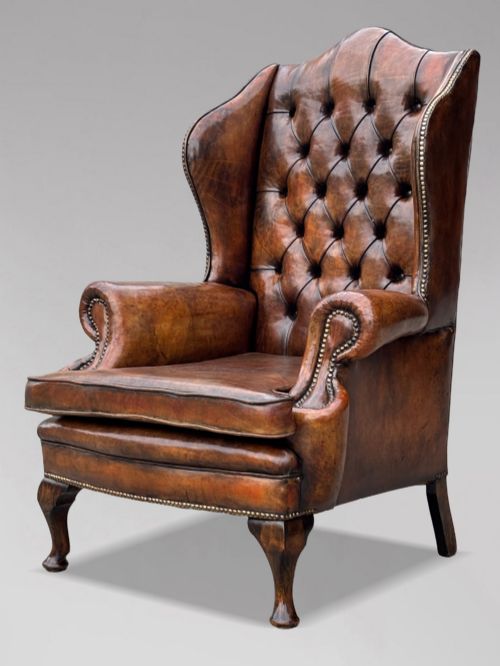
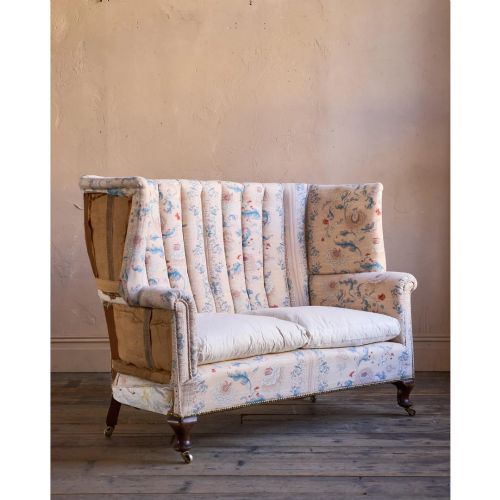
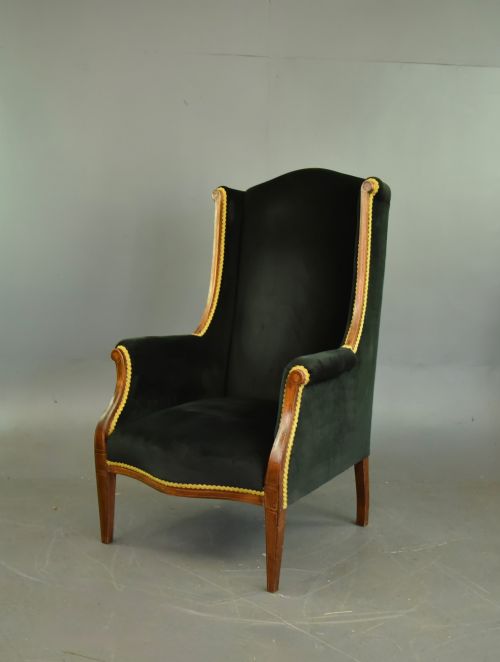
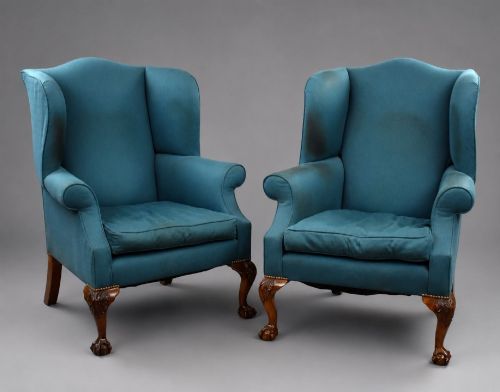
The form typically rests on timber legs, frequently carved in mahogany or walnut, supporting a heavily upholstered upper section with protective side wings. Listings on this page demonstrate that these armchairs appear in various formats, from standard proportions to large scale examples, barrel backs, and specific regional variants such as Lakeland lambing chairs and Orkney chairs.
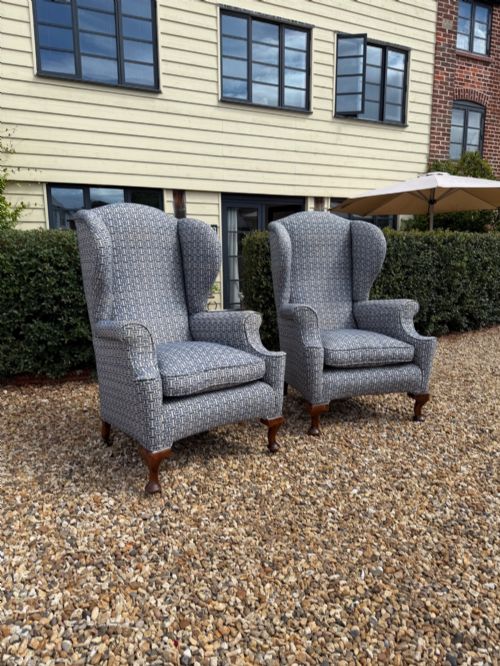
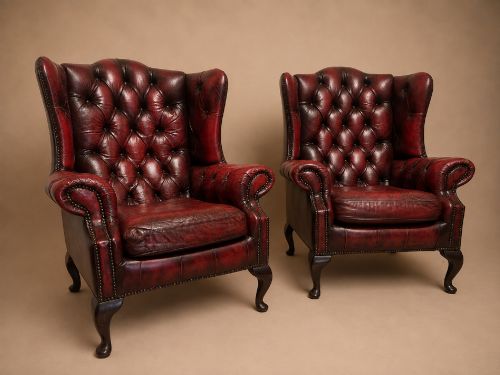
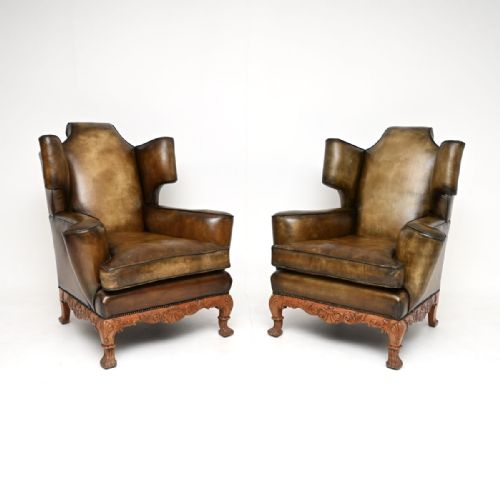
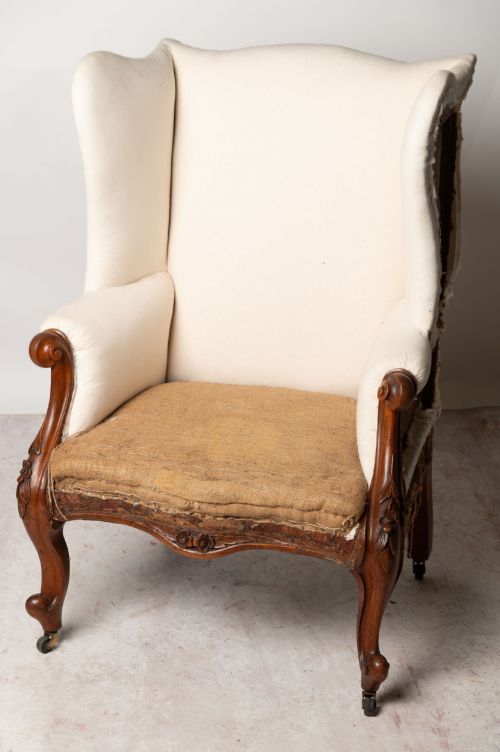
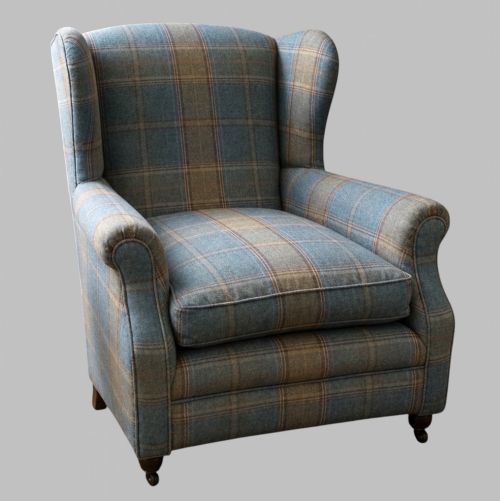
Stylistic influences range widely across the periods, incorporating Georgian lines, Queen Anne manners, and English country house aesthetics. Buyers also find pairs alongside single armchairs, upholstered in materials ranging from plain calico and plaid wool to buttoned leather.
How they were made
Frames are constructed from sturdy timbers such as mahogany, walnut, oak, and general hardwoods, providing a robust skeleton designed to bear heavy upholstery layers. Traditional construction methods involve substantial joinery to support the sweeping wings and high backs characteristic of the form.
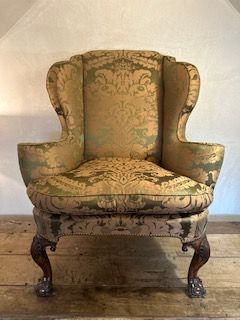
Upholstery relies on traditional stuffing materials, hessian foundations, and supportive springing, often finished with feather filling for seat cushions. Outer coverings utilise tactile fabrics including velvet, chenille twill, Shetland plaid, and hide, frequently secured with brass detailing or individual tacks.
Traditional Wing Back Chair Retail Price Guide 2026
Typical asking prices for traditional wing back chair among the pieces listed under this phrase on Sellingantiques today, from the lower quarter to the upper quarter. They describe what is for sale here now, not the wider market.
Some chairs sport mulberry Shetland plaid for when traditional leather feels far too stern for a quiet Sunday afternoon.
What varies in quality
The distinction between ordinary and superior examples rests upon the integrity of the timber frame and the finesse of the upholstery execution. Finer pieces display well-proportioned wings and refined leg carving, whereas lesser examples may exhibit heavier, less balanced proportions.
Material choice and condition heavily influence the overall character, with high-grade patinated leather or carefully matched period textiles elevating the visual presence of the chair. The depth of traditional stuffing and the retention of supportive seating comfort further separate standard workshop production from exceptional cabinet-maker output.
Howard And Sons·Whytock And Reid
The Traditional Wing Back Chair Glossary
- Wing back
- An armchair featuring projecting side panels designed to deflect cold draughts away from the user's head and face.
- Barrel back
- A seating form where the upholstered back curves continuously into the arms to form a semi-enclosed barrel shape.
- Hessian
- A coarse woven fabric typically utilised as a hidden internal foundation layer for traditional upholstery and webbing support.
- Chenille
- A textured fabric with a fuzzy pile resembling a caterpillar, often chosen for its tactile warmth and durable weight.
- Patina
- The surface sheen and softening of tone acquired by leather and wood through decades of handling and ageing.
Traditional Wing Back Chair: Frequently Asked Questions
How do I identify a Georgian wing chair?
Georgian examples typically display characteristic timber species like mahogany or walnut, often featuring finely carved cabriole or straight legs depending on the exact decade.
Look closely at the proportions of the wings and the sweep of the arms, which follow the restrained yet elegant design language of the eighteenth century.
What is the purpose of the wings?
The side panels were originally engineered to trap heat from an open fireplace while shielding the seated person from cold draughts in large rooms.
Over time, the feature evolved from a functional necessity into a distinct stylistic hallmark of traditional upholstery design.
Are leather wing chairs period accurate?
Leather upholstery appears across multiple eras, from eighteenth-century library seating to Victorian and 1920s club chair interpretations.
Early hides tend to show deep natural patination, whereas later twentieth-century iterations often feature buttoned detailing and more uniform finishes.
How should I place one in a room?
These large armchairs suit positions beside a fireplace, near a bookshelf, or acting as a standalone reading seat in a generous corner.
Because the high back creates a strong visual silhouette, consider how the chair interacts with surrounding sightlines and low furniture.