


Traditional Watercolour Art
Traditional watercolour art captures landscapes, coastal scenes, and pastoral life through delicate pigment on paper.
Traditional Watercolour Art
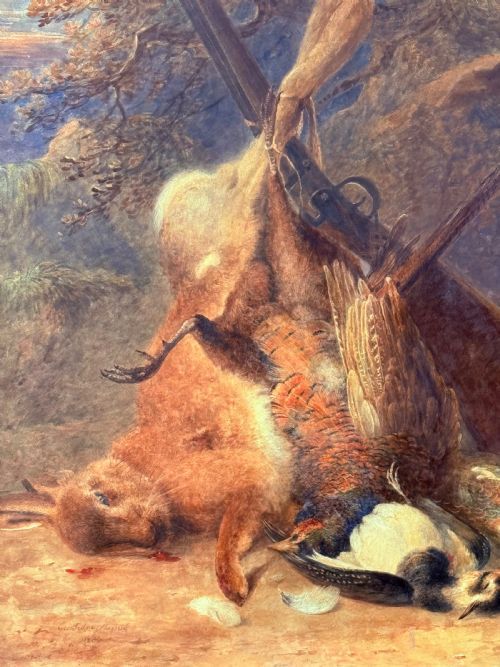
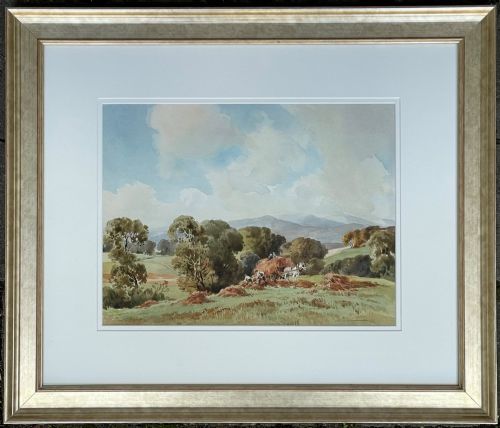
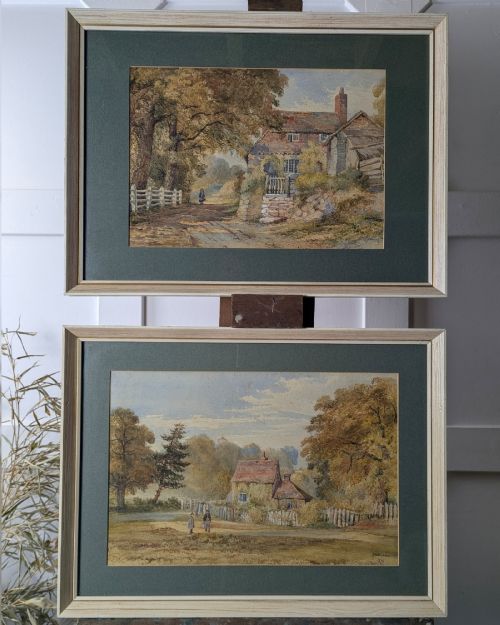
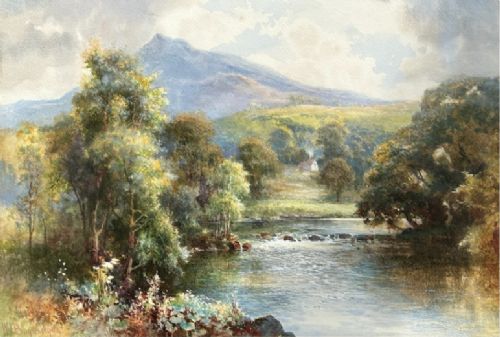
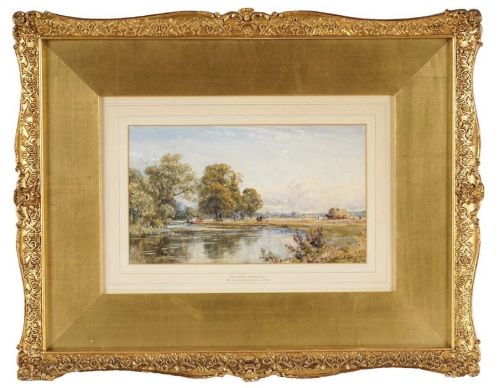
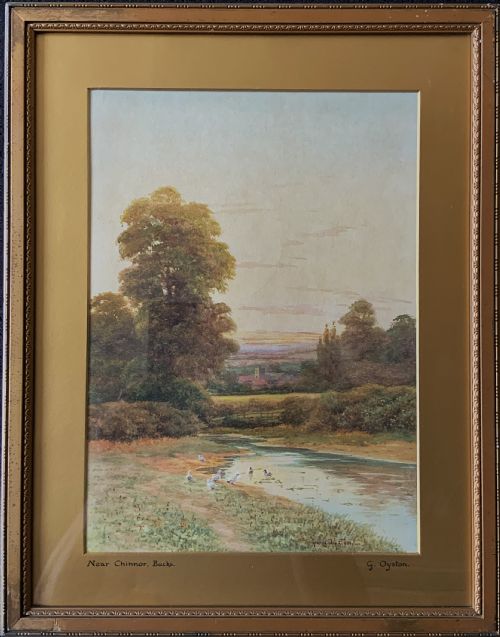
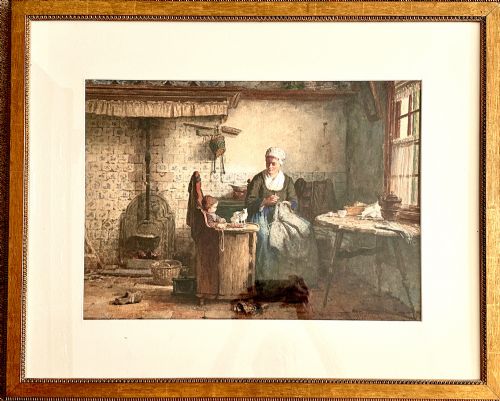
Traditional watercolour art centres on works created on paper using water-soluble pigments, spanning periods from the Victorian era through the mid-twentieth century. Buyers searching this phrase encounter framed paintings depicting British landscapes, Welsh rivers, pastoral scenes, and coastal harbours.
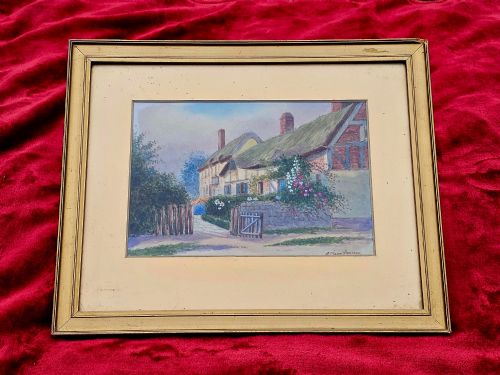
The most common pieces on this page originate from the nineteenth and early twentieth centuries, reflecting traditional British and Victorian fine art sensibilities. These works frequently feature framed presentations, often preserved behind glass in original wooden or gilt frames.
Materials and technique
Artists apply watercolour pigment suspended in water onto heavy paper surfaces, allowing the luminosity of the white paper to shine through translucent washes of colour. This technique requires precise brushwork and careful planning, as adjustments are difficult once the pigment dries.
Finished paintings are typically mounted behind glass to protect the delicate paper surface from atmospheric moisture and dust. Original frames often utilise wood or gilded wood constructions that complement the tonal qualities of the artwork.
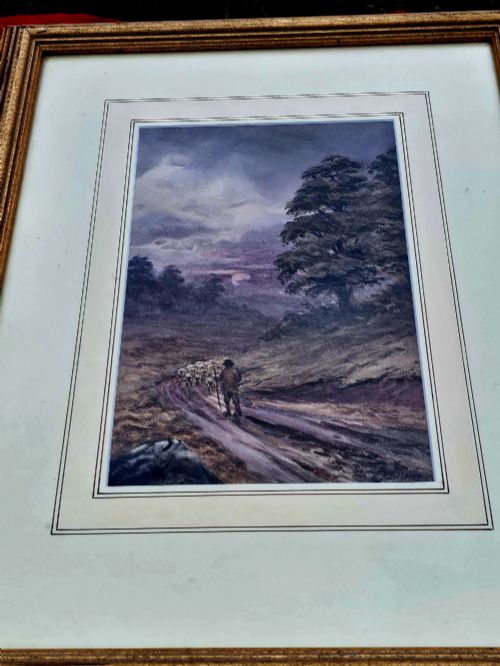
Several watercolours preserve the quiet movement of sheep being driven to market along rural lanes.
Distinctions in quality
The strength of a composition and the confidence of the brushwork separate finer examples from standard decorative works. Skilled artists capture light and atmospheric conditions with economy, ensuring the washes remain transparent and vibrant rather than heavy or overworked.
The integrity of the paper support and the preservation of pigment vibrancy heavily influence the standing of a piece. Works that retain their original colour saturation without excessive fading or foxing demonstrate superior longevity and material care.
Alfred Young Nutt·Percy Lancaster·A Marie Parsons·EJ Letheren·William Banks Fortescue·Robert A Nottingham·William Joseph Boyes·Robert Thorne Waite·John Smith Atherton·Joseph H Barnes·Ernest Arthur Rowe·George Oyston·Hendrik Valkenberg·Alfred G Morgan·Russell Sidney Reeves·Carlo Ferranti·Arthur Dudley·Robert Leslie Howey·Henry Martin Pope·David Cox·Henry Barlow Carter·Henry Charles Fox·Robert Little·Filipo Indoni·Henry John Kinnaird
The Traditional Watercolour Art Glossary
- Watercolour pigment
- Finely ground colour particles mixed with a water-soluble binder. This medium allows for translucent washes and delicate layering techniques.
- Gilt frame
- A wooden picture frame coated with a thin layer of gold leaf or metallic paint. These frames add a decorative border that enhances the visual depth of the painting.
- Wash
- A thin, fluid layer of diluted watercolour spread across the paper. Artists use this technique to create expansive skies, water, and atmospheric background effects.
- Foxing
- Brown spots or discoloration that develop on old paper due to chemical reactions over time. Careful environmental storage helps minimise this natural ageing process.
Traditional Watercolour Art: Frequently Asked Questions
How should I hang traditional watercolour art?
Keep these paintings away from direct sunlight to prevent the pigments from fading over time. Indirect natural light in a stable indoor environment protects both the paper and the frame.
Ensure the hanging wall remains free from dampness, which can encourage foxing and paper degradation. Professional framing with acid-free backing boards further secures the longevity of the artwork.
How do I identify a Victorian watercolour?
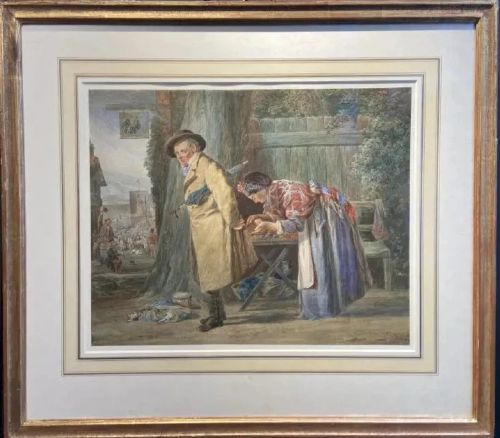
Victorian watercolours often feature detailed pastoral or coastal narratives, frequently accompanied by signatures and dates from the nineteenth century. The subject matter typically leans towards British landscapes, rural labourers, and topographical views.
Examine the framing and paper characteristics, as period pieces commonly utilise heavy rag paper and original gilt wood frames. Stylistic conventions of the period prioritise careful draughtsmanship and naturalistic colour palettes.
What subjects appear in these paintings?
Common subjects include British and Welsh landscapes, rivers, pastoral fields with livestock, and bustling fishing harbours. Artists frequently recorded everyday rural life, such as shepherds moving flocks or coastal workers by the sea.
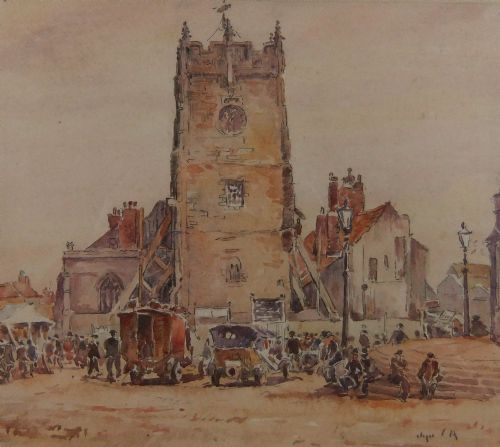
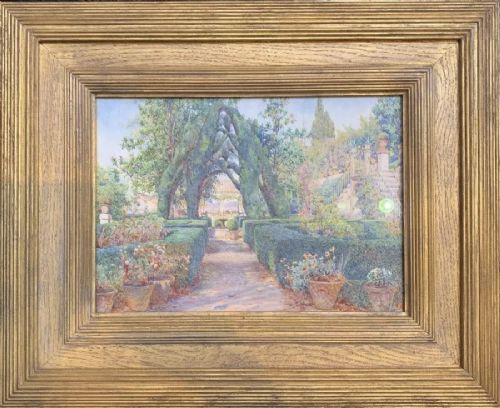
Topographical views of specific towns, cathedrals, and gardens also feature prominently in the record. These scenes provide a visual record of landscapes and architecture from past centuries.
Why are these works framed under glass?
Glass protects the delicate paper and water-soluble pigments from airborne dust, smoke, and moisture. Because watercolour lacks the protective varnish of oil paintings, the paper remains directly exposed to the atmosphere.
Glazing also prevents accidental physical contact with the delicate painted surface. Maintaining this protective barrier is essential for the preservation of antique works on paper.