

Edwardian Watercolour Art
Edwardian watercolour art brings tactile washes of pigment and ink to paper, capturing maritime scenes, country lanes and domestic moments through early twentieth-century eyes.
Edwardian Watercolour Art
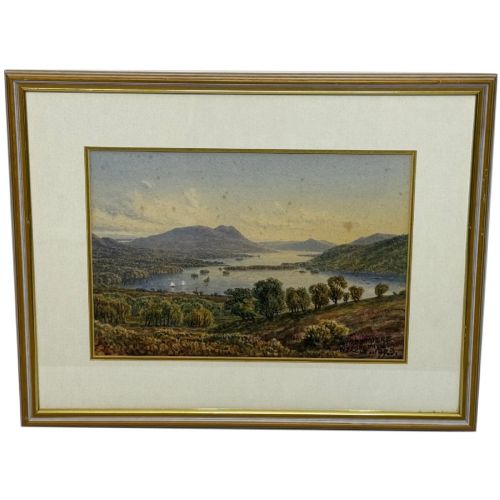
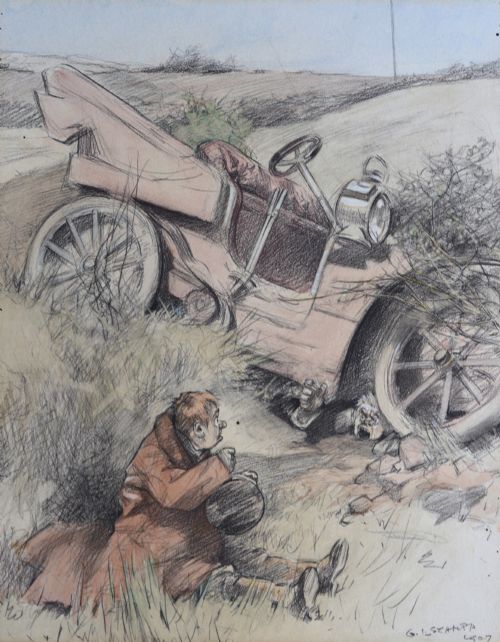
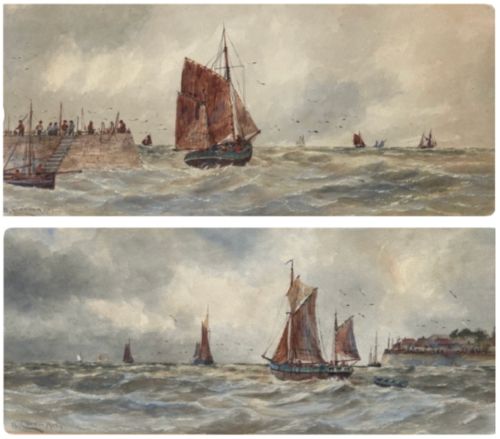
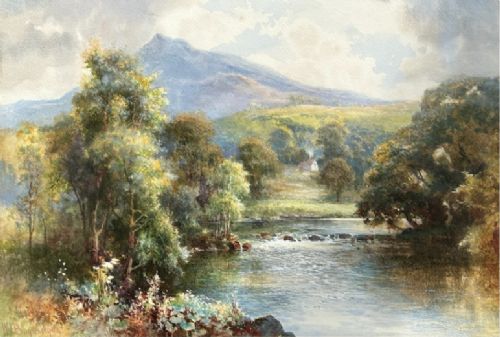
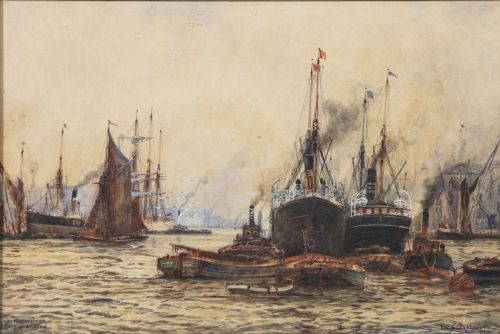
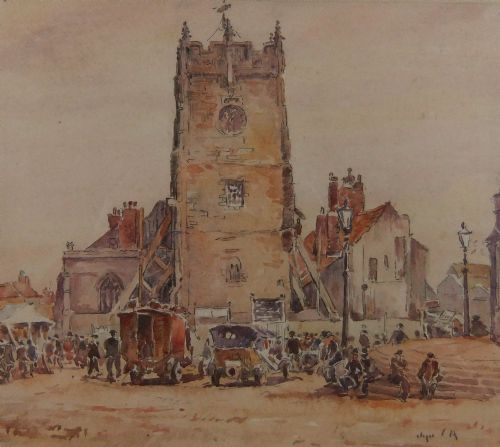
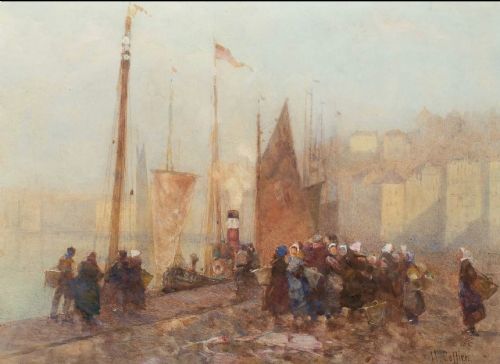
Edwardian watercolour art encompasses original paintings and framed works created on paper, frequently dating from the nineteen hundreds through to the interwar decades. Buyers browsing this phrase encounter coastal seascapes, Welsh river landscapes, floral garden studies and illustrative genre scenes.
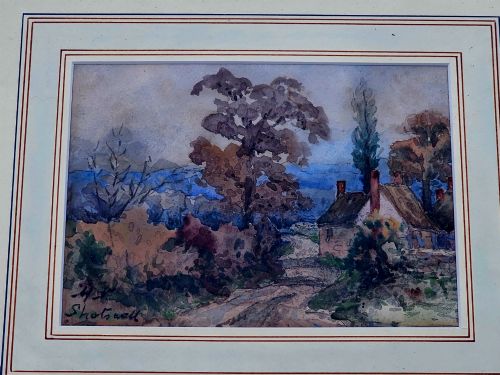
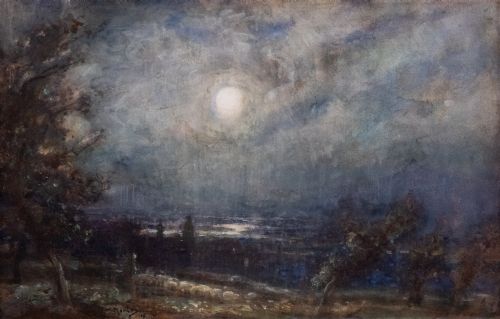
The selections span British Impressionism, maritime subjects and illustrative works, often signed by period artists. While the core of the inventory sits firmly in the Edwardian period and adjacent decades of the early twentieth century, pieces stretching back into Victorian and nineteenth-century traditions also appear.
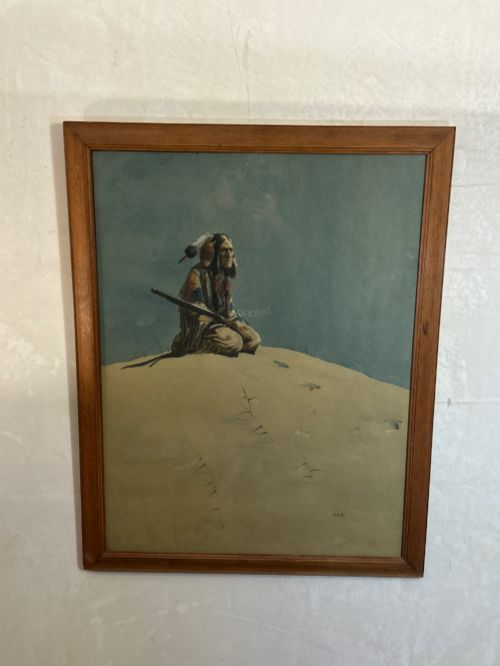
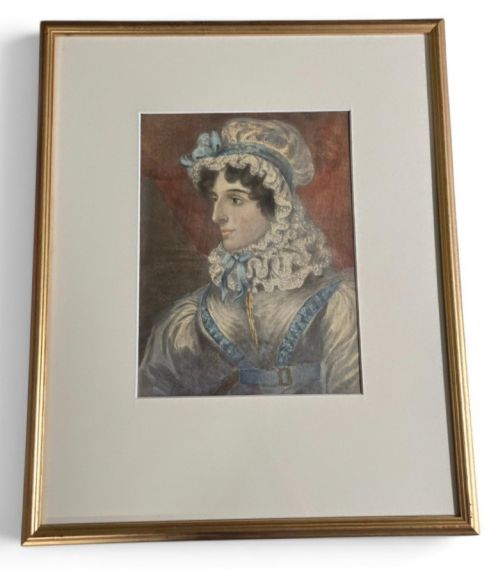
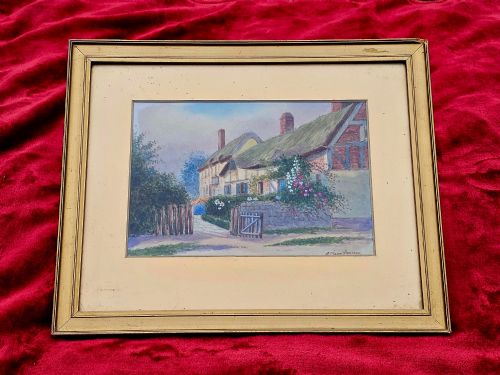
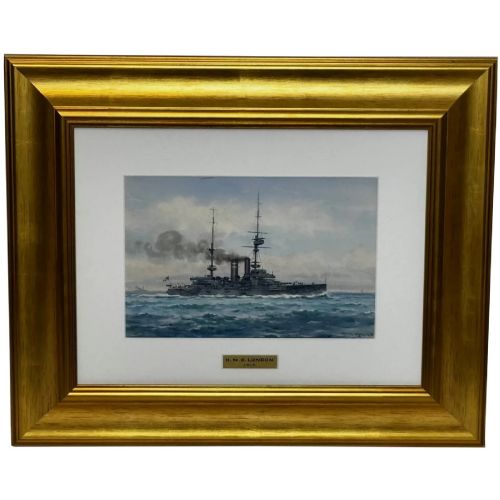
Framed watercolours dominate the category, preserved behind glass in period timber frames such as giltwood or oak. These works range from intimate miniature portraits to detailed architectural and rural compositions.
How They Were Made
These works rely on watercolour pigment and ink applied directly to paper, occasionally augmented with gouache or pastel for opaque highlights. Artists utilised fluid washes to capture atmospheric light, particularly in maritime and coastal views.
Preservation typically involves mounting beneath glass within wood or giltwood frames, protecting the delicate paper supports from atmospheric moisture. Supporting elements like woven silk or cardboard backing boards appear in specialised panels and prints.
Cats do not paint watercolours, but numerous dogs and horses feature quite prominently.
What Varies in Quality
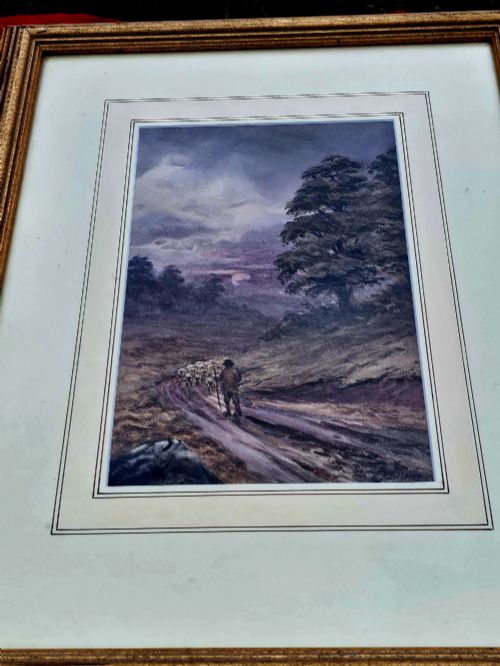
Quality rests in the fluidity of the brushwork and the artist's command of light and atmosphere across the paper surface. Stronger examples display confident pigment application and balanced composition, whether rendering a bustling market or a quiet woodland path.
Condition of the paper and pigment stability separate finer pieces from lesser ones, alongside the originality and preservation of the contemporary framing. Signed works by recorded period practitioners generally hold greater distinction than anonymous student output.
George Lorain Stampa·William Cannon·Thomas Ellison·John Hassall·Edward Bradford·A Marie Parsons·EJ Letheren·Frank Watson Wood·Henry Silkstone Hopwood·Thomas William Morley·Frank William Scarbrough·John Smith Atherton·Hector Caffieri·Ernest Arthur Rowe·George Oyston·Frederick James Kerr·George Rankin·Bonomi Edward Warren·William Matthison·Arthur Dudley·Percy Lancaster·Alexander Harwood·Robert George Talbot Kelly·Albert Ludovici Jnr·Charles Edward Wilson
The Edwardian Watercolour Art Glossary
- Watercolour pigment
- Finely ground colour particles suspended in a water-soluble binder, applied to paper to create translucent washes.
- Gouache
- An opaque water-soluble paint variant used by artists to add solid highlights and dense colour areas to works on paper.
- Giltwood
- Timber framing coated with a thin layer of gold leaf or gilt finish, commonly protecting period paintings.
- British Impressionism
- A painting style focusing on light and everyday subjects, prominent in works from the late nineteenth and early twentieth centuries.
Edwardian Watercolour Art: Frequently Asked Questions
How do I care for antique watercolours?
Keep framed pieces away from direct sunlight to prevent the watercolour pigments from fading over time. Maintain stable indoor humidity levels to protect the paper support and wooden frame.
Ensure the glazing remains intact and avoid hanging works in damp environments like kitchens or bathrooms.
Are these paintings original?
The majority of pieces listed are original painted works on paper created by hand. Signature and date inscriptions often accompany the primary composition.
Some listings include period prints or lithographs after original paintings, which are explicitly identified in the descriptions.
What subjects are most common?
Maritime scenes, fishing boats and coastal harbours appear frequently, reflecting the era's fascination with the sea. Rural landscapes, Welsh river views and vibrant garden studies are also widely represented.
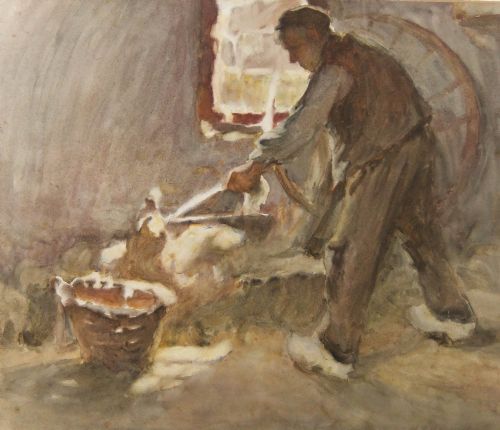
Genre scenes, portraiture and literary illustrations complete the typical inventory.