


Earth Tone Painting
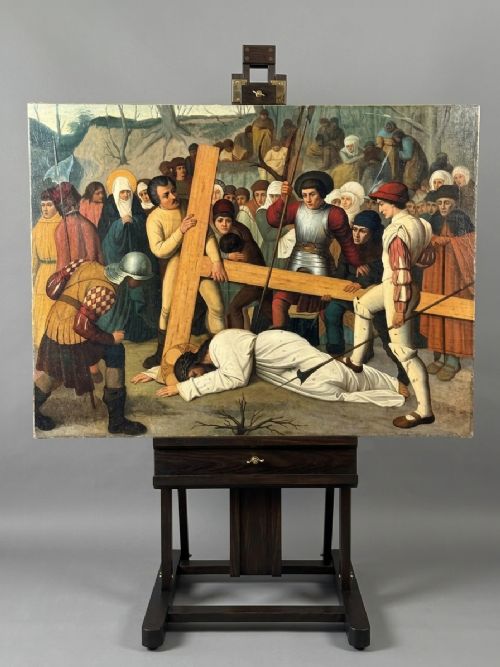
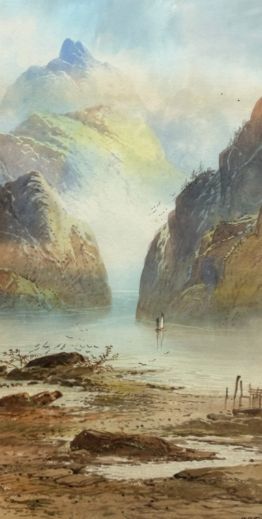
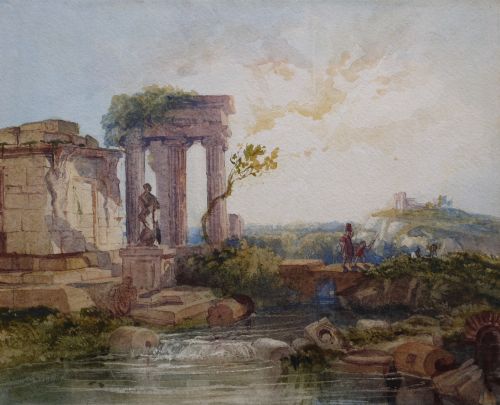
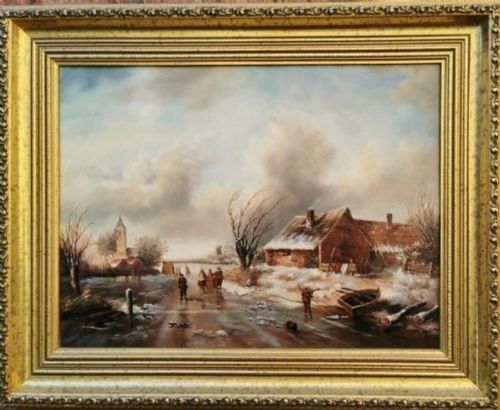
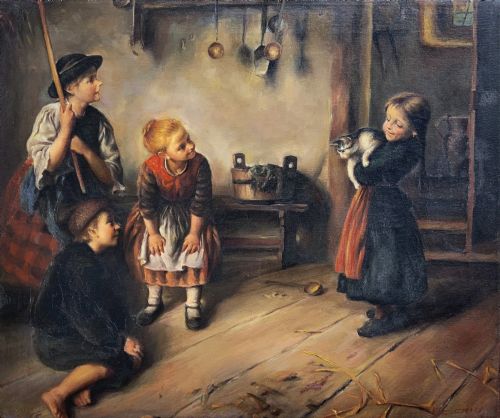
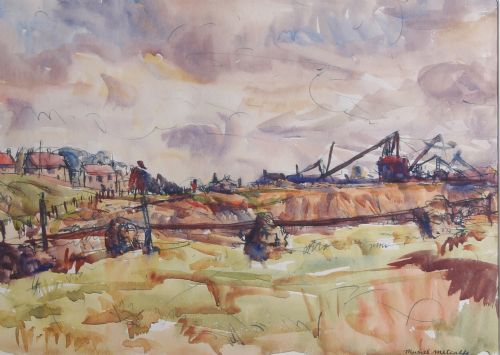
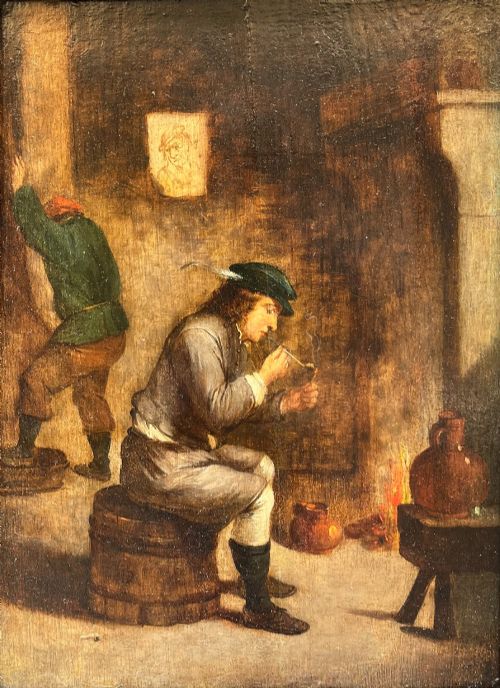
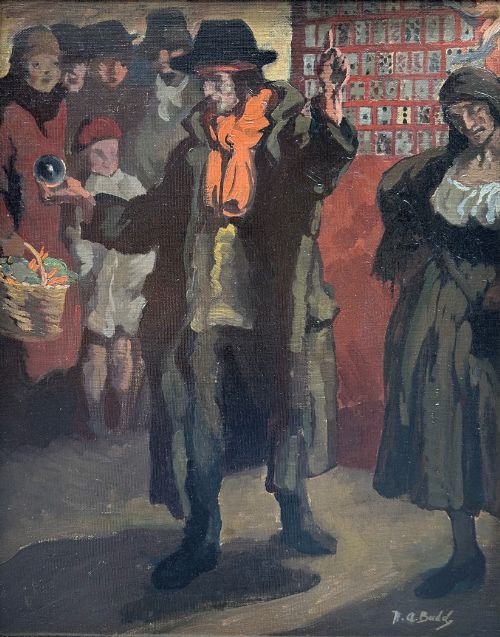
Earth tone painting captures the muted, natural palette of historic landscapes, genres, and still lifes from the nineteenth and twentieth centuries.
Earth Tone Painting
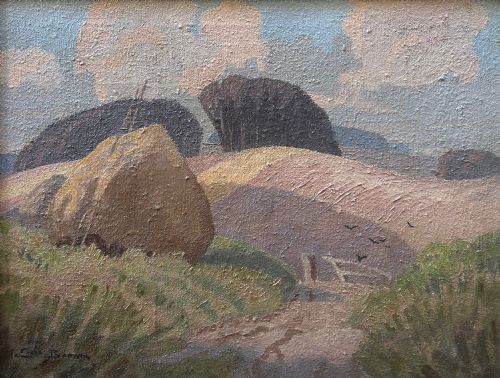
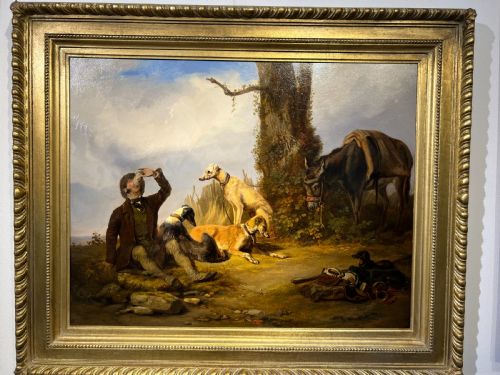
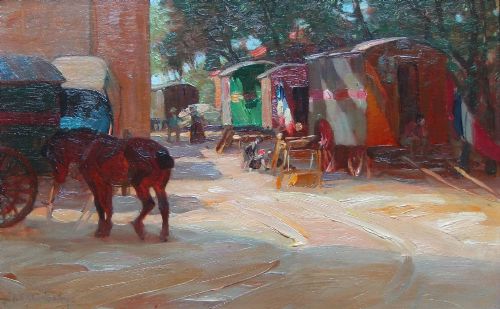
When searching for an earth tone painting, buyers encounter a selection spanning the nineteenth century through the mid-twentieth century, featuring styles such as British Impressionism, Victorian realism, and Modern British art. These works range from expansive Scottish and Yorkshire landscapes to intimate genre scenes and still lifes.
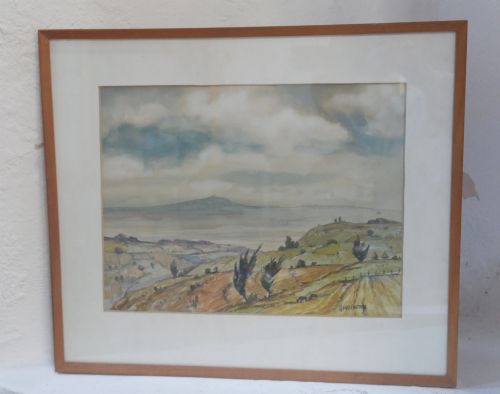
The selections on this page are most frequently represented by watercolour paintings and oil paintings on canvas, paper, and wood panel. Subjects typically draw from natural scenery, rural farmyards, and coastal views executed in muted pigments.
How earth tone painting was made
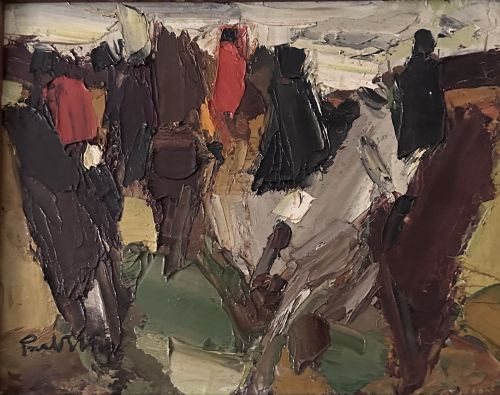
The physical support structures in these listings primarily consist of traditional prepared canvas, heavy artist paper, and wood panels housed within wooden frames. Painters utilised oil paint and watercolour pigment, often applying them with traditional brushes or impasto techniques to build texture.
Pigments were sourced and mixed to achieve subdued natural hues, reflecting the atmospheric conditions of British and European landscapes. Artists worked across studio and plein air settings, capturing light and shadow with oil on board or watercolour washes.
Artistic styles represented include British Impressionism, Victorian sporting art, Flemish Baroque, and Mid-Century Modern.
What varies in quality in earth tone painting
Quality in these works rests upon the confidence of the brushwork, the handling of light, and the compositional balance achieved by the artist. Stronger pieces demonstrate a secure command of tone and perspective, whether rendering a bustling market or a quiet river valley.
The distinction between standard examples and finer works involves the subtlety of pigment blending and the preservation of the surface medium over time. Works by established regional painters often display greater specificity in capturing atmosphere and local character.
William Henry Earp·Richard Principal Leitch·Thomas Ellison·Herbert Ashwin Budd·Sir Edwin Henry Landseer·Alfred George Morgan·Oswald Garside·James Tower·Sir David Murray·Ernest Higgins Rigg·Gabriel Puig Roda·Fred Lawson·David Teniers II·Anne Dorrien Smith·Owen Bowen·George Armfield·James Orrock·James Hardy Junior·William Greaves·Frederick W. Jackson·Percival Glenfern·Louie Stanley Maurice Prince·John Syer·Juan Ruiz Soriano·Kershaw Schofield
The Earth Tone Painting Glossary
- Oil on Canvas
- Pigment mixed with drying oil applied to a stretched woven fabric support. This technique allows for rich colour depth and textured impasto applications.
- Watercolour Pigment
- Finely ground colour suspended in a water-soluble binder for application on paper. It relies on the white of the paper to show through transparent washes.
- Impasto
- Paint applied thickly to a canvas or board so that the strokes stand visibly proud of the surface. This technique adds tactile dimension and captures light dynamically.
- Wood Panel
- A rigid flat wooden support used as a base for oil painting before stretched canvas became dominant. Panels offer a stable surface that preserves fine brush detail.
- Genre Painting
- Artwork depicting scenes from everyday life, typically involving ordinary people engaged in common activities. These works provide social history alongside artistic merit.
Earth Tone Painting: Frequently Asked Questions
How do I care for historic watercolours?
Keep watercolours away from direct sunlight to prevent the pigments from fading over time. Ensure they are hung in stable indoor environments away from excessive moisture.
Framing behind conservation-grade glass protects the paper surface from dust and atmospheric pollutants. Regular checks of the backing board help maintain the longevity of the piece.
What defines a Victorian landscape painting?
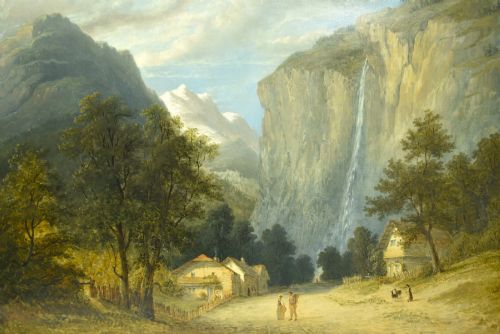
Victorian landscapes typically emphasise naturalism, narrative detail, and the changing effects of weather across British and European scenery. Artists recorded rural topography with careful attention to specific light conditions.
These works frequently employ muted palettes and earthy tones to evoke the mood of the countryside. Brushwork ranges from tight academic precision to looser impressionistic strokes.
How are oil paintings on wood panel structured?
Oil paintings on wood panel utilise a solid timber base prepared with a priming layer to receive oil paint. This historic method provides a rigid and durable support for fine brushwork.
Panels require stable humidity conditions to prevent the wood from warping or splitting. The natural grain occasionally influences the texture of the finished artwork.
What subjects appear in mid-century landscape art?
Mid-century landscapes often feature simplified forms, abstract compositions, and regional views that reflect modern artistic movements. Painters moved away from strict academic realism toward expressive interpretations of nature.
These works retain natural colour harmonies while experimenting with brush texture and spatial arrangement. Urban scenes and coastal vistas are common subjects from this period.