
Vintage Equestrian Print
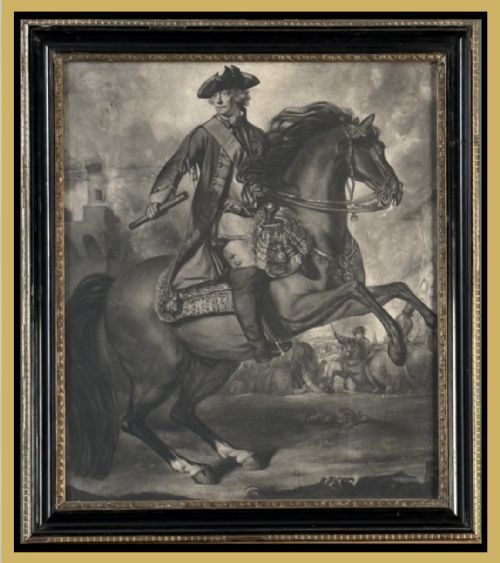
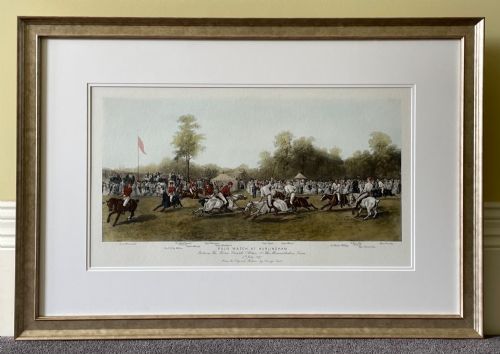
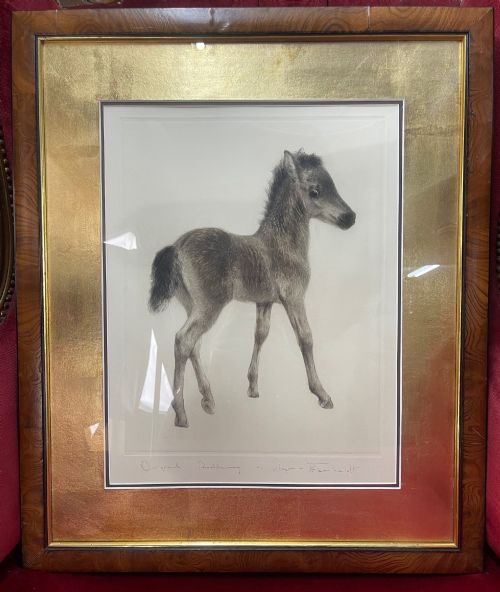
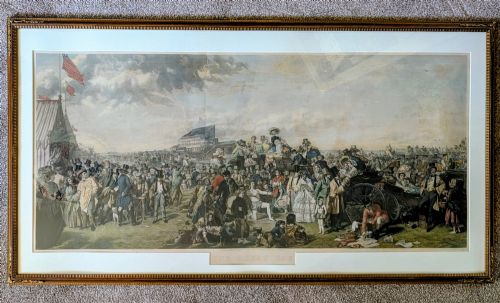
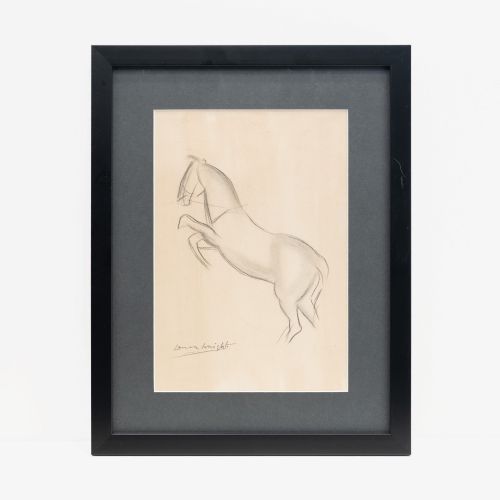
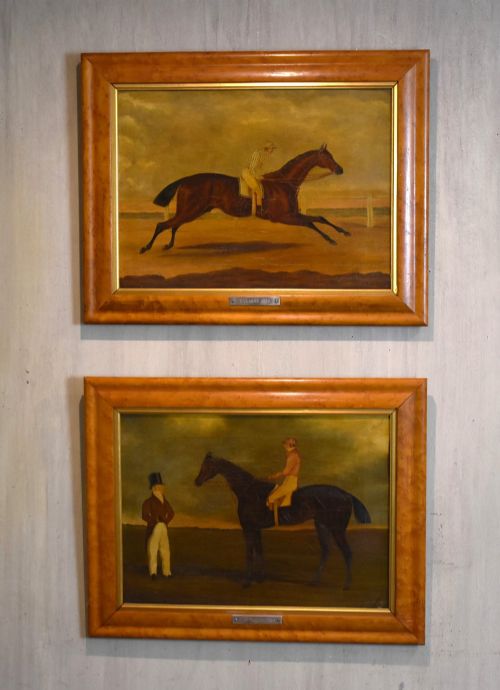
A vintage equestrian print brings the discipline and motion of historical horsemanship directly to your wall.
Vintage Equestrian Print
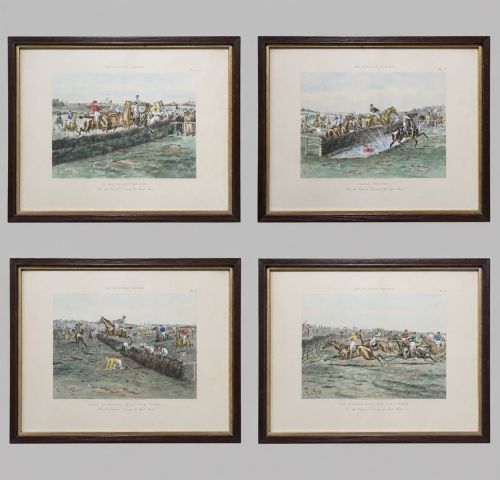
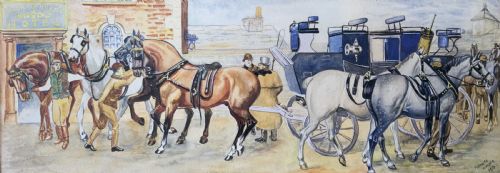
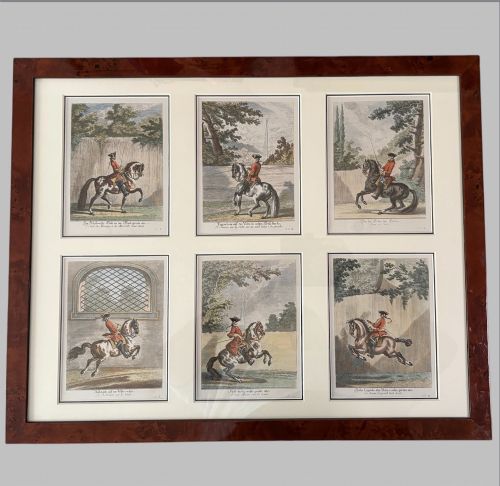
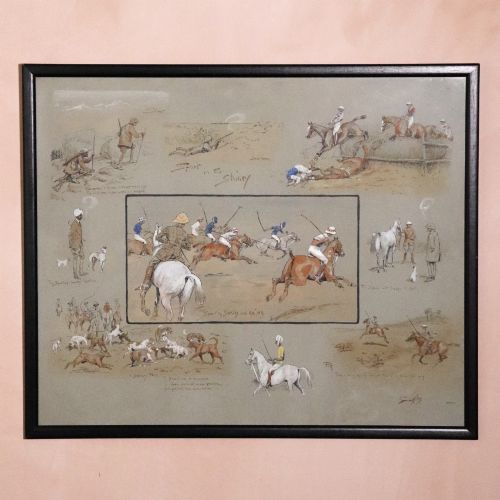
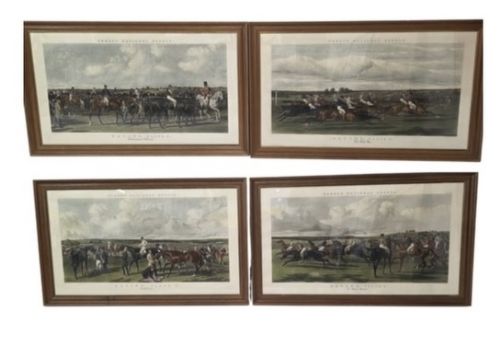
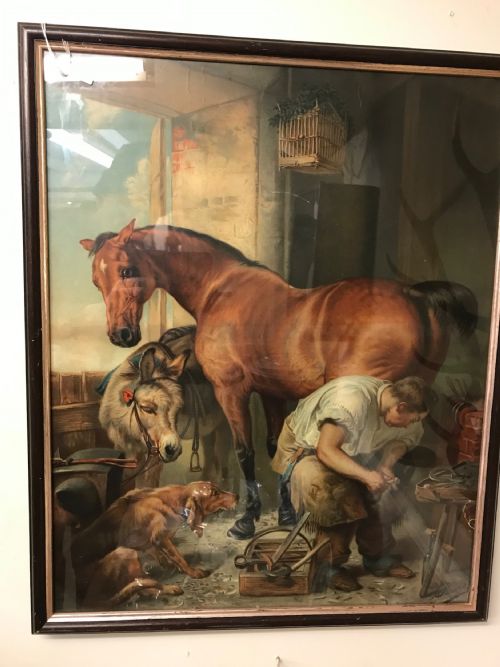
A vintage equestrian print encompasses framed paper works depicting horses, racing, hunting, polo, and coaching scenes from past centuries. You will frequently encounter nineteenth century lithographs, engravings, and chromolithographs preserved behind glass in wood frames.
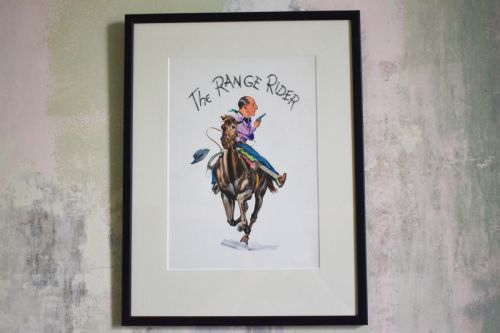
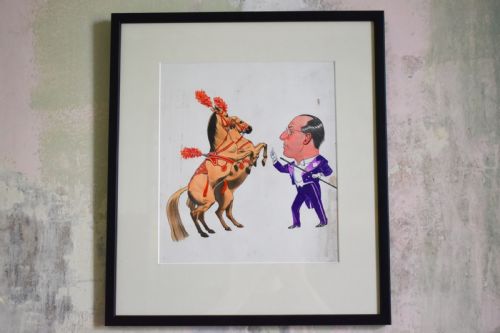
The selection ranges from Georgian copperplate engravings and Victorian sporting sets to mid-century modernist interpretations of rodeo and racing. These works record sporting traditions, field sports, and celebrated racehorses through the eyes of period artists and publishers.
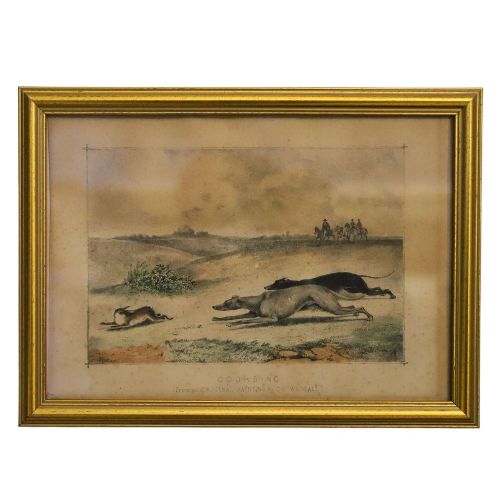
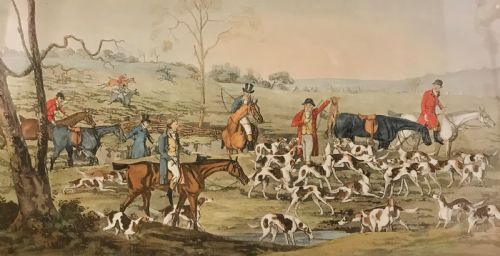
Framed prints and watercolours dominate the offerings, occasionally accompanied by related paintings and drawings on paper. The subjects stretch from formal racehorse portraits to dynamic depictions of hounds, coursers, and riders in motion.
Materials and production methods
Makers utilised paper as the primary support, applying ink through techniques such as engraving, etching, lithography, and chromolithography. Many examples received hand colouring after printing to enhance the vibrancy of the jackets, horses, and landscapes.
Artisans protected these delicate paper sheets beneath glass and mounted them within wood frames, sometimes incorporating gilt or gold leaf details. Original watercolours and drawings on paper also appear alongside the printed editions.
The listings on this site feature paper, ink, watercolour, and gilt wood materials spanning the Georgian, Victorian, and Edwardian eras.
Distinctions in quality
Quality rests upon the clarity of the printed line, the precision of the hand colouring, and the fidelity of the impression to the original plate or stone. Early impressions pulled before plates wore down exhibit sharper details in the horse's musculature and the jockey's expression.
The choice of framing materials, the preservation of the paper margin, and the presence of signatures by notable artists or publishers elevate certain pieces above standard decorative prints.
Edward Fisher·Sir Joshua Reynolds·Kurt Meyer-Eberhardt·William Powell Frith·George Finch Mason·C. H. Weigall·Ridinger·Edwin Henry Landseer·Dame Laura Knight·John Frederick Herring Snr·John 'Mad Jack' Mytton·John Rattenbury Skeaping·Anne Goldthwaite·Gabriel Dauchot·Abraham Cooper·Alken·Alfred Wheeler
The Vintage Equestrian Print Glossary
- Lithography
- A planographic printing process based on the antipathy of grease and water, used extensively for nineteenth century colour plates. It allowed artists to draw directly onto the stone to capture fluid movement.
- Chromolithography
- A multicolour planographic printing method that builds up rich hues through successive stone impressions. This technique produced vibrant sporting prints without requiring manual hand colouring.
- Aquatint
- An intaglio printmaking technique that produces tonal areas resembling watercolour washes. It was frequently employed to render soft backgrounds behind racing and hunting scenes.
- Mezzotint
- A tonal intaglio process where the copper plate is roughened to achieve deep blacks and subtle gradations of light. Publishers often used this method for grand portraits of historical figures.
- Drypoint
- A sharp needle is dragged across a metal plate to raise a burr of metal that holds ink for velvety lines. This technique yields a limited number of crisp impressions before the delicate burr wears away.
Vintage Equestrian Print: Frequently Asked Questions
How do I date an old horse print?
Examine the paper quality, printing technique, and any published inscription at the lower margin. Typographical styles and publisher credit lines often point to a specific decade.
Compare the costume of the riders and the style of the mounts with known periods of sporting art, noting whether the work is an original period impression or a later reproduction.
Are these prints hand coloured?
Many nineteenth century examples feature washes of watercolour applied by hand over a printed base line. Under magnification, you can spot the brushstrokes and slight pooling of pigment within the engraved lines.
Chromolithographs achieve colour through multiple printing stones rather than brushwork, displaying a dot or pattern matrix instead of flat painted washes.
How should I frame and hang paper art?
Protect delicate paper and watercolours by using acid-free mount boards and framing them behind UV-filtering glass. This prevents fading and discolouration over time.
Hang your pieces away from direct sunlight and damp environments, ensuring secure fixings on the wall to support the weight of the timber and glass.
What is the difference between an engraving and a lithograph?
Engravings are incised into metal plates with a sharp tool, producing crisp, sharp lines that sit slightly raised on the paper. Lithography relies on grease drawn on a limestone or metal plate, offering softer tonal transitions.
Engravings often accompany text and detailed sporting scenes, whereas lithography captured the broader painterly strokes of Victorian and Edwardian artists.