


Traditional Walnut Sofa
A traditional walnut sofa anchors a room with rich timber framing and deep upholstery, offering enduring comfort and period character.
Traditional Walnut Sofa
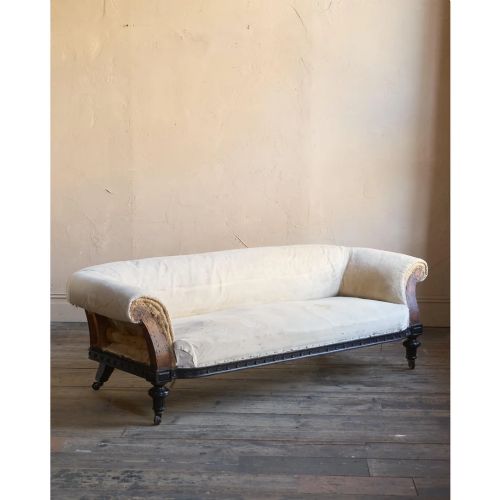
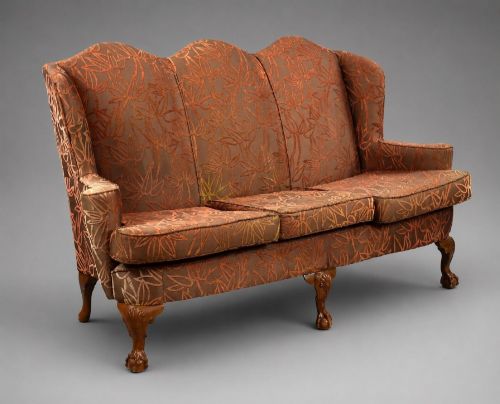
A traditional walnut sofa brings together sturdy timber frames and soft upholstery, spanning from Victorian creations to twentieth-century revivals. Pieces range from intimate two-seater settees to generous three-seat designs and open arm styles.
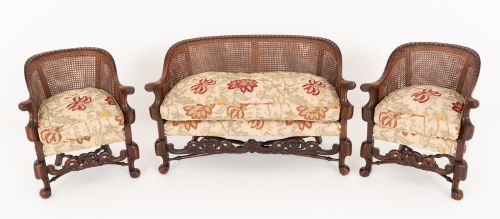
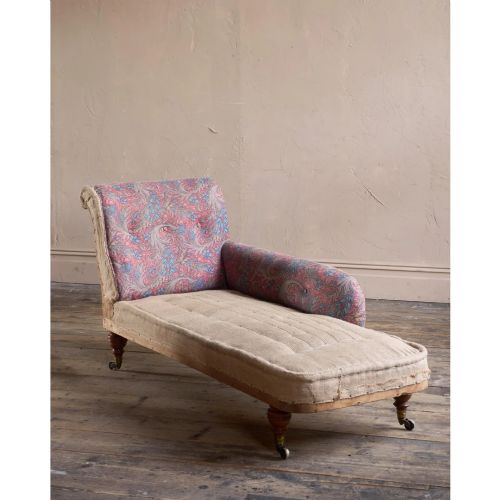
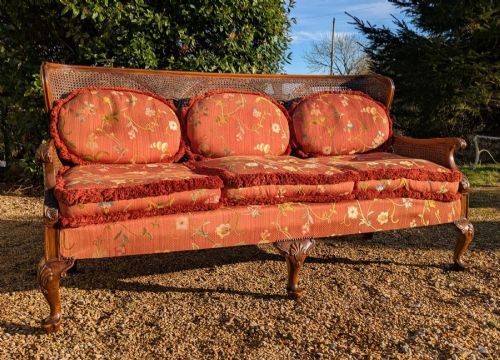
Alongside dedicated sofas and settees, the listings include related seating forms like bergere suites, chaise longues, and salon suites. These pieces combine exposed wood frames in plain or burr walnut with varied fabric coverings including velvet, damask, and cotton.
Materials and construction
Makers utilised solid walnut and decorative burr walnut veneers for the exposed frames, often highlighting the natural grain of the wood through polishing and carving. Structural stability relied on traditional timber joinery while supplementary brass elements appeared on specific furniture types.
Upholstery techniques involved supportive interior stuffing finished with fabrics such as velvet, damask, cotton, and original ticking. Feather cushions and hand-turned wooden legs completed the construction of finer upholstered seating.
Materials recorded across the walnut seating range from solid and burr walnut timbers to brass accents, feather cushioning, and velvet or damask upholstery.
Judging quality in walnut seating
The fineness of the timber preparation distinguishes exceptional examples, particularly where figured burr walnut veneer or crisp hand-carving defines the frame. Superior pieces display balanced proportions and cleanly turned legs rather than heavy or plain execution.
The integrity of the upholstery work and the retention of original details, such as ticking or traditional filling materials, elevate a piece. Master framing ensures that structural joints remain tight and supportive beneath the fabric covering.
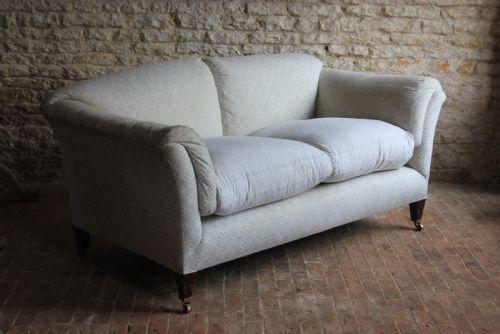
Howard and Sons
The Traditional Walnut Sofa Glossary
- Burr walnut
- A highly figured timber veneer prized for its swirling grain patterns. It is sliced from the knot growths of walnut trees and applied to prominent surfaces.
- Bergere
- An enclosed upholstered armchair or sofa featuring woven cane panels set into the wooden frame. This French-inspired form gained popularity across various British periods.
- Chesterfield
- A deep-buttoned upholstered sofa traditionally characterised by arms and back of the same height. This classic form appears here with supportive walnut legs or frame elements.
Traditional Walnut Sofa: Frequently Asked Questions
How do I identify a Queen Anne style walnut sofa?
Look for characteristic curved lines in the walnut frame, often accompanied by shaped backs and distinct cabriole legs.
These revival pieces frequently date from the early twentieth century while closely following eighteenth-century aesthetic principles.
What is the difference between a settee and a sofa?
In historical listings, the terms often overlap to describe upholstered seating for two or more people.
A settee traditionally suggests a lighter wooden framework with partial upholstery, while a sofa may indicate heavier padding and deeper proportions.
Are these sofas suitable for daily living?
Most pieces are built with robust timber frames and durable upholstery designed for practical home use.
Checking the internal support and cushion filling helps ensure the seating meets contemporary comfort standards.
How should I care for walnut wood frames?
Protect the polished timber from direct sunlight and excessive moisture to preserve the natural finish of the walnut.
Regular dusting with a soft, dry cloth is usually sufficient for maintaining the surface appearance.