


Vintage Green Settee
A vintage green settee brings character and colour to a room, offering comfortable seating with distinct period presence.
Vintage Green Settee
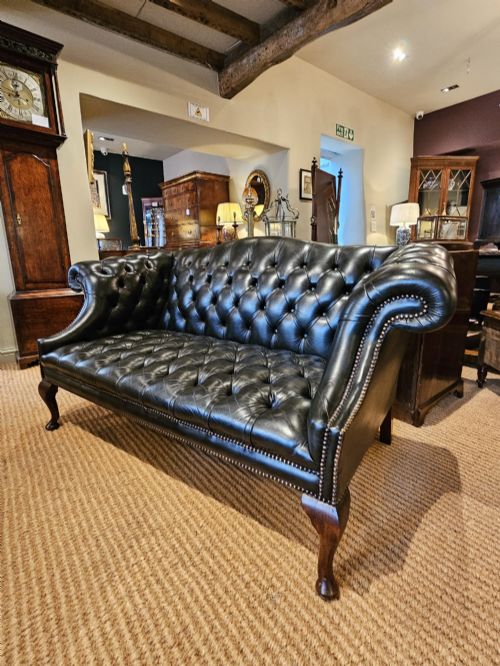
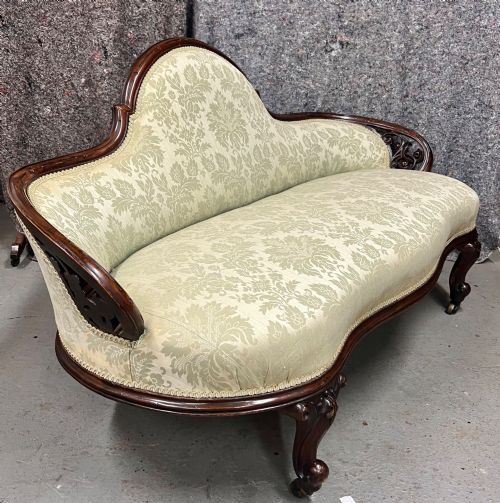
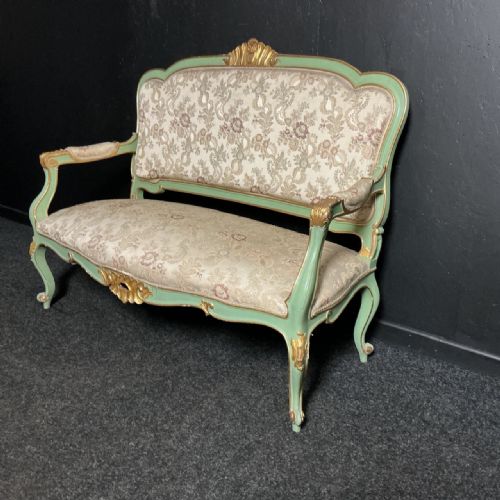
When searching for a vintage green settee, buyers encounter various seating forms spanning from the nineteenth century through the early twentieth century. These include country house Chesterfields, button back leather designs, and revival styles reflecting earlier historic periods.
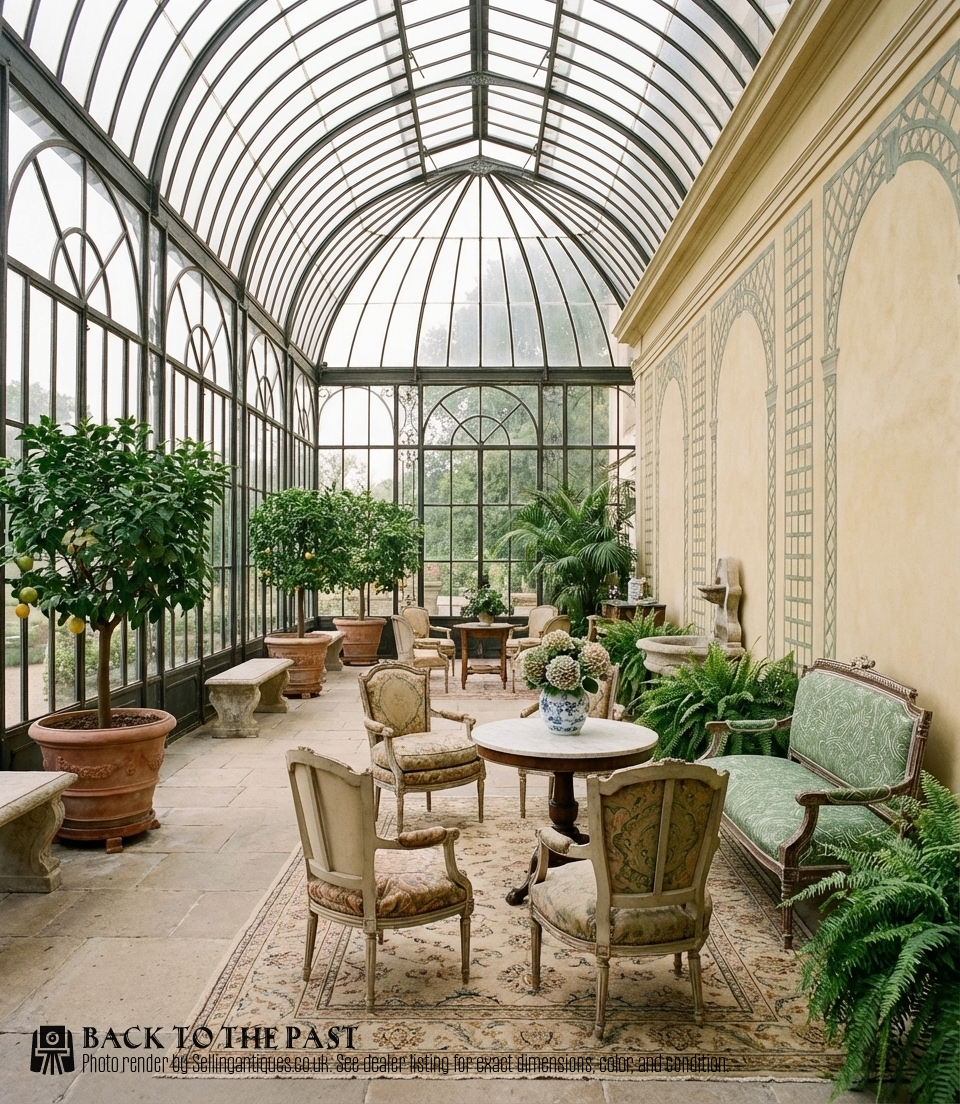
The pieces appearing on this page range from compact small sofas and two-seater settees to larger library sofas and garden benches. Materials extend across wood frames, exposed timber such as walnut and mahogany, and metal garden structures.
Fabric upholstery, velvet, and leather provide the green surfaces, often associated with English country house aesthetics or French revival designs. Edwardian and Victorian pieces dominate the selection, bringing substantial woodwork and structured cushioning to domestic spaces.
How they were made
Frames rely on sturdy timbers including walnut, mahogany, rosewood, and general hardwoods, providing a solid foundation for the seating. Wrought iron appears in outdoor garden examples.
Upholstery techniques involve traditional stuffing and springing, paired with button back detailing on leather and fabric surfaces. Caning is also utilised on specific revival frames to create decorative back panels.
The selection includes pieces from the 19th Century, Edwardian period, and the 1920s and 1930s.
What varies in quality
The refinement of the timber carving and the architectural integrity of the frame distinguish different examples. Finer pieces display careful shaping on legs and armrests, whether executed in walnut or mahogany.
The quality of the upholstery materials, such as supple leather or specialist patterned fabric, alters the presence of the seating. Original frame construction and the preservation of structural joints determine the longevity of each settee.
Howard and Sons·Colefax and Fowler
The Vintage Green Settee Glossary
- Caning
- Woven plant material used to form decorative panels on chair and settee backs. It lightens the visual weight of wooden frames.
- Revival
- A design style that imitates historic periods such as Louis XV, Louis XVI, or Queen Anne. These pieces interpret earlier aesthetics using later nineteenth and early twentieth-century manufacturing methods.
- Lyre shaped
- A form resembling the classical stringed musical instrument, often seen shaping the wooden supports or armrests of Regency seating.
- Button back
- An upholstery method where buttons are pulled deep into the padding to create a quilted texture and secure the interior stuffing.
Vintage Green Settee: Frequently Asked Questions
How do I clean leather upholstery?
Leather surfaces require specialist conditioning balms to maintain flexibility and prevent drying over time. Regular dusting with a soft cloth keeps the material free from grit.
Harsh chemical detergents should be avoided entirely, as they strip the natural finish. Professional cleaning is recommended for deep restoration work.
Where should I place a settee?
These pieces function well as primary seating in living rooms, studies, or libraries. Smaller two-seater versions also suit bedrooms or grand hallways.
Direct sunlight can fade fabric and leather over time, so positioning away from large windows preserves the colour.
Are these settees comfortable for daily use?
Many examples feature sprung bases and padded backrests designed for extended sitting. Chesterfields and library sofas offer particularly substantial cushioning.
Comfort levels depend on the condition of the internal webbing and padding. Some antique items benefit from traditional reupholstery to restore support.
How do I date a settee?
Dating relies on identifying stylistic details, such as the proportions characteristic of the Victorian or Edwardian eras. Timber choices and framing techniques also offer chronological clues.
Maker stamps on wooden frames or underneath upholstery help confirm the exact period of manufacture.