



Traditional Walnut Commode
A traditional walnut commode brings warmth and rich grain to a room, offering practical storage through centuries of cabinetmaking skill.
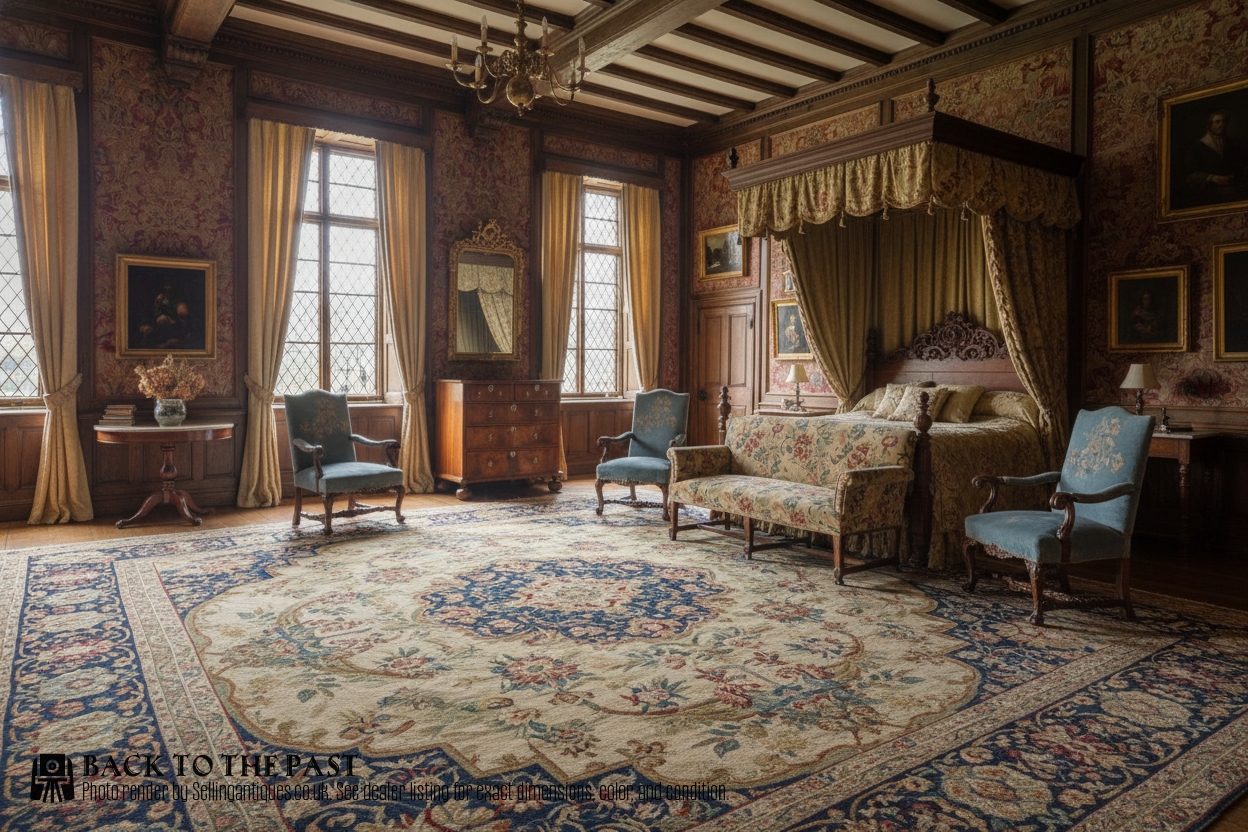
Traditional Walnut Commode
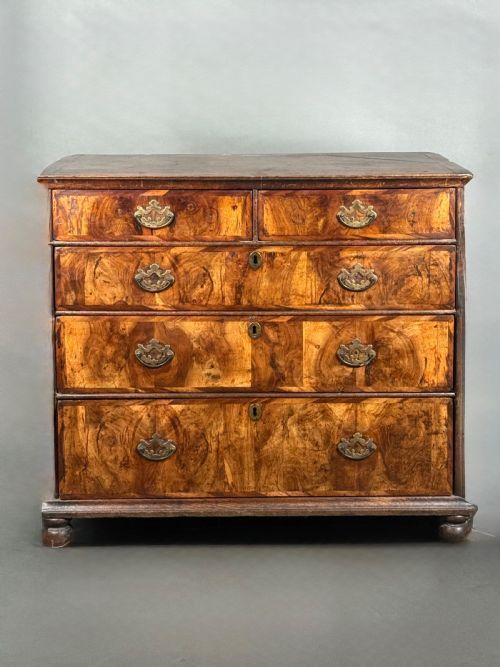
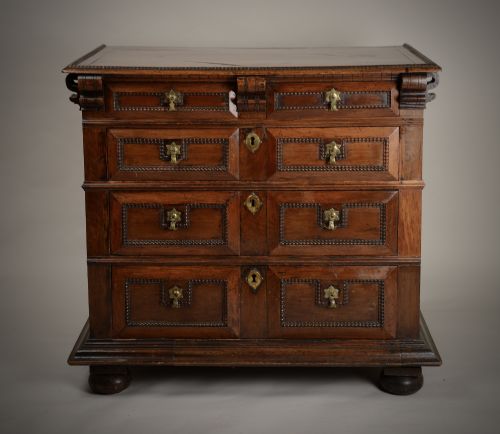
A traditional walnut commode encompasses chests of drawers, tallboys, and bedside cabinets fashioned from rich timbers across multiple centuries. Buyers encounter examples spanning from the seventeenth century through the Victorian era and into the twentieth century.
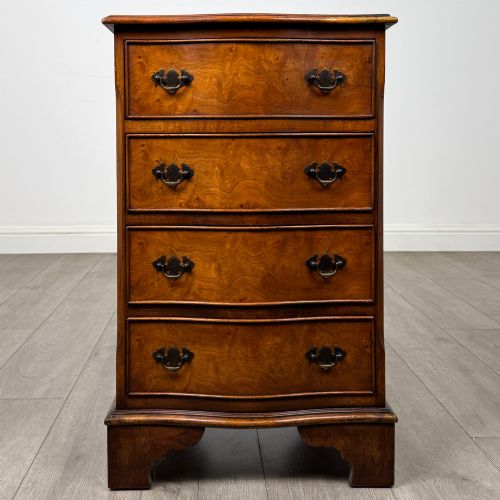
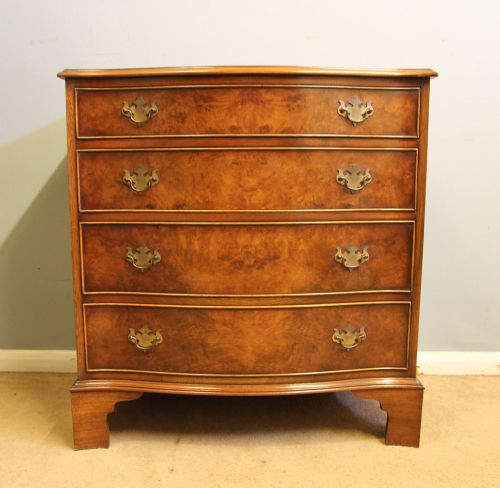
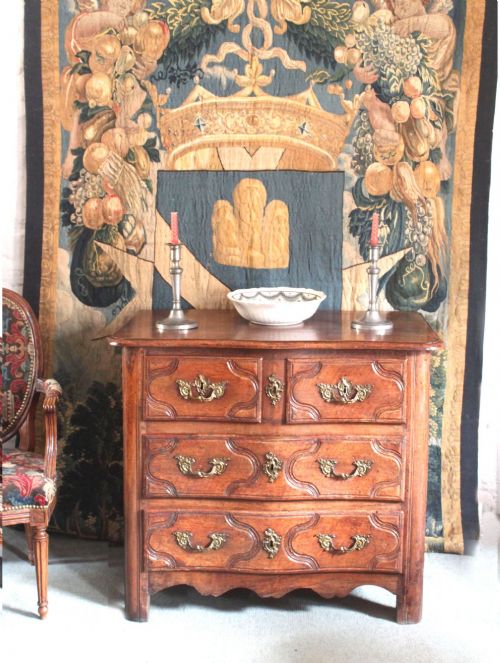
The pieces on this page display diverse regional forms, including English, French provincial, and Dutch origins. Alongside standard chests of drawers, shoppers discover serpentine profiles, concave shapes, and occasional bedside cabinets.
Earlier iterations often reflect Queen Anne, William and Mary, or Georgian design influences. Later pieces bridge the gap into Edwardian and twentieth-century revivals whilst retaining traditional timber construction.
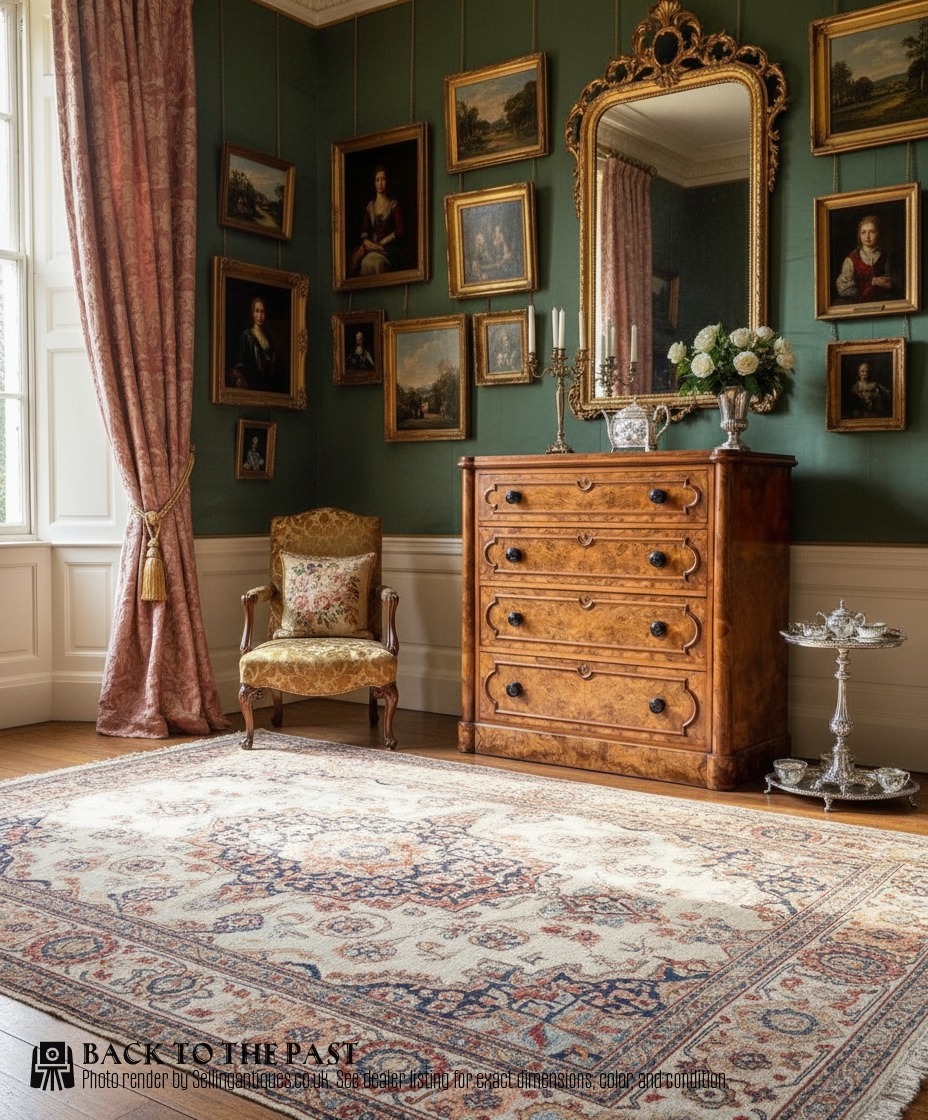
What varies in quality
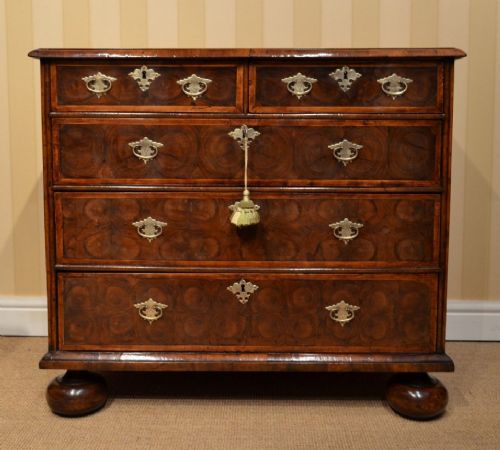
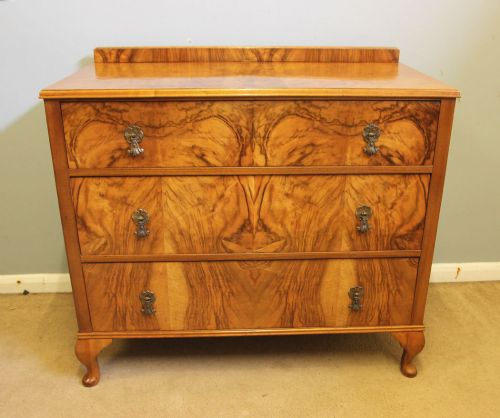
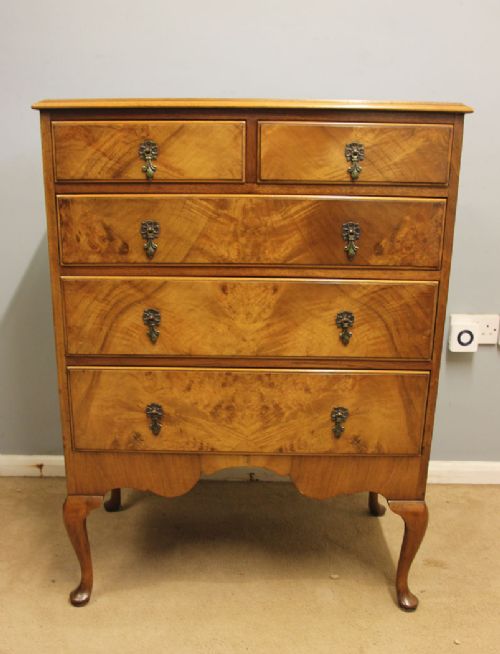
The sophistication of the timber figure largely dictates the visual impact of a piece, with highly figured burr walnut and carefully arranged oyster veneers sitting at the upper end of the scale. Simpler solid walnut surfaces present a more restrained appearance.
Construction methods and proportions also differentiate examples, where precise joinery and balanced serpentine or concave contours show the maker's skill. The integration of period-appropriate brass handles and intact secondary woods further distinguishes superior examples.
Traditional Walnut Commode Retail Price Guide 2026
Typical asking prices for traditional walnut commode among the pieces listed under this phrase on Sellingantiques today, from the lower quarter to the upper quarter. They describe what is for sale here now, not the wider market.
Listings feature walnut chests spanning from the seventeenth century through the Victorian era to the twentieth century, incorporating oak, pine, and fruitwood.
WC Burt
The Traditional Walnut Commode Glossary
- Burr walnut
- A prized timber harvested from the growth warts of walnut trees, yielding intricate swirling patterns across the grain. Cabinetmakers use these decorative veneers on prominent exterior surfaces.
- Oyster veneer
- Slices of small branches cut transversely to reveal circular annual growth rings resembling oyster shells. Artisans arrange these sections closely together to form ornate geometric patterns.
- Marquetry
- The art of applying small pieces of veneer to a structure to form decorative pictures or patterns. Craftsmen use various tinted woods to achieve detailed floral or architectural motifs.
- Serpentine
- A curved shape featuring a convex centre flanked by concave ends, creating a gentle undulating line. This contour appears frequently on the front elevations of finer chests.
- Tallboy
- A tall chest of drawers consisting of one chest stacked upon another, often incorporating a wardrobe section at the top. This form maximises vertical storage space within domestic interiors.
Traditional Walnut Commode: Frequently Asked Questions
How do I date a walnut commode?
Dating relies on examining the construction methods, secondary timbers, and overall style characteristics visible in the piece. Earlier periods often feature hand-cut dovetails and specific framing techniques that evolve over the centuries.
Hardware placement and veneer styles also provide reliable clues to the era of manufacture. Comparing these elements with established stylistic periods helps narrow down the decade or century.
Where should I place a bedside cabinet?
These compact cabinets suit spaces beside a bed where surface area and drawer storage are both required. Their traditional proportions allow them to fit comfortably into guest rooms or master bedrooms.
They also function effectively as small side tables in a hallway or sitting room. The enclosed storage keeps small items concealed while displaying lamps or decorative objects on top.
How do I care for walnut wood?
Maintain walnut furniture by keeping it away from direct sunlight and extreme temperature fluctuations. Consistent indoor conditions prevent the wood and underlying veneers from drying out or splitting.
Apply a quality wax periodically to nourish the grain and preserve the surface sheen. Avoid silicone-based polishes that can build up and dull the historic finish over time.
What is the difference between a commode and a chest of drawers?
In historical terminology, a commode often refers to a decorative low chest or cabinet with doors or drawers, frequently of French or continental origin. A chest of drawers typically describes a taller English form dedicated entirely to stacked drawer storage.
Over time, these terms frequently overlap in antique descriptions depending on regional traditions. Both forms served similar domestic purposes for storing clothing and personal items.