


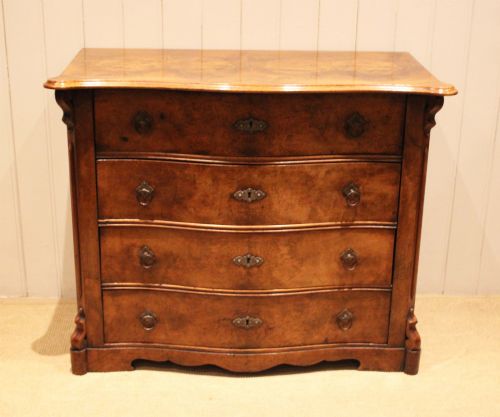
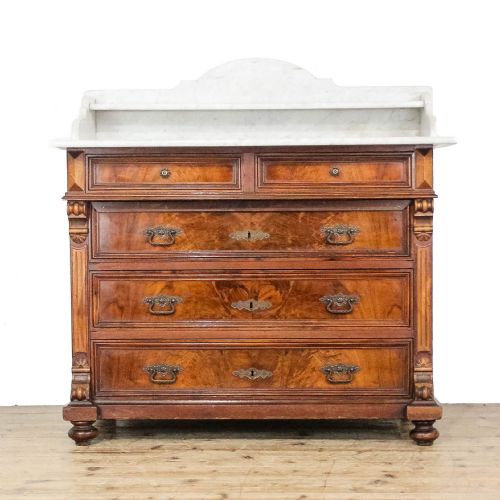
19th Century Walnut Dresser
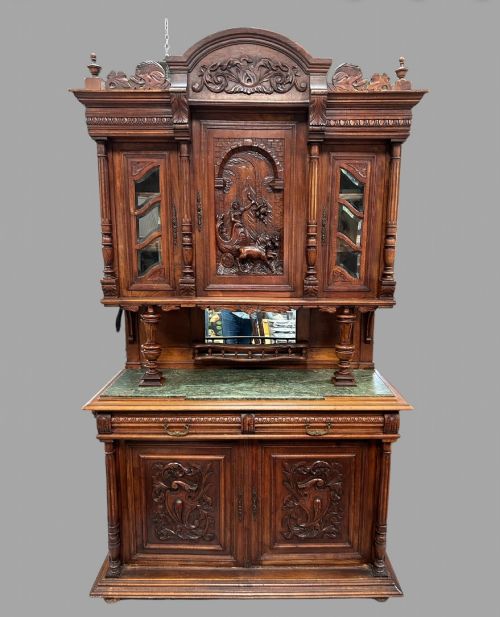
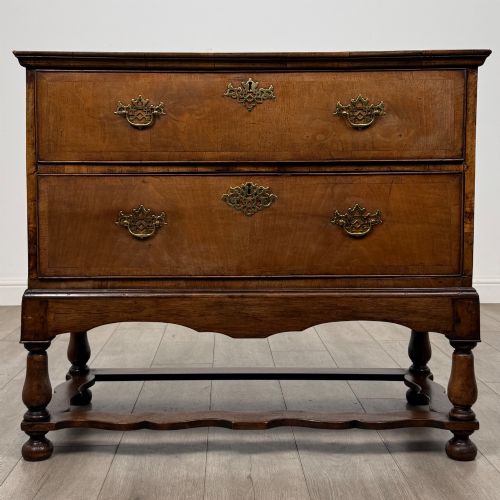
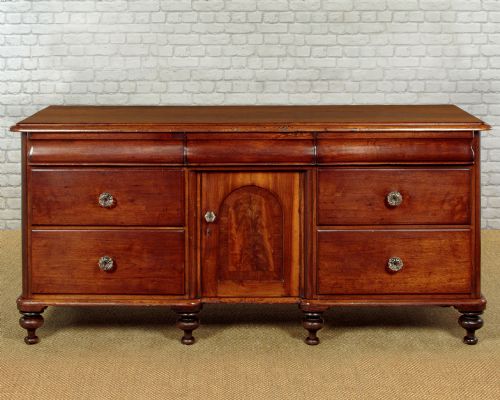
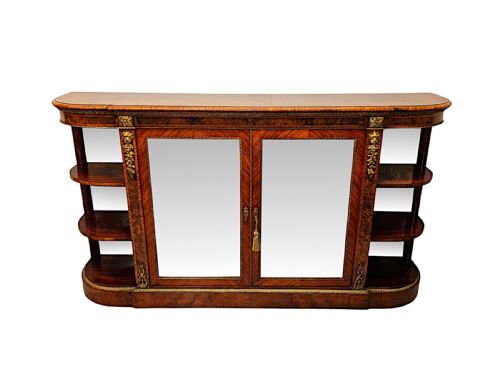
A 19th century walnut dresser brings rich grain and practical storage to a room, drawing the eye through deep timber figures and period craftsmanship.
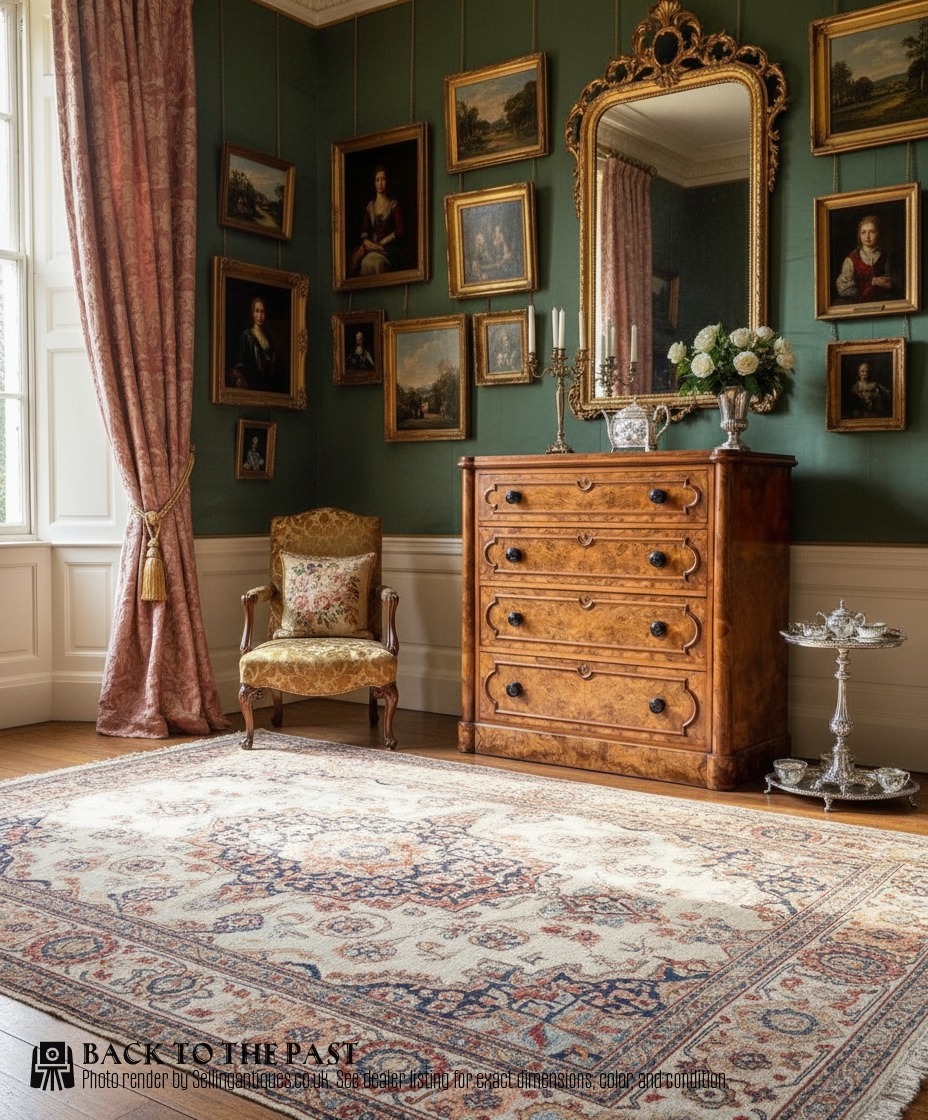
19th Century Walnut Dresser
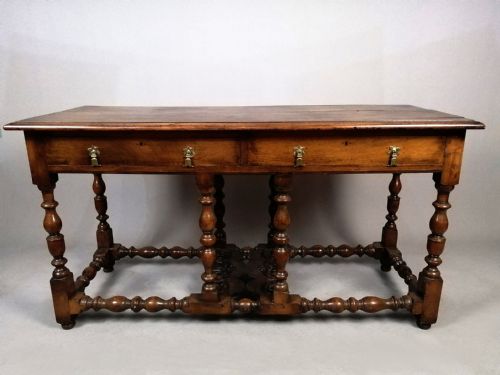
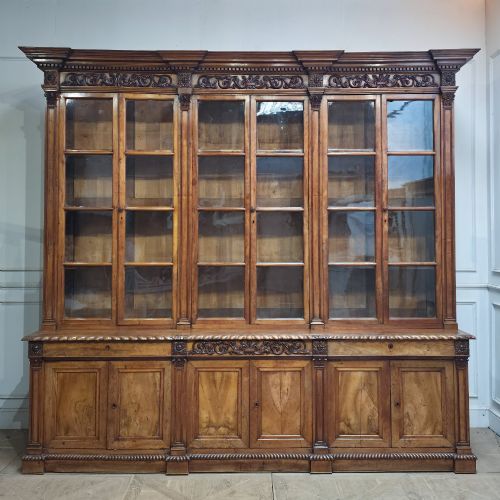
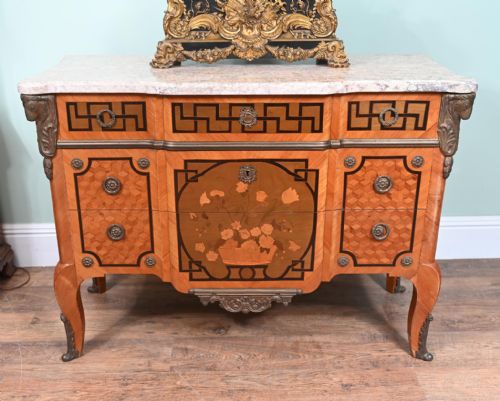
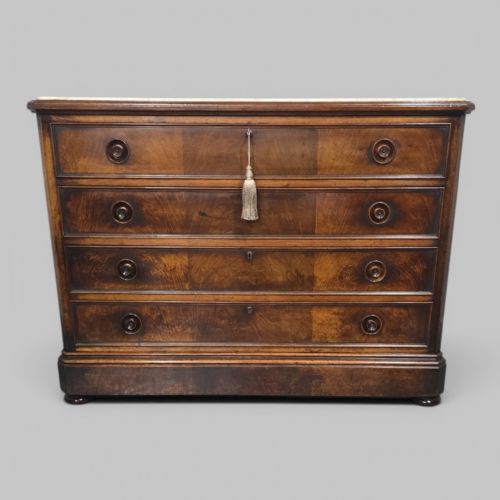
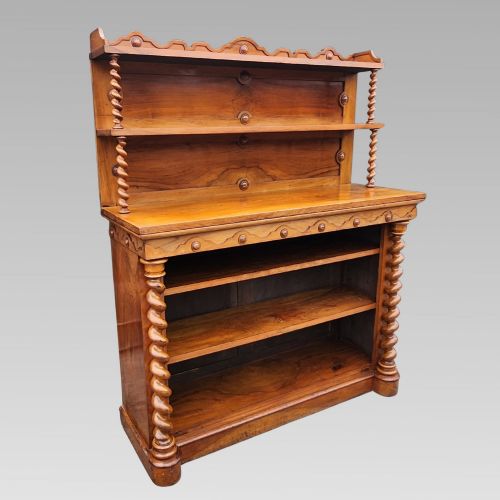
When searching for a 19th century walnut dresser, buyers encounter a diverse range of forms including kitchen dressers, sideboards, buffets, and commodes. These pieces span the Victorian era, French Provincial styles, and Biedermeier designs, originating from British, French, Italian, and Scandinavian workshops.
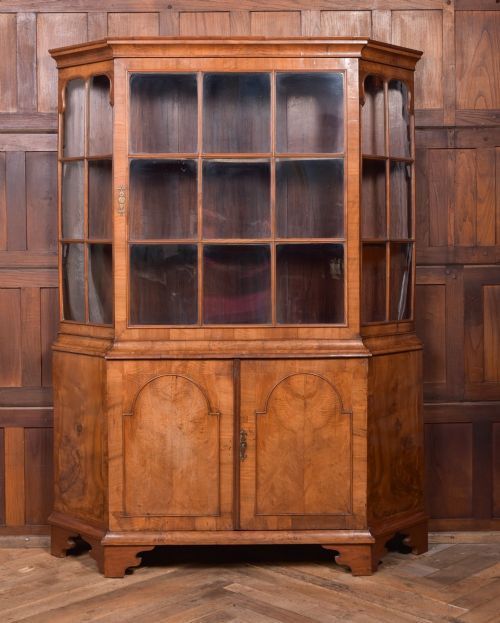
The domestic storage pieces on this page function as practical chests of drawers, display cabinets, and bookcases alongside traditional kitchen dressers. Walnut serves as the primary timber, often combined with burr veneers, brass hardware, and occasionally marble tops.
Regional variations appear across countries, from the clean lines of Scandinavian and Biedermeier chests to the carved details of French Provincial and Italian Neoclassical commodes. Buyers will find both tall graduated drawer configurations and two-part kitchen dressers designed for daily utility.
How They Were Made
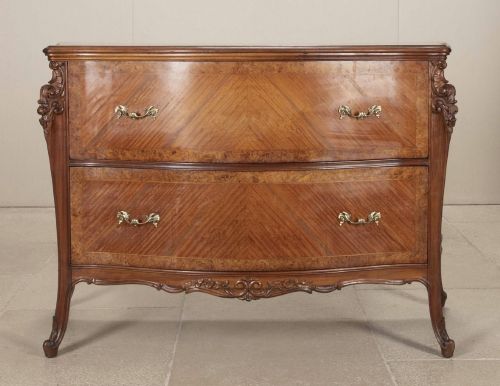
Cabinet makers utilised solid walnut and decorative burr walnut veneers applied over secondary timbers such as oak and pine. Bookmatching techniques created symmetrical grain patterns across drawer fronts and cupboard doors.
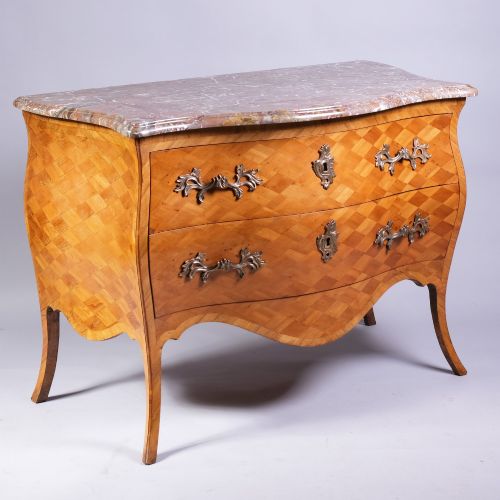
Mounts in ormolu and brass provided structural accents and handles, while marble tops added durable surfaces to commodes and sideboards. Marquetry inlay incorporated contrasting woods like satinwood to form geometric and floral patterns.
Listings feature walnut combined with brass, marble, glass, and ormolu across Victorian, Biedermeier, and French Provincial styles.
What Varies in Quality
The depth of the timber figuring separates standard production from exceptional pieces, particularly in burr walnut and bookmatched veneers where grain symmetry defines the visual impact. The crispness of hand-carving and the precision of marquetry inlay indicate the skill invested by the cabinet maker.
Integration of secondary materials such as original marble tops, fire-gilt ormolu mounts, and stamped maker signatures elevate a piece above utilitarian furniture. Construction integrity, including dovetailed drawer construction and the survival of original brass hardware, determines the long-term standing of each item.
Gillows
The 19th Century Walnut Dresser Glossary
- Burr Walnut
- A veneer taken from the knotted growth of a walnut tree, highly prized for its swirling, organic grain patterns. It provides a decorative surface on drawer fronts and commode tops.
- Commode
- A low chest of drawers, frequently associated with French and Italian cabinet making of the period. These pieces often feature marble tops and serpentine fronts.
- Bookmatching
- A technique where adjacent veneer slices are mirrored to create a symmetrical pattern across a surface. This method highlights the natural figuring of the walnut timber.
- Ormolu
- Gilded bronze used for decorative mounts and furniture hardware. It appears on finer credenzas and cabinets from the period.
- Marquetry
- The art of applying pieces of veneer to a structure to form decorative patterns and pictures. It appears frequently on Italian and French commodes.
19th Century Walnut Dresser: Frequently Asked Questions
How do I identify a Biedermeier walnut chest?
Biedermeier pieces from the mid-nineteenth century favour minimal ornamentation, blonde figured-walnut veneers, and clean architectural lines. They prioritise the natural grain of the timber over elaborate carving.
Hardware is typically understated, allowing the warmth of the walnut to dominate the visual appearance of the chest.
Where were walnut dressers made?
Production spans British workshops alongside continental European centres including France, Italy, and Scandinavia. Each region imparted distinct stylistic traits, such as French Provincial carving or Italian marquetry.
Local timber availability and domestic storage traditions shaped the specific form of each dresser or commode.
Are marble tops original to these pieces?
Marble tops frequently accompany nineteenth-century French and continental commodes, providing a durable and decorative surface. White and grey varieties appear most commonly across these items.
They sit directly on the wooden frame, designed to handle daily use while complementing the walnut body below.
How do I care for nineteenth-century walnut furniture?
Maintain walnut furniture by keeping it away from direct sunlight and sudden temperature changes, which can dry out the timber and veneers. Apply traditional wax polish sparingly to nourish the wood.
Avoid excessive moisture on both the walnut surfaces and any integrated marble tops.