
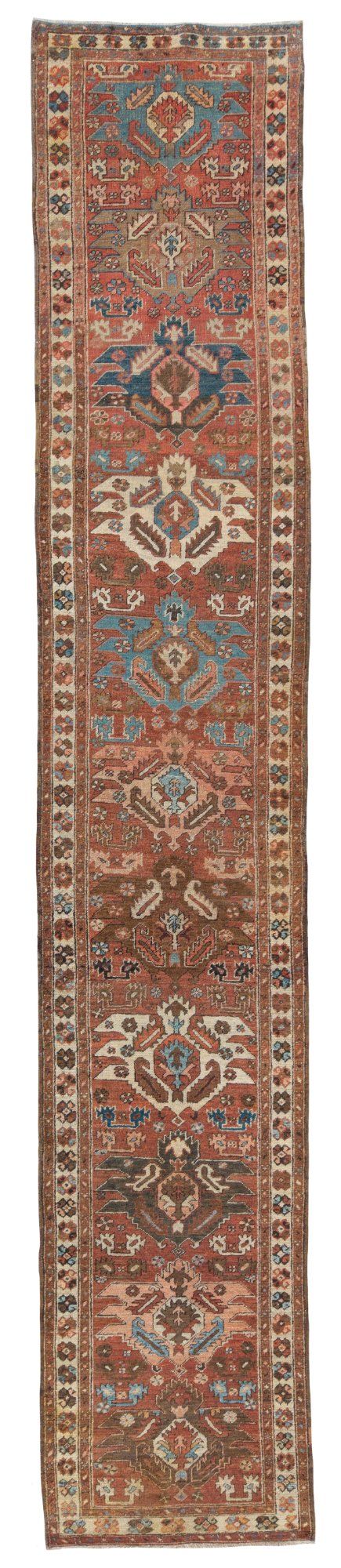
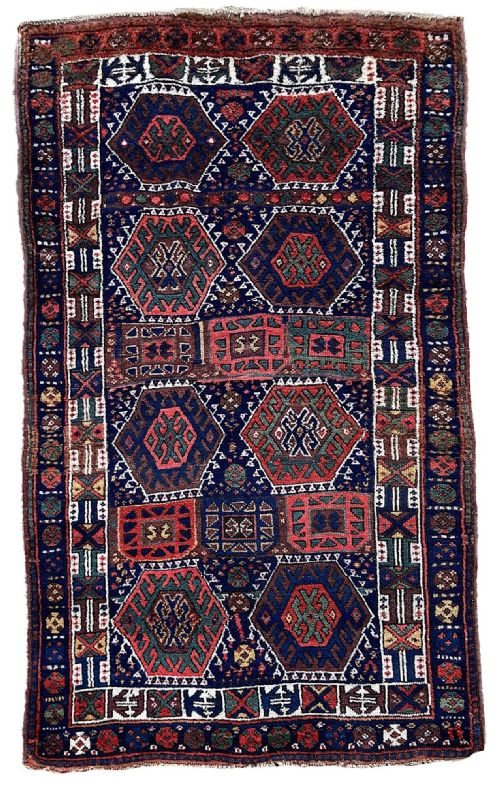


Traditional Village Rug
Traditional village rug pieces bring regional character and historical craftsmanship into domestic spaces through authentic hand-knotted designs.
Traditional Village Rug
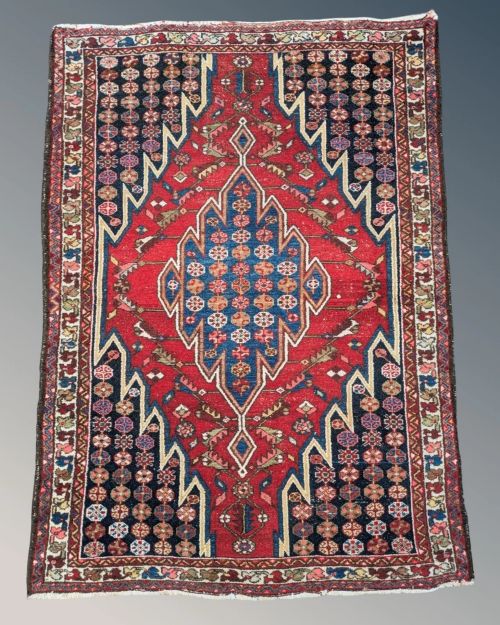
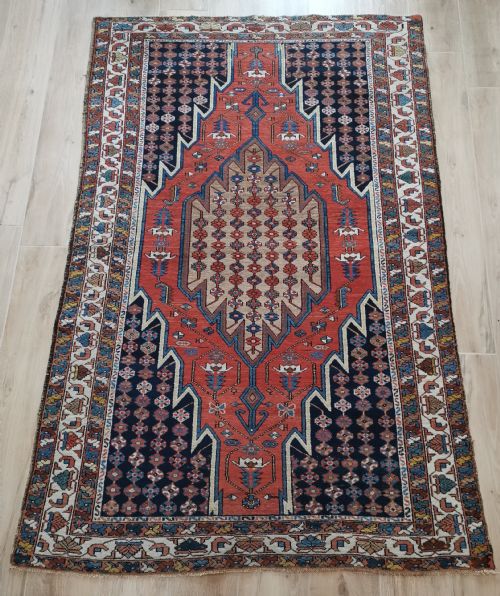
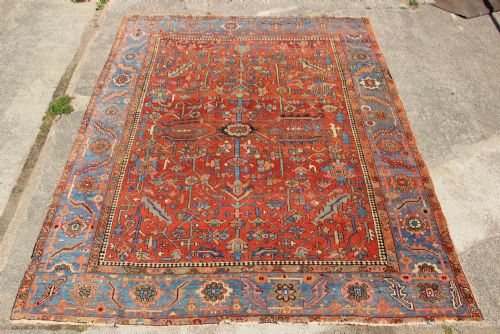
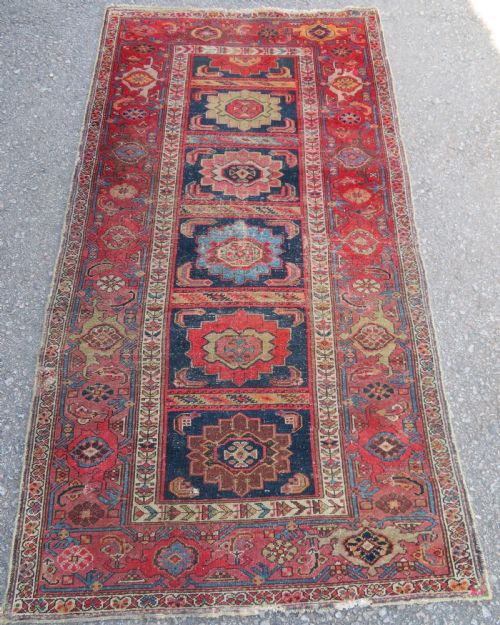
A traditional village rug represents decentralized weaving traditions originating from domestic workshops and tribal communities across Persia, Turkey, the Caucasus, and Afghanistan. These floor coverings encompass diverse formats, including runner rugs, square area carpets, and small format prayer rugs intended for devotional use.
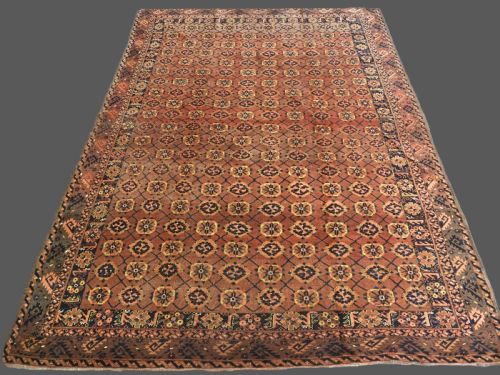
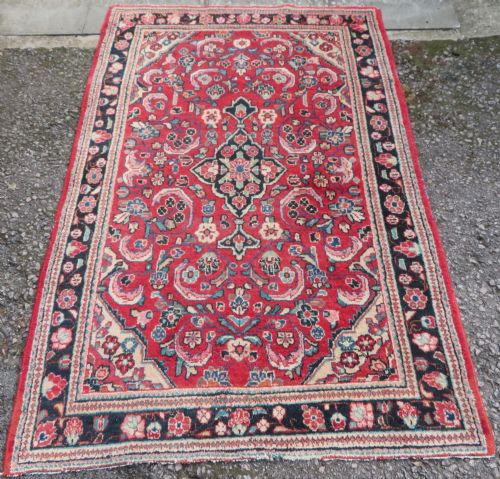
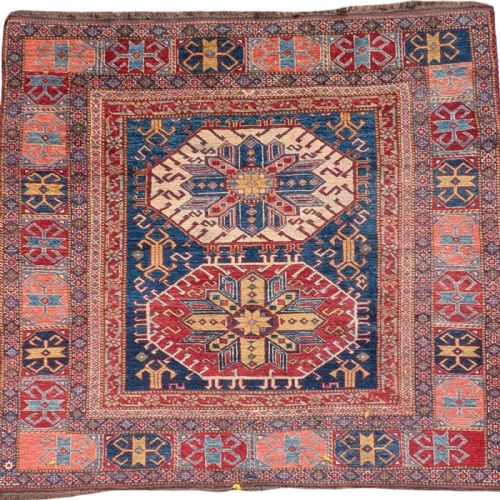
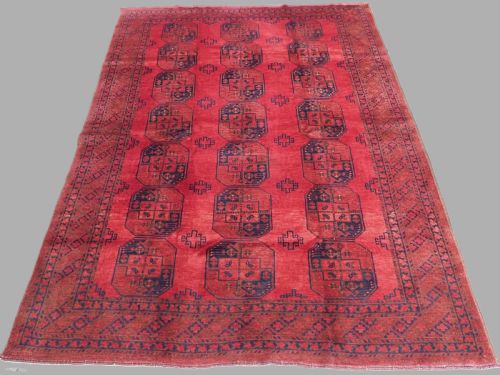
The surviving inventory spans from the nineteenth century through the 1930s, reflecting regional styles such as Heriz, Kazak, Hamadan, and Afghan tribal designs. Pieces often display geometric medallions, repeating guls, or asymmetric tribal motifs rooted in local weaving heritage.
Materials and Construction Methods
Makers utilised hand-spun wool for the pile, yielding a thick, resilient surface texture that handles domestic wear. Foundation structures rely predominantly on cotton warps or all-wool construction depending on the geographic origin of the weave.
Natural dyes provide the enduring palette observed across the inventory, generating warm reds, deep blues, and rich gold tones. Weavers bound these materials using traditional hand-knotting techniques unique to specific village and tribal workshops.
Traditional Village Rug Retail Price Guide 2026
Typical asking prices for traditional village rug among the pieces listed under this phrase on Sellingantiques today, from the lower quarter to the upper quarter. They describe what is for sale here now, not the wider market.
Listings span production dates from the nineteenth century through the 1930s, executed primarily in wool and cotton across Persian, Turkish, Caucasian, and Afghan styles.
Factors Influencing Quality
Quality differentiates through the depth and stability of the natural dye palette, alongside the gloss and hand-spun quality of the wool. Pieces exhibiting rich, saturated colour distribution and tight knot density generally represent the higher tier of the surviving range.
Structural integrity and pile retention also dictate distinction, where even wear and secure foundational edges mark superior survival from the nineteenth and early twentieth centuries.
The Traditional Village Rug Glossary
- Warp
- The vertical threads stretched lengthwise on a loom that form the foundational skeleton of the rug. Fringe ends typically emerge from these parallel strands.
- Gul
- A repeating medallion or octagonal motif frequently found in Turkmen and Afghan tribal weaving. These designs often indicate the specific clan or region of manufacture.
- Prayer Rug
- A smaller format rug featuring a mihrab or arch design indicating the direction of prayer. These pieces were historically utilised for personal devotion.
- Pile
- The dense surface layer of wool loops or knots standing upright from the foundation. Hand-spun pile provides the tactile texture characteristic of older weaves.
- Natural Dyes
- Colourants derived from plant, insect, or mineral sources prior to the widespread introduction of synthetic alternatives. These dyes age with subtle tonal variations.
Traditional Village Rug: Frequently Asked Questions
Where were traditional village rugs made?
These rugs originate from weaving communities across Persia, Anatolia, the Caucasus, and Afghanistan. Individual workshops and nomadic groups produced distinct regional patterns.
Local aesthetics heavily influenced the geometric motifs and colour palettes used in each specific weaving centre.
How do I care for an antique rug?
Protect the wool pile by vacuuming gently without using a rotating beater bar. Professional cleaning ensures natural dyes and hand-spun fibres remain preserved.
Keep the rug out of direct sunlight to prevent fading of the warm red and gold tones over time.
What is an Ersari design?
An Ersari design refers to traditional patterns associated with Turkmen tribal groups, frequently featuring repeating guls and geometric structures. These motifs appear prominently in Afghan village carpets.
Such designs carry deep historical significance within nomadic weaving traditions.
Are these rugs durable for daily use?
The thick pile of hand-spun wool provides substantial resilience for walking areas. Many historical examples retain sturdy foundations built for active domestic service.
Placing a suitable underlay beneath the rug helps prevent sliding and reduces friction against the floor.