

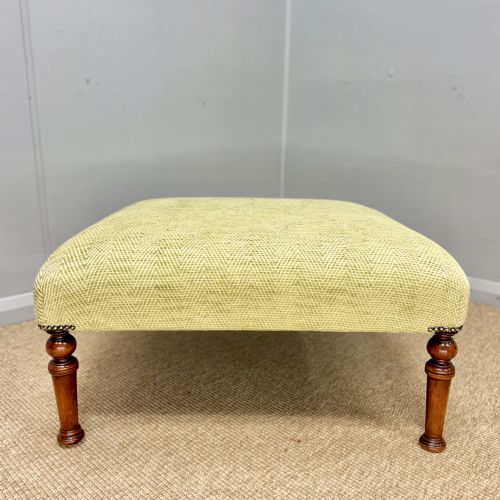


Traditional Upholstered Footstool
A traditional upholstered footstool brings low seating and soft support into a room, spanning Victorian mahogany frames to early twentieth-century walnut designs.
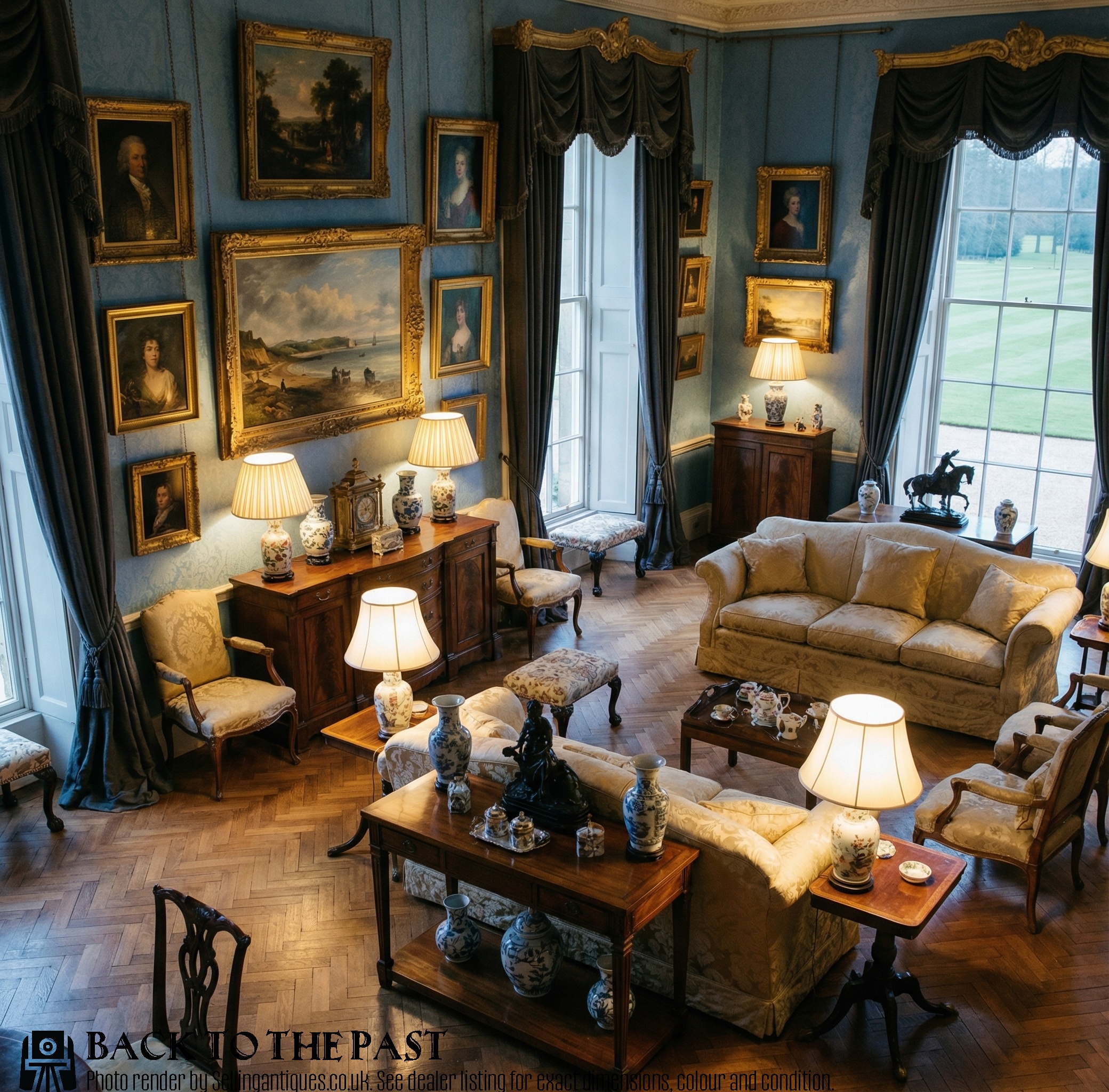
Traditional Upholstered Footstool
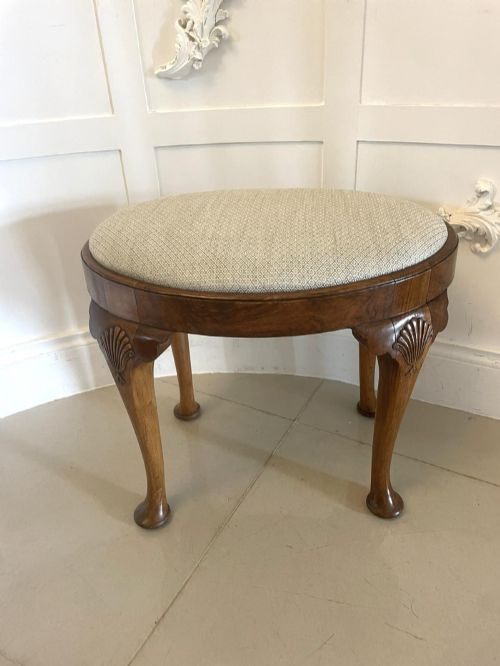
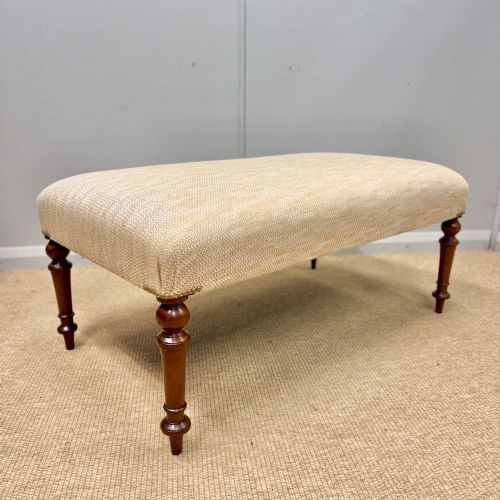
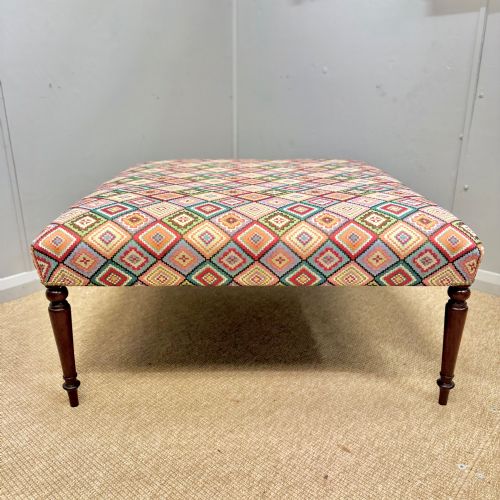
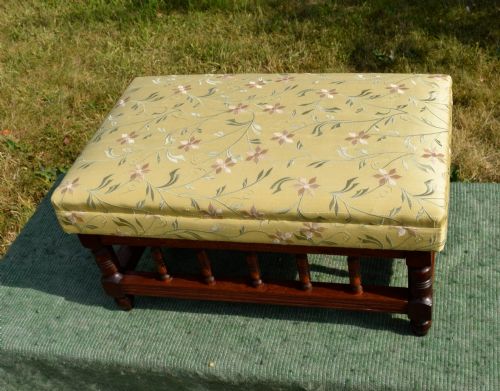
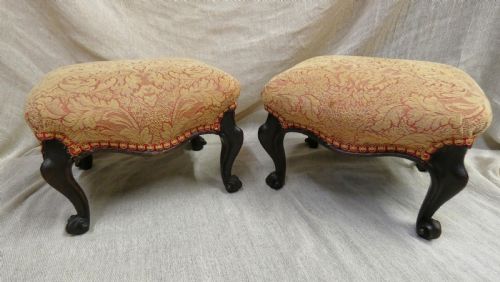
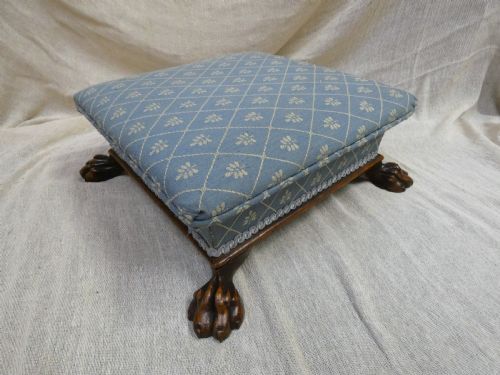
A traditional upholstered footstool provides a low rest for the feet or additional seating, appearing frequently as an oblong, square or oval form supported on timber legs. These pieces emerge across the nineteenth century and the early twentieth century, taking the shape of simple fireside helpers, large ottomans, dressing table stools and piano duet seats.
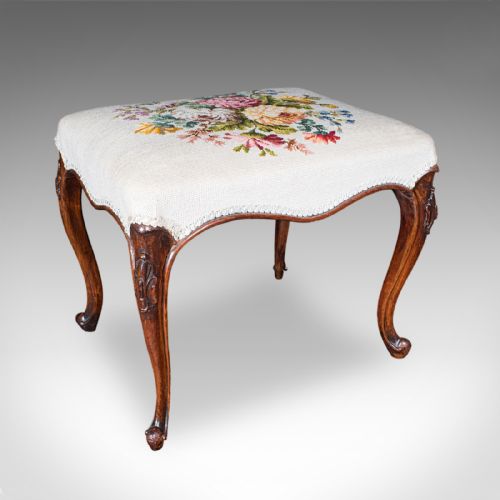
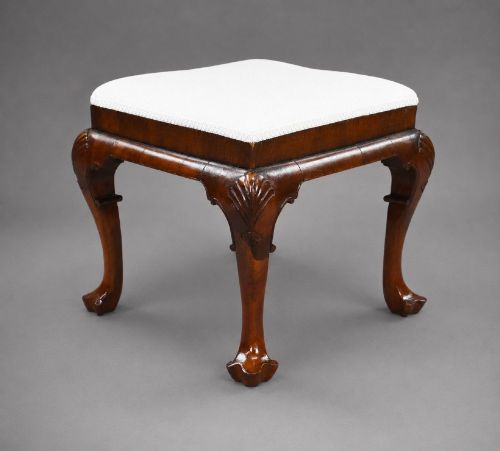
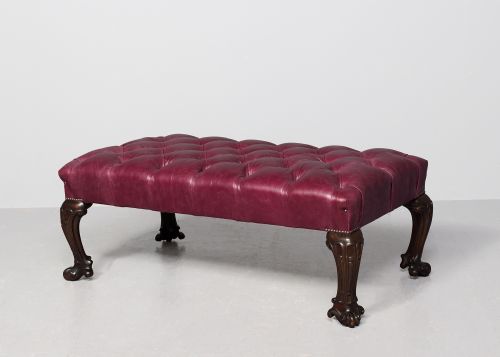
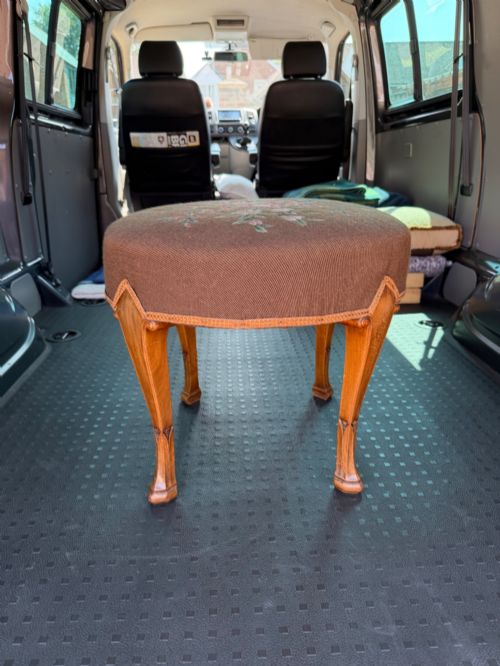
The most common examples on this page are Victorian and Edwardian items framed in mahogany or walnut, often carrying buttoned leather, needlepoint, tapestry or wool textiles. Revival aesthetics surface clearly through Queen Anne style cabriole legs, Chippendale style carvings and Jacobean influences, grounding each piece in established historical vocabulary.
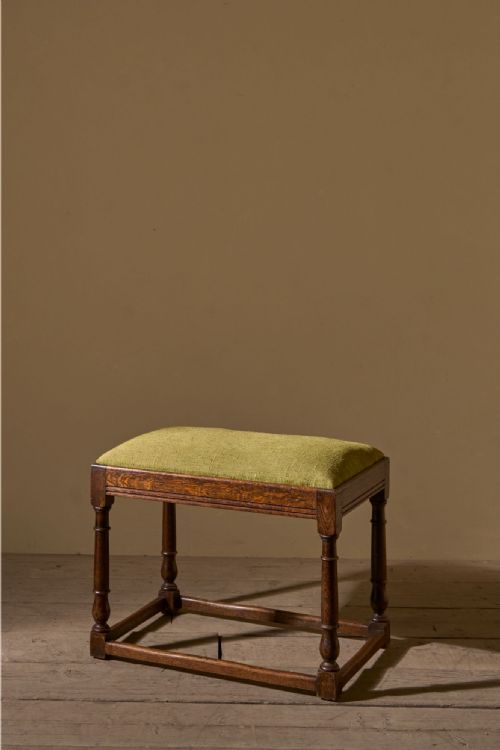
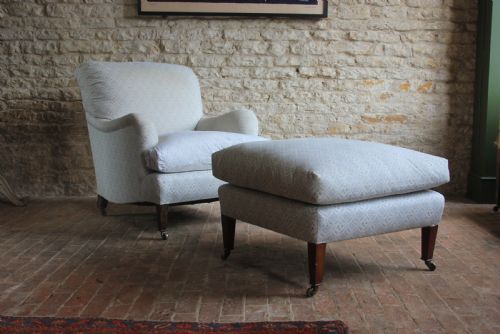
Beyond standard footstools, the selection encompasses library steps, joint stools in oak, and matching armchairs with their original footstools. Their domestic purpose remains straightforward, serving living rooms, bedrooms and studies as functional furniture built to endure.
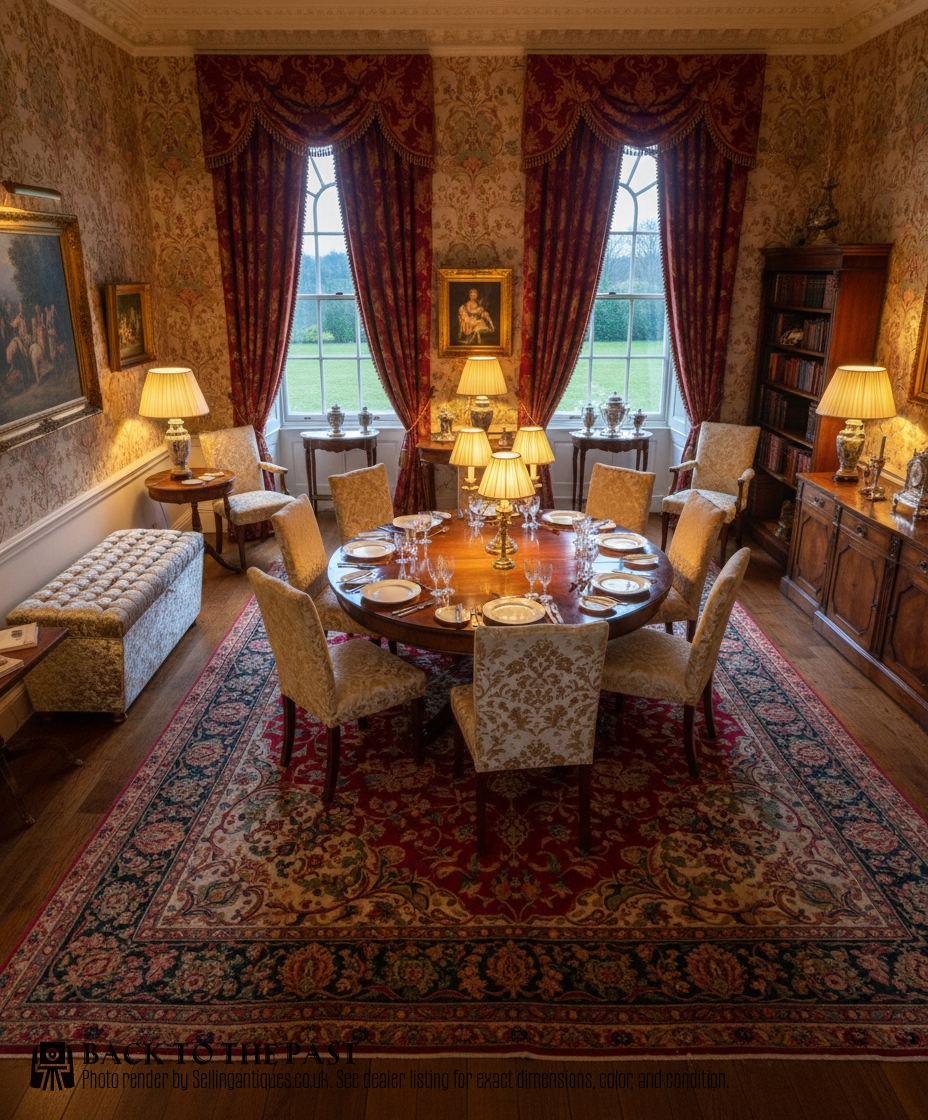
Materials and construction
Timber frames form the backbone of these pieces, utilising hardwoods such as mahogany, walnut, oak, rosewood, teak and yew wood. Workshops shaped these timbers into cabriole legs, turned supports and ball and claw details, occasionally mounting the heavier frames on brass castors for ease of movement.
Upholstery techniques unite textiles with the wooden base, employing wool, heavy green linen, herringbone fabrics, woven rattan, tapestry and needlework alongside smooth red hide and leather. Internal padding and traditional buttoning secure the fabric to the frame, creating firm yet yielding surfaces designed for sustained daily use.
Traditional Upholstered Footstool Retail Price Guide 2026
Typical asking prices for traditional upholstered footstool among the pieces listed under this phrase on Sellingantiques today, from the lower quarter to the upper quarter. They describe what is for sale here now, not the wider market.
One piano duet stool arrives ready for four hands with a hinged seat.
Distinctions in quality
The grade of a traditional upholstered footstool rests upon the selection of timber and the execution of the woodwork. Finely carved ball and claw details, crisp cabriole legs and dense hardwoods like rosewood or figured walnut distinguish superior examples from plain utility pieces.
The integrity of the upholstery and the textile choice also define the tier of the piece. Hand-stitched needlepoint, kilim covers, original leather hides and precise buttoning demand skilled craftsmanship that elevates the physical presence of the stool.
Howard and Sons
The Traditional Upholstered Footstool Glossary
- Cabriole leg
- A furniture leg that curves outward at the knee and tapers inward toward the ankle, ending in a pad or foot. This stylistic feature appears frequently on Queen Anne style and Victorian stools.
- Needlepoint
- A type of canvas work embroidery executed with yarn, commonly seen covering the tops of Victorian and early twentieth-century footstools. It provides a durable and decorative surface.
- Joint stool
- A sturdy wooden stool constructed with mortise and tenon joints rather than turned legs, originating in earlier centuries and echoed in revival pieces.
- Ottoman
- A low, upholstered seat or footstool without a back or armrests, often large in scale and occasionally featuring internal storage or hinged mechanisms.
Traditional Upholstered Footstool: Frequently Asked Questions
How do I date a traditional footstool?
Dating relies on examining the timber species, leg profiles, and upholstery materials used in the construction. Victorian pieces often favour heavy mahogany with turnings, while later twentieth-century examples introduce distinct revival styles.
Secondary clues include the presence of brass castors, hand-woven textiles, and construction methods visible beneath the frame.
What is the difference between a footstool and an ottoman?
Footstools generally measure smaller and serve primarily to support the feet while sitting in an armchair. Ottomans are typically larger, designed to function as central room furniture or dual-purpose seating.
Both share low, upholstered profiles but vary in their scale and domestic placement.
Can I use these stools on wooden floors?
Most of these pieces stand on timber legs, and some heavier versions rest upon brass castors. Placing felt pads beneath the wooden feet protects delicate flooring from friction.
Stools equipped with castors move freely, so positioning them on a rug prevents unintended rolling.
How do I care for antique upholstery?
Maintaining fabric and leather upholstery involves gentle vacuuming with a soft brush attachment to remove dust. Leather surfaces benefit from periodic conditioning to prevent drying and cracking.
Avoiding direct sunlight preserves the original colours of wool, tapestry, and needlework textiles.