
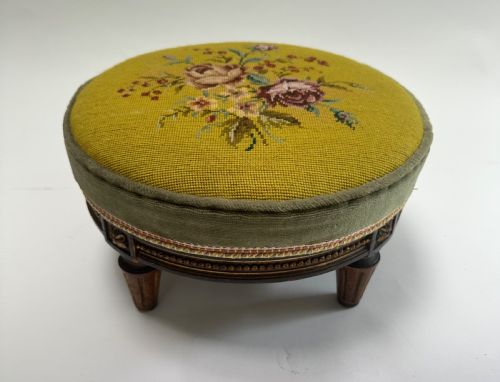
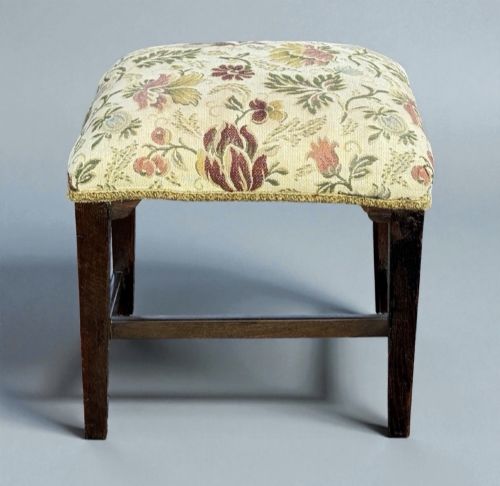


Floral Upholstered Ottoman
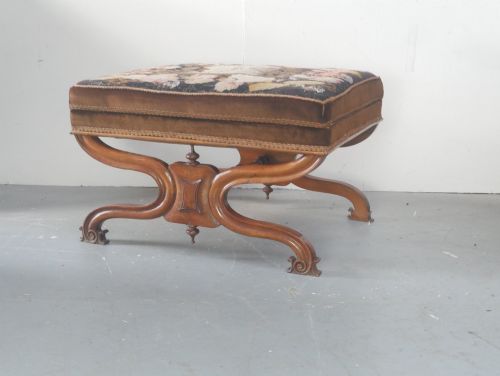
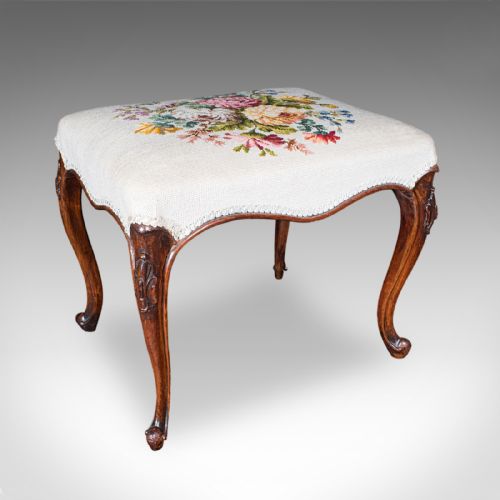
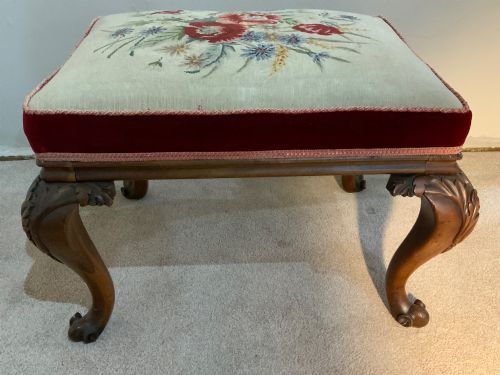
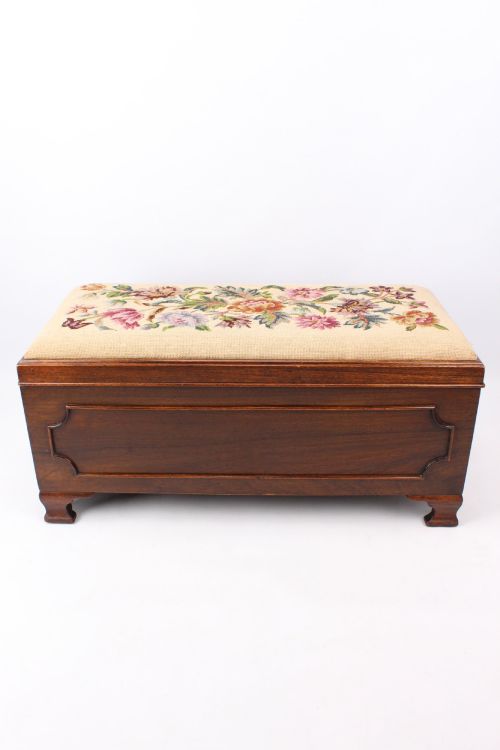
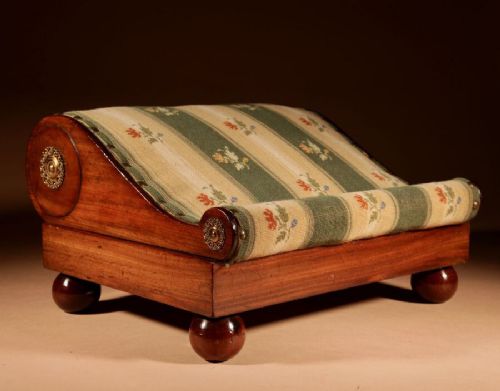
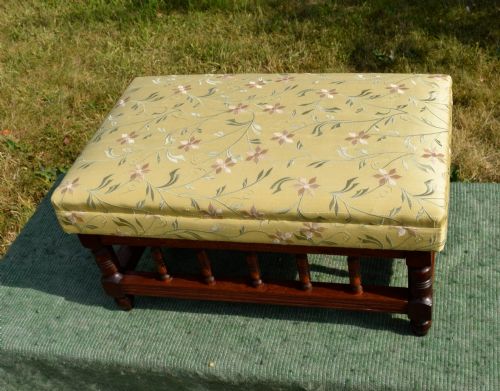
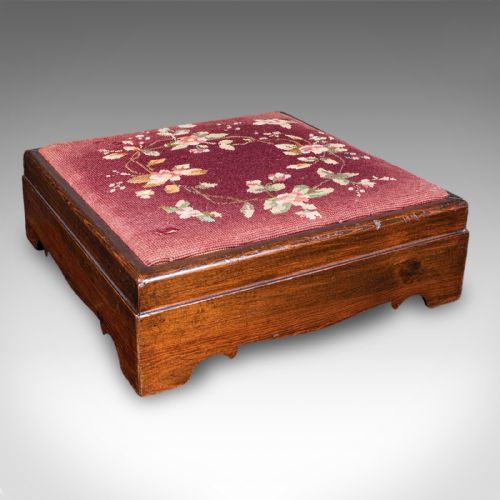
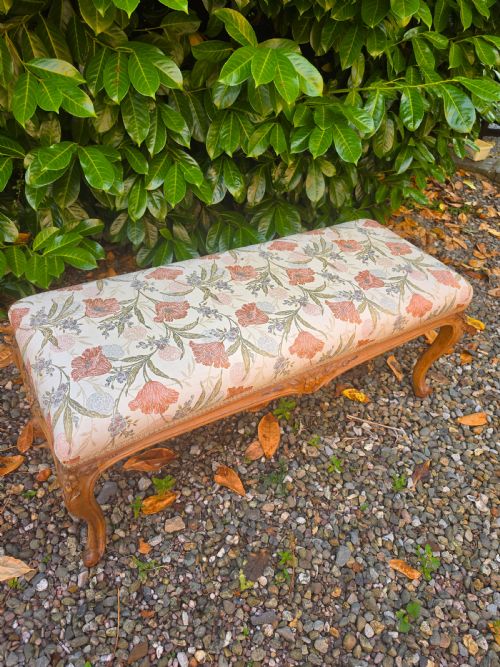
These floral upholstered ottoman pieces combine needlework, tapestry, and fabric tops with timber frames to provide seating and storage.
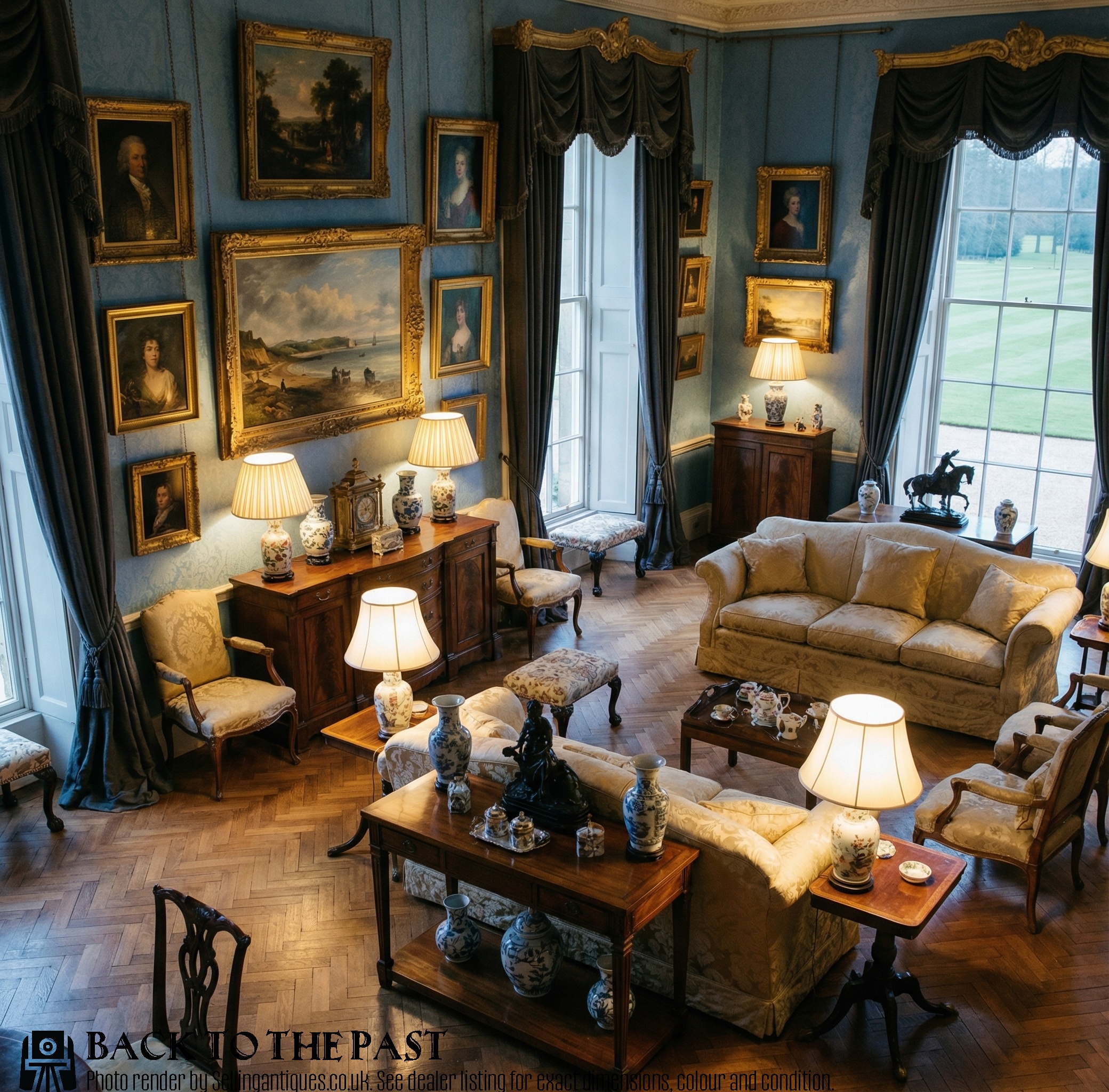
Floral Upholstered Ottoman
A floral upholstered ottoman is a low seat or footrest covered in textile, needlepoint, or tapestry, often hiding a storage compartment beneath the cushion.
The selections span the nineteenth century through the Edwardian period and the 1930s, encompassing Victorian, Regency, and Queen Anne styles.
Most examples appear as mahogany, walnut, or rosewood stools, alongside footstools, daybeds, and dressing stools with fabric tops.
Quality factors
The calibre of timber carving and the density of wood selection set finer Victorian and Regency pieces apart from simpler frames.
The complexity and execution of the needlepoint or tapestry top dictate the visual weight and refinement of the finished stool.
Certain nineteenth-century box ottomans doubled as work boxes, hiding sewing kits beneath the floral upholstery.
Howard and Sons
The Floral Upholstered Ottoman Glossary
- Ottoman
- A low upholstered seat or footstool, sometimes featuring internal storage for blankets or needlework.
- Needlepoint
- A type of canvas work embroidery utilised for durable, decorative floral seat covers.
- Cabriole leg
- A furniture leg that curves out and then in, commonly seen on walnut and mahogany stools.
- Tapestry
- A heavy textile woven with pictorial or floral designs, frequently applied to nineteenth-century footstools.
Floral Upholstered Ottoman: Frequently Asked Questions
What is an ottoman?
An ottoman is a upholstered low seat or footstool designed for domestic comfort, often doubling as a storage box for textiles.
Many period examples feature hinged cushion tops that reveal a lined interior compartment.
How do I date a stool?
Dating relies on timber choices such as rosewood and mahogany alongside stylistic indicators like cabriole legs or Queen Anne styling.
Construction joints and upholstery materials further align pieces with Victorian, Regency, or Edwardian eras.
Where were these placed?
These pieces sat near firesides, in drawing rooms as centre stools, or beside dressing tables as low seats.
Longer forms functioned as window stools or daybeds within nineteenth-century interiors.
Are the covers original?
Needlework and tapestry covers range from period hand-stitched needlepoint to later replacement textiles in traditional styles.
Fabric choices include wool tapestry, velvet, and branded textiles like Liberty fabric.