



Edwardian Carved Walnut Stool
An edwardian carved walnut stool is a solid timber seat built for parlour or dressing room, combining warm grain with carved detail.
Edwardian Carved Walnut Stool
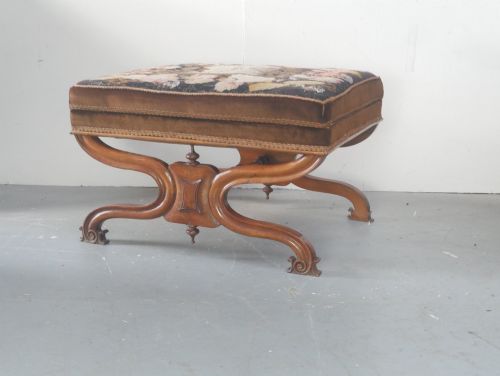
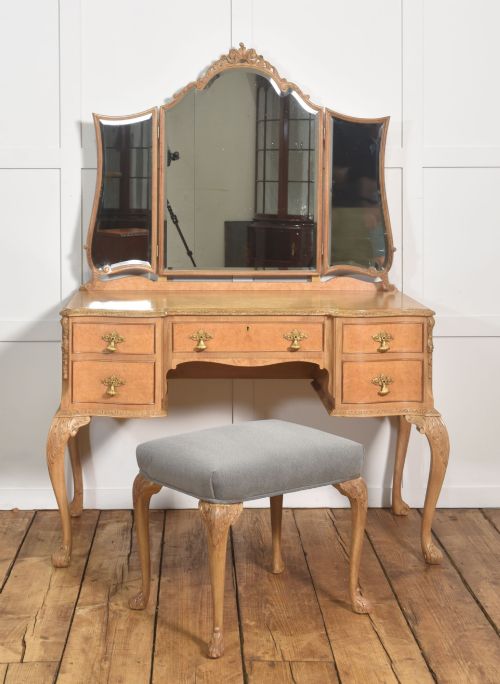
An edwardian carved walnut stool encompasses various forms ranging from compact dressing table seats to long window benches and piano stools. The selection on this page draws heavily on Victorian origins alongside Edwardian examples, spanning the nineteenth and early twentieth centuries.
Makers of the period borrowed freely from earlier aesthetics, producing pieces styled after Queen Anne, George II, and Louis XV revivals. Buyers will find rectangular salon pieces, oval needlework seats, and larger Scottish Baronial designs sharing the same dense timber.
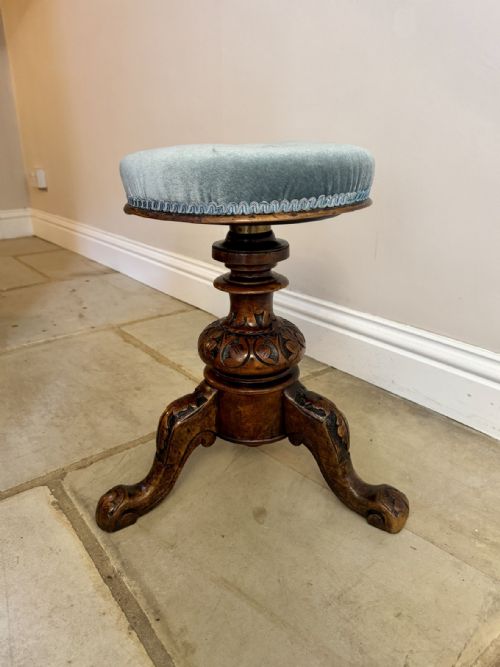
Function dictated the frame, leading to low footstools, revolving tripod piano seats, and expansive three-seater benches intended for country houses. Walnut remained the primary medium across these diverse formats, prized for its deep tone and steady grain.
How they were made
Cabinetmakers worked primarily in solid walnut, shaping frames with hand tools to create cabriole legs, twisted rope supports, and elaborate carved flourishes. The timber accepted crisp detail readily, allowing workshops to emulate eighteenth-century revival styles with precision.
Upholstery was an integral part of production, utilising materials such as velvet, tapestry, and buttoned leather secured over webbing and stuffing. Many survivors retain later textile coverings while keeping their original structural joinery intact beneath.
Edwardian Carved Walnut Stool Retail Price Guide 2026
Typical asking prices for edwardian carved walnut stool among the pieces listed under this phrase on Sellingantiques today, from the lower quarter to the upper quarter. They describe what is for sale here now, not the wider market.
Some piano stools still contain hidden compartments originally intended for storing rolled sheet music beneath the revolving seat.
What varies in quality
The distinction between ordinary production and finer work lies in the depth and crispness of the carved ornamentation on the walnut frame. Superior pieces display hand-chiselled detailing rather than perfunctory moulding, particularly around cabriole knees and rail edges.
Proportion and structural integrity separate robust examples from lesser pieces that have suffered loose joints or timber shrinkage. A balanced frame with tight joinery and well-figured walnut grain represents the higher tier of these seating forms.
The Edwardian Carved Walnut Stool Glossary
- Cabriole leg
- A furniture leg that curves outward at the knee and tapers inward to an ankle or foot, inspired by animal limbs. This form appears frequently on walnut revival seating from the nineteenth and early twentieth centuries.
- Scottish Baronial
- A nineteenth-century architectural and decorative style drawing on historic Scottish castles and fortified houses. Stools in this manner often feature heavier proportions and robust timber framing.
- Needlework
- Hand-stitched textile work used historically to cover seat pads and footstools. Needlework covers often employ wool or silk threads on a canvas ground.
- Tripod
- A three-legged support structure commonly utilised for adjustable piano stools. This configuration provided stability on uneven nineteenth-century flooring.
Edwardian Carved Walnut Stool: Frequently Asked Questions
What rooms suit an edwardian carved walnut stool?
These versatile seats function well beside dressing tables, in bedrooms as low resting places, or positioned beneath windows as bench seating.
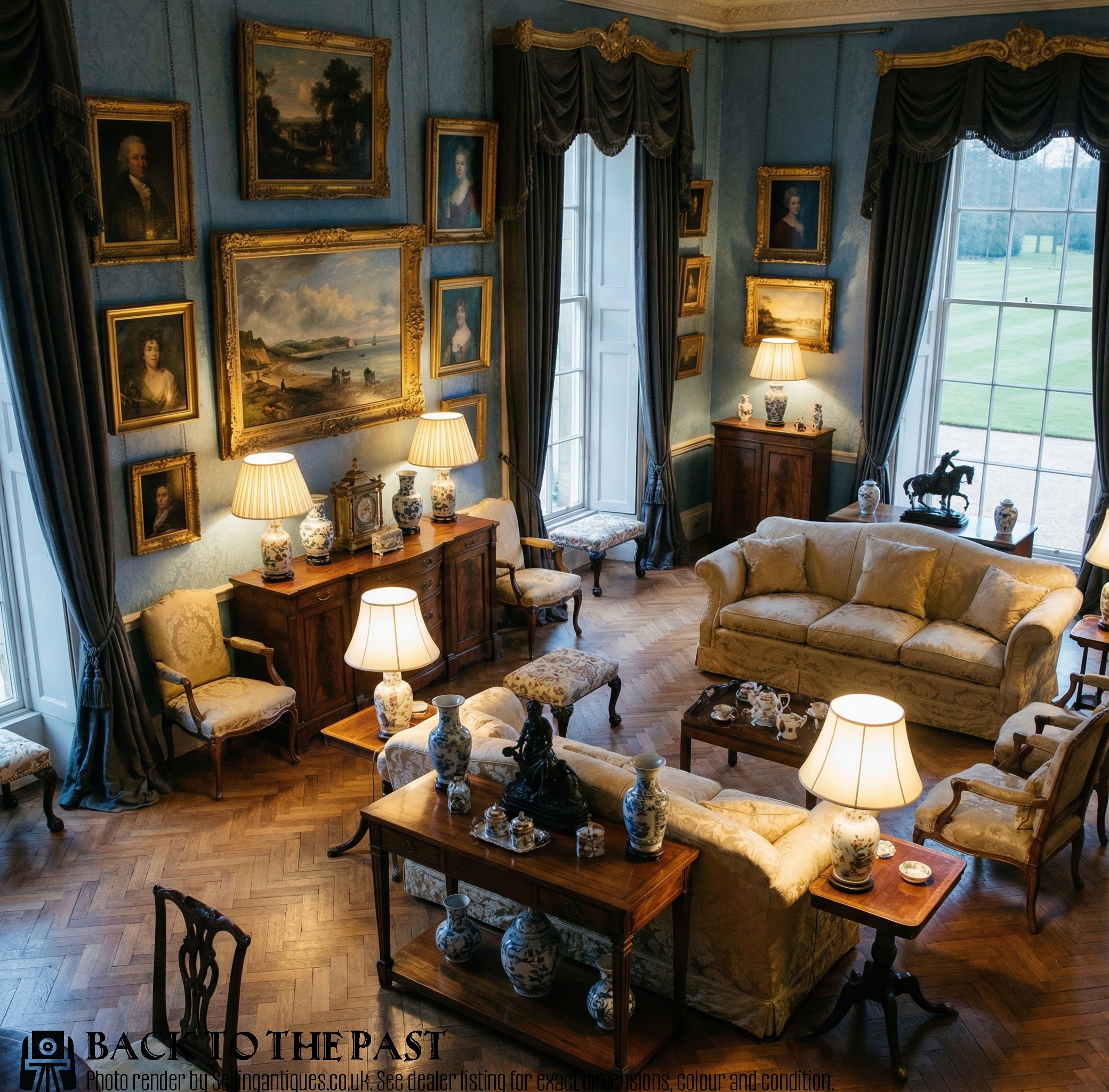
Their compact scale also permits placement in hallways or living spaces as secondary seating or foot supports.
How do I care for walnut furniture?
Keep wooden frames away from direct sunlight and strong heat sources to prevent timber splitting or fading.
Dust regularly with a dry cloth and apply a quality wax polish sparingly to maintain the natural lustre of the walnut.
Are piano stools adjustable?
Certain examples feature revolving mechanisms that allow the seat height to be altered by spinning the top.
Other variants remain fixed in height, functioning primarily as upholstered benches for keyboard players.
How can I tell revival styles apart?
Queen Anne revival pieces typically feature cabriole legs and pad feet, while Georgian styles show heavier carved details and claw-and-ball motifs.
Examining the turning on the legs and the profile of the seat rail helps identify which historical period inspired the design.