




Traditional Upholstered Daybed
Traditional upholstered daybed forms range from Regency scroll-end sofas to Victorian chaises, offering reclining comfort for any room.
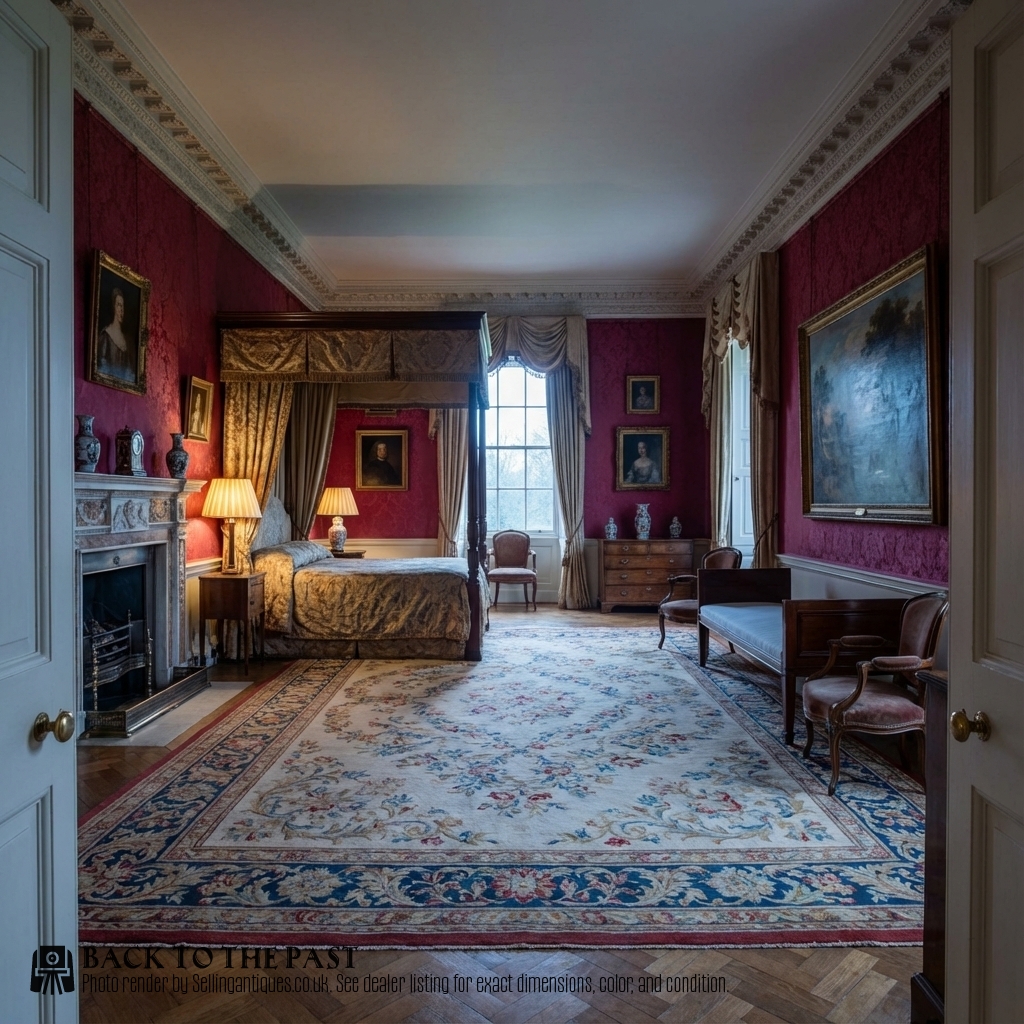
Traditional Upholstered Daybed
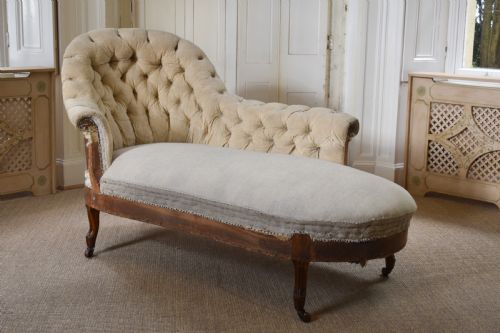
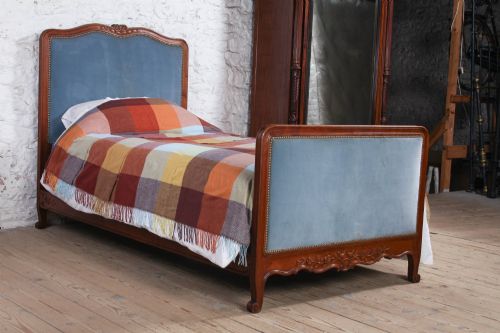
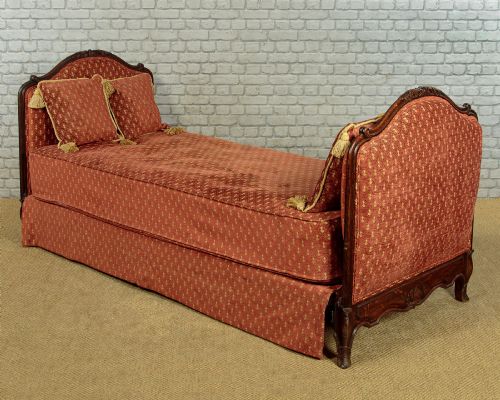
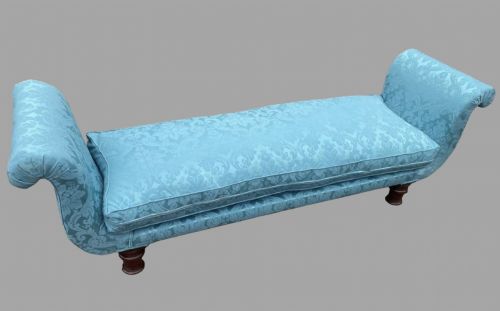
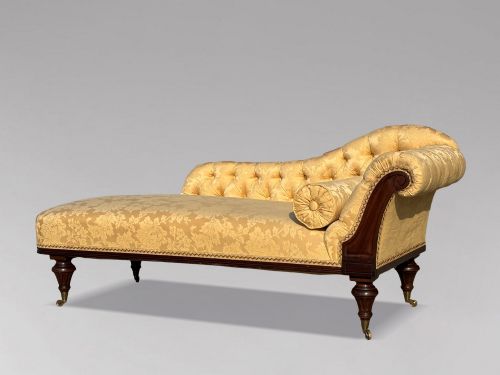
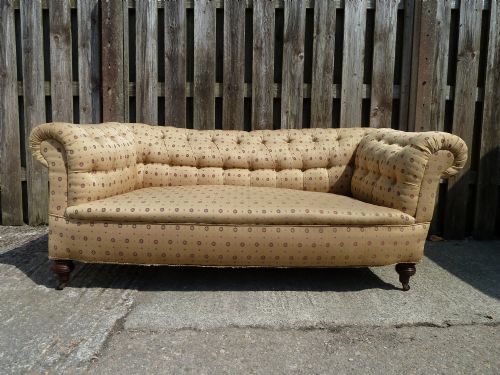
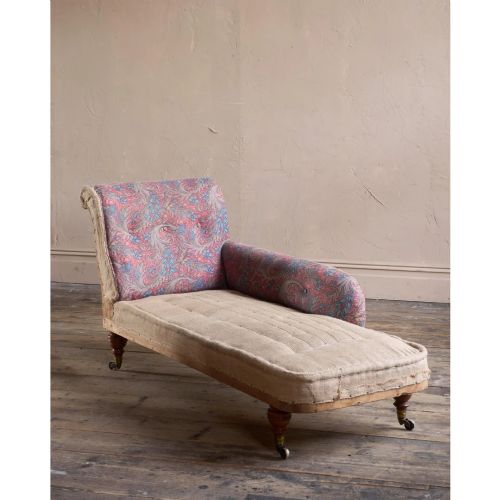
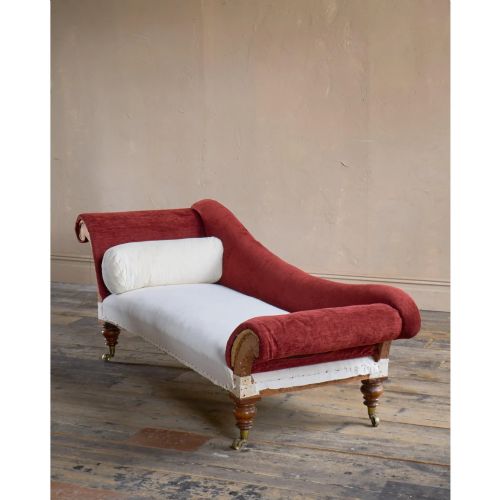
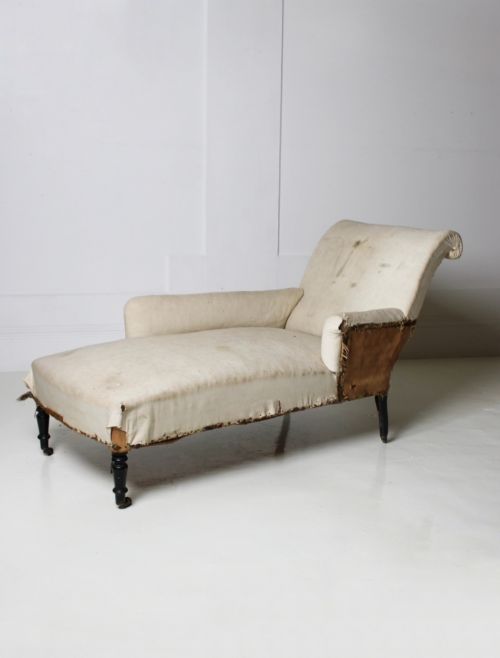
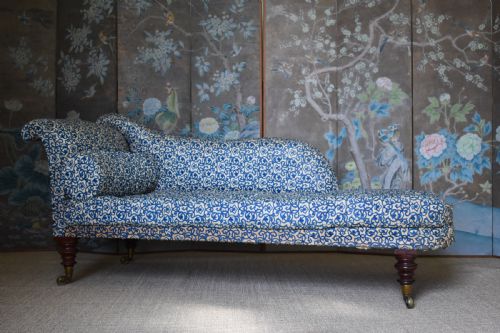
When searching for a traditional upholstered daybed, buyers encounter a variety of nineteenth-century seating forms including chaises longues, ottomans, and day beds. The nineteenth century dominates the available selection, spanning Regency, Victorian, and William IV periods with occasional French and regional variants.
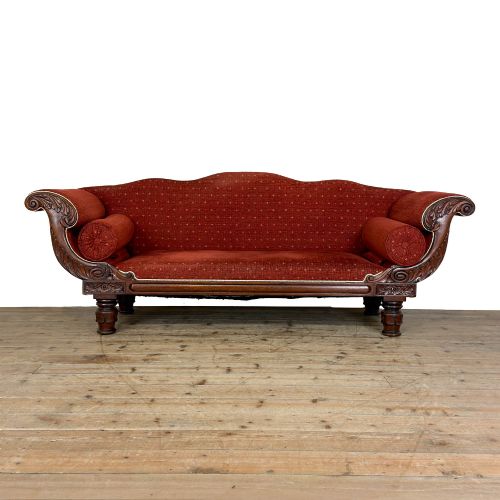
Most pieces function as single-ended loungers, scroll-end sofas, or day beds designed for reclining. Makers such as Howard and Sons and Jas Shoolbred produced notable examples that set the standard for nineteenth-century upholstered lounging furniture.
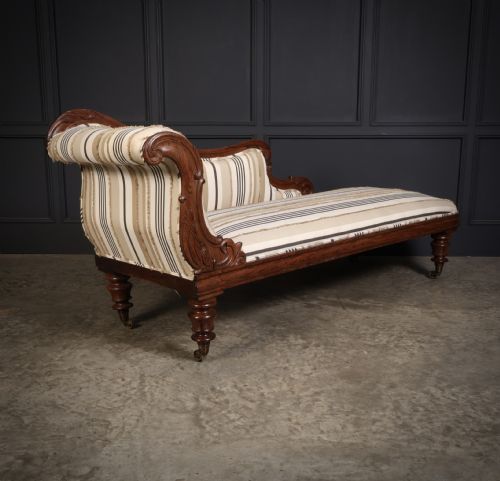
Forms vary from mahogany framed country house daybeds to carved teak floor seats and painted settle benches. Buyers select these pieces to introduce classic seating and resting spots into domestic interiors.
How traditional upholstered daybeds were made
Frames are constructed predominantly from hardwoods such as mahogany, rosewood, teak, and ebonised timber, complemented by brass details. Cabinet makers shaped scroll ends and carved wooden elements by hand during the nineteenth century.
Upholstery techniques involve traditional fillings covered in fabrics ranging from plain calico and cotton to velvet. Deep buttoning and concealed storage compartments appear on select nineteenth-century daybeds and chaises.
Traditional Upholstered Daybed Retail Price Guide 2026
Typical asking prices for traditional upholstered daybed among the pieces listed under this phrase on Sellingantiques today, from the lower quarter to the upper quarter. They describe what is for sale here now, not the wider market.
Listings feature nineteenth-century mahogany, rosewood, and teak daybeds alongside velvet and calico upholstery.
What varies in quality
Quality rests in the sculptural execution of the wooden frame, particularly the carving on mahogany or rosewood scroll ends and the integrity of structural joints. Maker attribution to workshops like Howard and Sons or Jas Shoolbred elevates a piece significantly.
The sophistication of the original upholstery platform and the choice of covering fabric dictate the finish of the piece. Well-balanced proportions and untouched timber surfaces separate superior country house examples from standard production.
Holland and sons·Howard and Sons·Jas Shoolbred·Hampton and Sons·Gillows
The Traditional Upholstered Daybed Glossary
- Chaise Longue
- A long chair for reclining, typically featuring one raised end or scroll arm. This form was popular throughout the nineteenth century.
- Lit Bateau
- A French bed style with symmetrical or asymmetrical scrolled ends resembling a boat. These appear in nineteenth-century French empire designs.
- Scroll-End
- A wooden arm or back termination curved into a scroll shape. It defines many Regency and Victorian sofa designs.
- Calico
- A plain-woven cotton textile used traditionally as the inner upholstery lining before top covers are applied. It provides a clean foundation for patterned or velvet fabrics.
- Bobbin
- A turned wooden furniture detail shaped like a string of bobbins or spools. This decorative turning appears on nineteenth-century day beds.
Traditional Upholstered Daybed: Frequently Asked Questions
How do I identify a Regency daybed?
Regency daybeds often feature classical lines, mahogany or rosewood timbers, and distinctive scroll ends. Maker influences from this period lean towards architectural restraint and elegant proportions.
Look for finely turned wooden elements and scroll-end sofa configurations that reflect early nineteenth-century design vocabulary.
Where should I place a daybed?
Daybeds suit studies, drawing rooms, or large bedrooms where they offer a comfortable spot for daytime resting. Their finished backs and scroll ends allow them to sit away from walls.
Consider room flow to ensure the single-ended lounger or chaise shape complements surrounding antique seating.
What fabrics were used originally?
Original upholstery utilised materials such as velvet, cotton, and calico, often secured with deep buttoning. These textiles were chosen to provide durable yet comfortable surfaces for daily reclining.
Subsequent reupholstery frequently preserves the traditional aesthetic established by makers like Howard and Sons.