
Traditional Umbrella Stand
A traditional umbrella stand greets visitors in the hallway, keeping walking canes and wet canopies orderly with proper period character.
Traditional Umbrella Stand
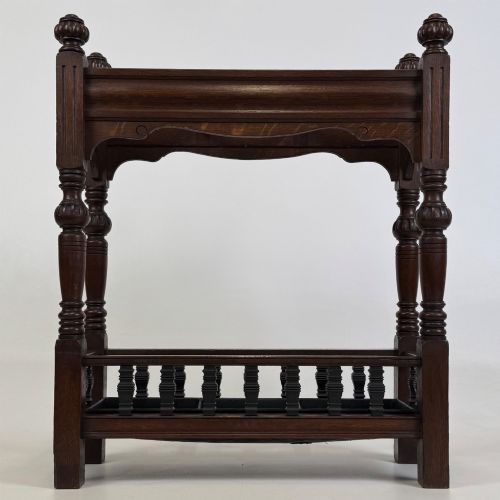
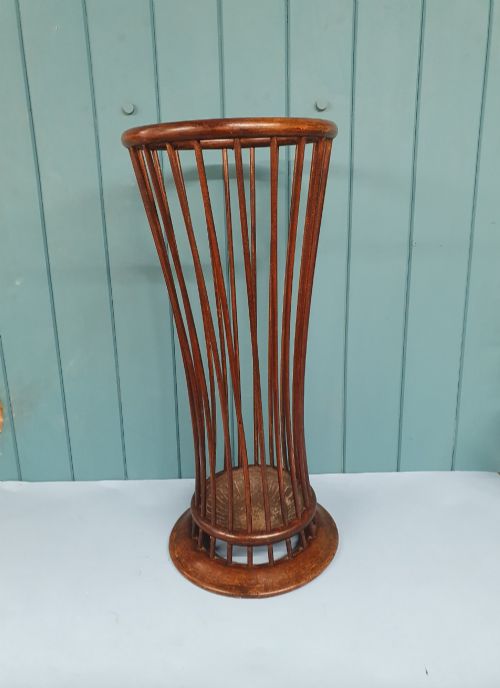
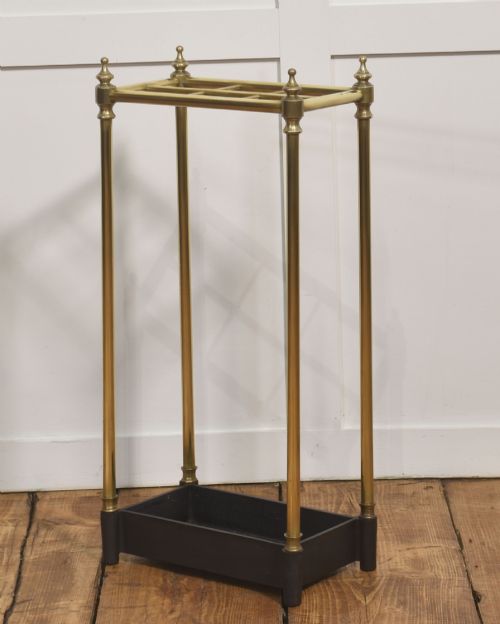
A traditional umbrella stand serves the entrance hall by holding wet sticks and heavy walking canes away from floorboards. You will most often find these utilitarian pieces shaped from oak, beech, brass, and cast iron in Victorian and Edwardian styles.
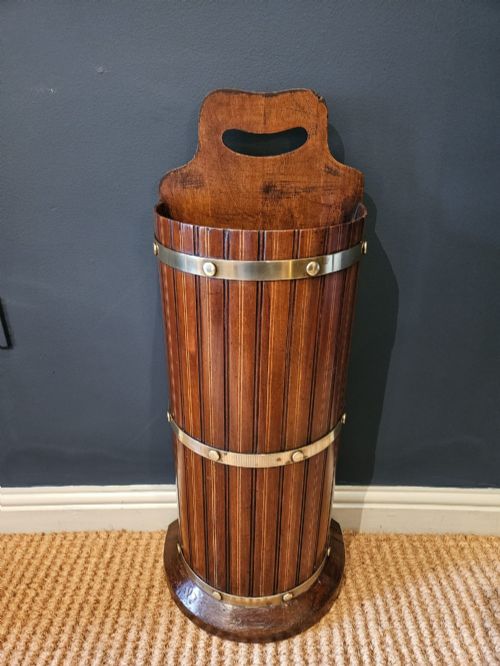
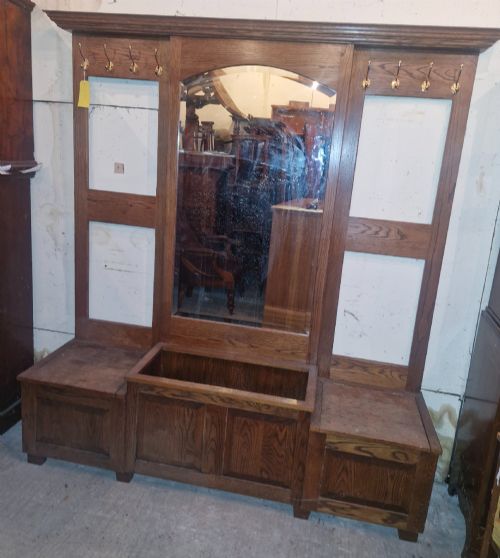
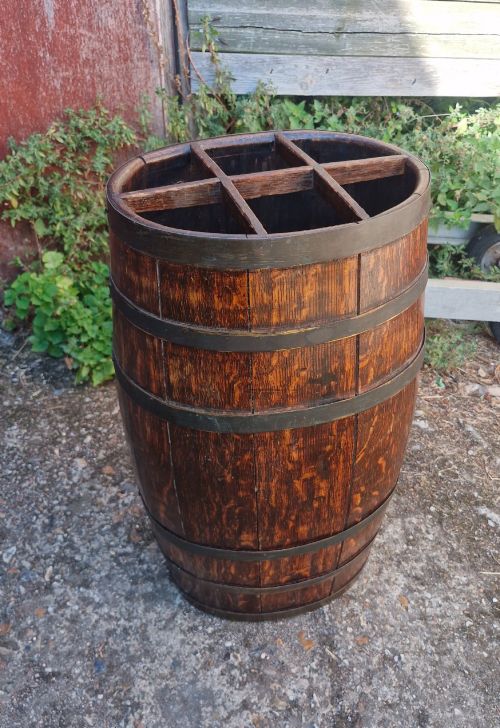
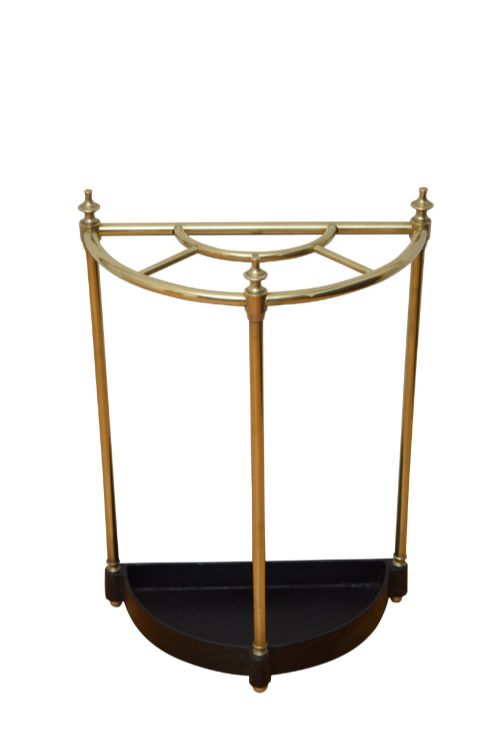
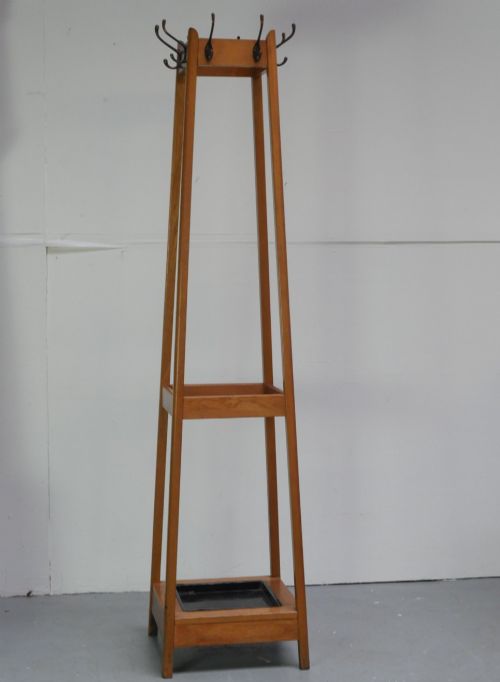
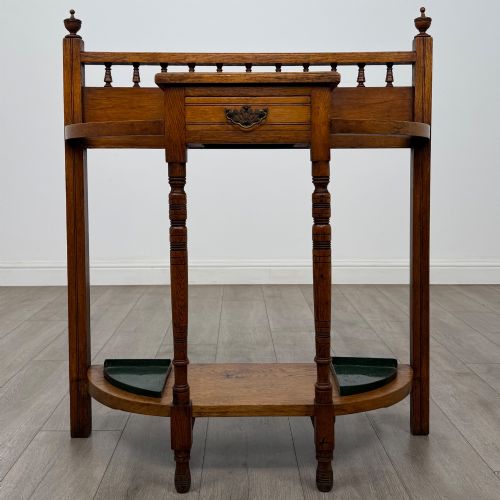
Many examples combine umbrella storage with coat hooks, mirrors, or small benches to form larger hall stands. Others take the neat form of coopered wooden barrels banded with metal or semicircular brass frames designed to tuck against a wall.
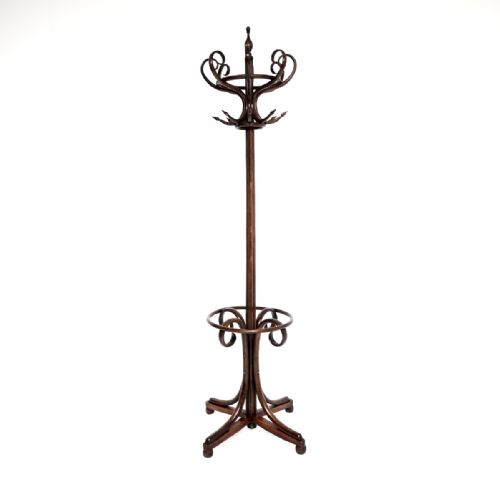
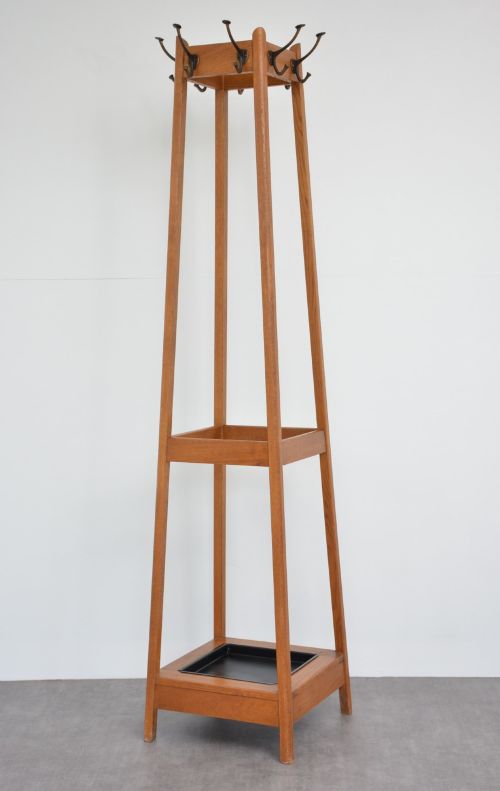
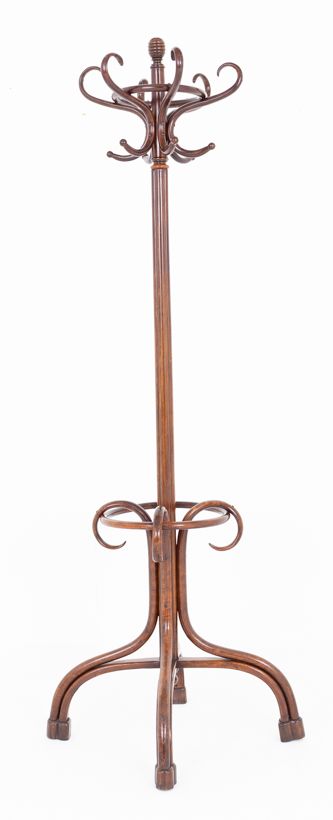
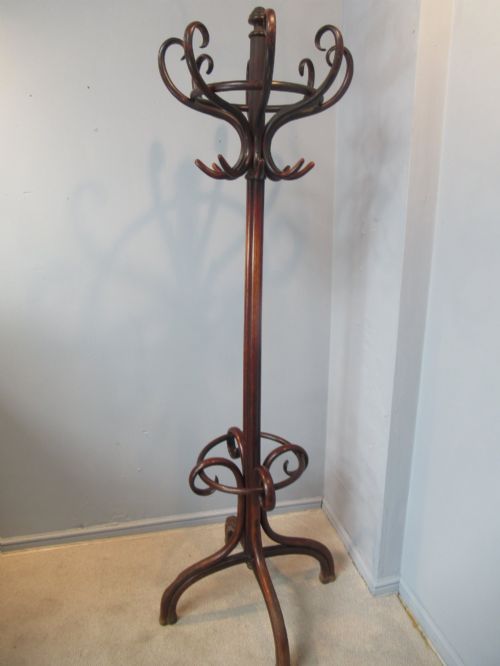
The selection ranges from sturdy Arts and Crafts oak designs to fluid Austrian bentwood creations and heavy metal floor standing frames. Each piece reflects the practical demands of nineteenth and early twentieth century domestic entryways.
Materials and Technique
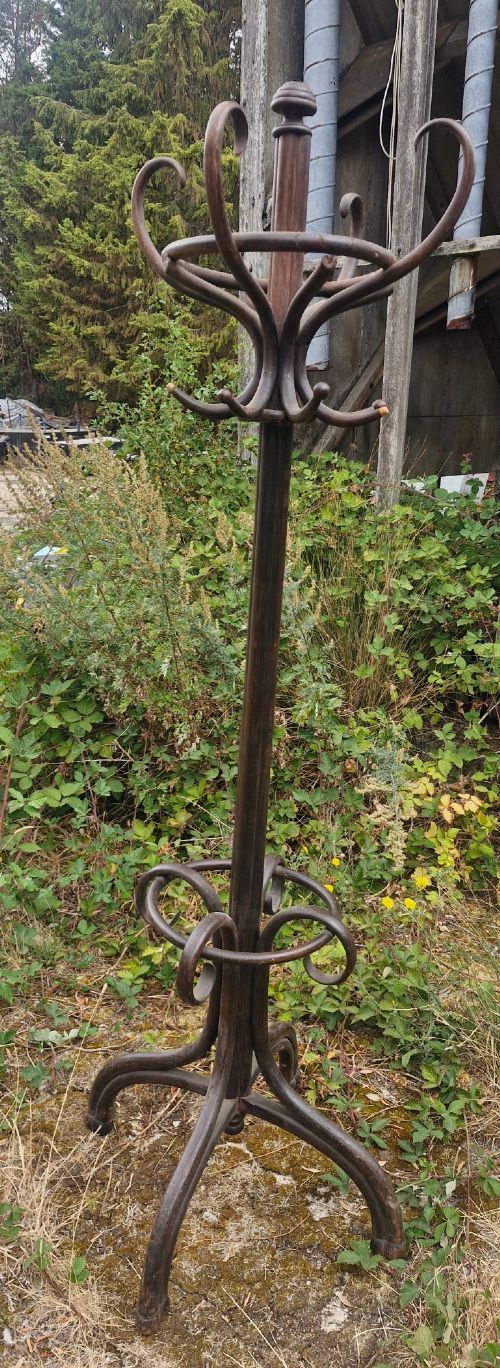
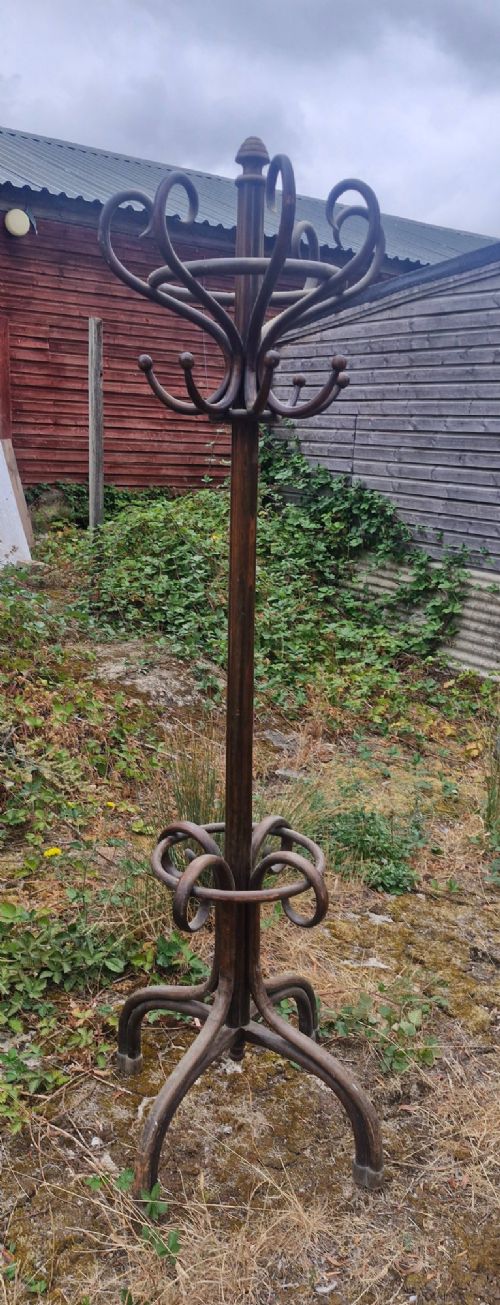
Makers relied primarily on solid oak, walnut, beech, and pine, often turning or bending the timber to shape upright posts and curved rails. Bentwood production involved steaming lengths of beech until pliable, then pressing them into smooth, continuous curves for hall stands.
Coopered construction appears frequently in barrel style stick stands, where individual wooden staves are tightly fitted and secured with brass or iron bands. Cast iron and heavy sheet brass were utilised for freestanding frames and dedicated drip pans.
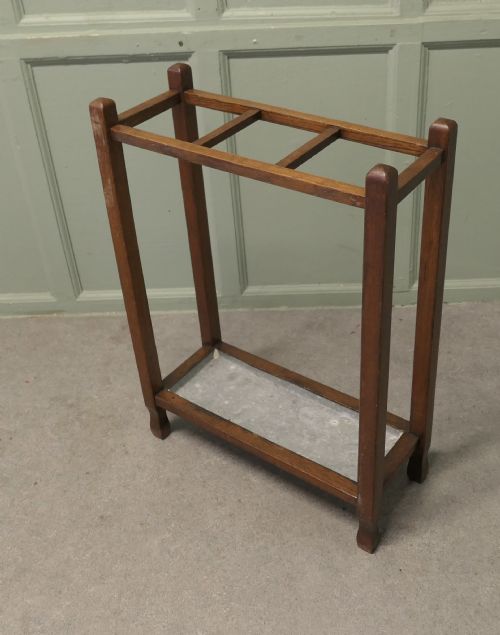
Internal management of moisture required practical metal liners or removable drip trays positioned beneath the umbrella holders. These zinc or brass trays protected the underlying wood from standing water and rot.
Some hall stands hid small umbrella wells right beside the seat so you could drip in comfort.
Judging Quality
The distinction between ordinary utility items and finer examples lies in the integrity of the joinery and the retention of original components. Solid oak and walnut frames fastened with traditional dowels and mortise joints outlast lesser constructions.
Proportion and decorative restraint separate standard production pieces from workshop items bearing Arts and Crafts detailing or careful turning. Surface patination accumulated through decades of hallway use adds depth to the timber.
Falkirk Foundry
The Traditional Umbrella Stand Glossary
- Bentwood
- Wood shaped by steaming and bending rather than carving. This technique produced lightweight yet durable coat and hat stands during the nineteenth and twentieth centuries.
- Coopered
- Woodwork constructed from curved staves bound together with metal hoops, much like a traditional barrel. This method suited waterproof stick and umbrella holders.
- Demi lune
- A half moon shape that allows furniture to sit flush against a hallway wall. Brass stands often utilised this profile to save floor space.
- Drip tray
- A metal tray placed at the base of a stand to catch water from wet canopies. Original trays are a key indicator of completeness.
- Hall stand
- A larger piece of furniture combining umbrella storage with coat hooks, mirrors, and sometimes a seat. These anchored the entrance spaces of period homes.
Traditional Umbrella Stand: Frequently Asked Questions
What is a traditional umbrella stand?
A traditional umbrella stand is a dedicated hallway piece designed to hold wet umbrellas, parasols, and walking sticks. These objects emerged in various forms during the Victorian and Edwardian eras to keep entranceways tidy.
They appear as wooden barrels, brass frames, or multi functional furniture pieces incorporating coat hooks and mirrors. Their primary role was practical, protecting interior floorboards from dripping water.
How do I care for wooden umbrella stands?
Wooden stands require protection from excessive moisture despite their original purpose of holding wet items. Ensuring that the metal drip tray remains watertight prevents standing water from reaching the timber base.
Applying a modest coat of wax periodically helps preserve the finish of oak, walnut, or pine surfaces. Keeping the piece away from direct heat sources prevents the wood from drying and cracking.
Are original drip trays important?
Original drip trays are significant because they complete the piece and match the period manufacture of the frame. Finding a stand with its zinc or brass liner intact adds to its authenticity.
Replacements are common due to corrosion from constant water exposure over the decades. An authentic tray ensures the stand functions precisely as intended by the maker.
How do I distinguish Victorian from Edwardian stands?
Victorian stands tend to feature heavier timbers, darker finishes, and more ornate cast iron or carved decoration. They reflect the formal and sometimes dense aesthetic of the nineteenth century.
Edwardian examples often display lighter golden oak tones, simpler lines, and the influence of the Arts and Crafts movement. Bentwood designs span both periods but became particularly prolific around the turn of the century.