
Vintage Freestanding Coat Rack
A vintage freestanding coat rack keeps hallways orderly while bringing character to the entrance through shaped timber and metal.
Vintage Freestanding Coat Rack
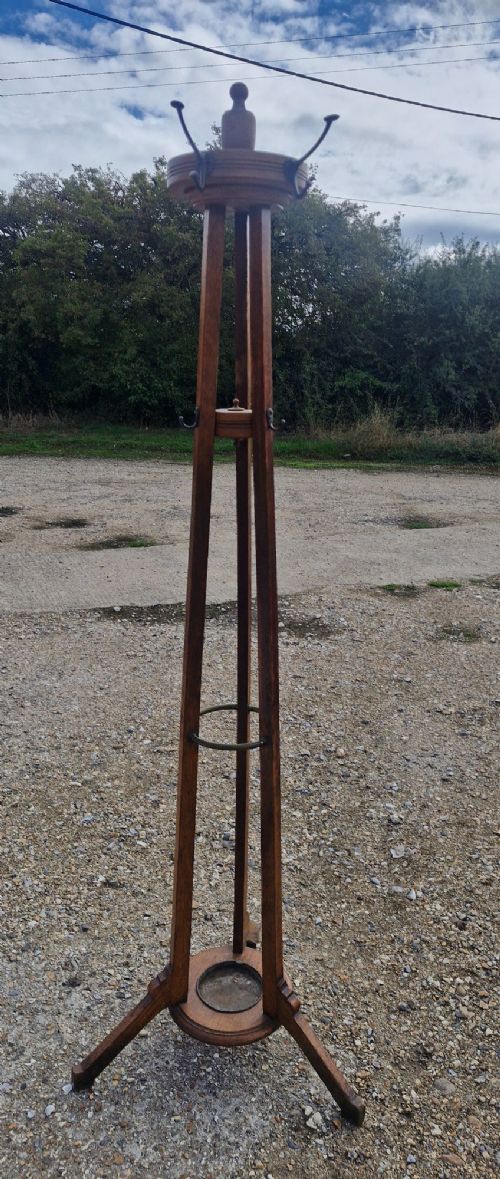
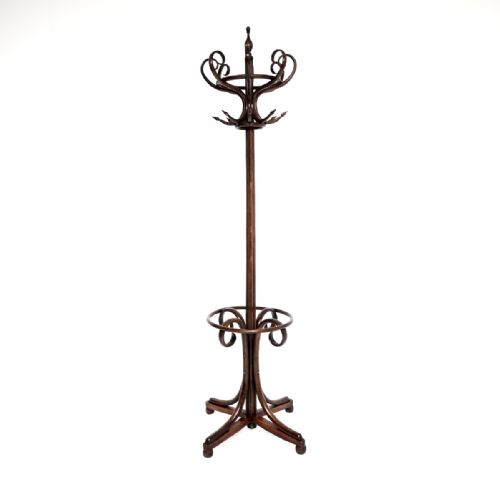
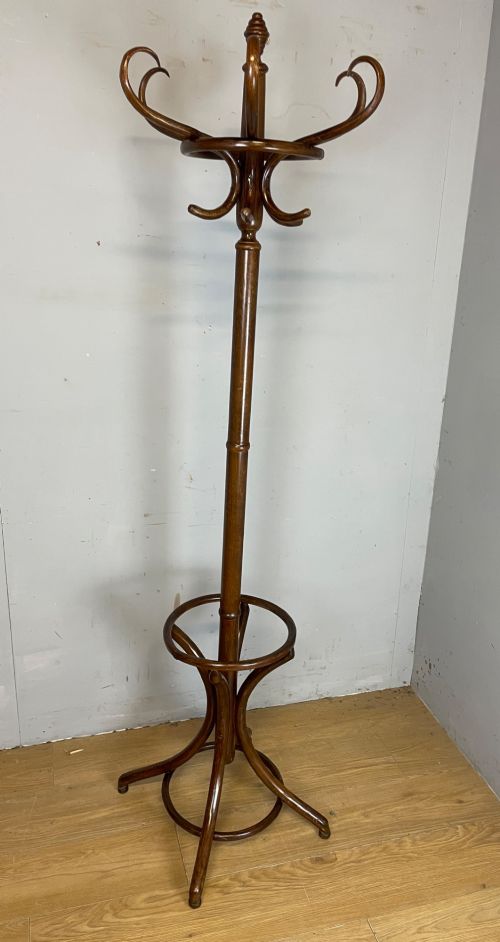
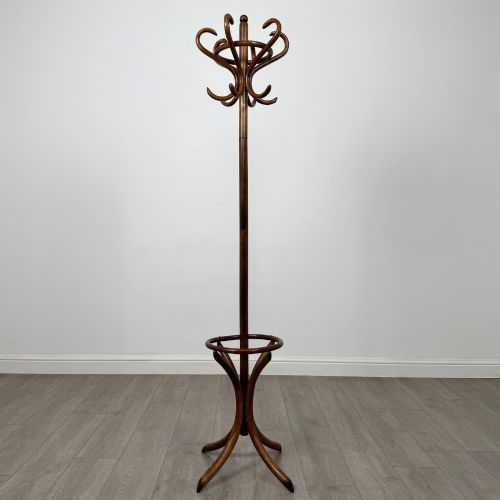
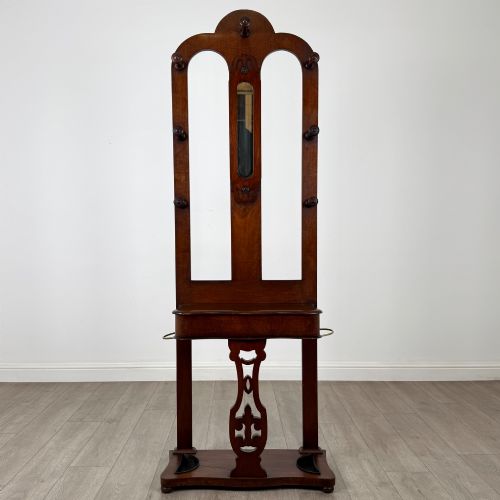
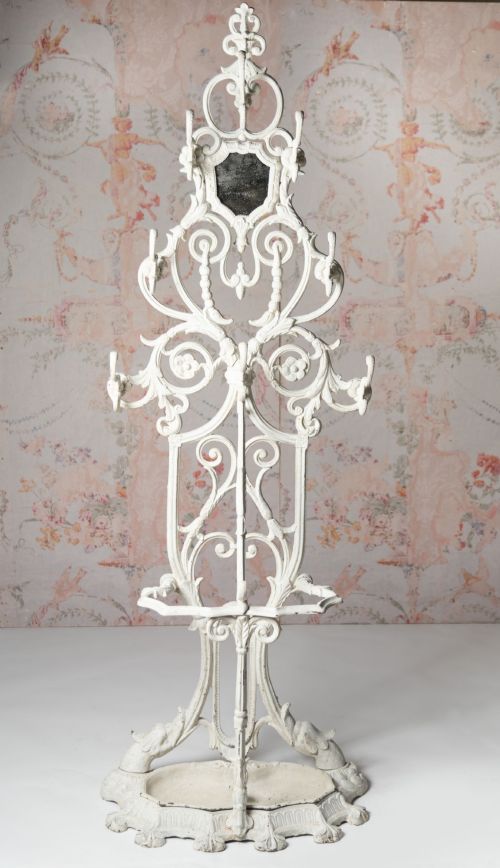
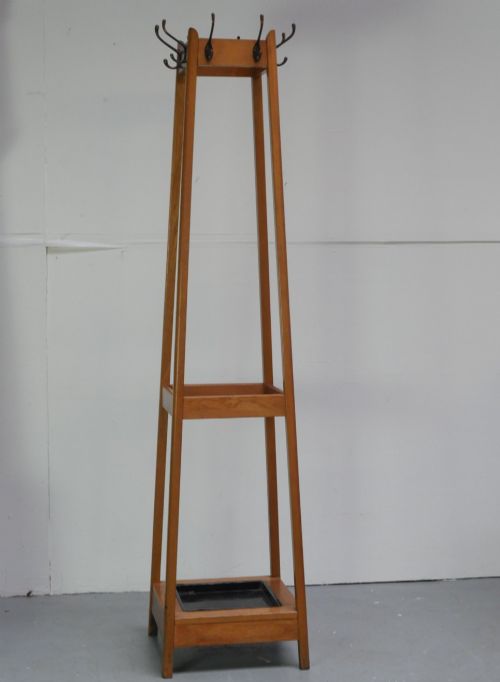
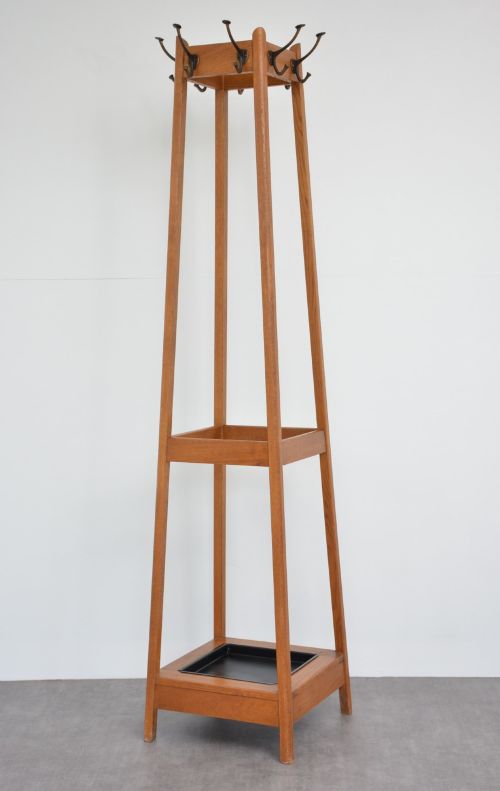
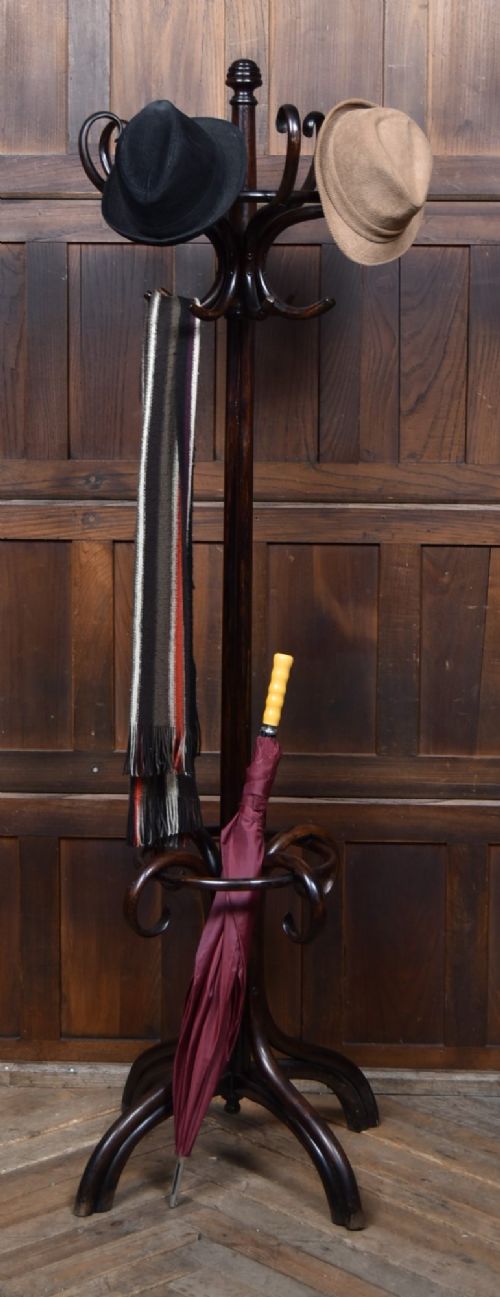
A vintage freestanding coat rack stands tall in hallways, reception rooms and vestibules to hold outdoor garments, hats and walking sticks. The pieces seen here span from the late nineteenth century through to the mid-twentieth century, encompassing Victorian, Edwardian and early twentieth-century periods.
Origins range across English, French and Austrian workshops, reflecting diverse regional tastes in domestic organisation. Buyers encounter revolving designs, demi-lune shapes and traditional vertical posts fitted with multiple upward-curving hooks.
Materials and construction methods
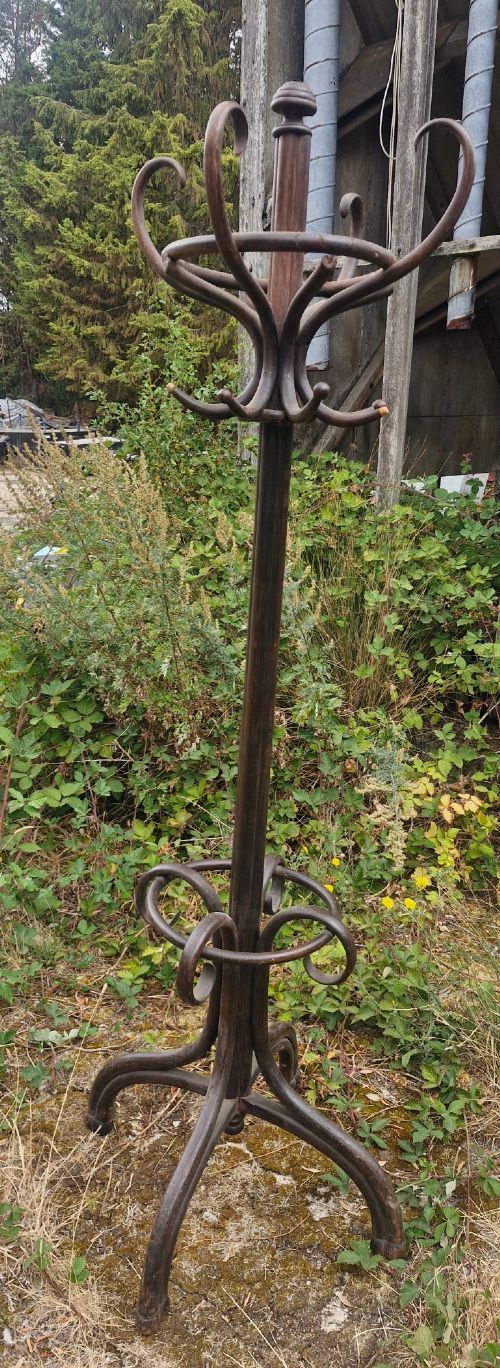
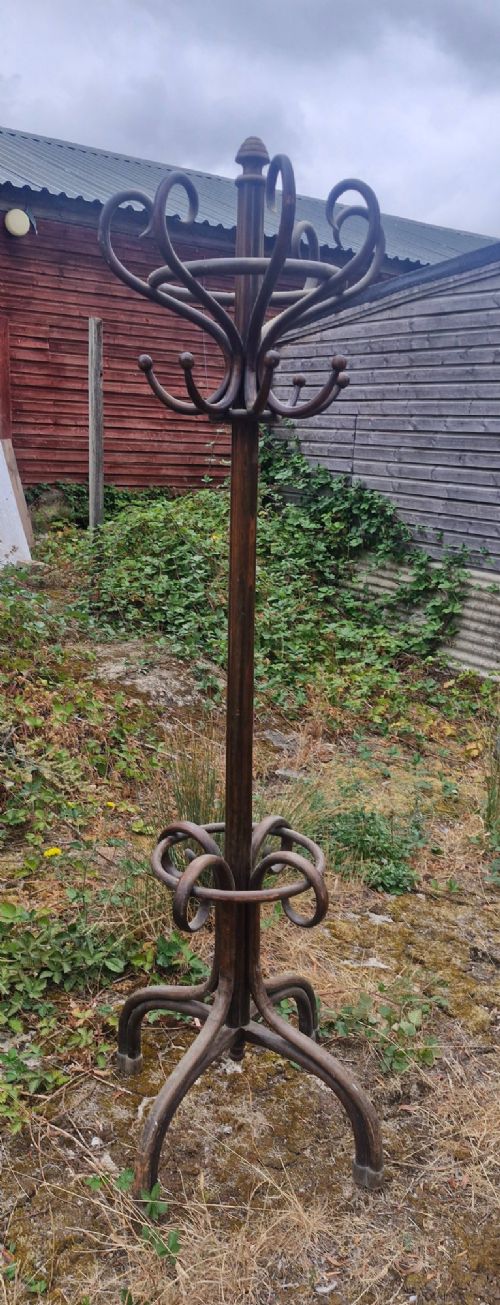
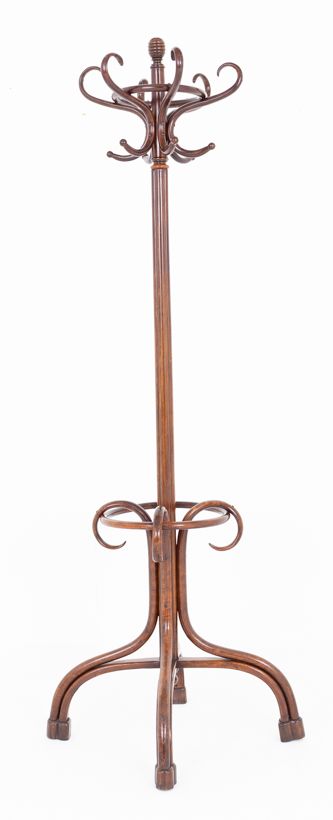
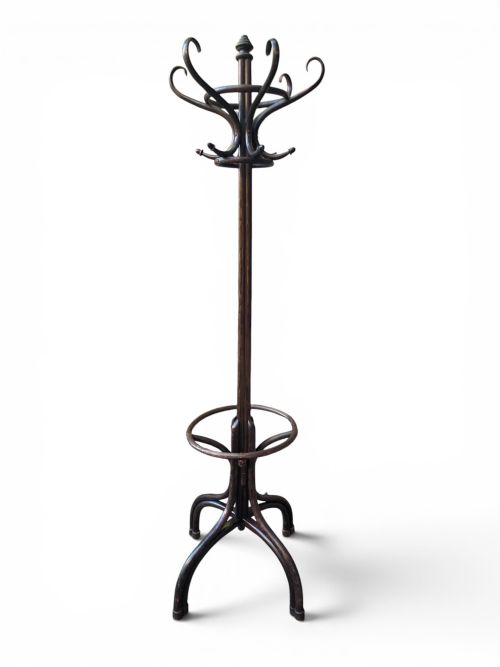
Steamed beech and beechwood dominate the construction of bentwood examples, utilising moisture and heat to bend solid timber into continuous curved loops for hooks and frames. This technique creates lightweight yet resilient structures capable of supporting heavy garments without rigid joints.
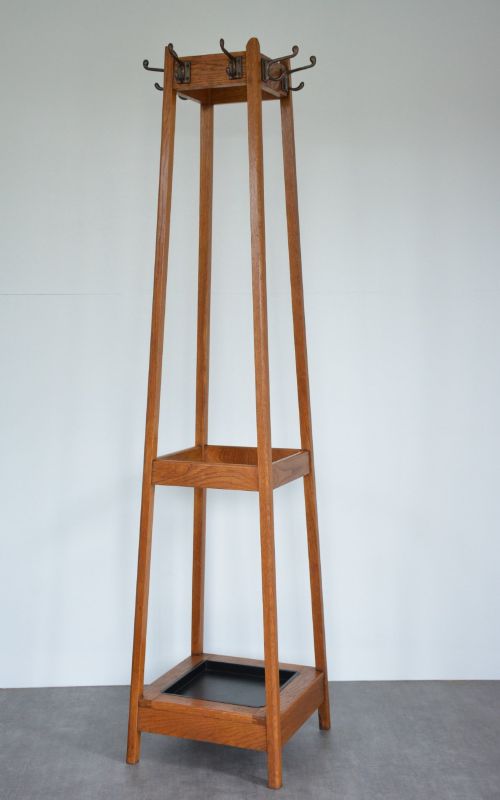
Oak, mahogany and walnut provide the structural substance for heavier hall stands, often joined with pegged mortise and tenon joints. Cast iron, brass and chrome appear in structural bases, hooks and integrated umbrella drip trays to manage moisture from wet weather gear.
Several stands include integrated wire or metal drip trays to catch nineteenth-century rain.
Distinctions in construction and design
Quality reveals itself in the weight and proportion of the timber, alongside the complexity of the bentwood curves. Heavier gauges of beech and dense sections of oak offer superior stability, preventing the stand from tipping under the unbalanced weight of winter coats.
Execution of detail separates standard utility pieces from finer items. Turning on central columns, the snugness of revolving top sections, and the retention of original cast iron drip trays contribute to an object's integrity.
Thonet·Fischel·Astrola·Jas. Shoolbred
The Vintage Freestanding Coat Rack Glossary
- Bentwood
- Wood formed into curved shapes through the application of steam and pressure. This technique allows for graceful, flowing structural lines without traditional joint weakness.
- Hall Stand
- A piece of hallway furniture combining coat hooks, hat storage and frequently a mirror, bench or umbrella stand. They organise household entryways.
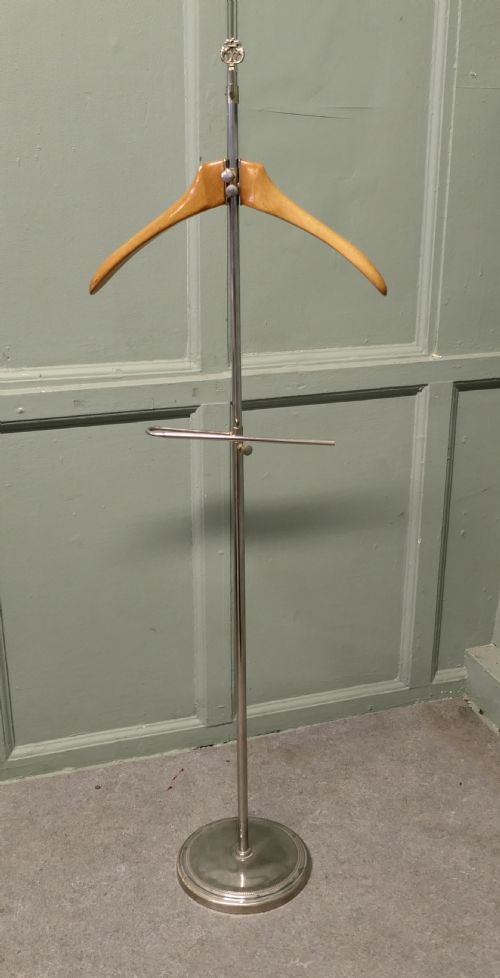
- Valet Stand
- A freestanding frame designed to hold a single suit, jacket, tie and trousers overnight. These pieces appear in bedrooms or dressing rooms rather than entrance halls.
- Demi Lune
- A half-moon shape used for tables or stands designed to sit flush against a wall. This profile saves floor space in narrow corridors.
- Drip Tray
- A metal pan placed at the base of a stand to catch water from umbrellas and walking sticks. They protect wooden flooring from moisture damage.
Vintage Freestanding Coat Rack: Frequently Asked Questions
How do I stop a vintage freestanding coat rack from tipping?
Distribute heavier coats evenly around the hooks rather than loading one side. Placing heavier garments on the lower tier or utilising an integrated umbrella stand base also helps maintain stability.
Ensure the central fixing bolt connecting the shaft to the base is tightened properly. Many older stands rely on a threaded central rod that can loosen over decades of use.
Where should I place a hall stand in my home?
These pieces suit entrance halls, boot rooms and wide corridors where family and guests remove outdoor wear. Their vertical orientation occupies minimal floor space while offering maximum hanging capacity.
Keep them away from direct heat sources such as radiators to prevent the timber or bentwood from drying out and splitting over time.
How do I clean a bentwood coat stand?
Dust the timber regularly with a soft, dry cloth to prevent grit accumulation in the curved joints. Avoid excessive water or harsh chemical sprays which can degrade the vintage polish.
Apply a traditional beeswax polish occasionally to nourish the wood and maintain its natural sheen. Buff gently with a clean cloth after application.
Are revolving coat stands modern inventions?
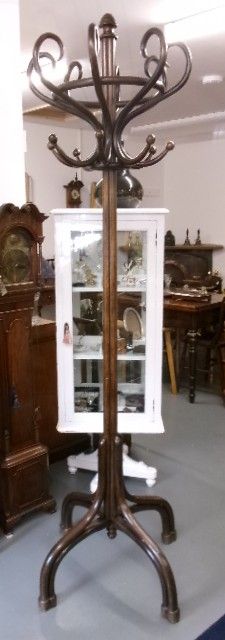
Revolving top sections date back to the Edwardian period and late nineteenth century. Makers designed these rotating crowns so users could access multiple garments without moving the entire heavy stand.
Check the internal swivel mechanism for smooth movement. Original metal or wooden pivots require careful alignment during assembly to function correctly.