
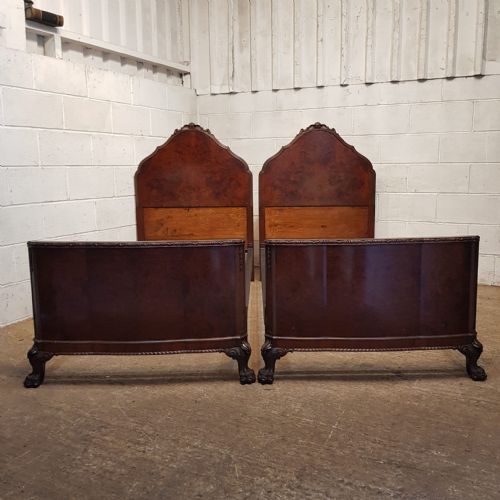


Traditional Twin Bed Frames
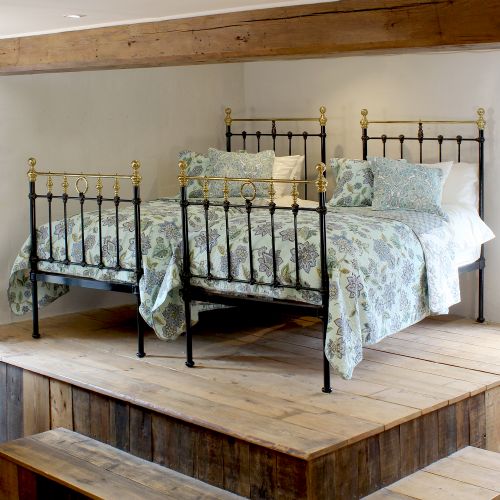
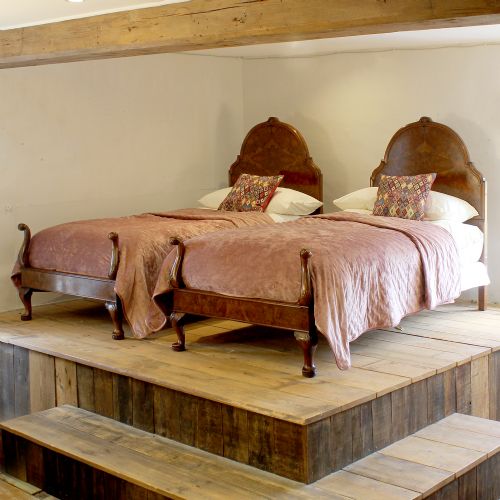
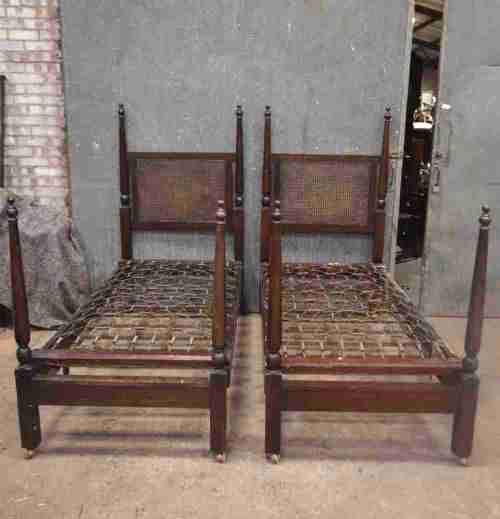
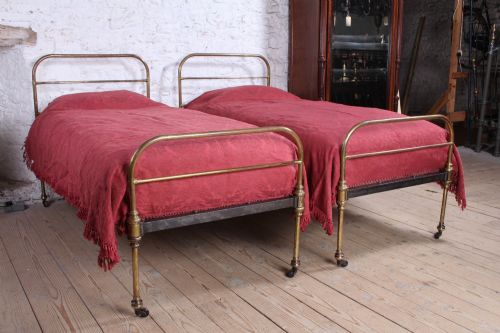
Traditional twin bed frames bring historic character to smaller chambers, offering matching sleeping quarters shaped from iron, brass, and timber.
Traditional Twin Bed Frames
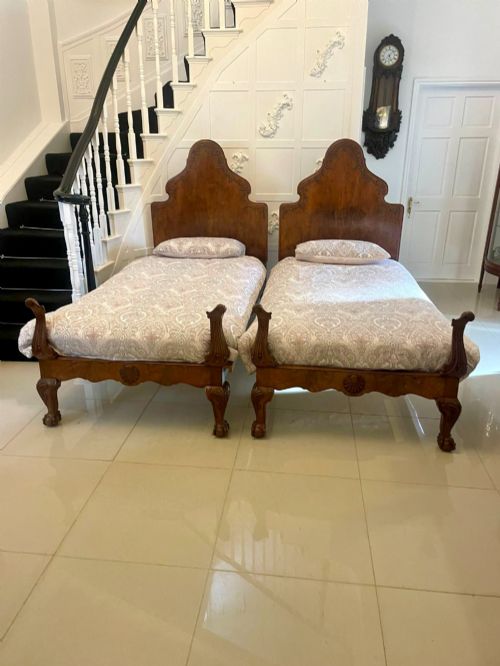
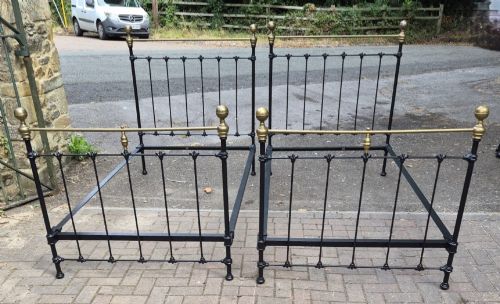
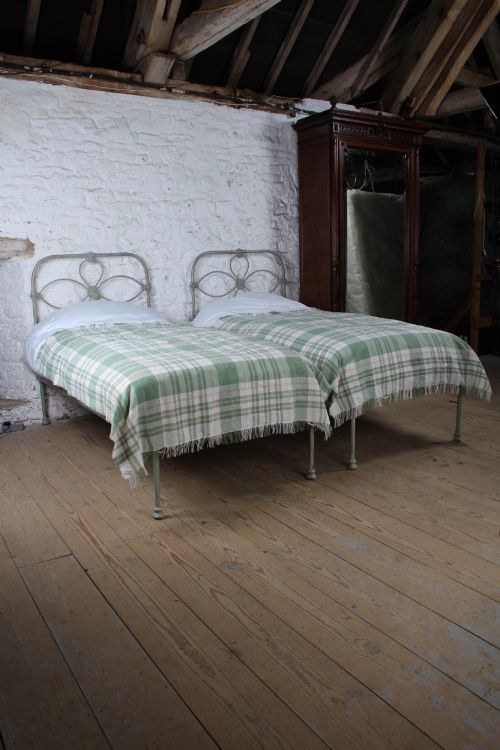
Traditional twin bed frames encompass single beds, bedsteads, and beds encountered in pairs or as individual pieces spanning the Victorian, Edwardian, and early twentieth-century eras. When searching for traditional twin bed frames, buyers primarily encounter matched pairs designed to sit side by side or join together, originating from workshops across the late nineteenth and early twentieth centuries.
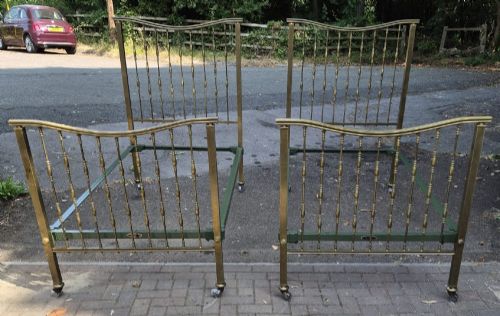
The materials span sturdy metals like cast iron, wrought iron, and brass alongside rich timbers including oak, burr walnut, and mahogany. Styles range from utilitarian iron frameworks with brass mounts to ornate Queen Anne Revival wooden pieces and French Empire upholstered designs.
Many examples offer the practical versatility of joining together to form a wider sleeping surface while retaining their original single proportions. These pieces suit guest chambers and compact bedrooms where historical presence is desired without overwhelming the floor plan.
Markers of quality
Quality rests in the crispness of the casting on iron and brass frames, alongside the depth of grain in burr walnut and mahogany timber selections. Superior metal examples display clean joints and well-preserved original finishes, whereas finer wooden items showcase precise carving and thoughtful inlay work.
The presence of maker attribution and matching components elevates a piece, particularly when pairs retain identical dimensions and harmonised decorative motifs. Structural integrity and the original mechanical ability to join twin frames securely further distinguish the finer pieces in this category.
Listings feature traditional twin bed frames spanning from the eighteen-seventies through to the nineteen-thirties, incorporating iron, brass, walnut, and oak.
Hoskins & Sewell·R W Winfield·Heal & Son
The Traditional Twin Bed Frames Glossary
- Bedstead
- The framework of a bed consisting of headboard, footboard, and rails. This structural shell supports the mattress base independently.
- Bergere
- A closed-upholstered armchair or headboard style featuring woven cane panels. It brings a lighter texture to wooden frames.
- Cast iron
- Iron shaped by pouring molten metal into a mould. It allows for intricate decorative patterns on Victorian frames.
- Inlay
- Decorative wood or metal set flush into the surface of a larger wooden piece. It adds pattern and contrast to Edwardian mahogany.
- Twin bed
- One of a pair of matching single beds designed for use in the same chamber. They frequently feature mechanisms allowing them to join together.
Traditional Twin Bed Frames: Frequently Asked Questions
Can these twin beds be joined together?
Many listings indicate that specific pairs can be linked together to form a larger bed surface while retaining their individual framing. This adaptability allowed households to alter room arrangements historically without purchasing entirely new furniture.
Buyers should examine the specific title details to confirm whether a given pair possesses this joining capability before purchase.
What mattress sizes fit these historic beds?
Traditional single and twin bed frames from the Victorian and Edwardian eras often vary slightly from modern standard mattress dimensions. It is essential to measure the internal space between the side rails and headboard carefully before ordering a custom mattress.
Custom mattress makers can usually supply correct dimensions to ensure a snug fit within antique iron or wooden side rails.
How do I distinguish iron from brass frames?
Iron frames are typically heavier and cast or wrought into structural shapes that were historically painted in black, cream, or white. Brass elements appear as polished metallic components, finials, or decorative tubing added to soften the industrial appearance of the iron.
Many Victorian pieces combine both materials, using an iron core for structural strength paired with decorative brass work for visual warmth.
How do I clean and maintain metal bed frames?
Painted iron surfaces require gentle dusting and occasional cleaning with a mild, non-abrasive cloth to preserve the finish. Brass components may be polished lightly if a brighter shine is desired, though many collectors prefer preserving a gentle historic patina.
Avoid harsh chemical solvents that can strip original paint or vintage lacquers from the metal surfaces.