


Traditional Turkmen Weaving
Traditional Turkmen weaving comprises hand-knotted carpets, tent-bags, and dowry trappings crafted by nomadic tribes across Central Asia during the nineteenth and early twentieth centuries.
Traditional Turkmen Weaving
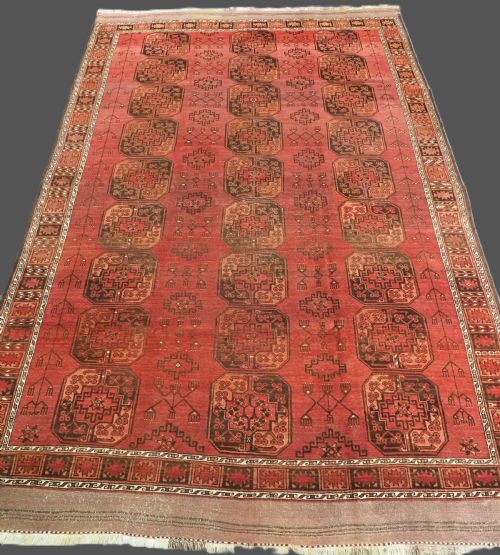
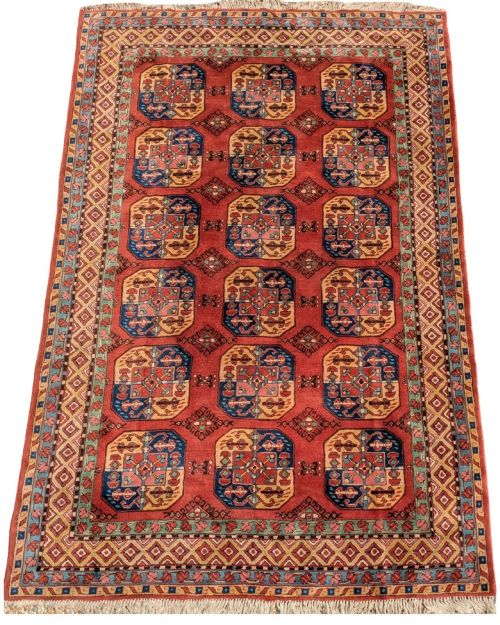
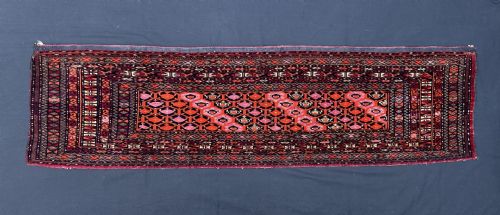
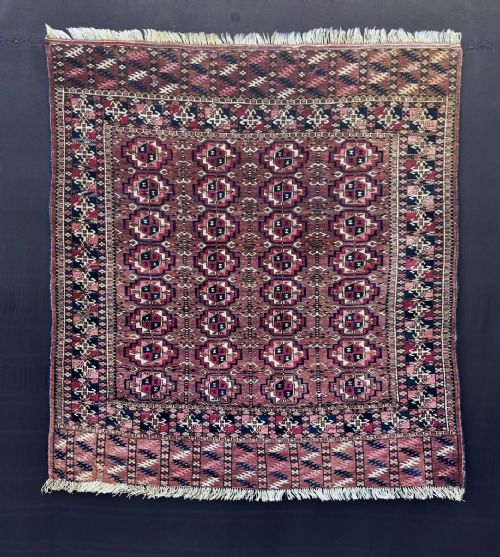
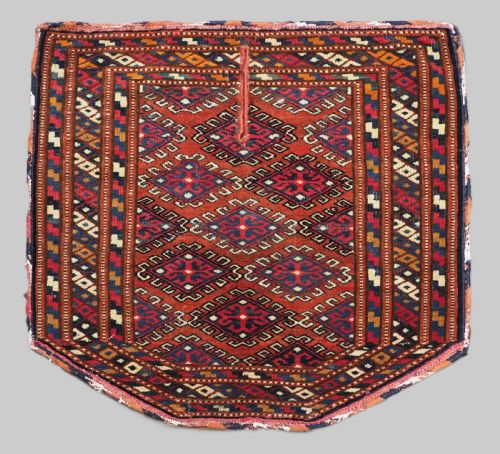
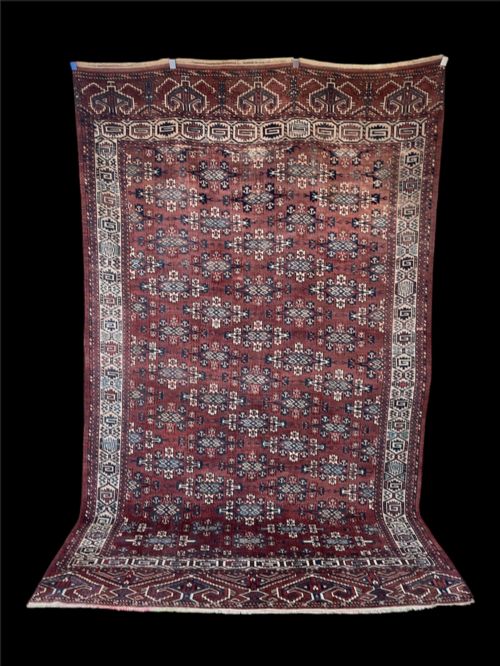
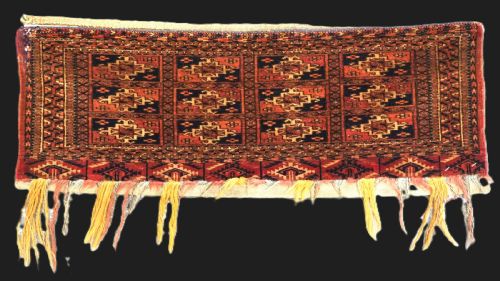
Traditional Turkmen weaving encompasses large room-sized main carpets, smaller utility sacks such as torbas and chuvals, and specialised items like asmalyks and bridal engsis. These pieces originate from distinct tribal groups including the Tekke, Yomut, Ersari, and Saryk living across the steppes and oases of Central Asia.
The objects served vital domestic and ceremonial functions within nomadic and semi-nomadic camps, functioning as tent furnishings, storage containers, and dowry components. Floor coverings and wall hangings display structured tribal motifs that identify the specific lineage of the weavers.
Pieces commonly date from the nineteenth century, ranging from earlier examples produced around eighteen-fifty through to later items from the early twentieth century. Buyers encounter various formats ranging from square tent-bags to expansive room carpets bearing repeating geometric patterns.
Factors separating pieces
Quality varies according to the density of the knotting, the precision of the geometric layout, and the clarity of the natural dyestuffs utilised across the surface. Finer weaves allow for sharper definition within the repeating guls and intricate borders.
The survival of complete structural components, such as original plain weave backs on torbas and chuvals, distinguishes well-preserved examples from fragmentary faces. Subtle variations in colour saturation and wool preparation further separate standard utility pieces from exceptional tribal commissions.
Traditional Turkmen Weaving Retail Price Guide 2026
Typical asking prices for traditional turkmen weaving among the pieces listed under this phrase on Sellingantiques today, from the lower quarter to the upper quarter. They describe what is for sale here now, not the wider market.
The inventory includes main carpets, prayer rugs, and tent-bags produced by Yomut, Tekke, Ersari, and Saryk weavers.
The Traditional Turkmen Weaving Glossary
- Gul
- The primary octagonal medallion motif repeated across Turkmen carpets and tent-bags. Different tribes utilised distinct guls to identify their specific lineage.
- Torba
- A small utilitarian wall-hanging bag used for storage inside a nomad tent. These pieces often feature carefully arranged rows of secondary motifs.
- Chuval
- A large tent-bag traditionally used for storing household belongings and bedding. They frequently display prominent main guls flanked by minor border designs.
- Engsi
- A tribal rug specifically designed to hang over the doorway of a felt tent or yurt. They typically feature a segmented C-chest pattern dividing the field.
- Asmalyk
- A large pentagonal trapping hung on the flanks of a camel during wedding processions. These decorative textiles display elaborate geometric ornamentation.
- Mafrash
- A rectangular storage bag or valise produced in pairs by nomadic weavers. They utilise durable flat-weave or pile techniques for holding domestic gear.
Traditional Turkmen Weaving: Frequently Asked Questions
How do I identify tribal origins?
Tribal attribution relies primarily on the structural characteristics of the gul medallions, the choice of secondary border ornaments, and the dominant palette of natural dyes. Specific tribes such as the Tekke or Yomut utilised distinct structural formats and wool preparations that separate their output from other regional groups.
Examining the fringe finishes and selvedge treatments provides additional clues to geographic origin within Central Asia. Comparative study of known nineteenth-century pieces helps confirm whether a weaving belongs to the Ersari, Saryk, or another distinct regional tradition.
Were these rugs used on floors?
Main carpets saw heavy service on the felt floors of nomadic dwellings, where their dense wool pile provided insulation against cold ground. Utility bags and smaller trappings hung vertically inside tents or decorated camels during ceremonies rather than experiencing foot traffic.
This division in function means surviving utility bags often retain greater pile density and softer wool texture than large floor carpets. Understanding original placement explains why certain formats survive with minimal wear.
How do I care for a textile?
Maintenance requires gentle vacuuming without a rotating brush attachment to remove dust from the wool pile without stressing the foundation. Keeping pieces away from direct sunlight prevents fading of natural madder dyes and preserves the integrity of silk highlights.
Professional textile conservators should handle any major cleaning or structural stabilization. Allowing adequate airflow beneath floor placements prevents moisture accumulation in the natural wool and hair foundations.
What does a dowry rug signify?
Dowry pieces represented significant artistic effort by female makers creating items for upcoming marriages and household establishment. These textiles embodied family status and traditional design knowledge passed down through generations.
The inclusion of specific motifs and occasional silk highlights marked the ceremonial importance of these commissions. They formed an essential part of the bride's property brought into her new home.