






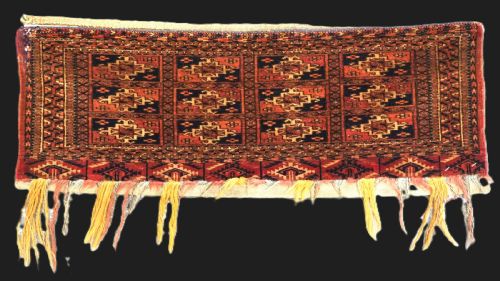


Antique Carpet Bag
When you search for an antique carpet bag, you discover woven tribal storage sacks, traditional tent bags, and leather luggage created by nomadic groups and makers.
Antique Carpet Bag
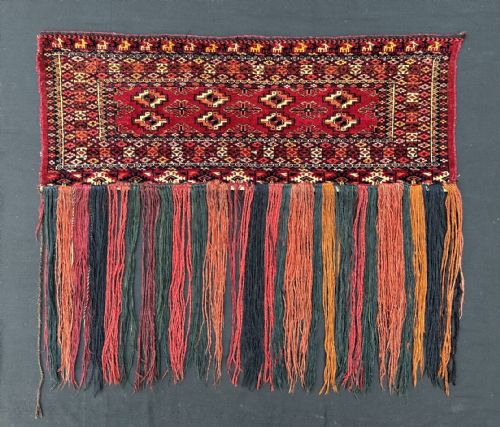
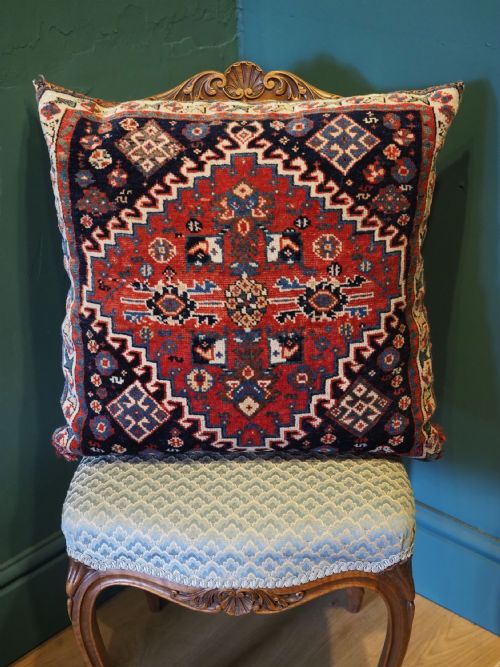
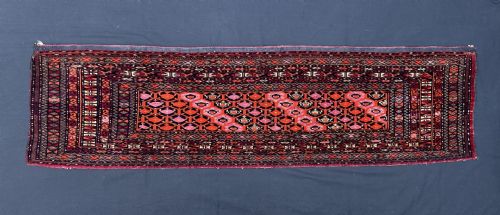
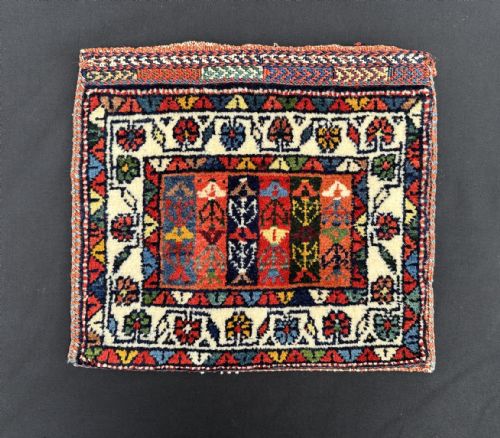
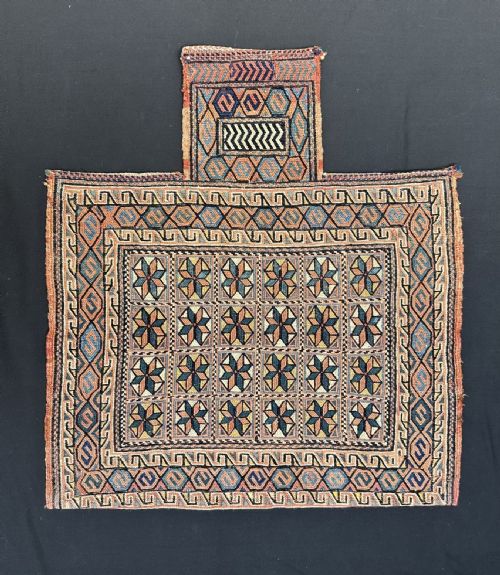
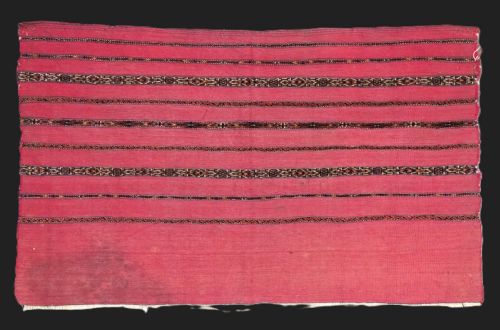
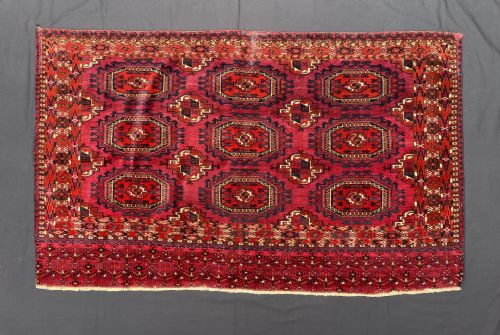
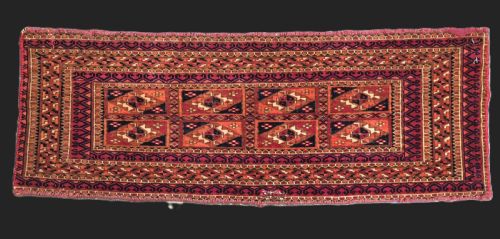
The pieces grouped under the term antique carpet bag encompass a variety of tribal storage items, including tent bags, saddlebags, torbas, and chuvals originating from Central Asian and Persian nomads. These textiles served practical functions within tribal encampments, functioning as storage containers for household goods, bedding, and personal belongings.
In addition to woven tribal bags, the category includes traditional leather Gladstone travel luggage produced by makers such as Finnigan's Manchester. Buyers meeting these pieces on this page will find both intricately patterned woollen storage faces from the nineteenth century and fitted leather travel bags from the early twentieth century.
The woven examples often display specific tribal patterns linked to the Tekke, Yomut, Ersari, Saryk, and Afshar tribes. These woven formats range from small spindle bags and vanity bags to large storage bagfaces designed for life on the move.
How they were made
The woven tribal items utilise hand-spun wool dyed with natural colours, combined with cotton foundations in many instances. Artisans knotted or flatwove these materials to produce durable storage sacks intended to withstand rigorous daily use in nomadic environments.
Leather travel pieces rely on sturdy animal hides shaped over rigid frames, supplemented by brass and iron hardware for closures and structural reinforcement. Fitted interiors incorporate specialised compartments designed for personal items during transit.
Antique Carpet Bag Retail Price Guide 2026
Typical asking prices for carpet bag among the pieces listed under this phrase on Sellingantiques today, from the lower quarter to the upper quarter. They describe what is for sale here now, not the wider market.
Listings feature pieces spanning the mid-nineteenth century through to the early twentieth century, incorporating wool, natural dyes, leather, brass, and iron.
What varies in quality
Quality in woven tribal bags depends upon the density of the weave and the precision of the tribal guls and motifs executed by the maker. Finer knotting and careful handling of natural dye palettes distinguish superior examples from standard utility pieces.
For leather travel luggage, quality is determined by the robustness of the hide, the preservation of the fitted interior compartments, and the operational integrity of the brass and iron hardware fittings.
Finnigan's Manchester
The Antique Carpet Bag Glossary
- Chuval
- A large tent storage bag produced by nomadic tribes for bedding and household possessions. These items frequently feature multiple guls across the face.
- Gul
- A repeating medallion or primary motif used in Central Asian carpet and bag design. Each tribal group utilises distinct variations to denote heritage.
- Mafrash
- A rectangular storage bag or bedding chest panel woven by nomadic groups. They often feature banded flatweave or piled designs.
- Gladstone bag
- A portable leather travel case featuring a rigid frame that opens wide into two equal compartments. These items include brass closures and fitted leather interiors.
Antique Carpet Bag: Frequently Asked Questions
What is an antique carpet bag?
An antique carpet bag refers to woven tribal storage pieces like torbas and chuvals, alongside traditional leather travel luggage from the nineteenth and early twentieth centuries.
These items reflect the domestic and travel needs of nomadic groups and period travellers.
How were tribal bags used?
Nomadic tribes utilised these woven bags inside tents to store bedding, clothing, salt, spindles, and household possessions. Their durable construction allowed them to endure transport during seasonal migrations.
Smaller variants served as personal vanity cases or saddle attachments for travel.
How do I live with them?
Woven bag faces work well displayed as wall hangings or utilised as decorative cushion covers in modern interiors. Leather Gladstone luggage functions as distinctive storage or display items within a study or hallway.
Protecting textiles from direct sunlight preserves the natural dyes over time.
How do I tell tribes apart?
Tribal origins are identified by specific structural layouts, colour palettes, and repeating gul motifs unique to groups like the Tekke, Yomut, Ersari, and Afshar. Examining the weave density and wool preparation provides further clues to origin.
Reference guides detailing Central Asian weaving traditions assist in confirming specific tribal attributions.