

Traditional Timber Dining Chairs
Traditional timber dining chairs bring genuine historic character to the table, offering sturdy construction and enduring local craftsmanship from the nineteenth and early twentieth centuries.
Traditional Timber Dining Chairs
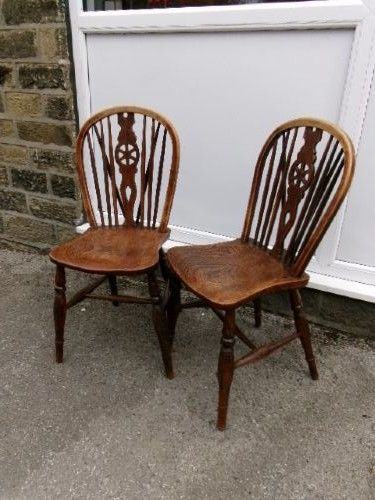
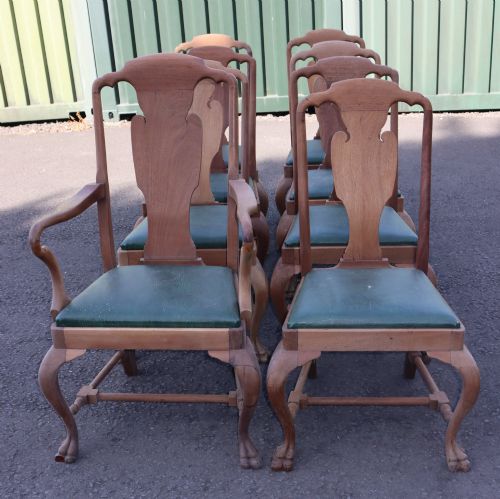
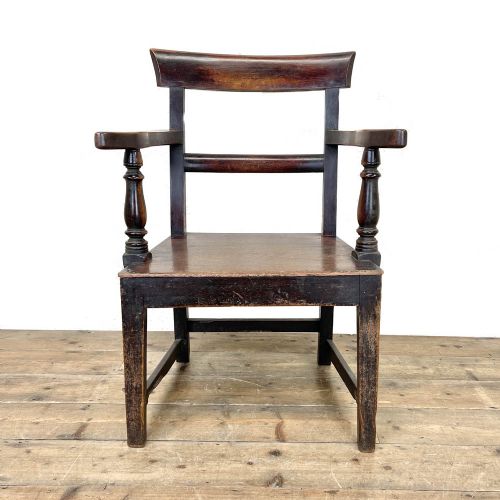
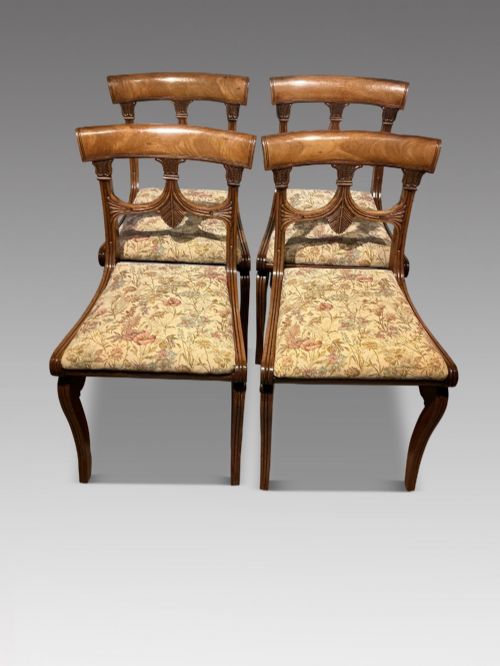
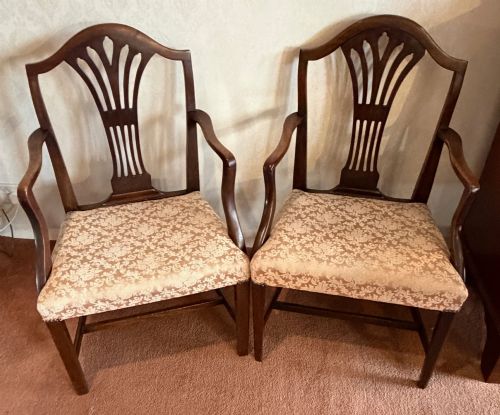
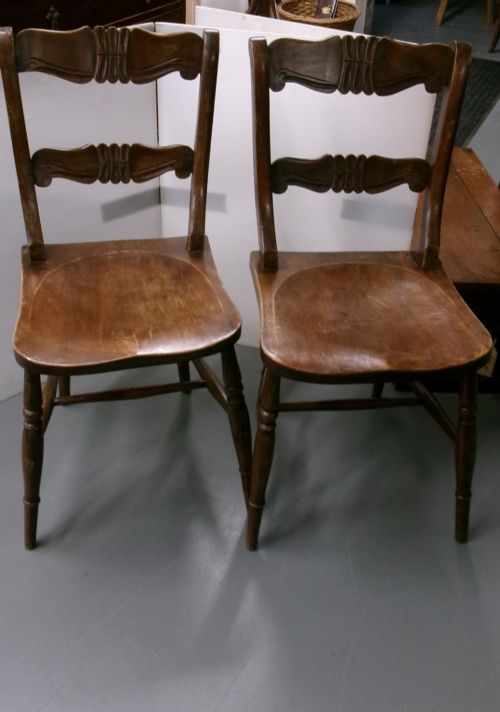
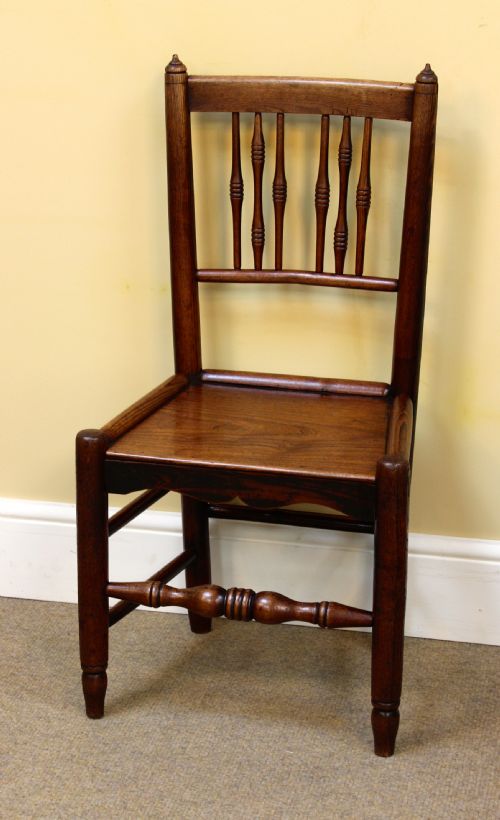
Traditional timber dining chairs encompass a wide variety of seating forms designed for daily domestic use across the nineteenth and early twentieth centuries. Buyers searching for traditional timber dining chairs encounter everything from robust elm kitchen stick-backs and wheel-backs to formal mahogany and walnut dining sets.
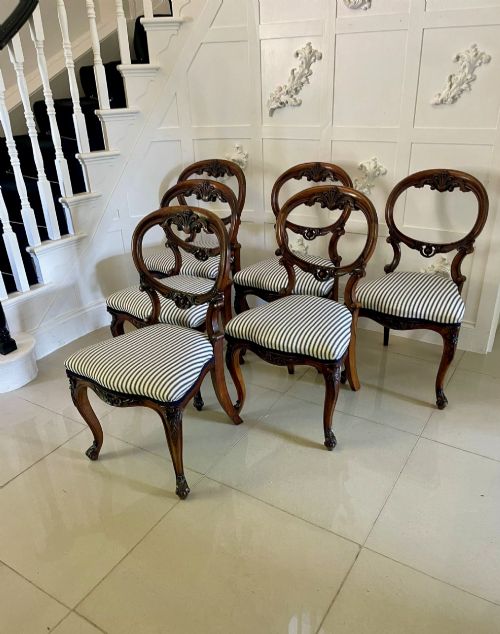
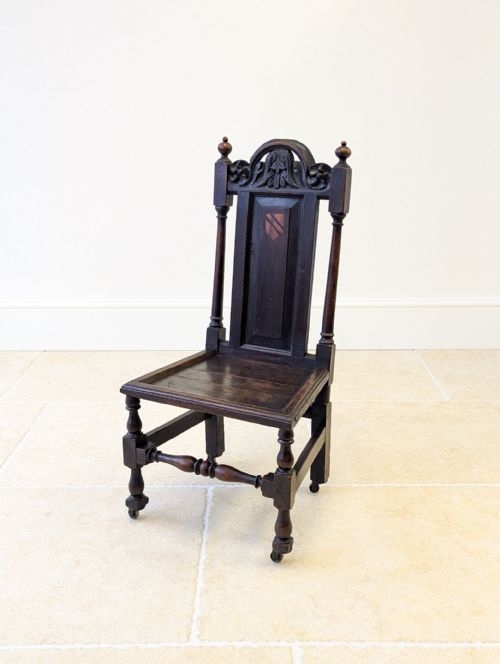
The selections span distinct regional styles, including English country windsor chairs, Victorian balloon backs, and Jacobean revival oak hall chairs. These pieces reflect the prevailing domestic tastes and practical requirements of their respective periods, ranging from humble farmhouse seating to formal parlor arrangements.
How they were made
Maker workshops utilised solid hardwoods such as mahogany, oak, elm, ash, and beech, often combining multiple timbers within a single frame for structural integrity. Seat pads frequently incorporated local materials including rush, plaited straw, or upholstered fabric, leather, and velvet.
Joinery methods relied on traditional wood-working techniques like mortise and tenon joints, turned spindles, and steam-bent components to shape Windsor bows and ladder-backs. Carved ornamentation on walnut and mahogany models demonstrated detailed hand-chiselling by skilled carpenters.
Listings feature timbers including mahogany, elm, oak, beech, ash, rosewood, and yew wood across Victorian, Edwardian, and Georgian periods.
What varies in quality
Quality separates through the selection of timber grades, where dense, well-figured mahogany or richly grained elm displays superior durability compared to utilitarian secondary woods. The crispness and depth of hand-carving on rails and splats also divide standard workshop output from exceptional cabinet-maker commissions.
Structural harmony dictates lasting value, visible in the tightness of original joints and the retention of matching components across larger matched sets of dining chairs. Simpler country kitchen pieces achieve merit through honest wear and the integrity of their original turned undercarriages.
The Traditional Timber Dining Chairs Glossary
- Balloon back
- A chair back shaped like a rounded oval or hot-air balloon, popular during the Victorian period. This design allowed for comfortable lumbar support while showcasing decorative mahogany or rosewood grain.
- Windsor
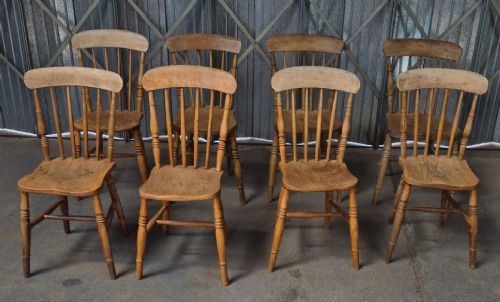
- A chair built with a solid wooden seat into which the legs and back sticks are independently tenoned. These regional seating forms often combined elm seats with ash or beech spindles.
- Ladder-back
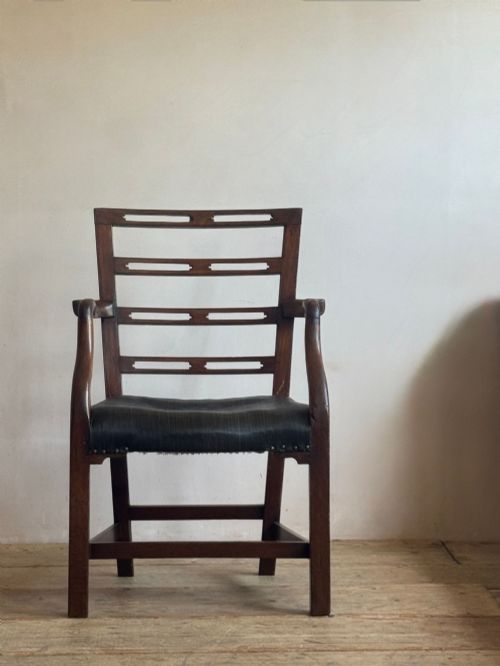
- A chair back featuring multiple horizontal arched slats between the upright stiles. This traditional form frequently accommodated rush or plaited straw seating pads.
- Stick back
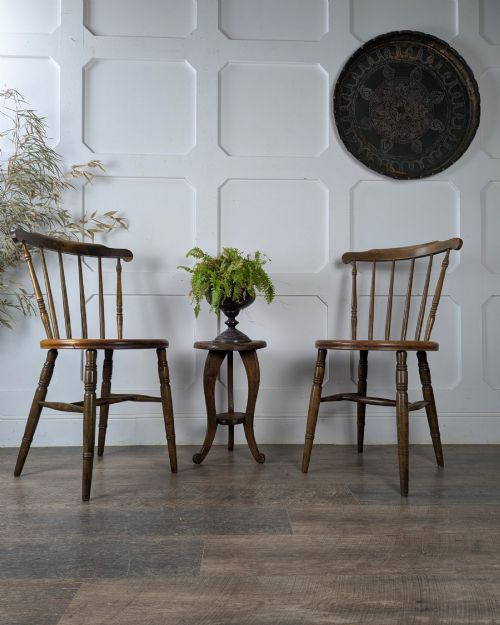
- A minimalist chair construction utilising simple turned wooden spindles fitted into a solid timber seat. These pieces formed the backbone of nineteenth-century farmhouse and kitchen seating.
- Hall chair
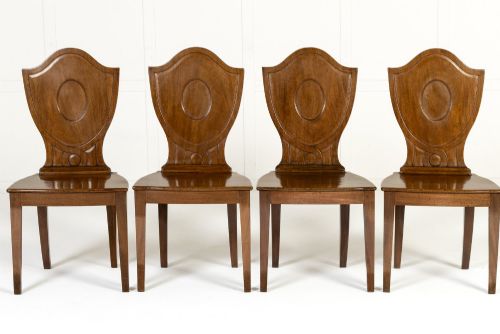
- A rigid, upright timber seat usually placed in an entrance hall, often featuring a solid carved back and no upholstery. They frequently displayed family crests or bold architectural styling.
Traditional Timber Dining Chairs: Frequently Asked Questions
How do I care for antique timber chairs?
Maintain timber chairs by applying traditional beeswax periodically to nourish the wood and preserve the natural patina. Avoid placing them near direct heat sources or in fluctuating humidity to prevent wood splitting and joint loosening.
Regular dusting with a soft, dry cloth protects the surface finish from abrasive particles. Ensure upholstered or rush seats receive gentle care appropriate to their specific textile or natural fibre construction.
Can I mix different styles of dining chairs?
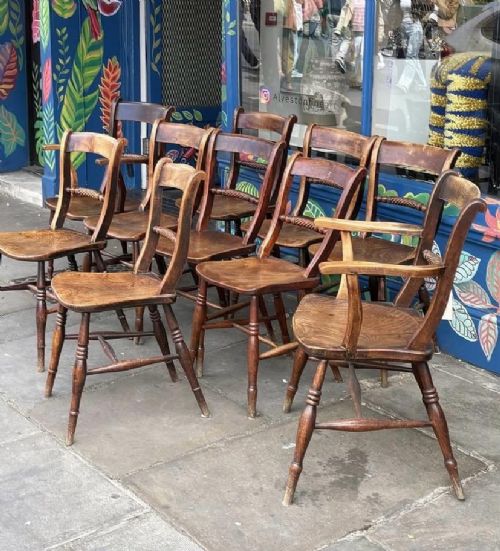
Mixing different styles of antique dining chairs is a long-standing interior practice that creates a collected, layered aesthetic. Combining pieces from related eras, such as pairing Windsor armchairs with simpler side chairs, maintains visual harmony through shared timber tones.
Matching heights and seat depths ensures guests remain comfortable around the table despite variations in back design. Maintaining a common thread in wood type or period helps unify a mismatched set.
What is the difference between a side chair and an armchair?
Side chairs are built without armrests, designed primarily to maximise seating capacity around a dining table without crowding the space. Their compact footprints made them the standard choice for large nineteenth-century dining sets.
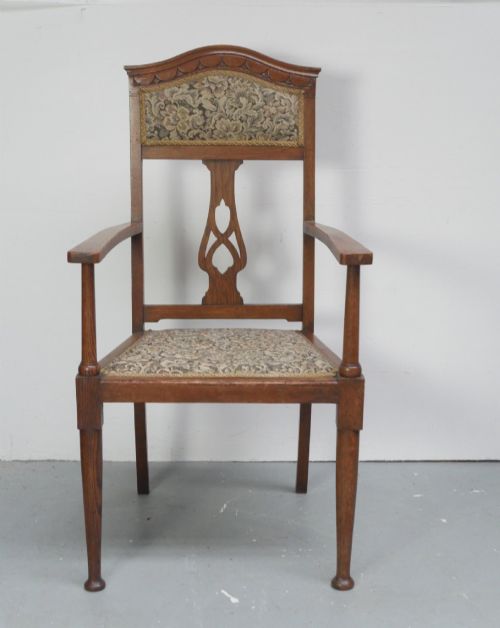
Armchairs feature integral arm supports and typically stood at the heads of the dining table or served as occasional seating in parlours and bedrooms. They often display more elaborate carving and wider proportions than their side chair counterparts.
How do I identify Victorian dining chairs?
Victorian dining chairs often feature distinctive balloon backs, heavily carved walnut or mahogany frames, and turned front legs. The introduction of industrial machinery during this era allowed for more complex shaping and standardised joinery.
Examining the underside reveals hand-cut screws, tool marks, and timber shrinkage patterns consistent with nineteenth-century workshop practices. Upholstered variants from this period frequently conceal traditional webbing and stuffing layers.