
Traditional Standing Longcase Clock
A traditional standing longcase clock anchors a room with mechanical gravity, bringing steady rhythm and polished timber to the domestic floor.
Traditional Standing Longcase Clock
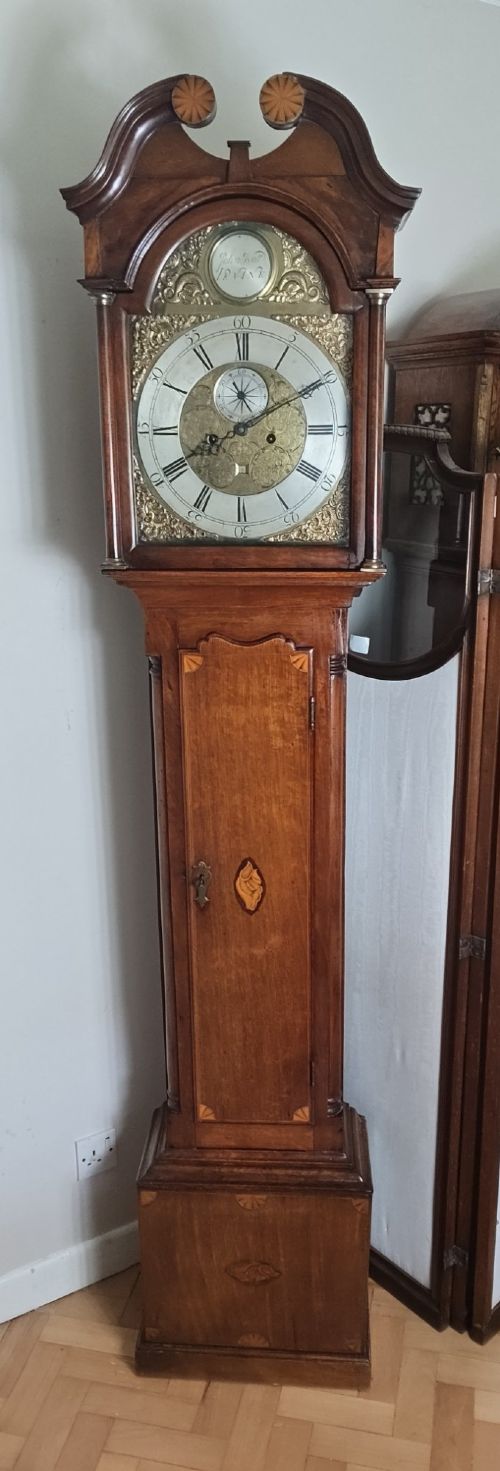
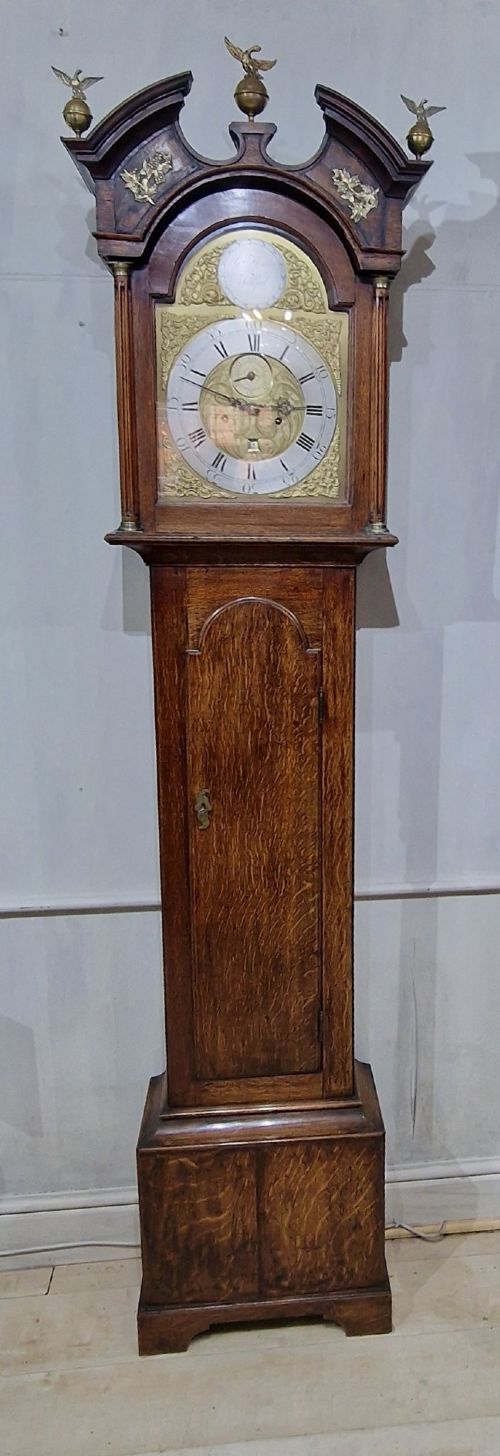
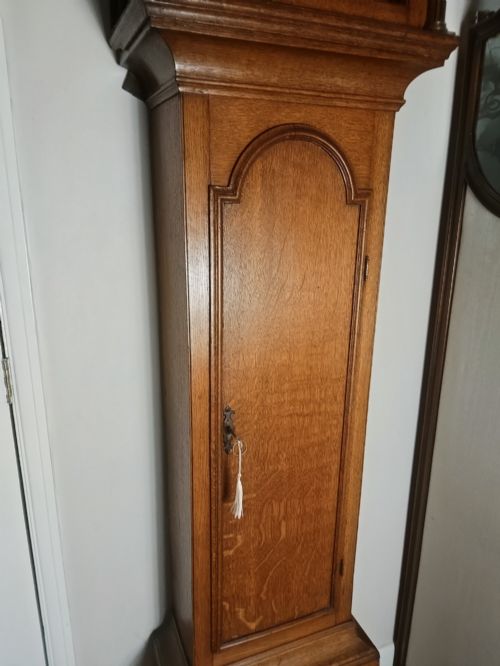
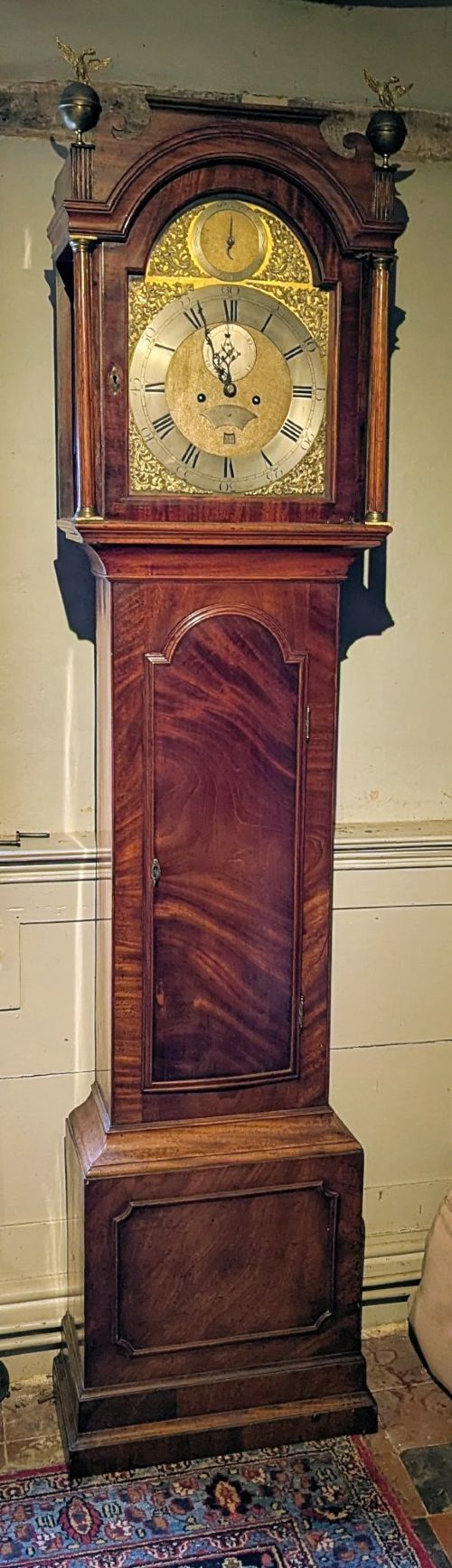
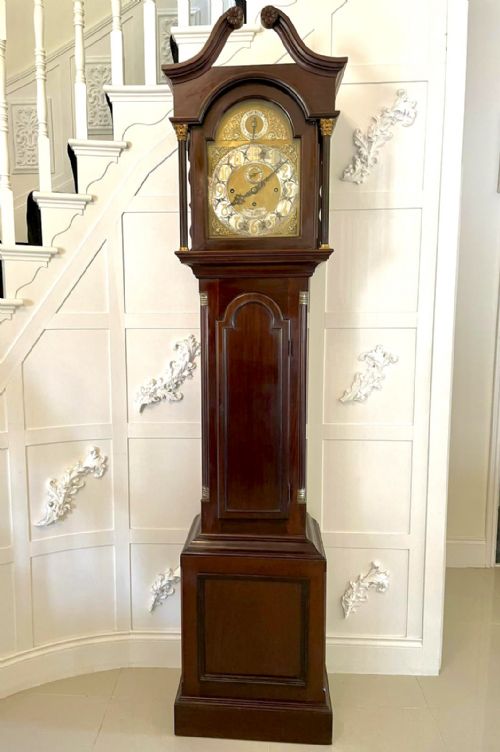
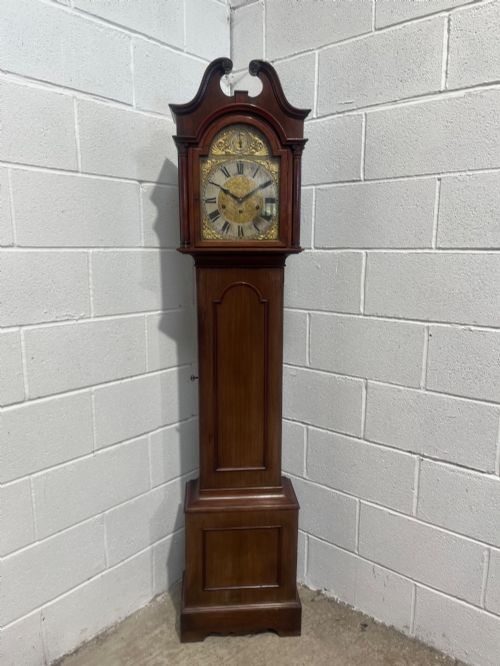
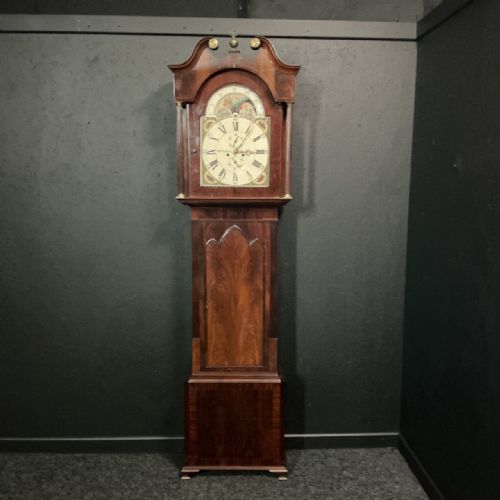
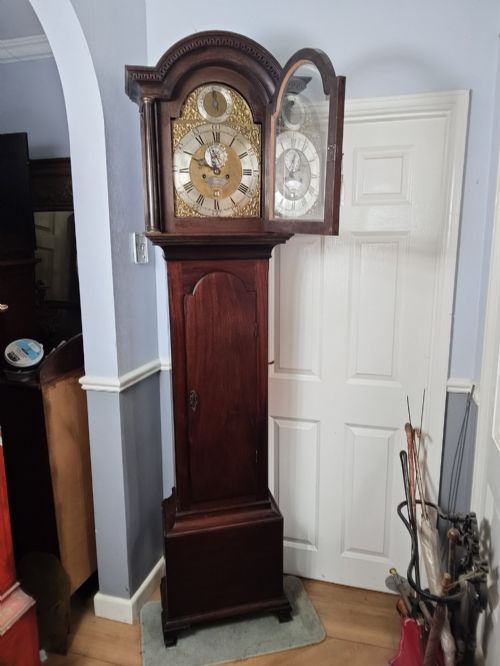
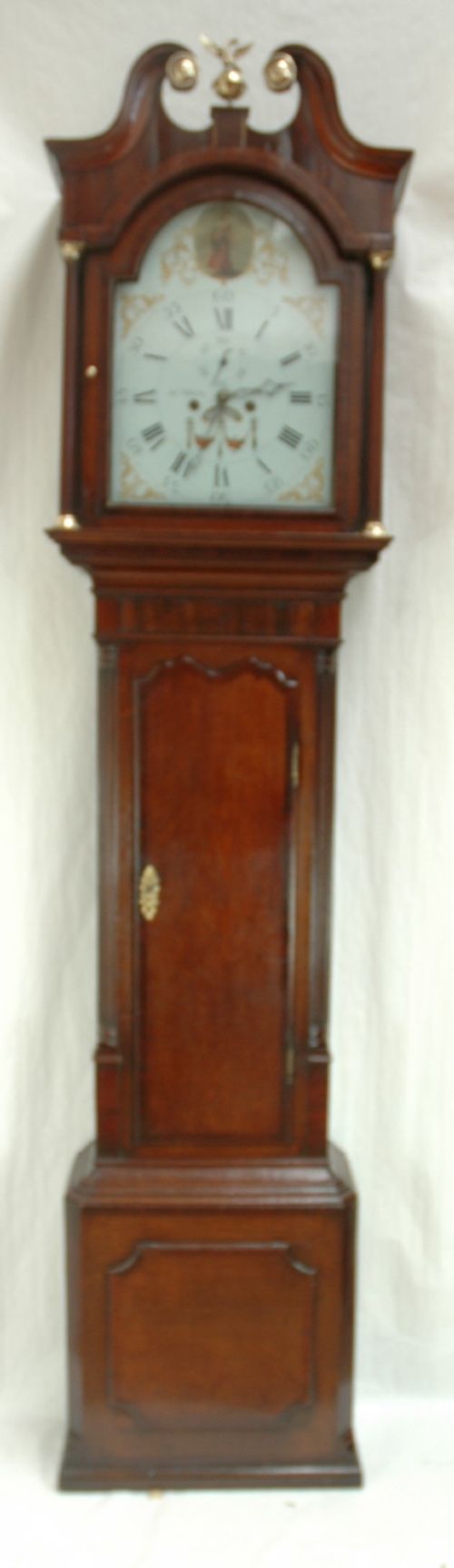
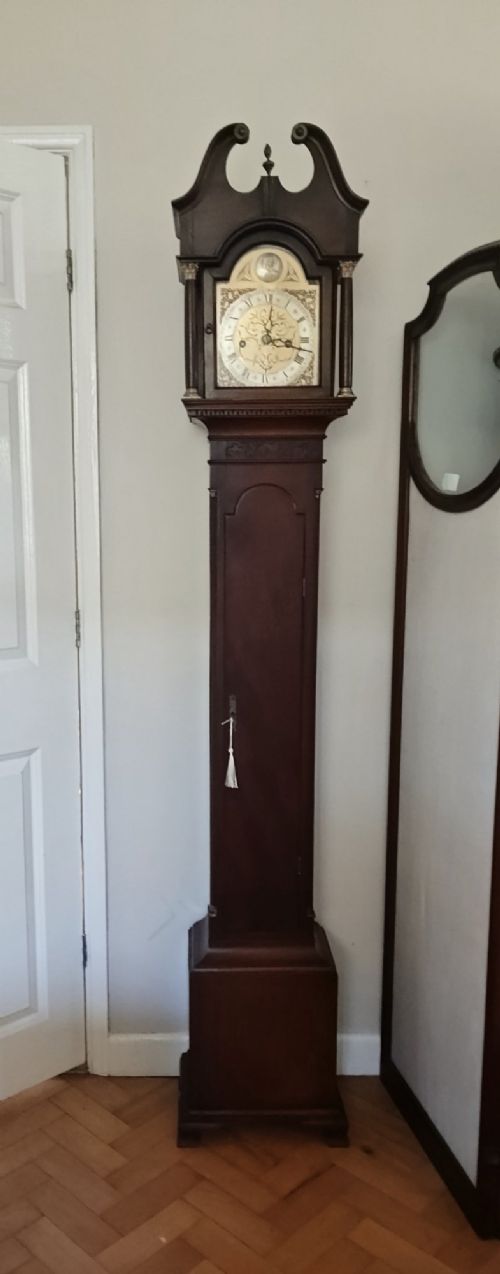
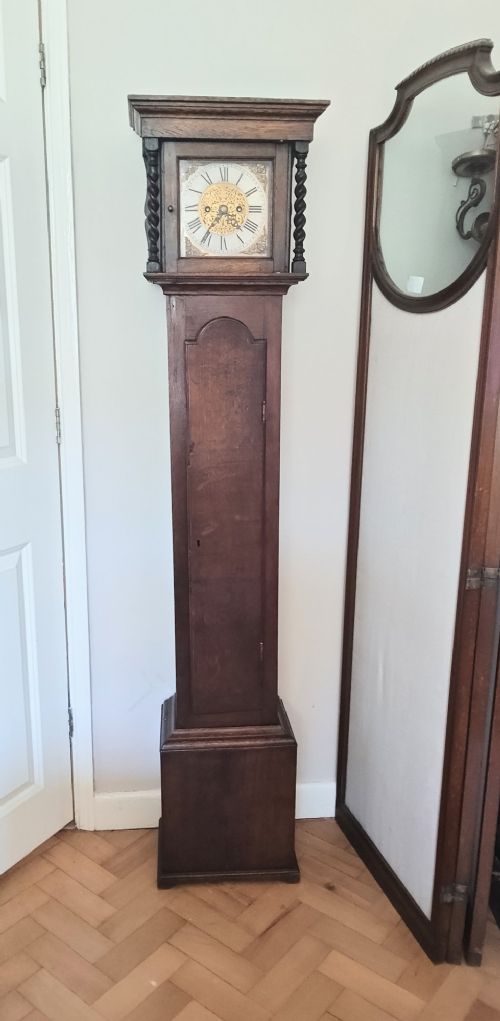
A traditional standing longcase clock stands tall against the wall, housing weights and a pendulum inside a timber case. These pieces originate across the Georgian, Victorian, and Edwardian periods, stretching from the eighteenth century into the twentieth.
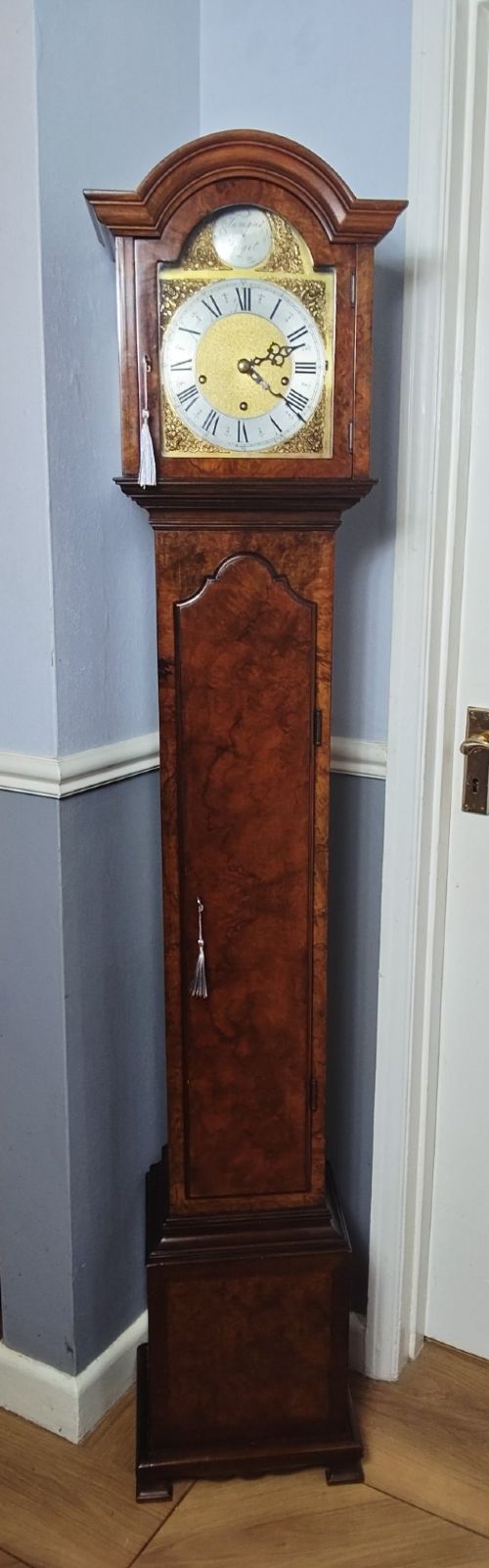
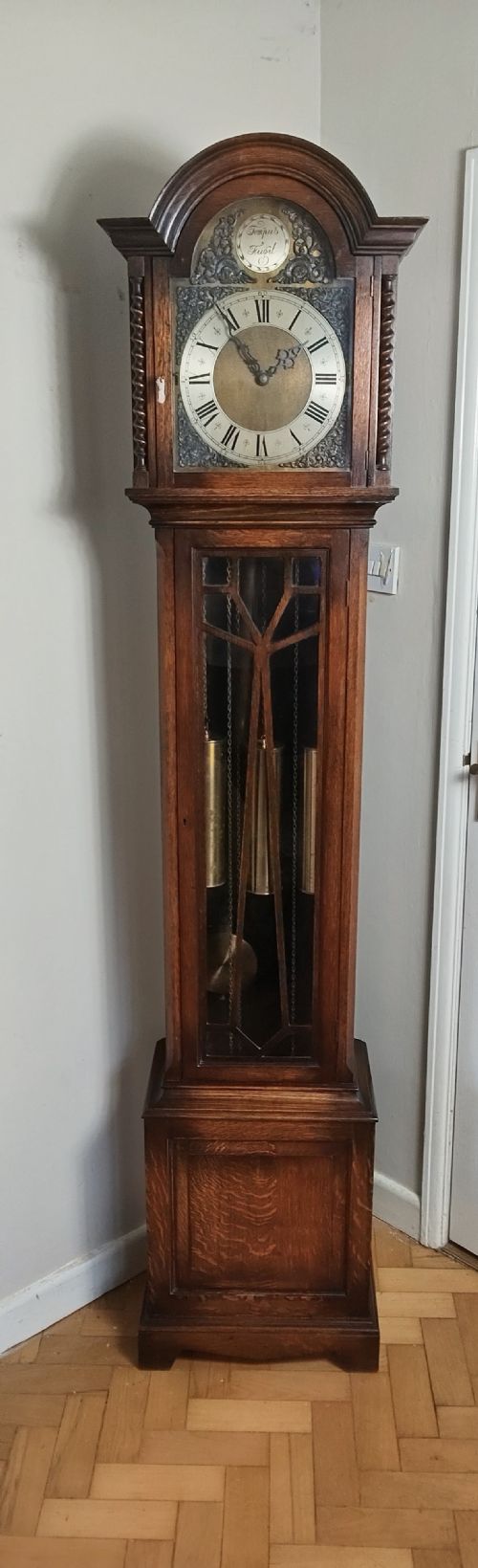
The selection here ranges from full-sized grandfather clocks down to smaller grandmother and granddaughter variants. Mahogany, oak, and walnut cases dominate the offerings, often paired with brass dials and glass doors.
Makers recorded on these pieces include regional Scottish horologists and London workshops such as James McCabe and Thwaites. Buyers encounter both simple eight-day movements and complex musical chimes with strike-silent capabilities.
Materials and Construction
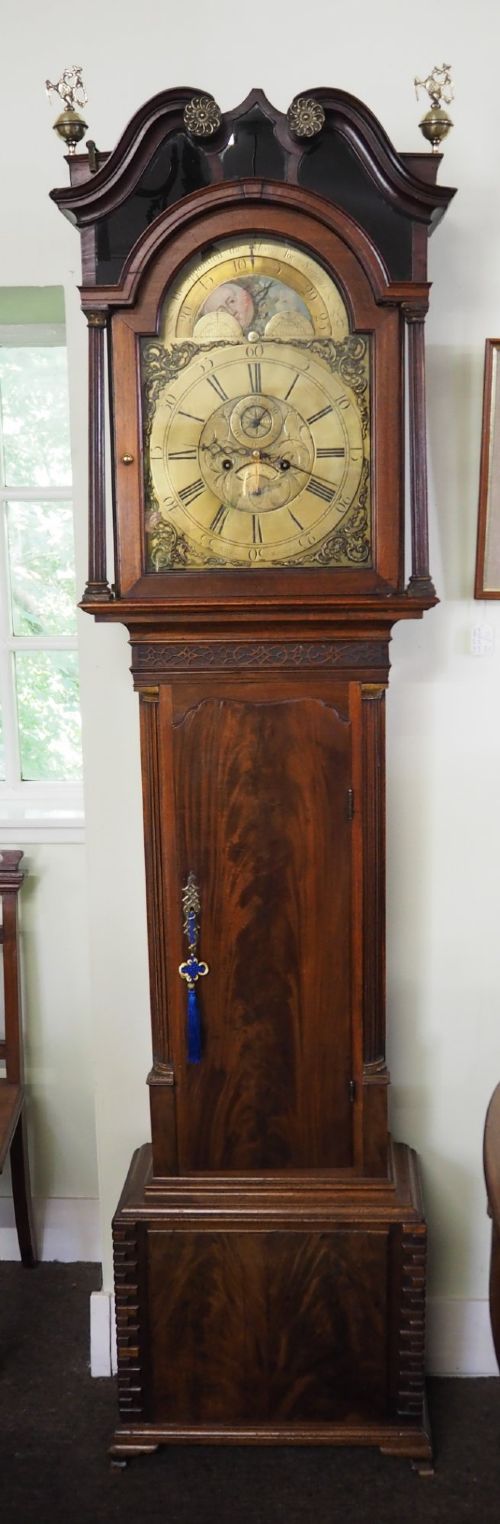
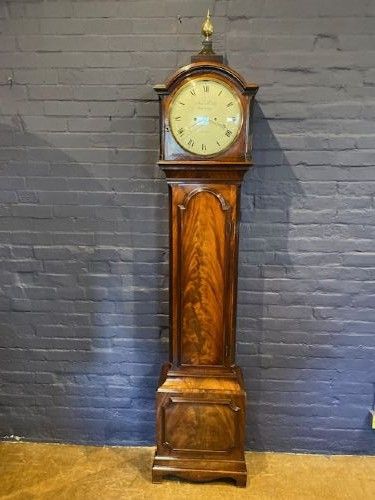
Cabinetmakers constructed these bodies from solid and veneered timbers including mahogany, oak, and burr walnut, sometimes applying marquetry inlay or flame mahogany panels. Glass panels protect the dial face while permitting a clear view of the hands.
Movements rely on brass gears, steel arbors, and lead or cast iron weights suspended by lines or chains. Dials feature engraved brass or painted iron plates, occasionally incorporating moon rollers to track lunar phases.
Listings span eight distinct periods from the eighteenth century to the mid-twentieth century.
Craftsmanship and Proportion
Quality rests in the precision of the cabinet joinery and the selection of figured timber veneers like burr walnut or flame mahogany. Proportions determine the elegance of the silhouette, separating standard production from refined examples.
Movement complexity dictates the standard of the piece, moving from simple time-and-strike mechanisms to triple-weight musical chimes with multiple bells or tubes. The legibility and engraving quality of the dial plate further mark the distinction between workshops.
James Hendrie Falkirk·James McCabe·Winsor Bishop Norwich·Henry Weedon London·Mclennan London·Joseph Gibson Ecclefechan·Thwaites London·Elliott
The Traditional Standing Longcase Clock Glossary
- Grandfather clock
- A large floor-standing clock typically exceeding six feet in height with an eight-day movement. These taller pieces house longer pendulums for greater timekeeping accuracy.
- Grandmother clock
- A smaller, more slender version of the longcase clock produced during the late nineteenth and early twentieth centuries. They suit lower ceiling heights while retaining traditional weight-driven movements.
- Strike-silent
- A mechanism lever that allows the owner to silence the hourly hour-strike without stopping the clock movement. This function proves useful during night hours.
- Moon roller
- A secondary dial disc that rotates to display the phases of the moon through a curved aperture. It adds both astronomical utility and visual animation to the dial face.
- Paterae
- Small circular decorative bosses carved or inlaid into furniture timber surfaces. They appear frequently on neoclassical furniture and clock hoods.
Traditional Standing Longcase Clock: Frequently Asked Questions
How do I wind a traditional longcase clock?
Winding involves using a key or pulling the chains to raise the weights back toward the top of the case. Care must be taken not to over-wind the movement.
Most eight-day clocks require winding once a week, while thirty-hour versions need daily attention.
Where should I place a grandfather clock?
Position the case against an interior wall away from direct sunlight, central heating vents, and exterior doors. Fluctuating temperatures and vibrations affect wooden cases and pendulum regulation.
A stable floor surface ensures the clock remains plumb and beats evenly.
How do I distinguish an 18th-century clock from a later revival piece?
Eighteenth-century examples display hand-cut brass movements, solid oak trunk carcases, and square or arched brass dials with engraved spandrels. Later Edwardian and 1930s pieces often utilise machine-made parts and different veneer applications.
Examining the interior woodwork and the style of the dial lettering reveals the manufacturing era.
What is the difference between a grandfather and a grandmother clock?
Grandfather clocks are taller floor-standing timepieces dating primarily from the eighteenth and nineteenth centuries. Grandmother clocks are scaled-down versions built mostly in the twentieth century.
Both use pendulum regulation and weights, but grandmother variants fit easily into compact modern rooms.