




Inlaid Wooden Pendulum Clock
An inlaid wooden pendulum clock measures time through cabinetwork crafted in mahogany, rosewood, and oak, offering both precise mechanics and striking domestic decoration.
Inlaid Wooden Pendulum Clock
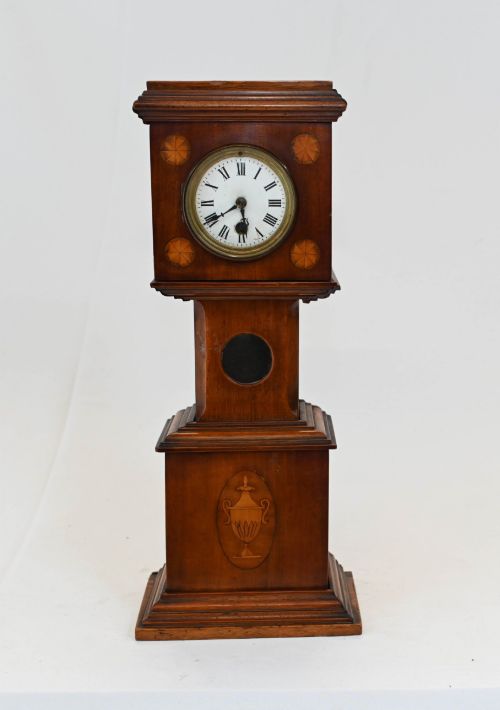
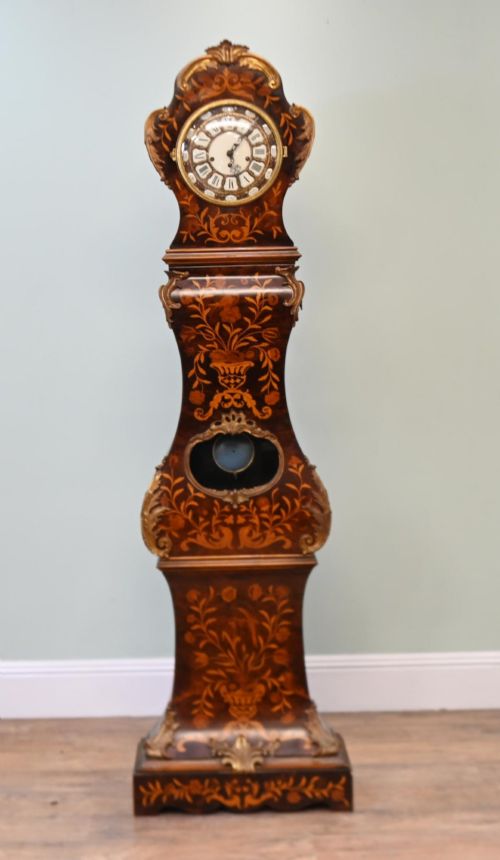
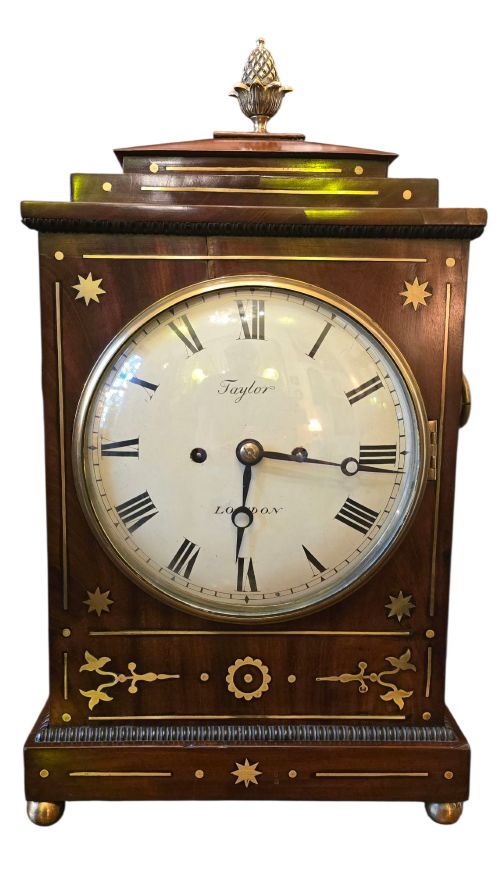
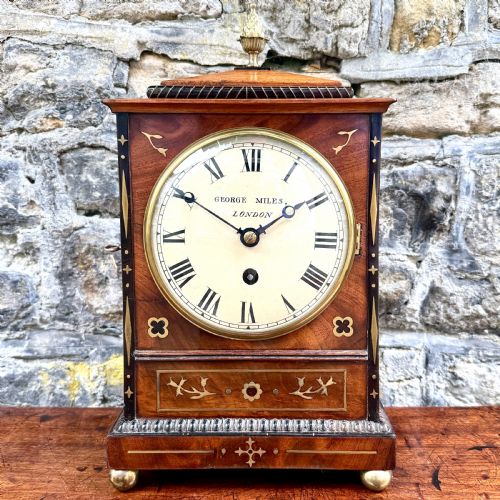
When you search for an inlaid wooden pendulum clock, you encounter a variety of forms ranging from wall-mounted fusee dials and bracket clocks to tall longcase clocks and portico pieces. These timepieces span periods from the Georgian and Regency eras through the Victorian epoch and into the twentieth century.
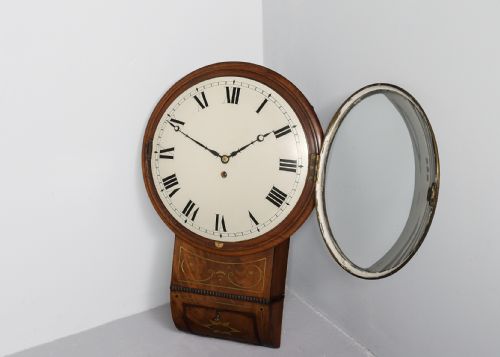
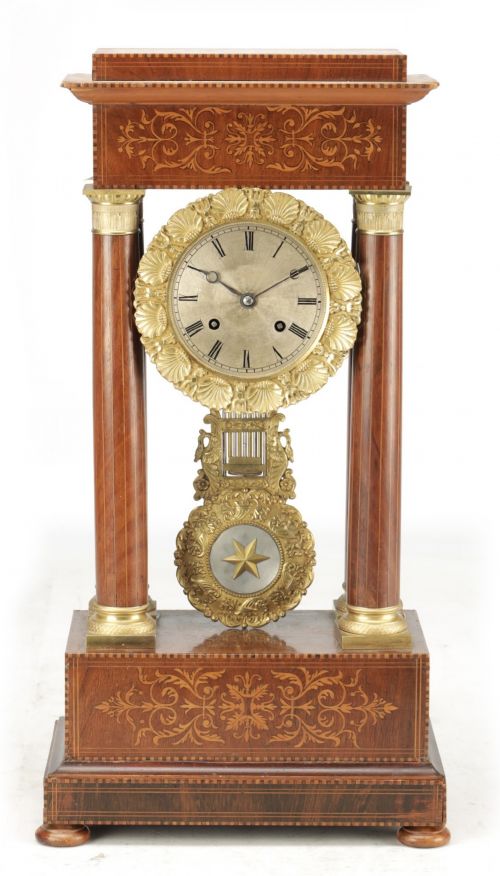
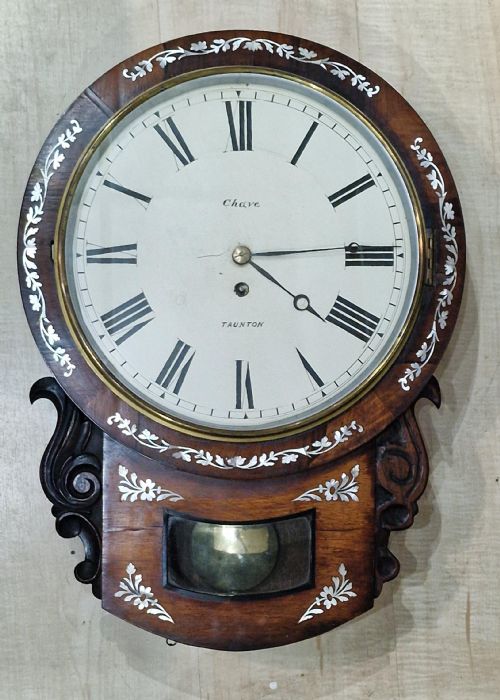
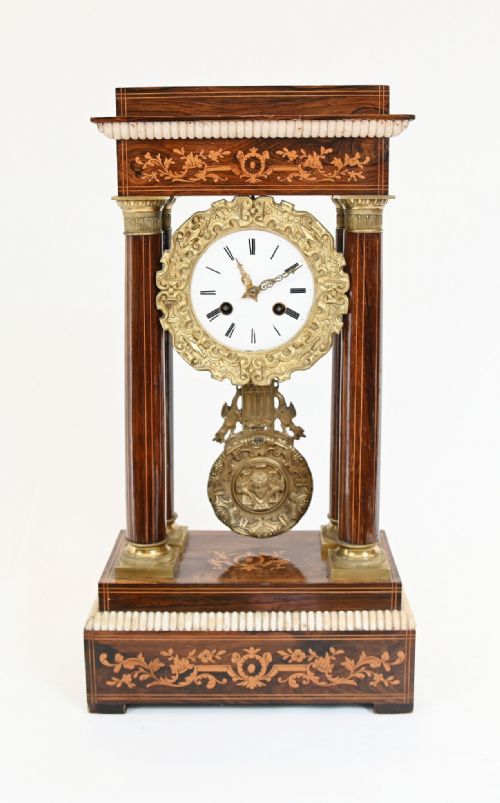
The most frequent examples on this page are wall-mounted fusee clocks and mantel clocks housed in mahogany or rosewood cabinets, often embellished with marquetry and brass details. Alongside these compact forms appear taller grandfather and longcase clocks recording hours with weight-driven or spring-driven pendulum movements.
Materials and construction
Cabinetmakers constructed these clock cases primarily from solid and veneered timbers such as mahogany, rosewood, oak, and boxwood, utilising contrasting grain patterns for decorative inlay and marquetry. Brass frames dials and bezels, whilst glass protects the face and enamel or metal provides the dial surface for painted or applied numerals.
Movements rely on mechanical gear trains driven by weights or springs, governed by a pendulum to regulate the beat. Master clockmakers integrated fusee mechanisms to maintain steady tension on the gear train as the mainspring unwound.
Inlaid Wooden Pendulum Clock Retail Price Guide 2026
Typical asking prices for inlaid wooden pendulum clock among the pieces listed under this phrase on Sellingantiques today, from the lower quarter to the upper quarter. They describe what is for sale here now, not the wider market.
Several clocks on this page have ticked through world wars and royal coronations without missing a beat.
Markers of quality
Quality rests in the crispness of the cabinet joinery, the fidelity of the wood grain, and the intricacy of the boxwood or brass inlay work. Finer examples display balanced proportions, select veneer matching, and well-executed marquetry panels rather than simple painted lines.
The sophistication of the internal movement dictates the standard of the piece, with fusee movements and signed dials by known makers indicating higher levels of craftsmanship. Well-preserved enamel dials and original brass bezels further separate standard domestic timepieces from superior workshop output.
Samuel Chave Taunton·Thomas Moss·Benjamin Peers·Edward Renouf·Sansom·J Fisher Esq·Seikosha Seiko
The Inlaid Wooden Pendulum Clock Glossary
- Fusee
- A conical pulley connected to the mainspring by a cord or chain that equalizes the diminishing power of the spring as it unwinds. This mechanism ensures consistent force reaches the escapement for accurate timekeeping.
- Marquetry
- The art and craft of applying pieces of veneer to a structure to form decorative patterns and pictures. Craftsmen utilise various coloured woods to create contrast across clock door panels.
- Bracket clock
- A portable table or mantel clock originally designed to sit on a wall bracket. Many examples feature substantial wooden cases with brass carrying handles.
- Drop dial
- A wall clock featuring a circular dial above an extended wooden trunk or case that houses the pendulum. This form became popular in public spaces and domestic halls during the nineteenth century.
- Portico clock
- A mantel clock styled after classical architecture with supporting columns framing the central pendulum. French makers frequently employed this symmetrical layout during the nineteenth century.
Inlaid Wooden Pendulum Clock: Frequently Asked Questions
What is a fusee clock?
A fusee clock uses a conical drum inside the movement to equalise the pull of the mainspring, ensuring even power reaches the escapement.
This system helps the clock maintain steady timekeeping as the spring runs down between windings.
How do I wind an antique clock?
Antique clocks generally require a matching winding key inserted into holes on the dial face to tension the springs or draw up the weights.
Care must be taken not to overwind the movement, stopping as soon as resistance increases on the key.
What is the difference between a mantel clock and a bracket clock?
Mantel clocks sit directly on furniture surfaces and often adopt decorative architectural styles like portico or shaped rosewood cases.
Bracket clocks originate from designs meant to rest upon wall brackets, typically housing spring-driven movements in wooden boxes.
How are longcase clocks different from wall clocks?
Longcase clocks stand directly on the floor with tall wooden trunks enclosing hanging weights and a long pendulum.
Wall clocks mount securely to vertical surfaces, employing compact fusee or spring-driven movements suited to smaller spaces.