


Traditional Rustic Chairs
Traditional rustic chairs bring sturdy country character into a room, offering honest seating rooted in centuries of vernacular craftsmanship.
Traditional Rustic Chairs
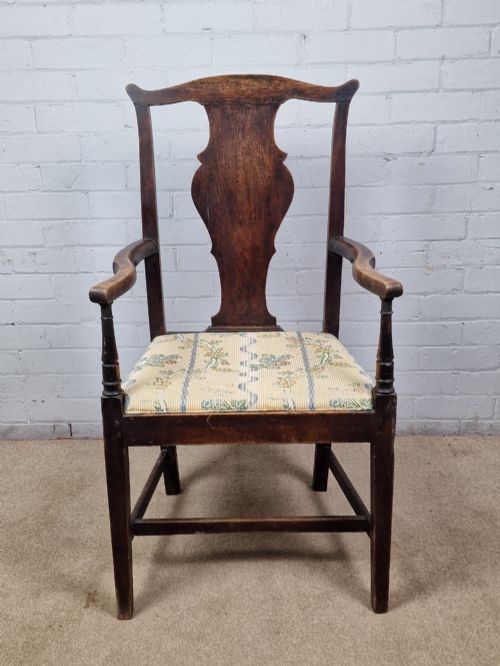
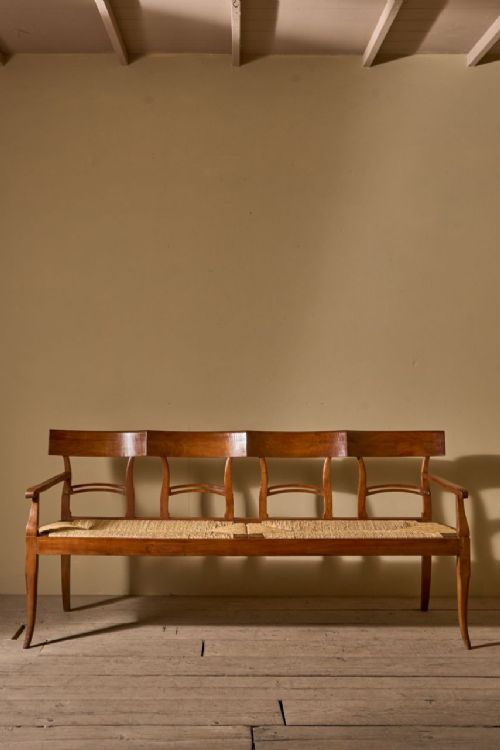
When someone searches for traditional rustic chairs, they encounter practical seating shaped by generations of vernacular woodworking traditions across British and European regions. These pieces span dining chairs, armchairs, rocking chairs, bar stools, and settles, originating from periods such as the eighteenth and nineteenth centuries.
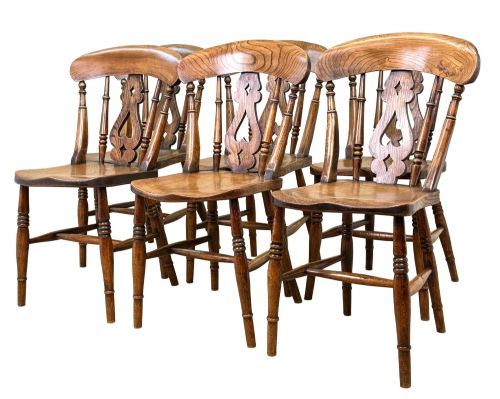
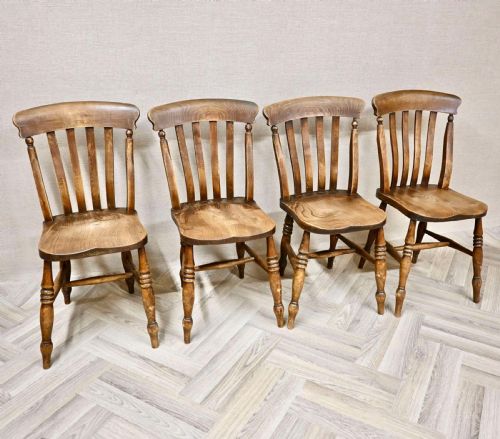
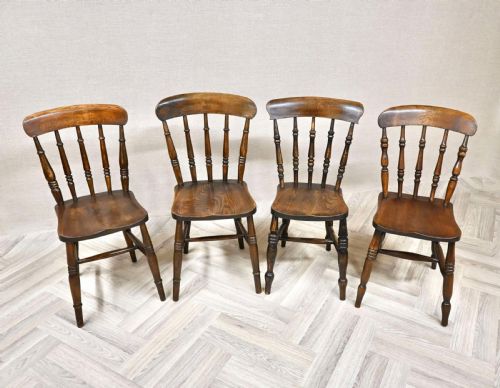
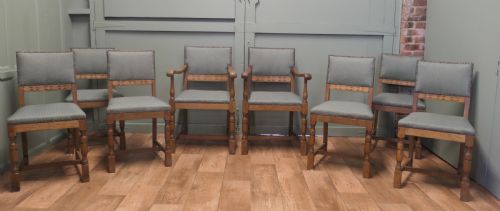
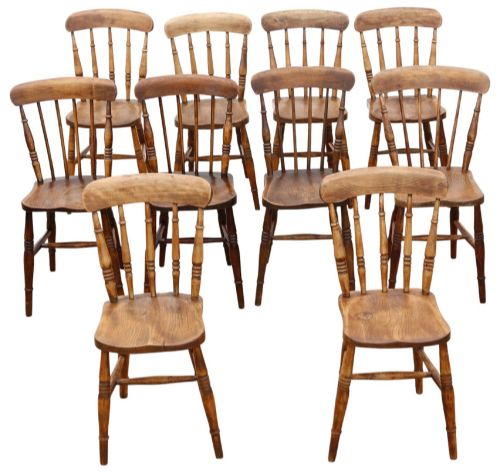
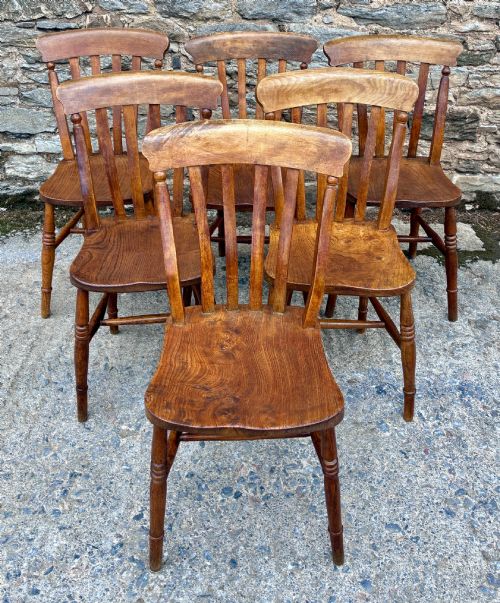
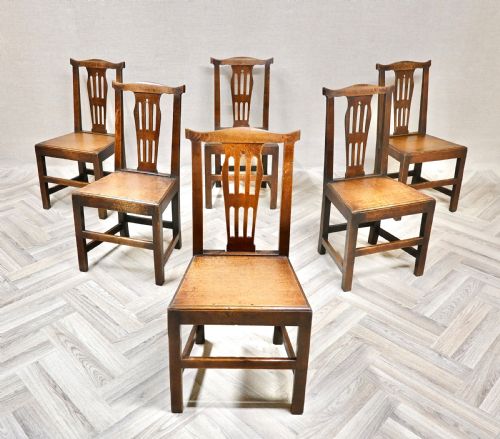
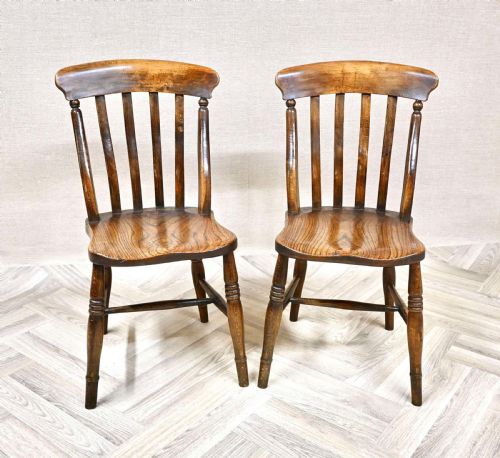
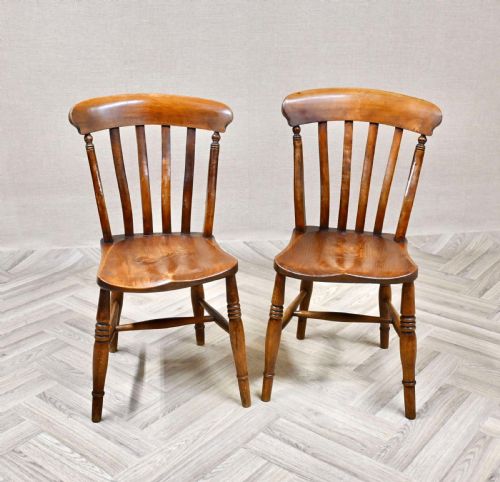
The selections on this page lean heavily towards country kitchen and farmhouse forms, particularly Windsor chairs, ladder backs, and spindle backs. Buyers frequently meet sets or individual examples constructed from native timbers like elm, ash, and beech, reflecting domestic utility rather than courtly refinement.
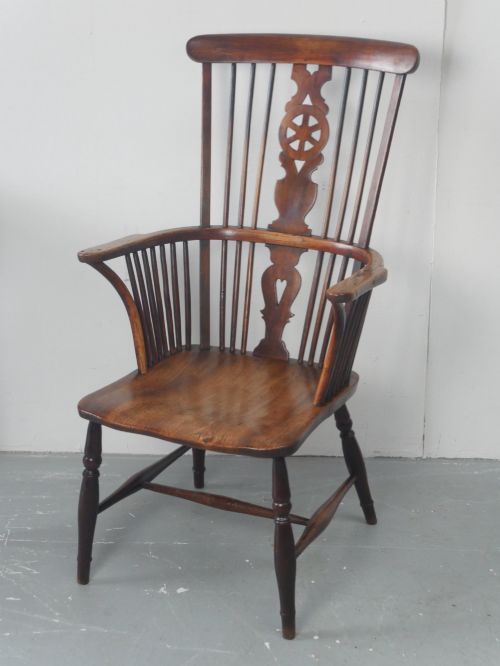
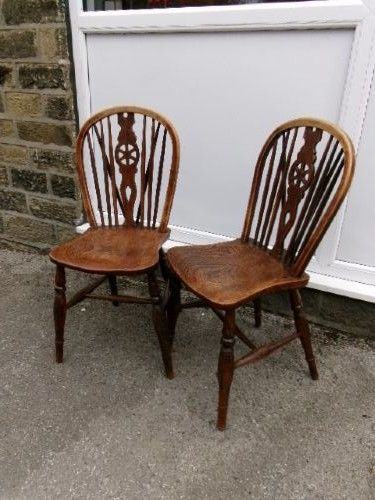
Regional variations shape these forms distinctly, ranging from Thames Valley Windsors to West Country high hoop-backs and Lincolnshire variations. Such chairs served everyday roles in kitchens, farmhouses, and firesides, retaining a utilitarian simplicity that defines their enduring appeal.
How they were made
Makers utilised native hardwoods suited to structural demands, pairing strong timbers like ash or oak for frames and spindles with solid elm for scooped seats. Beech frequently provided turned legs and stretchers, while rush served for woven seating surfaces.
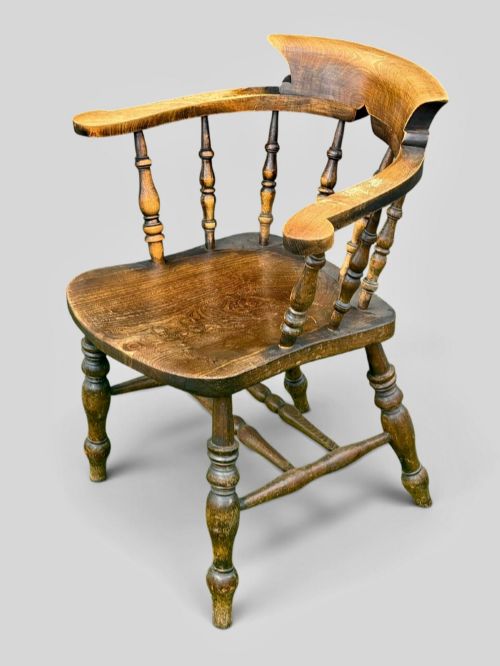
Construction relied on traditional joinery techniques, notably Windsor framing where spindles and legs fit directly into a thick wooden seat using tapered tenons. Bobbin turning and steam bending shaped components like hoops and armrests without relying on metal fasteners.
Surface finishing relied on natural wear and simple polishing, allowing the grain of elm and ash to develop deep patinas through decades of handling. Craftsmen shaped components using drawknives and shaves, leaving subtle tool marks that evidence hand production.
Listings feature traditional rustic chairs spanning the eighteenth and nineteenth centuries, constructed predominantly from native British hardwoods like elm, ash, and beech.
What varies in quality
Quality rests primarily in the integrity of the timber selection and the retention of original components through generations of domestic use. Pieces featuring well-matched timbers, particularly distinct elm seats paired with finely turned ash spindles, hold higher regard.
The subtlety of the turning on legs and stretchers separates standard workshop output from finer vernacular pieces. Crisp details on bobbin turnings or well-sculpted wheelbacks and comb backs indicate a higher tier of regional craftsmanship.
Structural honesty and the preservation of surface patina define the upper range. Chairs retaining their original construction without extensive timber replacement or unsympathetic modern gluing preserve the historical integrity collectors value.
Philip Clissett·Dinco
The Traditional Rustic Chairs Glossary
- Windsor chair
- A chair built with a solid wooden seat into which the back legs and spindles are drilled directly, creating a strong independent framework. This form developed numerous regional variations across the countryside.
- Elm and ash
- The primary native timbers utilised for vernacular chair construction, valued for their toughness and flexibility. Elm provided durable, splitting-resistant seats while ash offered resilience for bent components.
- Crinoline stretcher
- An arched or curved wooden brace connecting the legs of a Windsor chair to provide structural stability. This specific hoop-shaped stretcher often points to earlier manufacturing periods.
- Settle
- A high-backed wooden bench with solid sides and a storage box base designed to block draughts by the fireside. They served communal seating roles in farmhouses and country pubs.
- Lathe back
- A chair back featuring flat, vertical wooden slats turned or shaped on a lathe rather than round spindles. They appear frequently in nineteenth-century farmhouse seating.
- Patina
- The deep, lustrous surface sheen developed on old wood through decades of use, cleaning, and light exposure. This quality signals age and authentic handling.
Traditional Rustic Chairs: Frequently Asked Questions
How do I identify a Windsor chair?
A Windsor chair is characterised by its heavy, solid wood seat into which the legs and back spindles are tenoned directly. Unlike framed chairs, it lacks a continuous post-and-rail skeleton.
Look for a comfortably scooped elm seat and a distinct arched back, which might take the form of a high comb, hoop, or wheelback design.
Where were these chairs used historically?
These seating pieces originated in farmhouses, country cottages, and provincial kitchens where durability mattered above all else. Sturdier forms like settles also found places in country pubs.
They stood around farmhouse dining tables or beside hearths, designed entirely for daily domestic endurance rather than formal parlours.
What is a harlequin set?
A harlequin set is a collection of chairs that share a similar style, period, or material but are not originally from the exact same workshop batch. These groupings were often assembled over time.
They offer a cohesive country aesthetic around a dining table while retaining individual variations in turning and grain pattern.
How should I care for antique elm and ash?
Maintain these timbers by keeping them away from direct heat sources and sudden humidity shifts, which can cause old wood to split. Dust them regularly with a dry cloth.
Apply a microcrystalline wax sparingly when the wood appears dry, avoiding modern silicon-heavy polishes that damage historic patinas.