


Traditional Rural Scene Painting
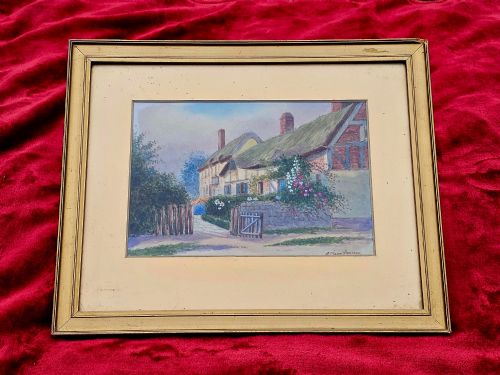
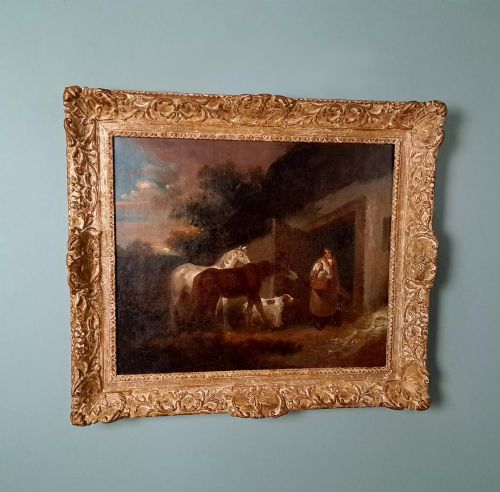
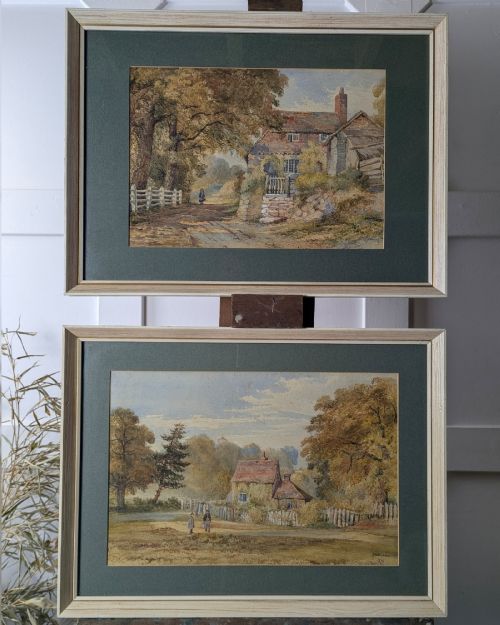
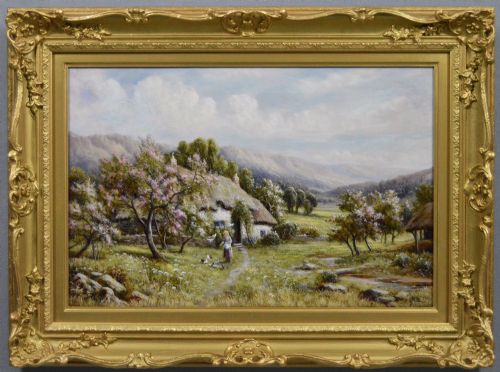
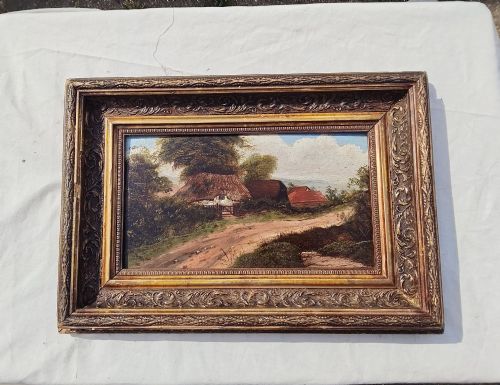
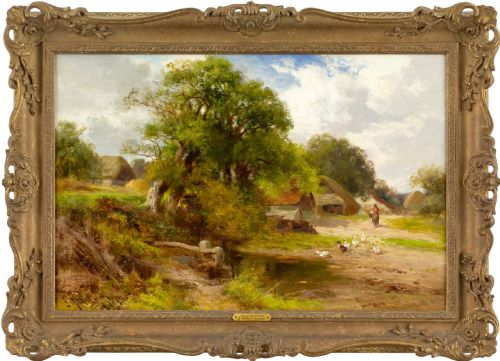
These traditional rural scene painting works capture quiet pastures, farm labourers and country cottages across Victorian, Edwardian and mid-twentieth-century periods.
Traditional Rural Scene Painting
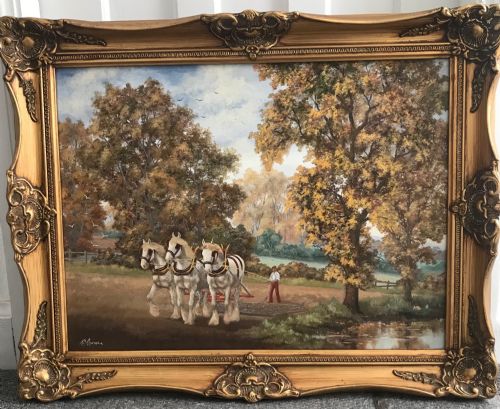
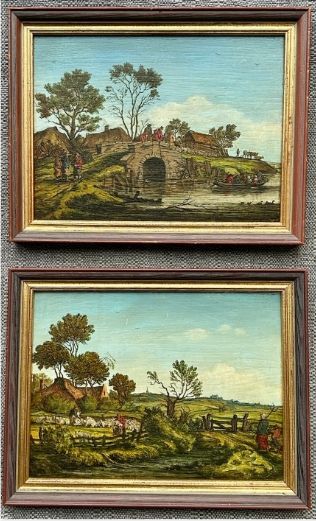
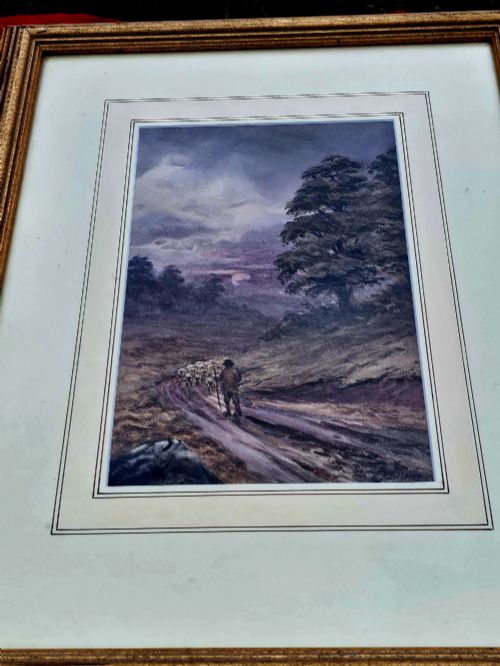
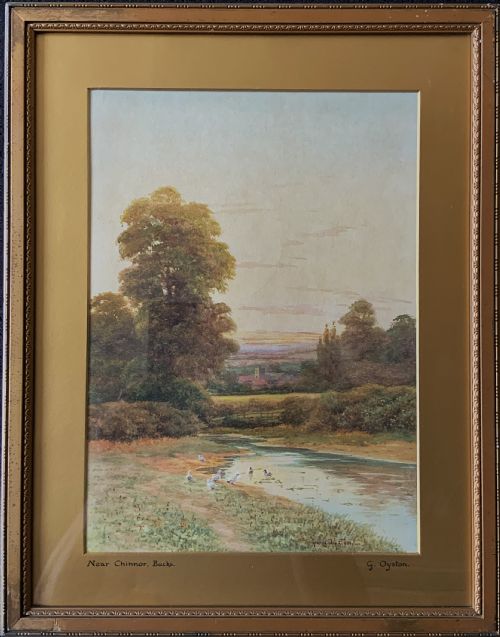
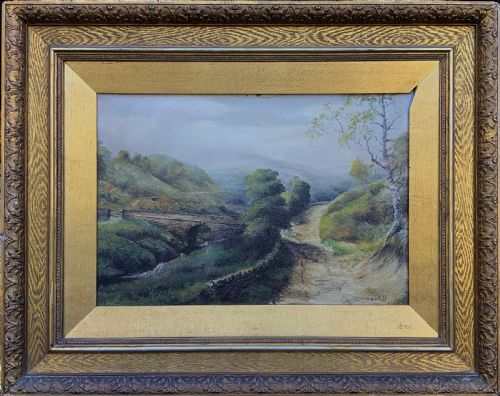
Traditional rural scene painting captures the agricultural life, cottages, and pastures of the British and European countryside. These works focus on everyday scenes such as farmers ploughing fields, herdsmen driving sheep, and figures fishing near willow trees.
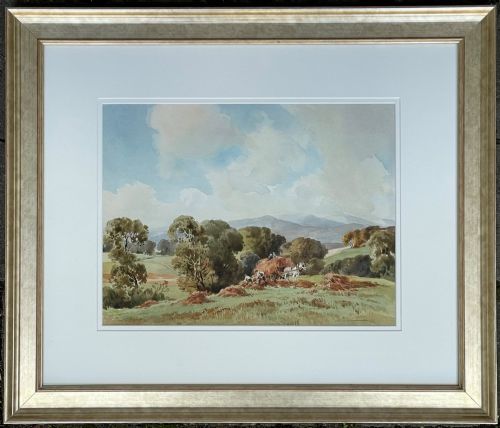
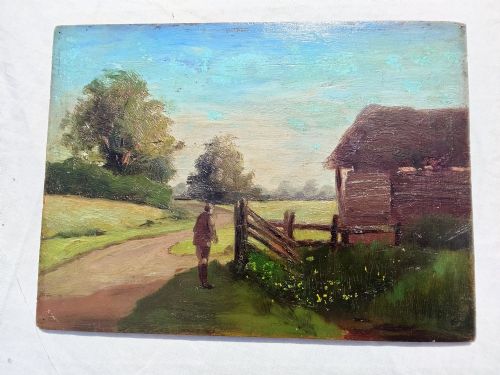
The pieces on this page span the nineteenth century, the Edwardian era, and the mid-twentieth century. Buyers encounter oil paintings on canvas, wooden boards, and panels alongside detailed watercolours on paper.
Most compositions reflect regional landscapes from Yorkshire, Sussex, and Devon, often grouped under stylistic headings like the English School and British Impressionism. These depictions offer a window into historic rural routines and agrarian landscapes.
Materials and techniques
Painters used oil paint and watercolour as primary mediums, applying pigment to stretched canvas, wooden panels, cards, and heavy paper. Works executed in oil often display thick, textured brushwork, while watercolours rely on translucent washes layered on paper.
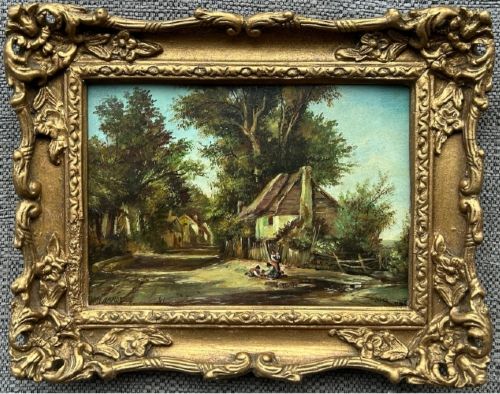
Supports varied according to the period and scale of the piece, with nineteenth-century artists frequently working on prepared wooden boards or wooden panels. Many surviving examples retain their period gilt wood frames, constructed to house and protect the canvas or paper.
Several canvases faithfully record the stubborn expressions of sheep being driven to market by dogs.
Factors of quality
Quality rests in the handling of light, the accuracy of perspective, and the vitality of the brushwork across the landscape. Stronger examples display confident handling of atmospheric effects, such as morning mist or autumn sunlight, rather than rigid imitation.
The skill with which figures and animals are integrated into the scenery distinguishes more accomplished works. Competent draughtsmanship in depicting horses, cattle, and human anatomy elevates a composition above standard topographical recording.
George Graham·Percy Lancaster·William Howard Hardy·A. Marie Parsons·William Joseph Shayer Senior·EJ Letheren·Robert A. Nottingham·David Bates·Robert John Hammond·John Horace Hooper·George Oyston·William Greaves·Miles Birkett Foster·Sydney Yates Johnson·Thomas Sidney Cooper·Herbert Royle·James Kyd·Henry John Yeend King·Samuel Joseph Clark·Henry John Boddington·M. C. Hider·James Hardy Junior·Willem Anton Alexander Knip·Charles Vickers·John Atkinson
The Traditional Rural Scene Painting Glossary
- Oil on Canvas
- A painting medium where pigments suspended in drying oils are applied to a woven fabric support. This surface allows for rich colour blending and textured impasto applications.
- Watercolour
- A painting method where fine pigment powders are bound in a water-soluble vehicle and applied to paper. It produces translucent washes that let the white of the paper illuminate the scene.
- Panel
- A rigid support for painting, frequently fashioned from wood during the nineteenth century. Panels provided a stable, smooth ground before canvas gained widespread use.
- English School
- A loose grouping of artists working within Britain who shared similar landscape and genre traditions. This designation covers generations of painters from the Georgian era onwards.
- Gilt Wood
- Timber framing finished with a thin layer of gold leaf or metallic gilding. These frames often complement nineteenth-century and Edwardian canvases.
Traditional Rural Scene Painting: Frequently Asked Questions
What subjects appear in these paintings?
These works depict agricultural tasks, harvested fields, and pastoral landscapes with figures and livestock. Common motifs include sheep being herded, farmers ploughing, and thatched cottages beside rivers.
Artists drew inspiration from specific regions across the British countryside, recording rural trades and quiet country life before modern industrial expansion.
How do oil and watercolour differ here?
Oil paintings utilise thick pigments on canvas or wood panels, allowing for layered textures and deep colour saturation. Watercolours employ translucent washes on paper to achieve lighter, more luminous effects.
Both mediums were used concurrently through the nineteenth and twentieth centuries to capture rural views, depending on the artist's preference for studio work or plein-air sketching.
How can I date these artworks?
Dating relies on stylistic clues, framing materials, and inscribed dates or signatures left by the artist. Victorian and Edwardian works often display distinct framing styles and costume details on the figures.
Examine the reverse of the canvas or panel for old gallery labels, inscriptions, or stamps that provide clues regarding the year of creation.
Where should I hang these paintings?
These landscapes suit traditional interiors, libraries, and dining rooms where natural wood furnishings complement the rural subject matter. Positioning them away from direct sunlight protects both watercolour pigments and oil varnishes.
Pairing a framed canvas with adequate wall lighting highlights the brushwork and depth of the pastoral scene.