




Traditional Rural Scene Art
Traditional rural scene art captures the quiet work, fields, and cottages of the countryside through oil and watercolour.
Traditional Rural Scene Art
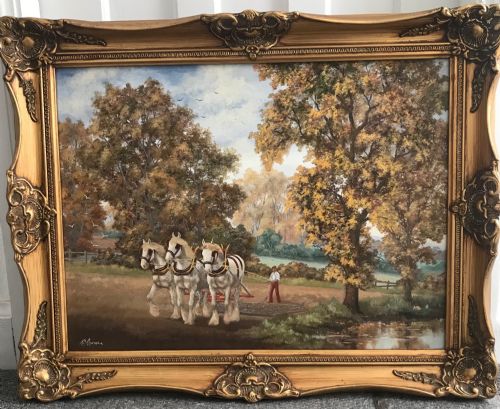
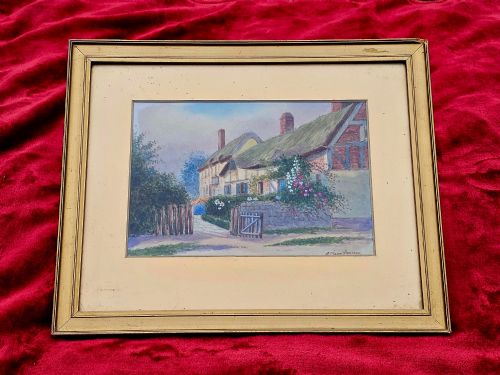
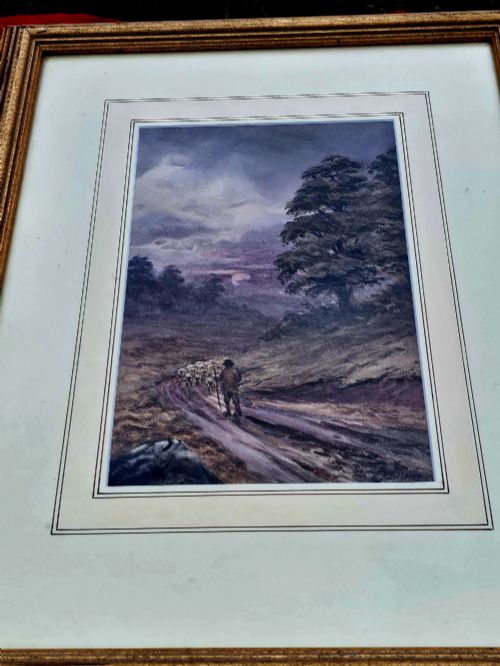
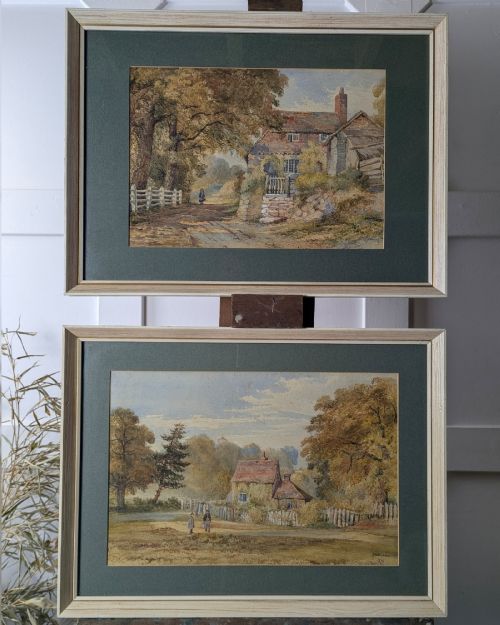
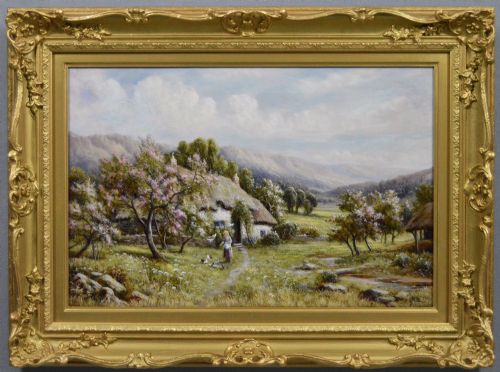
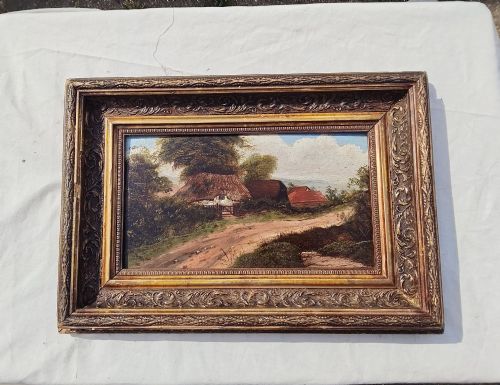
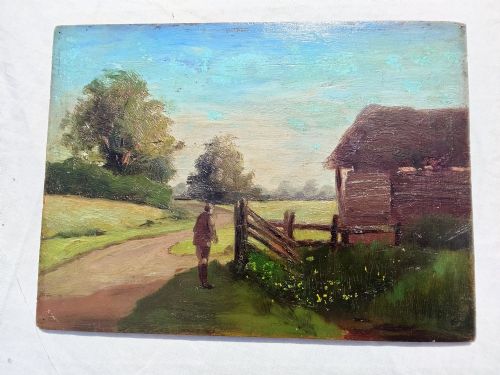
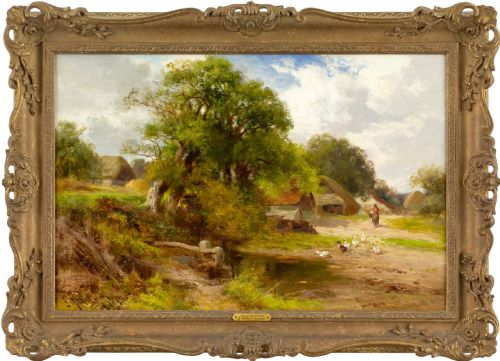
Traditional rural scene art brings the pastoral life of fields, rivers, and farmyards directly into view. These works portray figures herding sheep, harvesting crops, fishing under trees, and tending to cottages across the nineteenth and twentieth centuries.
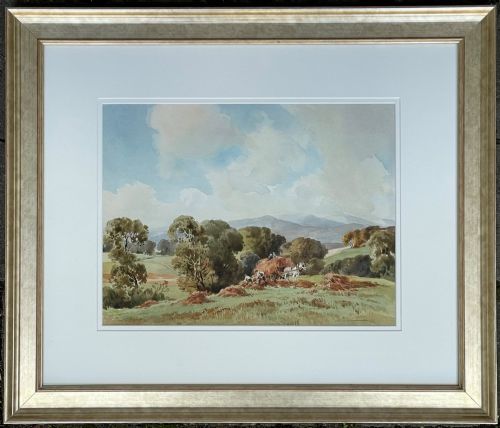
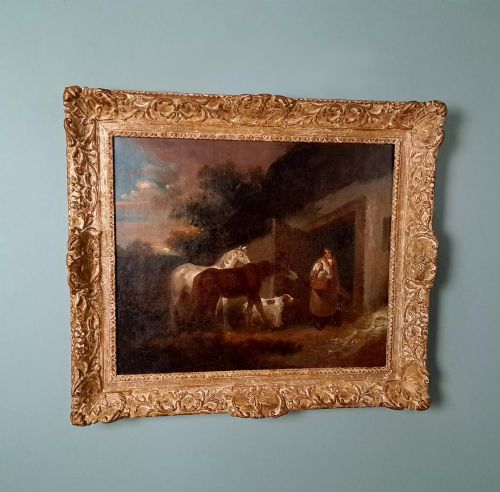
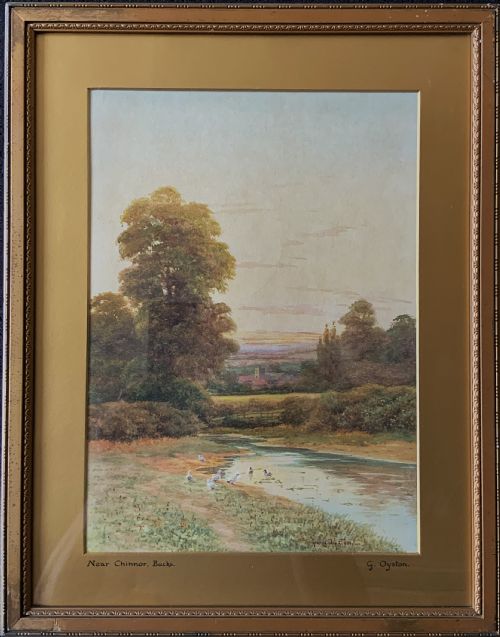
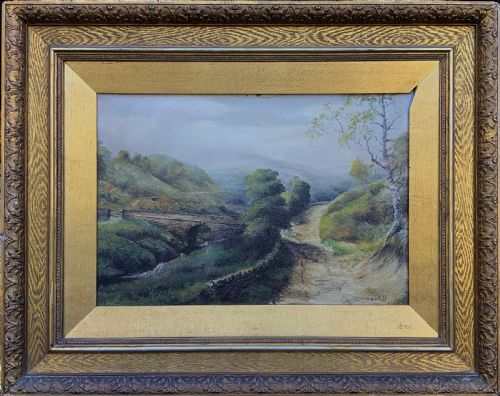
Most pieces met on this page take the form of framed oil paintings on canvas or wood panels, alongside watercolours on paper. They cross periods from the Victorian and Edwardian eras up to mid-century British works.
The subjects range from tranquil English river landscapes to Scottish crofts and Flemish style panels. They record the ordinary rhythms of agricultural life before mechanisation reshaped the countryside.
How they were made
Artists painted primarily with oil paint on canvas, wooden boards, wood panels, or card, applying pigment to build depth in landscape and animal details. Watercolours on paper offer a lighter, more transparent record of pastoral views.
Support materials varied from stretched canvas to solid wood and card, often framed in gilt wood or simple traditional wooden moulding to protect the edges.
Several sheep make repeat appearances, occasionally waiting patiently while farmers herd them toward distant markets.
What varies in quality
Quality rests in the handling of light, shadow, and atmospheric depth across the landscape. Stronger pieces render figures, animals, and foliage with distinct brushwork and proportion rather than generic repetition.
The fidelity of the rural details, from the architecture of a thatched cottage to the anatomy of working horses and cattle, separates proficient academic execution from standard decorative output.
George Graham·W Klombeck·Percy Lancaster·William Howard Hardy·A Marie Parsons·William Joseph Shayer Senior·EJ Letheren·Robert A Nottingham·David Bates·Robert John Hammond·John Horace Hooper·George Oyston·William Greaves·Miles Birkett Foster·Sydney Yates Johnson·Thomas Sidney Cooper·Herbert Royle·James Kyd·Henry John Yeend King·Samuel Joseph Clark·Henry John Boddington·MC Hider·James Hardy Junior·Willem Anton Alexander Knip·Charles Vickers
The Traditional Rural Scene Art Glossary
- Oil on canvas
- Pigment mixed with drying oil applied to a woven fabric stretched across a wooden frame. This method allows for rich blending and textured brushwork.
- Watercolour
- A paint consisting of colour suspended in a water-soluble vehicle, typically applied to paper. It creates transparent washes that capture bright daylight.
- Wood panel
- A flat wooden support used as a substitute for canvas. Artists often painted directly onto prepared timber boards in earlier centuries.
- Gilt wood
- Wood coated with a thin layer of gold leaf or metallic paint. It frequently borders traditional landscape paintings to frame the composition.
- English School
- A classification for works produced by artists trained or working in England. It groups paintings by regional tradition rather than a single maker.
Traditional Rural Scene Art: Frequently Asked Questions
What periods do these paintings come from?
The works span the nineteenth century, the Victorian and Edwardian periods, and extend into the mid-twentieth century.
They reflect shifting styles from traditional pastoral realism to British impressionism across those decades.
Are these works original paintings?
The selection consists of original oil paintings on canvas, board, and wood panel, alongside authentic period watercolours.
Hand-painted details and artist signatures separate these individual creations from mass-produced prints.
How do I care for antique oil paintings?
Keep the paintings away from direct sunlight and steady temperature fluctuations to prevent the canvas or wood panel from warping.
Dust the surface gently with a dry, soft brush without using liquid cleaners or chemical solvents.
What subjects appear most often?
Common subjects include cattle grazing, sheep herding, harvesting crops, and figures outside thatched cottages in rural settings.
Artists focused heavily on agricultural labour and quiet country rivers across Britain and Europe.