

Gold Leaf Landscape Painting
A gold leaf landscape painting brings rich warmth and historic depth to a room through traditional framing and illuminated scenery.
Gold Leaf Landscape Painting
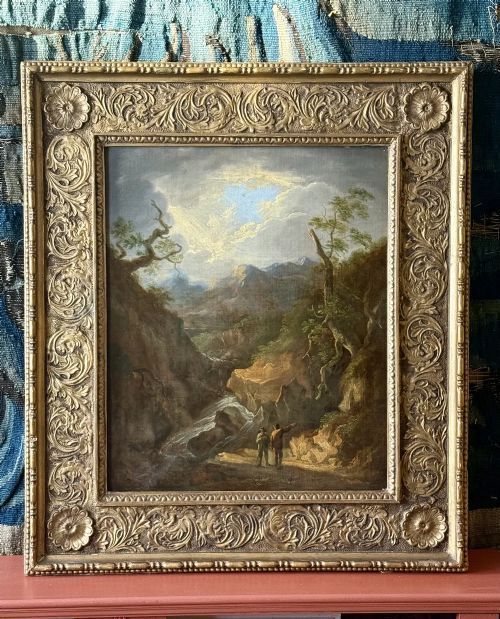
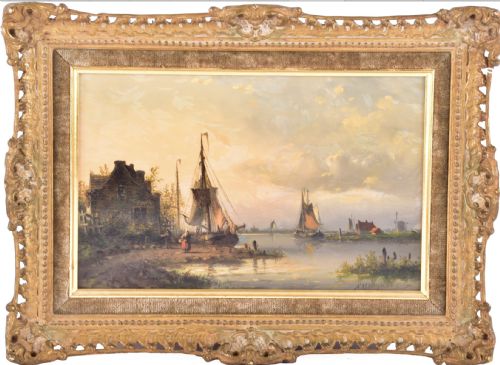
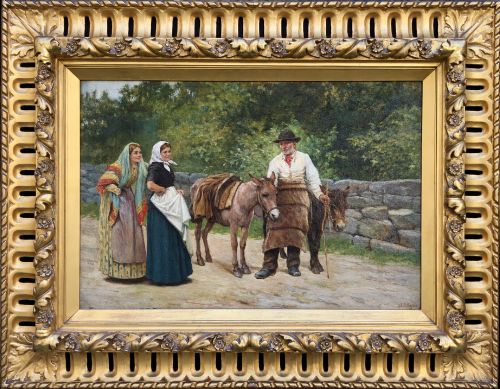
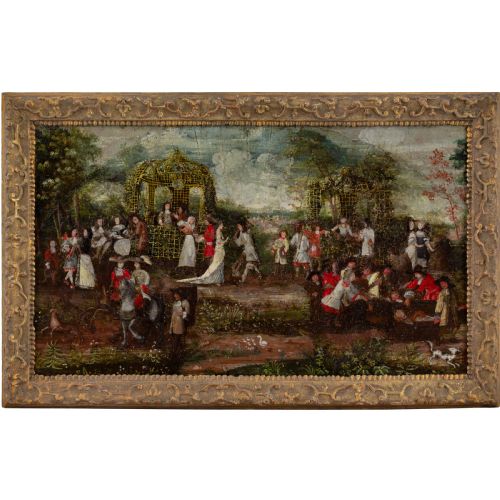
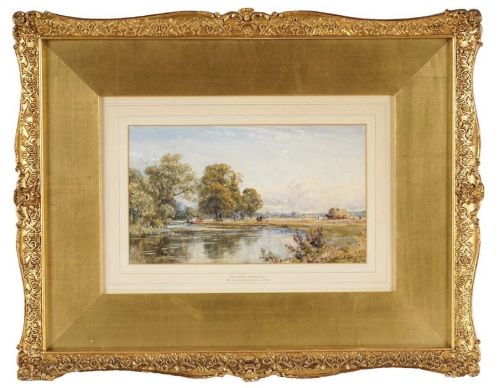
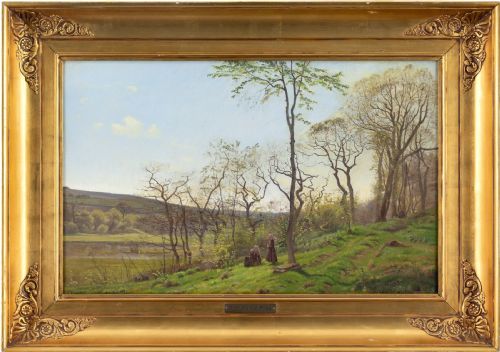
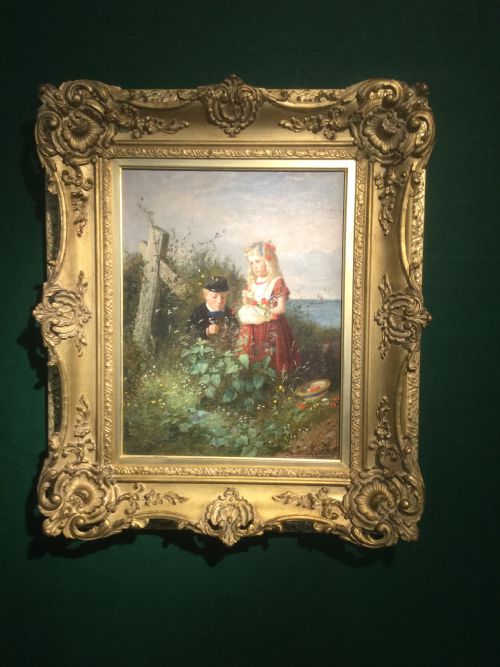
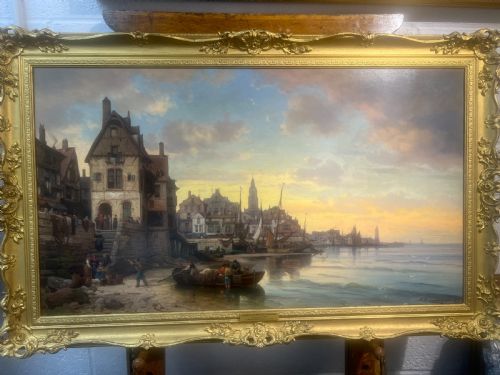
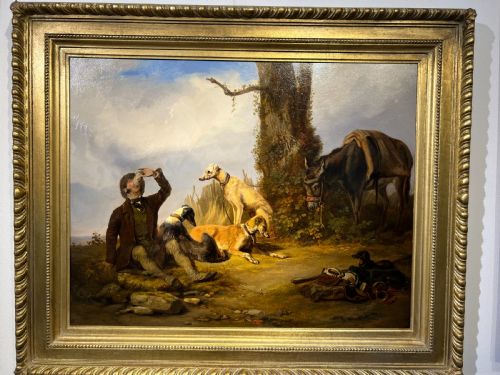
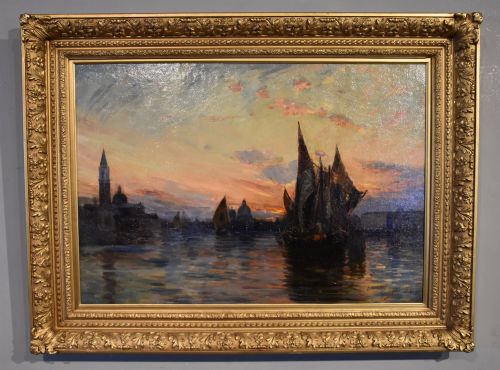
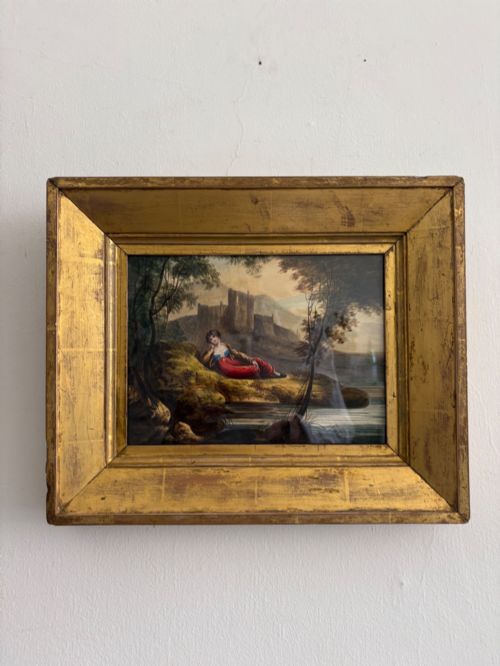
A gold leaf landscape painting encompasses framed artwork depicting natural scenery, pastoral views, and rural vistas originating from periods spanning the seventeenth to the early twentieth century. When searching for a gold leaf landscape painting, buyers encounter works rendered in oil on canvas or watercolour, often housed within elaborate giltwood and gesso frames.
The selection ranges from Dutch Golden Age panels to Victorian depictions of Scottish highlands and tranquil river scenes. These historic artworks combine painted landscape subjects with the reflective brilliance of metallic leaf applied to the surrounding mouldings.
Materials and construction
Makers constructed these works using oil paint applied to stretched canvas or wooden panels, frequently accompanied by paper supports for watercolours. Artisans then built up decorative frames from timber, coating them in gesso before applying fine gold leaf by hand to achieve a luminous finish.
The combination of oil pigments and reflective metal embellishments creates a distinct interplay of light across both the canvas and its perimeter. Craftsmen utilised traditional carving and gilding techniques to ensure the frames complemented the depth of the painted landscape within.
Scottish Highland cattle gaze steadily from seventeenth-century landscapes right through to Victorian canvases.
Assessing quality
Quality rests in the precision of the brushwork and the harmony between the painted landscape and its housing. Superior examples display confident handling of light, atmosphere, and perspective by the artist, paired with deeply carved, original gesso and giltwood frames.
Lesser pieces often show later re-gilding or mismatched framing that obscures the period integrity of the artwork. The depth of the pigment layers and the preservation of the original metallic application distinguish standard decorative works from finer historic pieces.
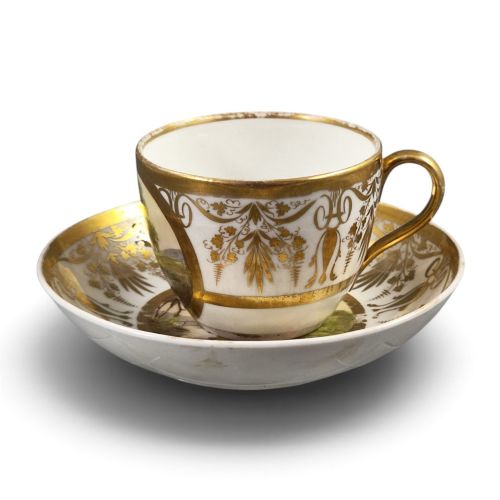
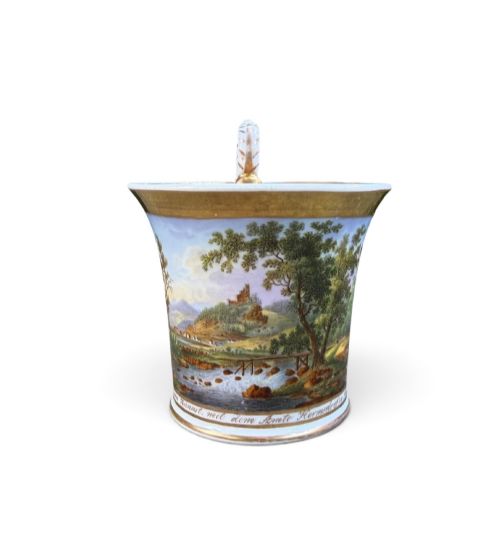
Bonaventura Peeters·KPM Berlin·Barr Flight and Barr·Eugene Verboeckhoven·Julius Caesar Ibbetson
The Gold Leaf Landscape Painting Glossary
- Giltwood
- Wood that has been coated with a thin layer of gold leaf or gold paint. This material is standard for ornate historic picture frames.
- Gesso
- A plaster mixture used as a base coat on wood before applying gilding. It provides a smooth surface for detailed carving.
- Oil on Canvas
- Pigment mixed with drying oil applied to a stretched woven fabric support. This medium allows for rich colour blending and durability.
- Gouache
- An opaque water-based paint method used on paper. It offers dense, matte colour coverage distinct from traditional transparent watercolour.
- Garniture
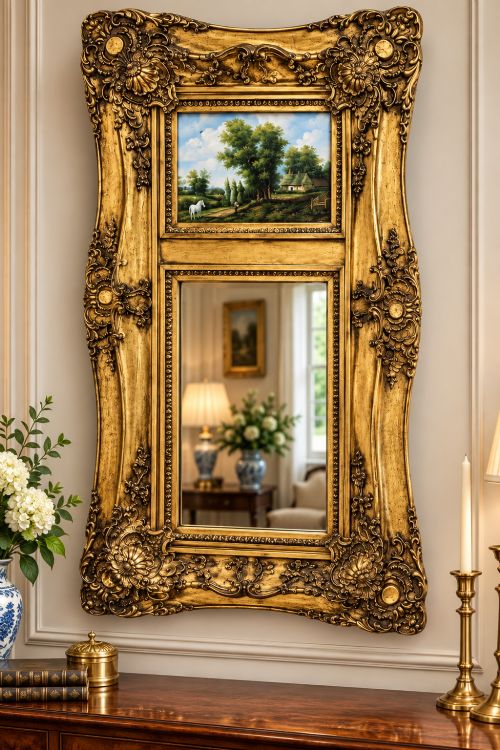
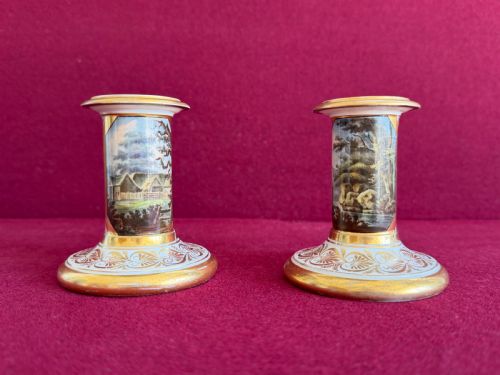
- A set of matching ornamental vases or vessels designed to be displayed together. These porcelain or decorative items often accompany room displays.
Gold Leaf Landscape Painting: Frequently Asked Questions
How do I clean a giltwood frame?
Dust the carved surfaces gently with a soft, dry brush to remove particles without disturbing the delicate metallic leaf. Avoid using liquid cleaners or commercial polishes, which can strip away the historic finish.
Keep the frame away from direct moisture and fluctuating heat sources to prevent the underlying gesso from cracking or separating from the timber base.
Where should I hang an oil painting?
Select an interior wall that receives stable, indirect light to protect the oil pigments and canvas fibres from fading over time. Maintain moderate room temperatures away from radiators and fireplaces.
Ensure the hanging fixings are securely anchored into wall studs to support the substantial weight of timber frames and glass panels safely.
How do I identify the period of a frame?
Examine the composition of the moulding, noting whether the gesso is hand-modelled or cast in later composition material. Tool marks and corner joints often reveal the manufacturing methods characteristic of specific centuries.
Compare the profile and ornamentation style against dated examples from the same era to confirm the likely timeframe of production.
Can I reframing an antique landscape?
Replacing a period frame alters the historical context and visual balance intended by the original maker or artist. Most collectors prefer to retain the matching housing even if it shows minor signs of age.
Consult a professional conservator if structural instability threatens the safety of the artwork before attempting any alterations to the display.