

Victorian Rural Artwork
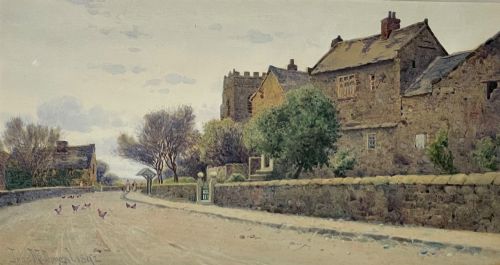
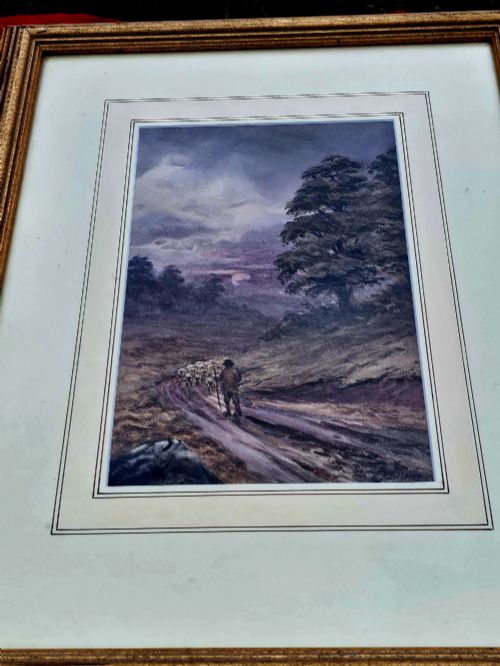
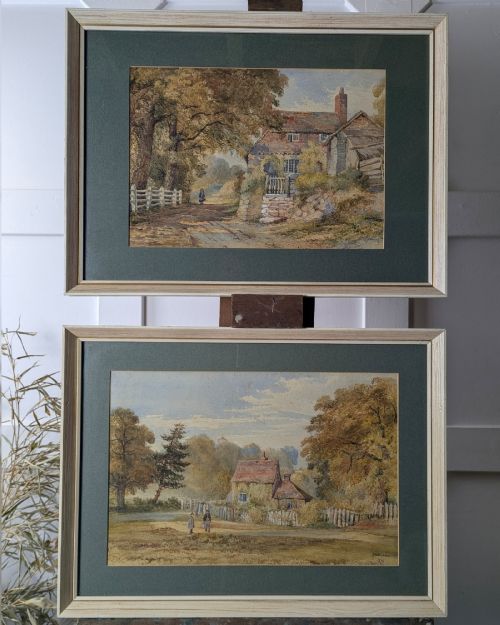
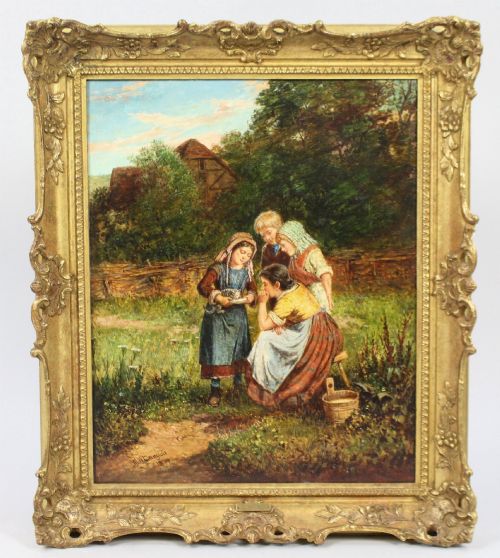
Victorian rural artwork captures the charm of 19th-century countryside life through traditional paintings and watercolours that bring historic rustic scenes into modern rooms.
Victorian Rural Artwork
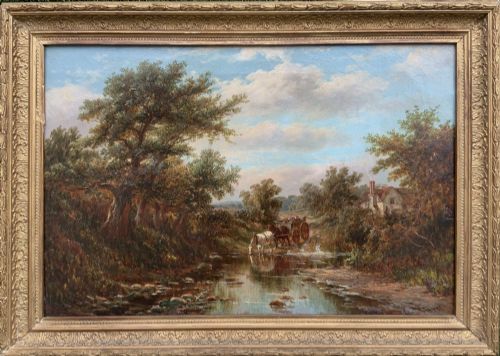
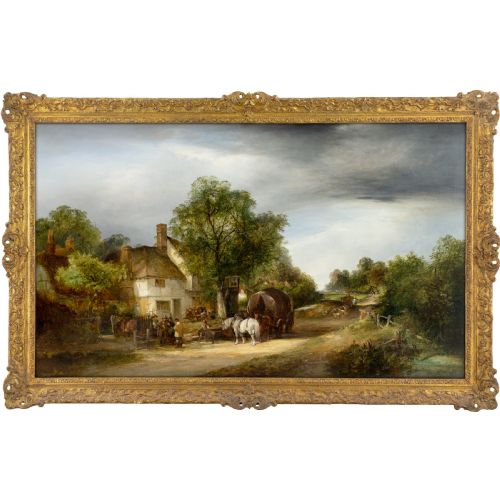
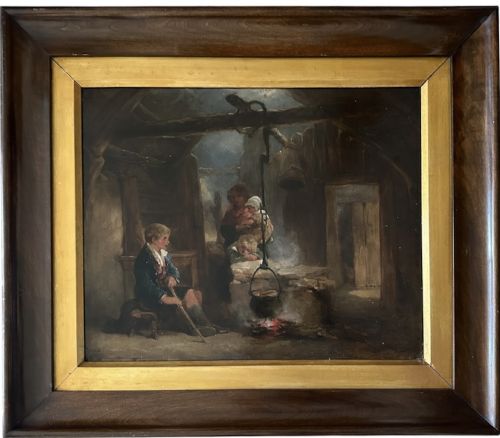
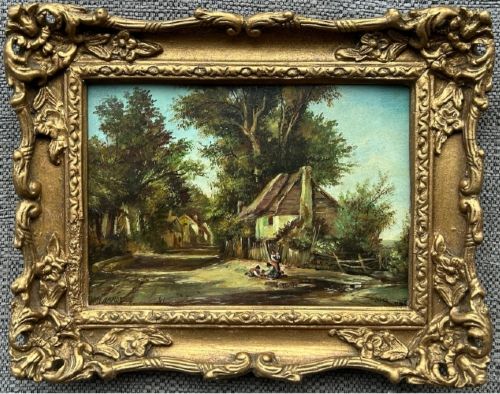
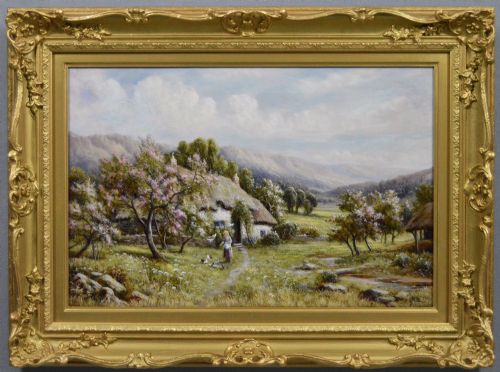
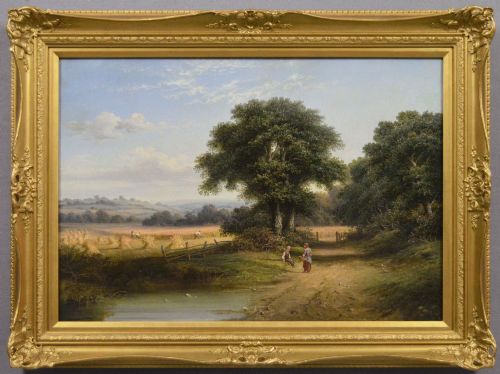
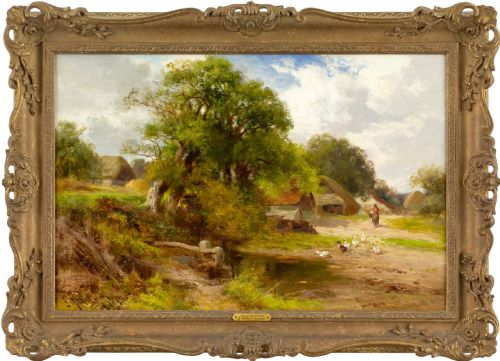
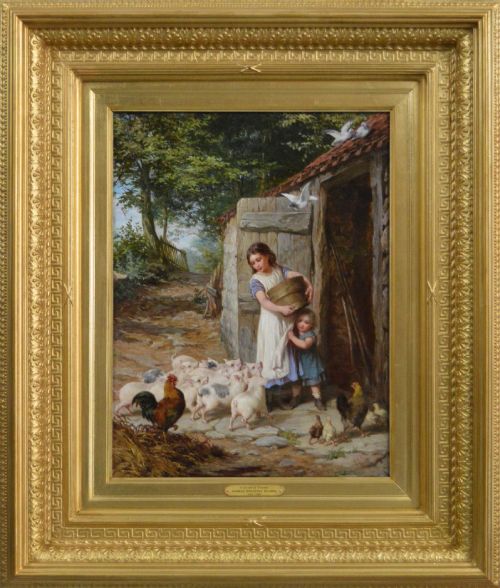
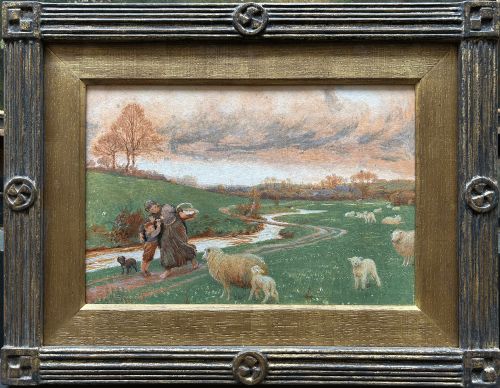
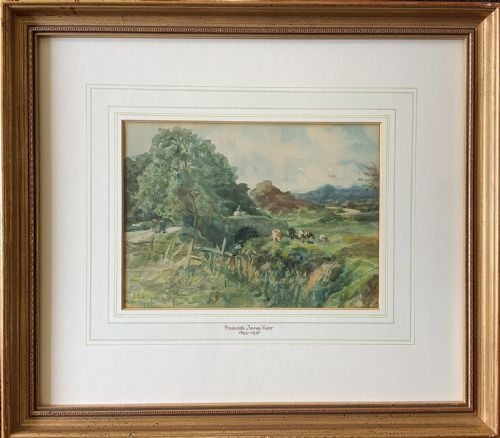
Victorian rural artwork encompasses oil paintings, watercolours, and etchings produced across the nineteenth and early twentieth centuries. These pieces typically depict pastoral landscapes, farming life, cottages, and agricultural animals in English and Scottish settings.
Common formats include framed canvas works and paper watercolours, often preserved behind glass within period frames. Buyers encounter depictions of specific locations ranging from Yorkshire and Sussex to the Wirral.
Materials and technique
Artists relied primarily on oil on canvas, oil on panel, and watercolour on paper to construct these scenes. Pigments were applied with brushwork that ranged from precise detail in animal portraits to looser, atmospheric strokes in landscapes.
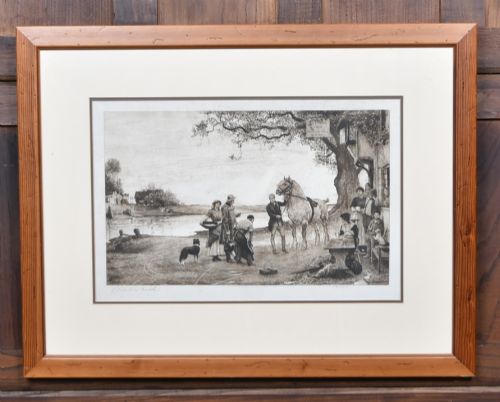
Many works incorporate supportive elements such as wooden stretchers, card mounts, and ornate gilt wood and gesso frames. Etchings and lithographs provide alternative print methods utilised by period makers to reproduce pastoral imagery.
Listings feature works spanning the nineteenth century up to 1910, executed in oil, watercolour, and etching.
Assessing quality
Quality rests upon the artist's ability to render light, texture, and movement within natural settings. Finer examples display detailed anatomical accuracy in cattle and sheep alongside skilled composition in complex harvest or farmyard scenes.
The preservation of the original paper or canvas surface and the integrity of the period frame influence the piece's overall standing. Signed works by documented painters carry stronger attribution than anonymous examples from the British School.
William Howard Hardy·John McDougal·Mark William Langlois·David Bates·Robert John Hammond·Walter Heath Williams·Robert W Macbeth·John Horace Hooper·George Augustus Holmes·Frederick Walker·Frederick James Kerr·William Greaves·Miles Birkett Foster·Charles Henry Slater·Herman S Melville·Charles Edward Wilson·Frederick Hines·Herbert Dicksee·William Henry Mander·Thomas Sidney Cooper·James Kyd·James William Booth·William Sydney Cooper·Samuel Joseph Clark·James Orrock
The Victorian Rural Artwork Glossary
- Watercolour
- A painting method where fine pigment is suspended in water-based solution on paper. This medium produces translucent washes often seen in delicate country views.
- Etch
- A printmaking technique where acid cuts into unprotected parts of a metal plate to hold ink. Artists use this process to create detailed tonal lines in rural scenes.
- Gesso
- A plaster-like mixture applied to wood surfaces to prepare them for gilding and ornamentation. This material forms the decorative relief on antique frames.
- Panel
- A flat wooden support used instead of canvas for painting. Painters in the nineteenth century frequently utilised prepared wooden boards for smaller oil works.
Victorian Rural Artwork: Frequently Asked Questions
What subjects appear in these works?
These pieces focus primarily on nineteenth-century agricultural life, featuring scenes of haymaking, animal herding, and cottage exteriors. Artists recorded the changing seasons and rural labour across British countryside settings.
Common motifs include sheep, cattle, cart-horses, and figures resting under oak trees or working near harvest fields.
How do I care for antique watercolours?
Works on paper require protection from direct sunlight to prevent fading of the delicate watercolours and paper discolouration. Keeping them in stable indoor humidity conditions preserves the mount and paper substrate.
Glazing helps shield the surface from atmospheric pollutants and physical contact over time.
Are oil paintings on canvas delicate?
Oil on canvas pieces are relatively robust but benefit from gentle handling and stable environmental temperatures. The canvas textile can react to moisture changes, making dry wall placement essential.
Original gilt frames complement the paintings but require dusting with a soft, dry cloth rather than liquid cleaners.
How can I identify the period?
Dating relies on stylistic clues, framing materials, and artist signatures recorded in nineteenth-century exhibition records. Many works bear contemporary inscriptions or signatures that place them within the Victorian or Edwardian eras.
Backboards, old labels, and stretcher construction provide additional physical evidence of the creation date.