


Antique Paper Landscape Art
Antique paper landscape art brings nineteenth-century topography, coastal views, and pastoral scenes into domestic spaces through original watercolours, drawings, and engravings.
Antique Paper Landscape Art
Antique paper landscape art encompasses original works on paper spanning the eighteenth, nineteenth, and early twentieth centuries. Buyers searching this phrase meet hand-painted watercolours, pencil and charcoal drawings, and period engravings depicting British, European, and Middle Eastern views.
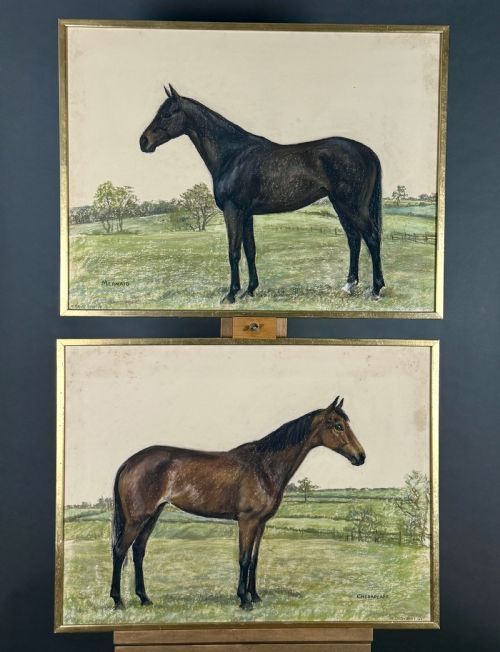
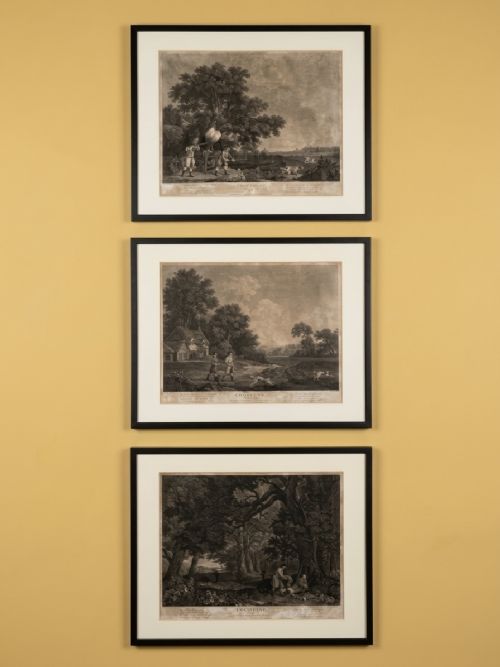
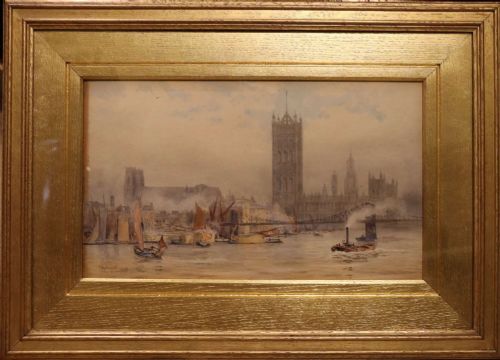
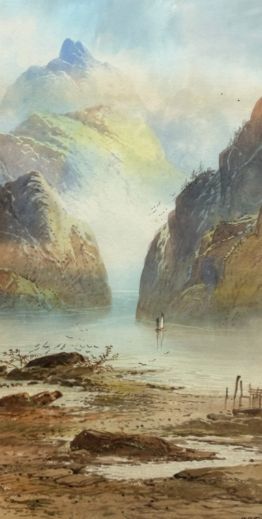
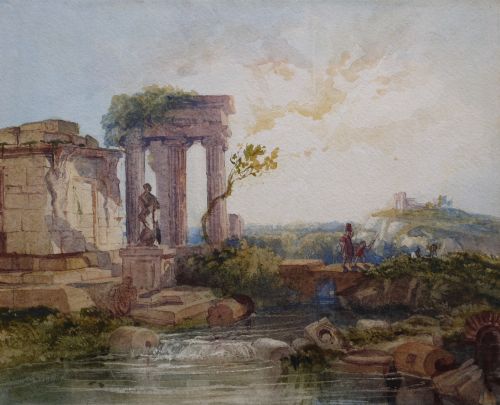
The selection ranges from detailed architectural studies of Venetian canals and Egyptian temples to intimate pastoral watercolours of Scottish rivers and English village greens. These pieces appear in varied formats, including single framed drawings, historical prints, and occasional pairs of studies.
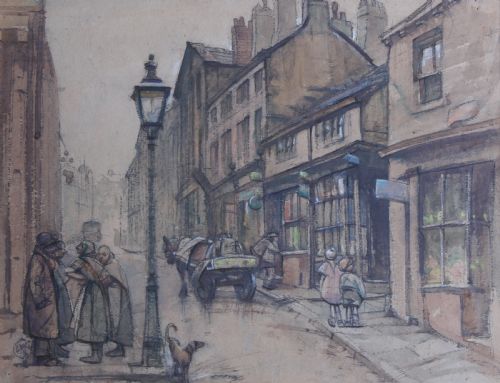
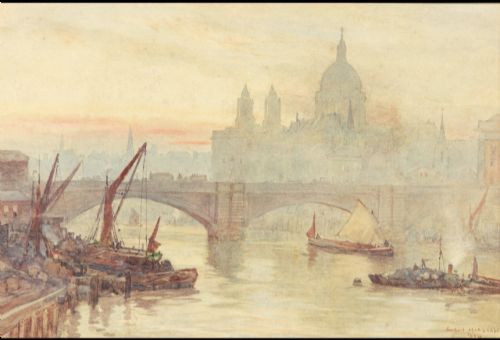
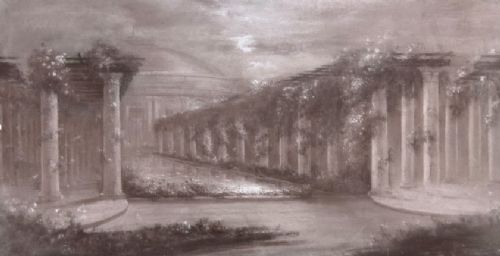
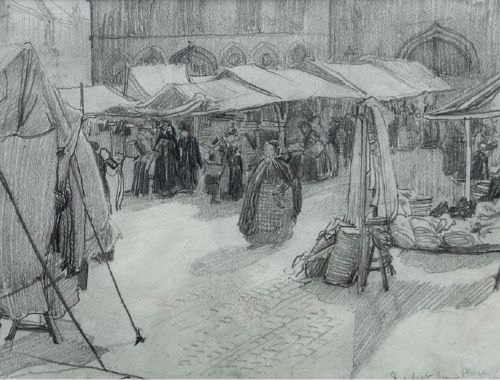
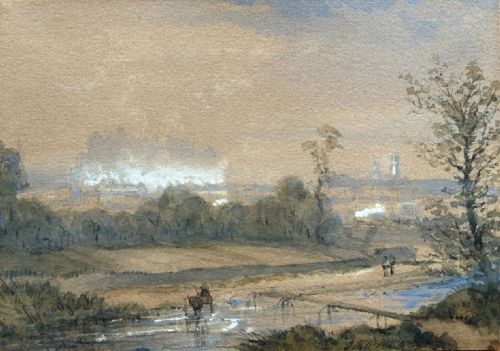
Originating predominantly from British and continental European schools, the works reflect movements such as Victorian academic painting, Edwardian tonalism, and early twentieth-century British impressionism. Artists recorded subjects ranging from bustling market squares to quiet coastal beaches using traditional media on paper.
How they were made
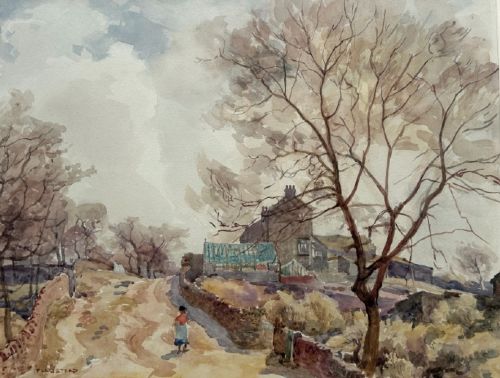
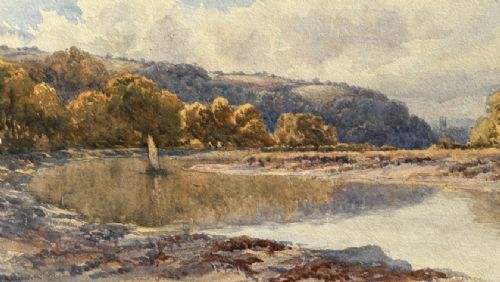
Watercolour pigment applied to heavy paper forms the foundation of most pieces in this category, often combined with graphite or ink outlines to define architectural and natural details. Artists utilised transparent washes alongside opaque bodycolour to build atmospheric depth in skies and bodies of water.
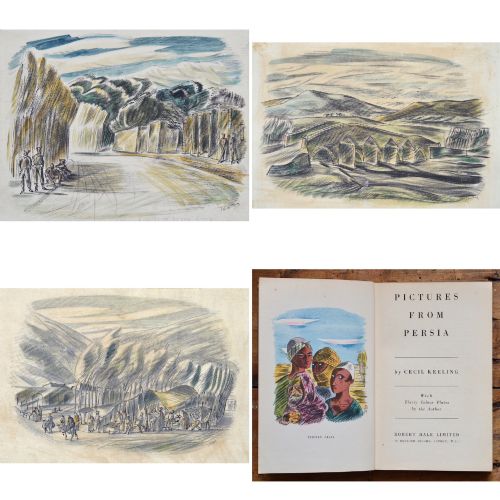
Draftsmen relied on graphite pencil, charcoal, and pen and ink on paper to capture rapid plein-air sketches and finished compositional studies. Engravings from the period utilised metal plates pressed onto paper to reproduce detailed topographical and narrative compositions.
Framing materials typically comprise period wooden mouldings paired with protective glass sheets, preserving fragile paper substrates from airborne moisture and handling damage over the centuries.
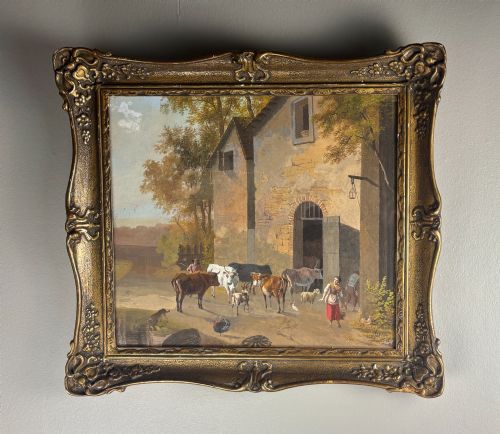
Cows graze peacefully through several nineteenth-century pastoral watercolours while steamships navigate nearby industrial rivers.
What varies in quality
Technical proficiency in handling translucent washes and mastering perspective distinguishes accomplished watercolours from simpler topographical records. Stronger works demonstrate confident brushwork and a balanced composition that captures light and atmosphere effectively.
The condition of the paper substrate and the vibrancy of the original pigments influence the desirability of a piece. Works maintained under glass with minimal fading or foxing retain greater visual impact than those subjected to prolonged direct sunlight.
Signatures, dated inscriptions, and identifiable historical locations provide provenance that elevates specific watercolours and drawings above anonymous student work or generic decorative production.
James Orrock·William Henry Earp·Henry Percy Huggill·Richard Principal Leitch·John R Prentice·Thomas Ellison·Alfred Young Nutt·Percy Lancaster·A Marie Parsons·John McDougal·James E Aitken·William Joseph Boyes·Muriel Metcalfe·John Smith Atherton·Th Thibault·Hector Caffieri·Richard Henry Wright·David Roberts·Anton Ignaz Melling·Thomas Maidment·Alfred G Morgan·Russell Sidney Reeves·Étienne Baudet·J C Burgess·Edward Warren Bonomi
The Antique Paper Landscape Art Glossary
- Watercolour
- A painting method where paint is made of pigments suspended in a water-based solution. Artists apply these transparent washes to paper to create luminous effects.
- Engraving
- A printmaking technique where an artist carves an image onto a metal plate. Ink is transferred from the incisions onto paper under pressure.
- Gouache
- An opaque water-based paint type often mixed with standard watercolour pigments. It provides solid areas of colour and highlights in landscape drawings.
- Foxing
- Brown spots and discolouration that develop on antique paper over time. This chemical reaction results from dampness and iron impurities within the pulp.
- Plein-air
- The practice of painting outdoors to capture direct natural light and environmental conditions. This approach informed many nineteenth-century landscape sketches.
Antique Paper Landscape Art: Frequently Asked Questions
How should I display antique paper art safely?
Position framed watercolours and drawings away from direct sunlight and damp environments to prevent pigment fading and paper deterioration. Utilising UV-filtering glass provides essential protection against light damage over time.
Ensure that framing utilises acid-free mounts and backing boards so the historic paper does not come into contact with acidic materials that cause browning.
Were these watercolours painted outdoors?
Many nineteenth-century artists produced preliminary sketches and plein-air watercolours directly in front of the subject. These on-the-spot studies captured transient weather effects and natural light.
More finished watercolours were often developed later inside a studio using field drawings as structural reference points.
How do I identify the date of a drawing?
Look for handwritten signatures, dates inscribed directly onto the paper, and period framing labels on the reverse. Titling in pencil often follows nineteenth-century handwriting conventions.
Stylistic cues such as the clothing of figures, architectural elements, and framing styles also help narrow down the period of creation.
What is the difference between an engraving and a watercolour?
Watercolours are unique, hand-painted works created directly on paper using pigment and water. Each brushstroke is singular and original to the artist's hand.
Engravings are printed multiples created by pressing inked metal plates onto paper, allowing the same topographical image to be produced several times.