




Victorian Woodland Painting
These pieces capture the quiet intimacy of British groves and thickets through nineteenth-century brushwork.
Victorian Woodland Painting
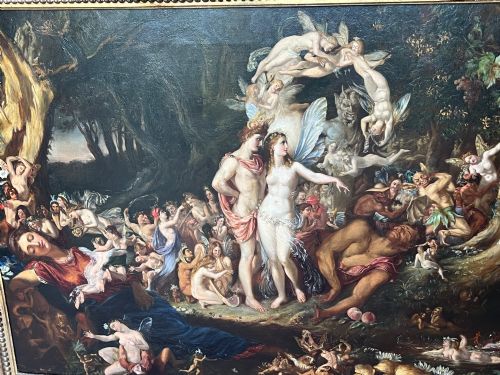
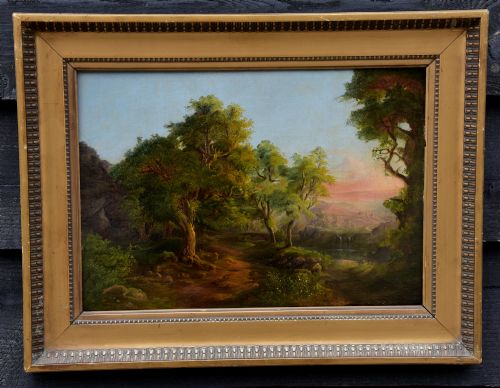
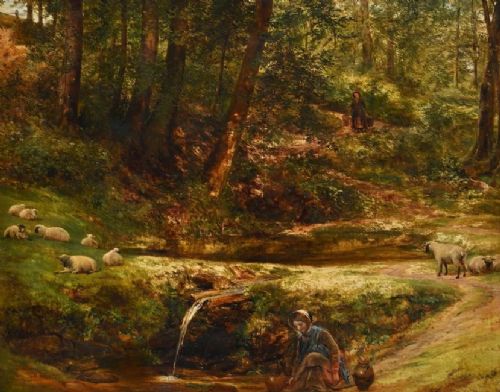
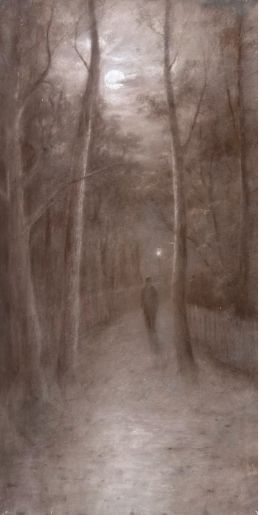
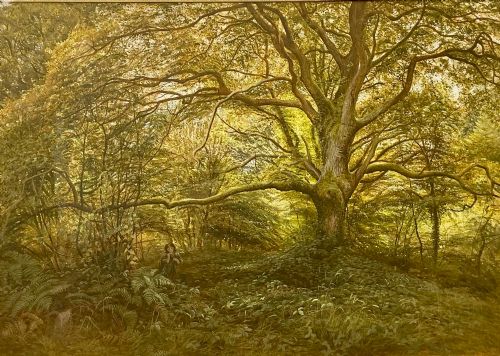
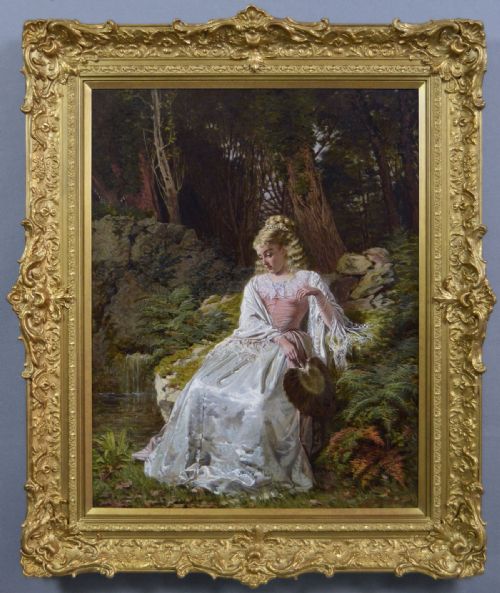
A victorian woodland painting captures the dense canopies, shaded paths, and filtered light of nineteenth-century British forests. Collectors encounter oil on canvas, wood panels, and watercolours depicting rustic streams, autumnal foliage, and figures gathering firewood or wandering through glades.
The works span the Victorian period into the Edwardian era, reflecting shifting approaches to naturalism and romanticism. Many examples focus on specific locales across England, Wales, and Yorkshire, framed in original gilt mouldings and gesso.
Materials and Technique
Artists built these scenes using oil paint or watercolour applied to primed canvas, stretched linen, or wooden boards. Pigments were layered to create deep forest shadows contrasting with patches of sunlight on woodland floors.
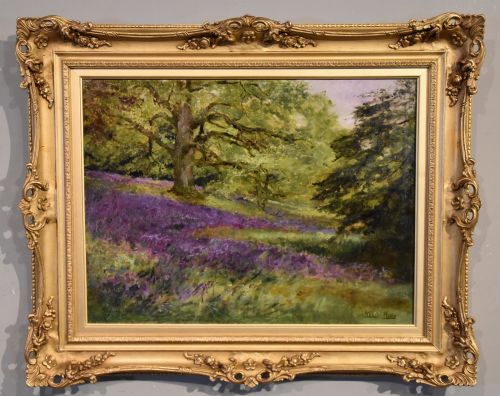
Finished works were frequently housed in ornate wooden frames enhanced with gold leaf and moulded gesso decoration. These traditional mounts provided both structural protection and visual depth for the painted landscape.
Framing materials recorded in the inventory include carved wood, gold leaf, and decorative gesso mouldings.
Distinctions in Quality
The strength of a composition rests on the artist's handling of ambient light and atmospheric perspective beneath heavy boughs. Superior canvases demonstrate confident brushwork that defines distinct tree species and undergrowth rather than relying on generalized foliage.
Provenance and documented exhibition history elevate specific works, alongside the survival of the original gilt frame. Pieces signed by recognised nineteenth-century landscape painters carry greater art-historical documentation than anonymous studies.
Richard Sebastian Bond·Thomas W Lascelles·Richard Redgrave·Arthur Herbert Rigg·William Mellor
The Victorian Woodland Painting Glossary
- Canvas
- A heavy woven fabric stretched across a wooden frame to serve as a support for oil painting. It provides a textured surface that holds layered pigment.
- Gesso
- A plaster-like mixture applied to wooden frames or panels as a base for gilding and ornamentation. It creates a smooth, durable surface for gold leaf.
- Watercolour
- A paint consisting of pigment suspended in a water-soluble vehicle, typically applied to heavy paper. It allows for translucent washes of forest light.
- Romanticism
- An artistic movement emphasising emotion, individualism, and awe of the natural world. It heavily influenced nineteenth-century depictions of untamed woods.
Victorian Woodland Painting: Frequently Asked Questions
What subjects typically appear in these landscapes?
Artists frequently depicted shaded streams, overgrown paths, and travellers or children gathering firewood beneath dense canopies. Seasonal shifts from autumnal foliage to spring bluebells were popular focal points.
Many compositions draw inspiration from specific British regions such as Yorkshire, Wales, and the New Forest. Figures are often secondary to the overarching mood of the natural setting.
How do I identify the period of a woodland landscape?
Examine the materials, stretcher bars, and framing techniques used on the reverse of the canvas. Nineteenth-century works often feature hand-written inscriptions, artist labels, or old exhibition stamps.
Stylistic shifts also provide clues, moving from romantic idealism in the mid-nineteenth century toward the brighter palettes of British impressionism by the Edwardian era.
Where were these paintings displayed in Victorian homes?
Larger canvases were designed as principal reception room pieces, hung prominently above mantelpieces or in formal drawing rooms. Smaller watercolours and panel paintings suited more intimate parlour settings.
Heavy gilt frames ensured the artwork commanded attention within domestic interiors filled with dark wood furniture and patterned textiles.