
Traditional Refectory Table
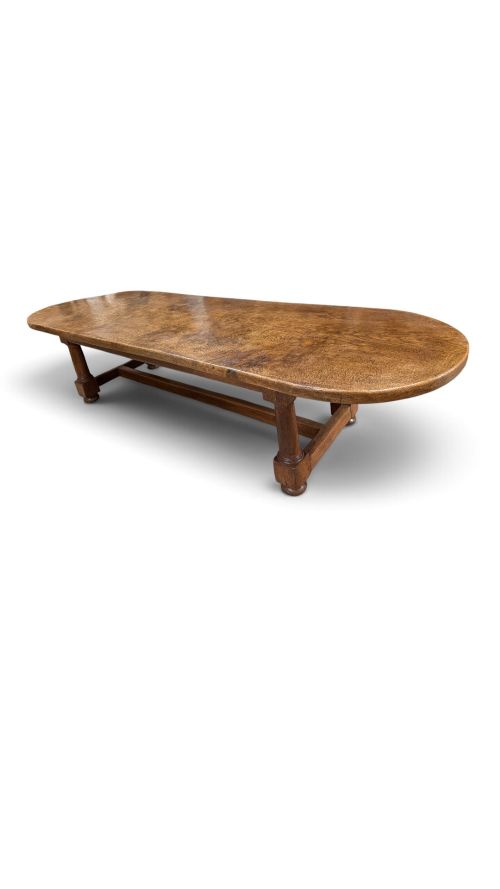
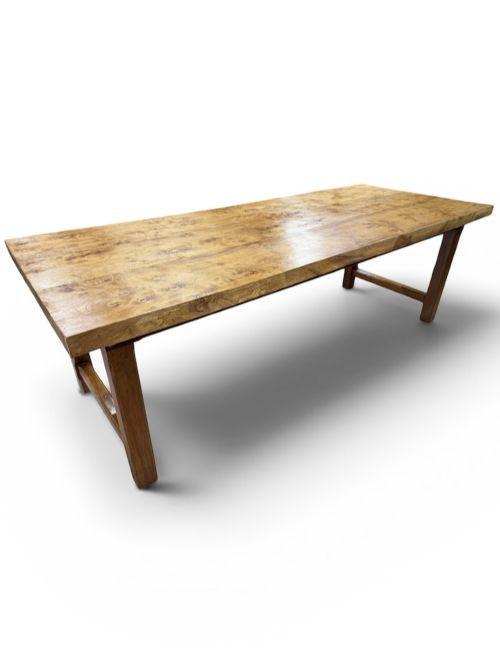
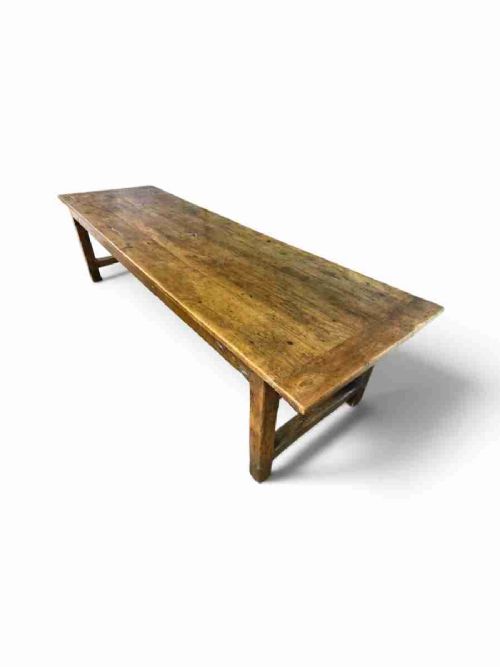
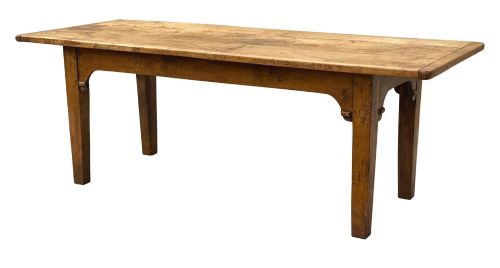
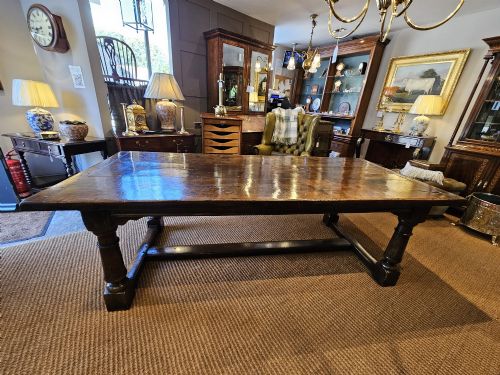
A traditional refectory table grounds a room with heavy timber, long proportions and centuries of domestic utility.

Traditional Refectory Table
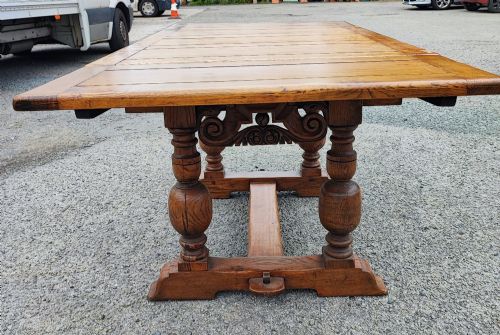
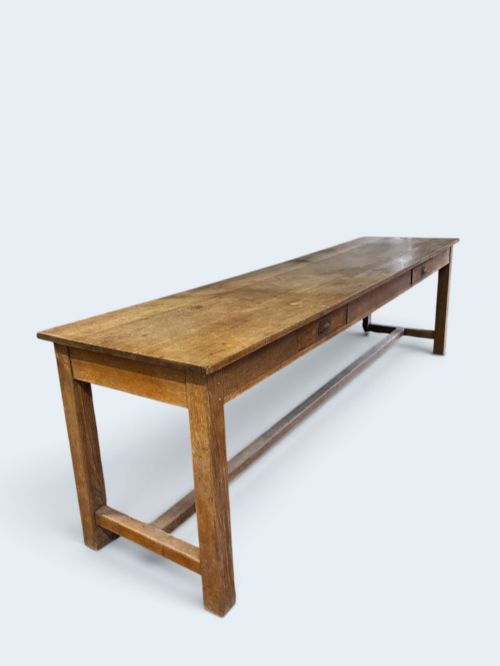
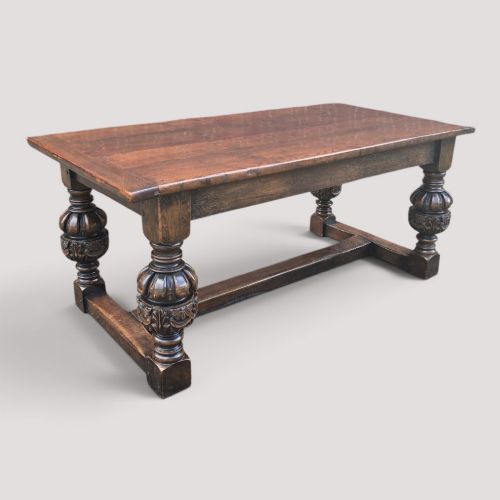
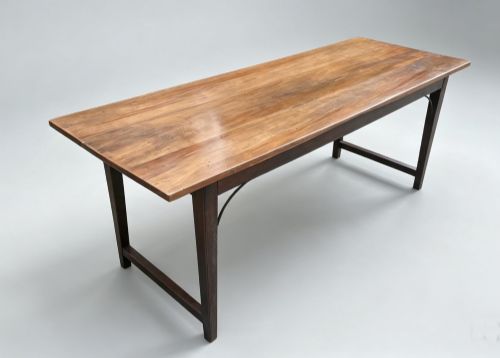
A traditional refectory table provides a long, linear surface designed originally for communal dining in monasteries, halls and farmhouses. Buyers seeking a traditional refectory table encounter examples spanning from the seventeenth century through to the Edwardian era and the 1920s.
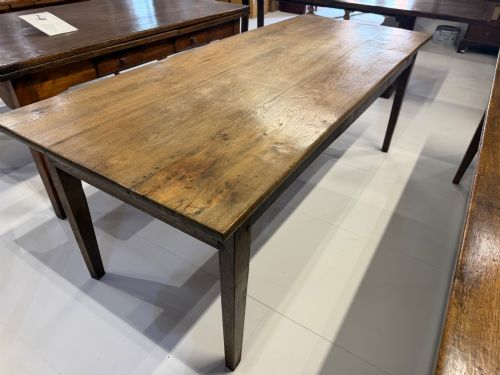
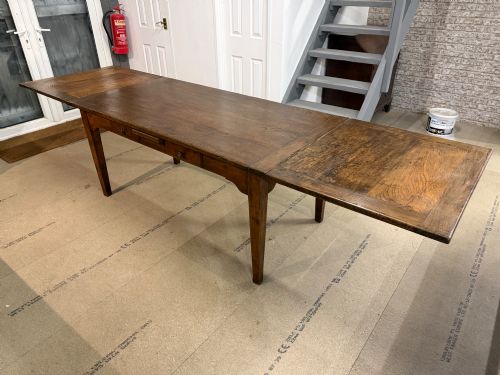
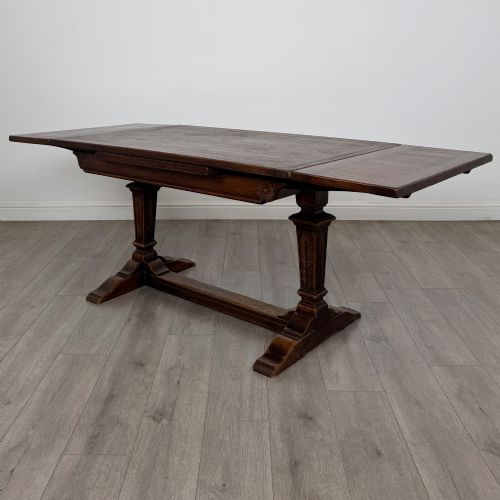
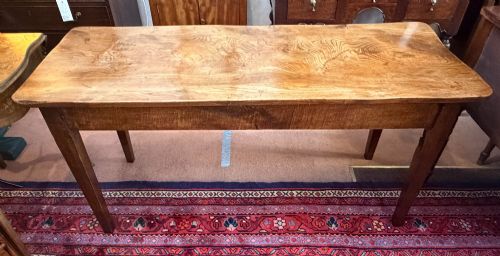
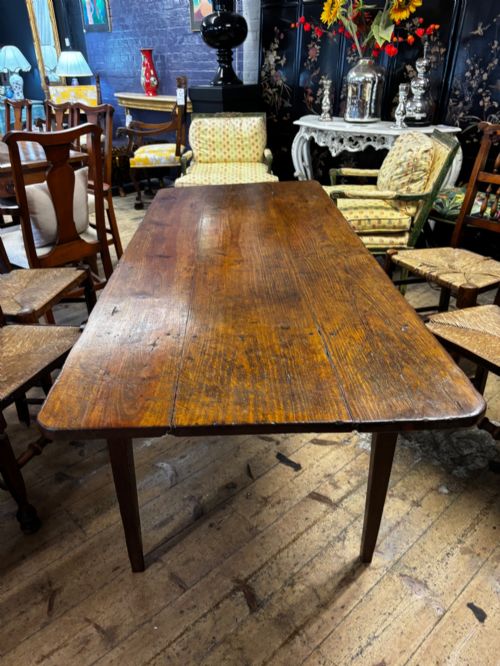
The form appears in several related guises across these listings, including single plank tops, draw leaf extending versions and heavy trestle ends. Oak dominates the selection, accompanied by pine, elm, beech and fruitwood.
Makers and designers responded to various historical revivals, producing pieces styled after Jacobean, Elizabethan and French provincial traditions. Most pieces on this page serve contemporary dining rooms as substantial eight or ten seater tables.
Materials and construction
Carpenters relied primarily on solid oak, supplemented by fruitwood, pine, elm and beech, selecting timber for its density and grain structure. Joinery techniques involved pegged tenons, substantial stretcher bases and shaped trestle ends to support heavy single or multi plank tops.
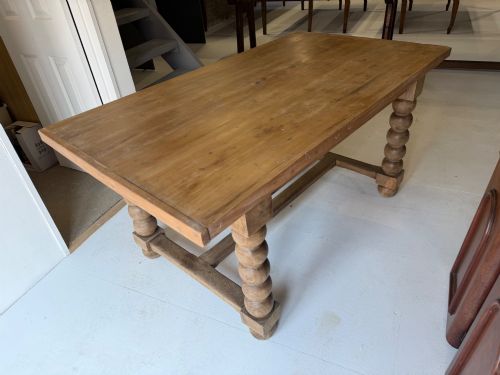
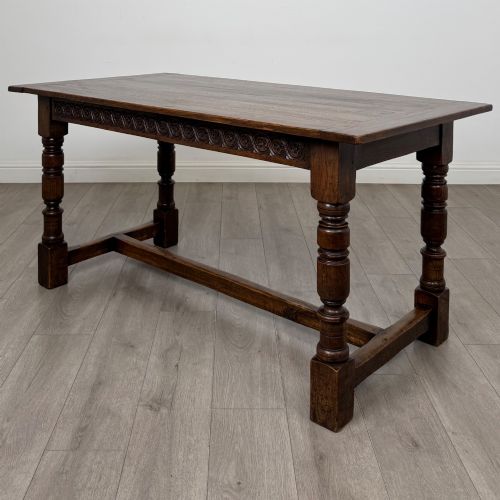
Extending mechanisms utilised draw leaf designs or double extending leaves, allowing the surface area to expand without losing structural stability. Carved details, bobbin legs and tapered supports appeared alongside plain, waxed or bleached wood surfaces.
Traditional Refectory Table Retail Price Guide 2026
Typical asking prices for traditional refectory table among the pieces listed under this phrase on Sellingantiques today, from the lower quarter to the upper quarter. They describe what is for sale here now, not the wider market.
One table arrives with matching bench forms, ensuring nobody argues over mismatched seating.
Variations in quality
Quality rests upon the selection of timber, particularly the choice between single plank surfaces and multi plank constructions. The integrity of the underframe, the tightness of the pegged joints and the depth of the timber determine the physical presence of the table.
Proportion and balance separate standard workshop output from finer pieces. Tables featuring well turned bobbin legs, carved friezes or balanced trestle supports demonstrate greater consideration by the original maker.
The Traditional Refectory Table Glossary
- Draw leaf
- An extending table mechanism where two hidden leaves slide out from beneath the main top. This allows the dining surface to expand quickly.
- Trestle ends
- Support structures positioned at either end of a table rather than conventional corner legs. They offer stability and maximise legroom along the sides.
- Single plank
- A tabletop constructed from one wide board of timber rather than multiple boards joined together. This feature is particularly prized in older oak tables.
- Stretcher
- A horizontal wooden bar connecting the legs of a table to provide lateral support and rigidity. On older tables, stretchers also served as footrests away from damp floors.
Traditional Refectory Table: Frequently Asked Questions
How many people do these tables seat?
Many examples on this page are configured to seat eight or ten diners comfortably due to their substantial length. The absence of corner legs on trestle versions helps maximise seating capacity along the sides.
Buyers should measure both their dining space and chair widths to ensure adequate clearance around the stretcher bases.
How do I care for a solid oak top?
Solid oak surfaces respond best to regular waxing and immediate cleaning of spills using a dry or slightly damp cloth. Avoid placing timber tables near direct heat sources to prevent the wood from splitting.
Maintaining a gentle wax finish preserves the natural grain and builds a deeper lustre over decades of use.
Are these tables suitable for everyday use?
Heavy timber construction makes these pieces exceptionally durable for daily family dining. The robust frames and thick tops withstand regular daily activity easily.
Patina accumulated from daily use often enhances the character of older fruitwood, elm and oak surfaces.