


Wooden Monastery Table
A wooden monastery table brings weight and presence to a room, offering large surfaces built for gathering through centuries of dining.

Wooden Monastery Table
A wooden monastery table encompasses sturdy refectory, farmhouse, and abbey formats designed for communal dining. When searching for a wooden monastery table, buyers encounter examples stretching from the seventeenth century through to the Edwardian period and the 1930s.
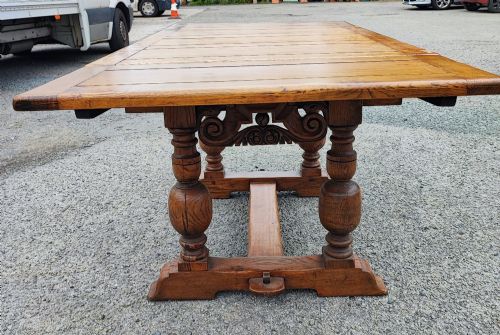
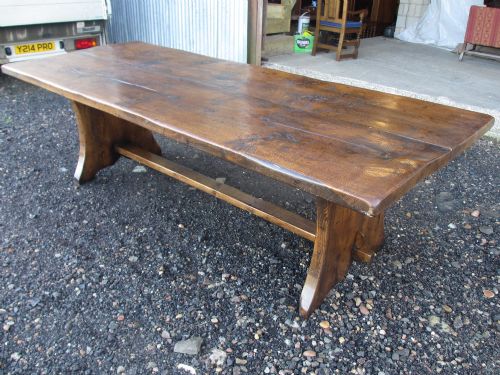
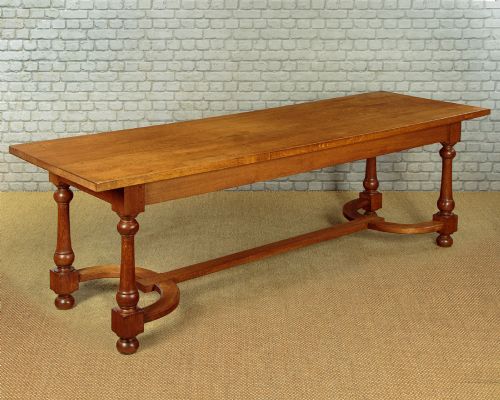
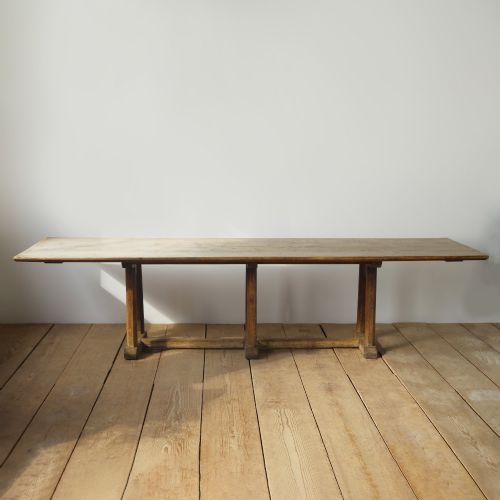
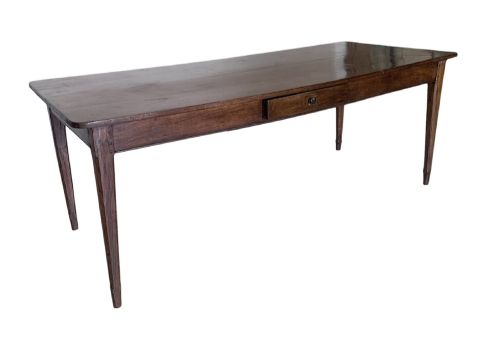
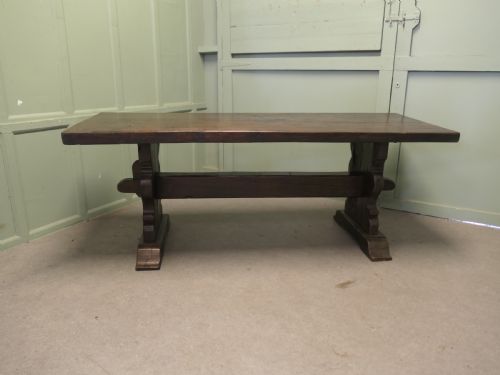
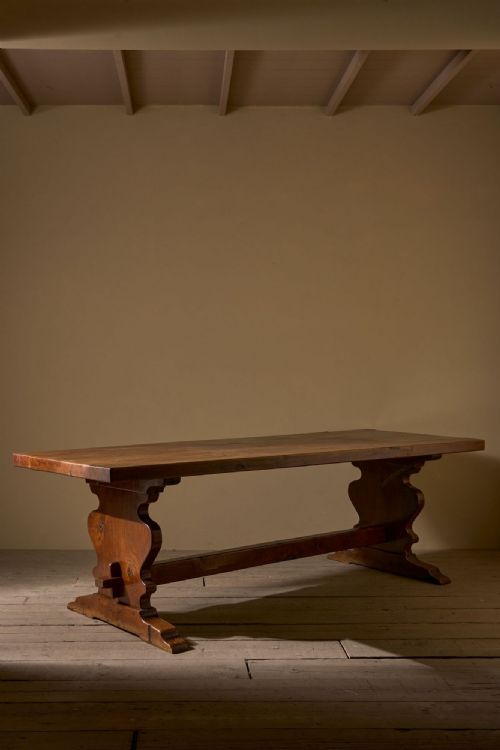
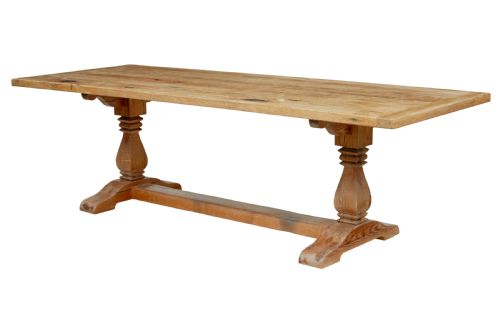
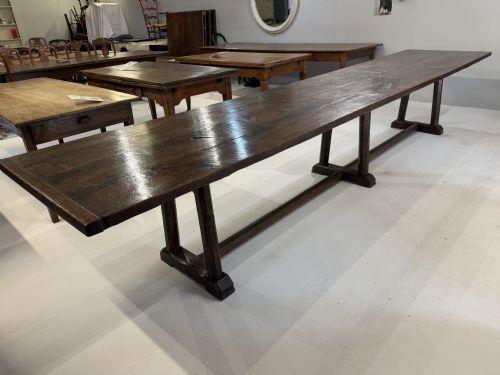
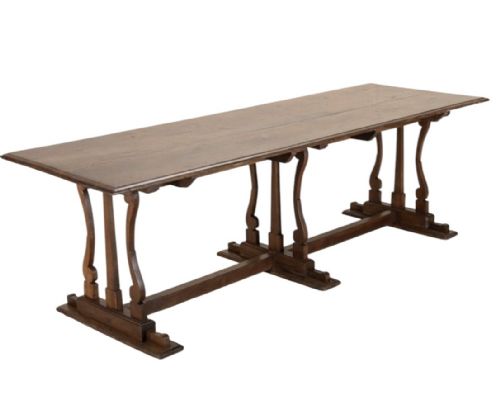
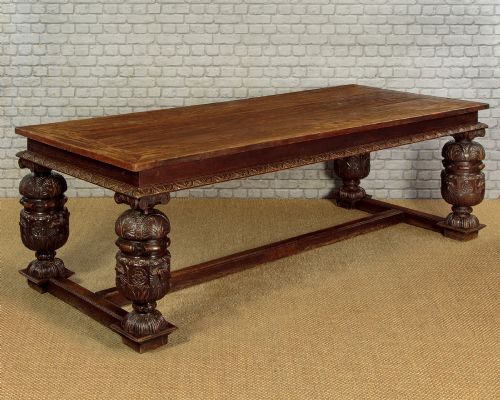
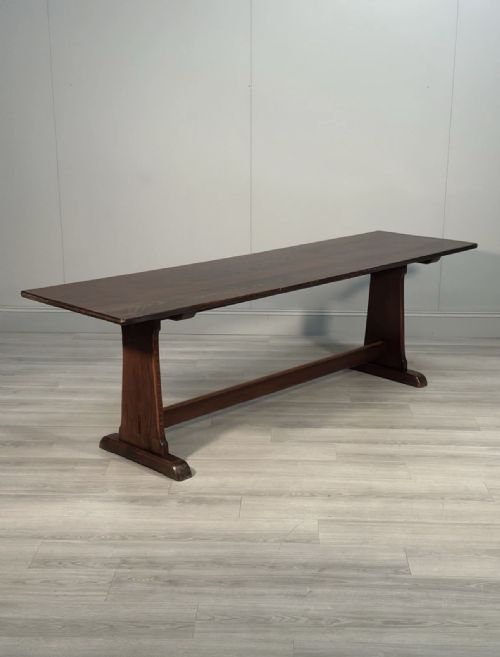
The format typically manifests as a long, rectangular dining surface supported by trestle ends, heavy legs, or pegged joints. Oak dominates the selection, alongside walnut, pine, elm, and mahogany.
Regional variations span English country styles, French provincial designs, Jacobean revivals, and Gothic revival pieces. Many listings present large proportions capable of seating numerous guests comfortably.

Construction and materials
Makers utilised solid timbers, relying predominantly on oak and walnut planks joined across substantial lengths. Tops often consist of two or three wide planks secured to sturdy trestle bases.
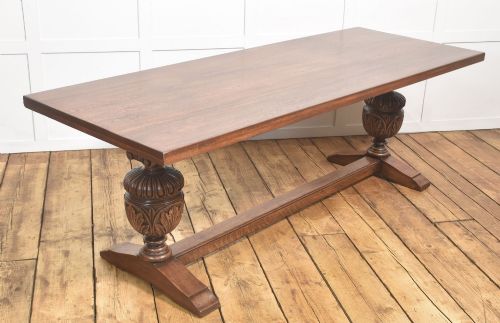
Construction techniques include traditional pegged joints and heavy trestle ends with shaped supports. Some pieces incorporate carved detailing on the pine or oak frames, reflecting period preferences from the seventeenth century to the early twentieth century.
Wooden Monastery Table Retail Price Guide 2026
Typical asking prices for wooden monastery table among the pieces listed under this phrase on Sellingantiques today, from the lower quarter to the upper quarter. They describe what is for sale here now, not the wider market.
Several heavy tables arrive with stories of hearty monastic feasts baked right into their three-plank wooden tops.
Distinguishing quality
Quality rests in the integrity of the timber selection and the retention of original top-to-base relationships. Tables featuring thick, multi-plank solid construction demonstrate superior durability compared to later adaptations.
The crispness of hand-carved details on trestle bases and the balanced proportions of the underframe separate standard production from finer examples. Patina accumulated through age distinguishes tables with authentic historical depth.
The Wooden Monastery Table Glossary
- Refectory table
- A long dining table traditionally used in monastic dining halls. These pieces evolved into domestic use with sturdy legs and stretcher bases.
- Trestle ends
- Supporting frameworks at each end of a table top, often shaped or panelled. They provide stability for heavy wooden tops.
- Draw leaf table
- A table equipped with extension leaves hidden beneath the main top that pull out to lengthen the surface. This mechanism allows flexible seating capacities.
- Plank top
- A table surface constructed from individual boards joined lengthwise. Many period examples utilise two or three distinct planks.
Wooden Monastery Table: Frequently Asked Questions
How many people do these tables seat?
Many examples are described as large formats capable of seating twelve guests comfortably, while standard variations accommodate six to eight diners.
The generous length of the tops and the placement of trestle bases determine legroom along the sides.
What materials are most common?
Oak is the predominant material seen across the listings, appearing in solid, bleached, and heavy forms. Walnut, pine, elm, and mahogany also feature in various regional styles.
Secondary additions include brass elements and occasional carved pine details on specific period pieces.
How do I identify seventeenth-century pieces?
Seventeenth-century examples display specific construction traits such as heavy trestle bases, pegged joints, and aged oak timbers. Comparing the joinery and timber grain helps differentiate genuine period work from later revivals.
Revival pieces often date from the late nineteenth century or the 1910s and 1930s.
Are matching benches available?
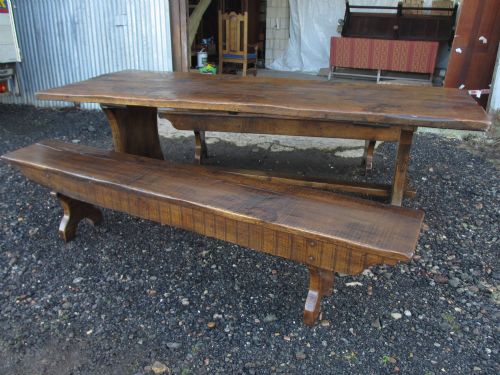
Certain listings include matching bench forms alongside the main dining table. These sets maintain uniform timber and period characteristics.
Benches complement the trestle base design by sliding neatly beneath the surface when not in use.